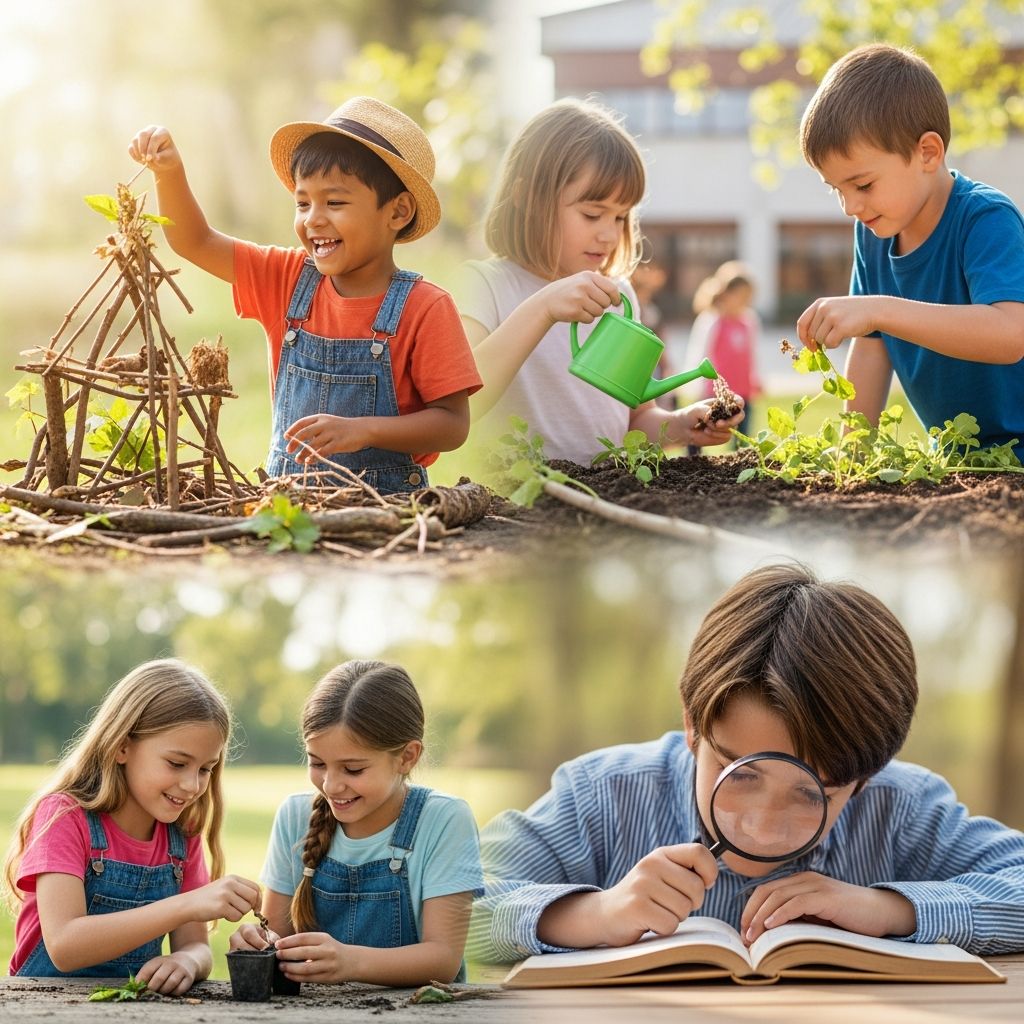
Contemporary discussions often frame children’s development through the lens of standardized education, leading many parents to worry about perceived deficits. However, a closer examination reveals that young people are cultivating profound strengths in areas like emotional resilience, interpersonal connections, and practical life competencies that formal schooling rarely emphasizes.
Shifting Perspectives on Educational Gaps
The conventional narrative suggests that disruptions in routine schooling equate to irreversible setbacks. Yet, this view overlooks the multifaceted nature of growth. Children engage in organic learning environments at home, fostering creativity and self-directed exploration that build cognitive flexibility. For instance, unstructured playtime sharpens problem-solving abilities more effectively than rote memorization in some cases.
Parents navigating these periods report heightened family interactions, where daily routines evolve into teachable moments. Cooking together teaches measurement and patience; outdoor adventures instill environmental awareness. These experiences cultivate a holistic skill set, positioning kids favorably for real-world demands.
Building Emotional Fortitude Early
One of the most significant advancements lies in emotional development. Facing uncertainties head-on equips children with adaptability, a trait increasingly vital in a volatile global landscape. Research from child psychology underscores how navigated challenges enhance coping mechanisms, reducing future anxiety risks.
- Resilience through routine adaptation: Adjusting to new schedules hones perseverance.
- Empathy from shared family experiences: Collaborative problem-solving deepens understanding of others’ perspectives.
- Self-regulation skills: Managing emotions in fluid environments promotes independence.
These gains manifest in calmer responses to stressors, observable in playgroups where such children mediate conflicts adeptly.
Strengthening Family Foundations
Extended quality time transforms parent-child dynamics, dismantling outdated gender roles in caregiving. Fathers stepping into equal roles challenge societal defaults, fostering balanced households. This shift not only alleviates maternal burden but models equitable partnerships for the next generation.
Statistics reveal evolving time allocations: women dedicate around 3 hours daily to direct childcare, with men at 1.9 hours, excluding multitasking—yet trends indicate closing gaps as policies evolve. Such involvement yields children who value collaboration over hierarchy.
Practical Life Skills Outpacing Academics
Beyond emotions, tangible competencies emerge. Household contributions teach responsibility: budgeting groceries imparts math; gardening introduces biology. These surpass textbook knowledge, preparing kids for autonomy.
| Traditional School Focus | Home-Based Gains | Long-Term Benefit |
|---|---|---|
| Standardized testing | Adaptive problem-solving | Career flexibility |
| Memorized facts | Hands-on experimentation | Innovation drive |
| Rigid schedules | Self-paced learning | Lifelong curiosity |
This table illustrates how non-traditional paths yield enduring advantages, supported by developmental studies emphasizing experiential learning.
Navigating Modern Parenting Pressures
Today’s guardians confront escalated demands—skyrocketing childcare costs, housing pressures, and cultural overparenting expectations. Yet, within these constraints, innovative approaches emerge. Digital tools supplement education, while community networks provide support, turning obstacles into opportunities for communal growth.
Exhaustion remains real, yet reframing it as investment underscores its worth. Parents consistently prioritize family, affirming that challenges fortify bonds.
Individualized Approaches to Growth
No two children progress identically, demanding tailored strategies. Observing unique temperaments allows customization: one thrives in structured reading, another in artistic expression. Embracing diversity in development liberates parents from uniform benchmarks.
- Assess strengths: Track interests to guide activities.
- Adapt methods: Blend formal and informal learning.
- Celebrate milestones: Focus on personal achievements.
Policy and Societal Shifts Supporting Families
Advocacy for paternity leave and flexible work mirrors global standards, where nations offer paid time for both parents. The U.S. lags, but momentum builds, recognizing parental presence as foundational to child outcomes. Implementing such changes ensures equitable progress.
Workplaces evolving with family needs—remote options, shorter weeks—enable sustained involvement, amplifying home learning benefits.
Fostering Creativity in Unconventional Settings
Without classroom confines, imagination flourishes. Story invention, art projects, and invention tinkering nurture originality. These pursuits correlate with entrepreneurial mindsets, per educational research.
Parents facilitate by providing materials and space, observing as kids iterate ideas. This process embeds failure as learning, a cornerstone of innovation.
Health and Well-Being Advantages
Increased home time promotes balanced routines: nutritious meals, physical activity, adequate rest. Such habits counter sedentary school norms, enhancing overall vitality.
Mental health benefits from reduced peer pressures, allowing authentic self-expression. Families report improved sleep and mood stability.
Frequently Asked Questions
What if my child misses key academic milestones?
Supplement with targeted online resources and local programs. Progress isn’t linear; consistency bridges gaps effectively.
How can both parents share responsibilities equally?
Communicate openly, divide tasks based on strengths, and challenge societal norms treating mothers as default.
Is unstructured time truly beneficial?
Yes, it builds executive function skills like planning and creativity, often surpassing structured alternatives.
What about social development without school?
Organize playdates, join clubs, and leverage virtual communities for peer interactions.
How do I measure true progress?
Track emotional growth, independence, and joy alongside academics for a comprehensive view.
Sustaining Momentum for Lifelong Success
To perpetuate these advantages, integrate hybrid models blending home and formal education. Parental advocacy drives systemic change, ensuring future generations inherit optimized foundations.
Ultimately, redefining ‘ahead’ encompasses well-rounded individuals ready for life’s complexities. This holistic lens empowers parents to celebrate ongoing triumphs.
References
- Before kids and after: how motherhood reshapes our sense of time — Motherly. 2023. https://www.mother.ly/motherhood-understood/before-kids-and-after-how-motherhood-reshapes-our-sense-of-time/
- Moms Are The Default Parent Because Of Society — Motherly. 2023. https://www.mother.ly/life/motherly-stories/moms-are-default-parent/
- All In is Lean In for Dads — TIME. 2015-07-14. https://time.com/3858155/all-in-is-lean-in-for-dads/
- Why modern parenting feels harder than ever—and what to do about it — Motherly. 2025. https://www.mother.ly/news/viral-trending/why-modern-parenting-feels-impossible/
- The relentless exhaustion of motherhood — Motherly. 2023. https://www.mother.ly/life/the-relentless-exhaustion-of-motherhood/
- My children are nothing alike—so I’m learning how to parent them differently — Motherly. 2023. https://www.mother.ly/life/my-children-are-nothing-alike-so-im-learning-how-to-parent-them-differently/