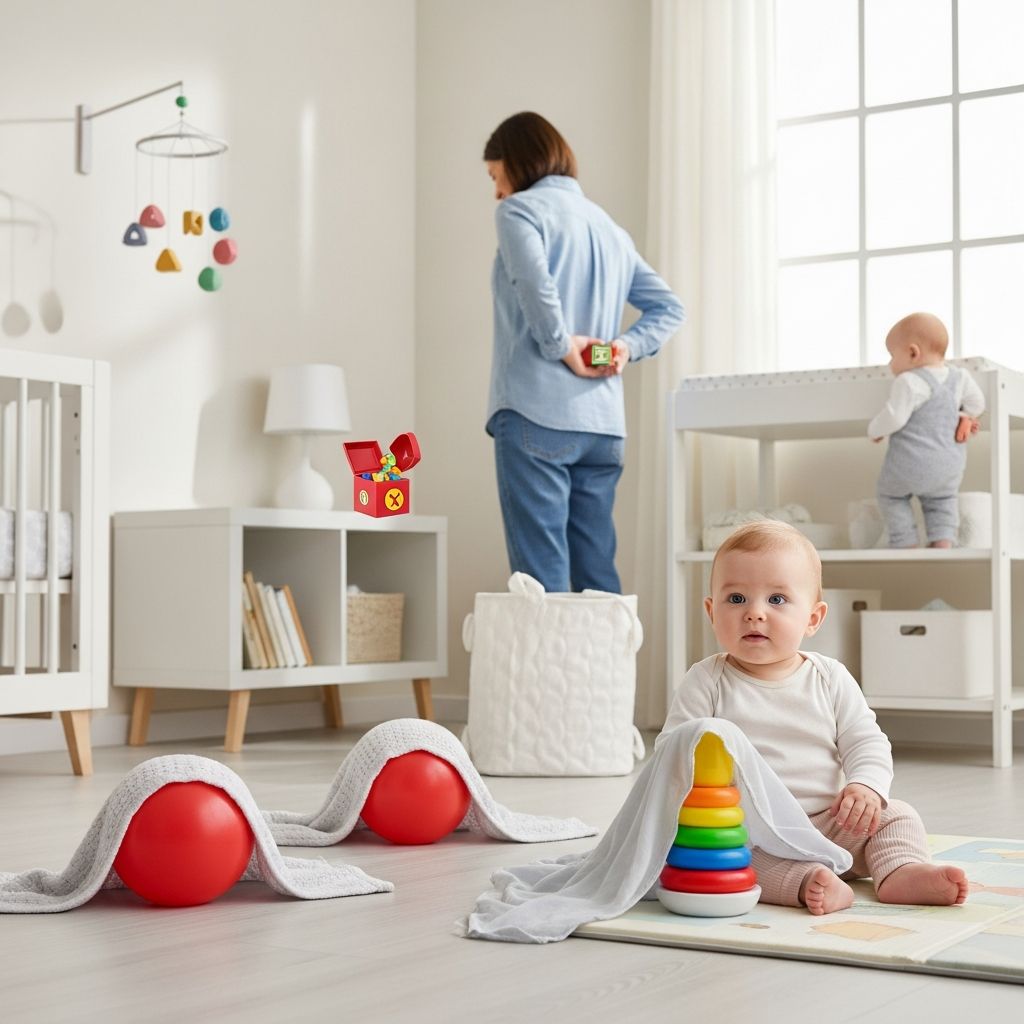
The Unspoken Pressure: Understanding Maternal Expectations
Motherhood represents one of life’s most transformative experiences, yet it arrives accompanied by an invisible weight of expectations. These expectations don’t announce themselves with clarity; instead, they seep into daily consciousness through subtle messaging, cultural narratives, and internalized beliefs about what mothers should accomplish. The challenge lies not in the act of parenting itself, but in the layers of assumptions about how parenting should look, feel, and integrate into a mother’s entire existence.
The modern mother faces an unprecedented paradox. She is expected to be fully present with her children while simultaneously maintaining a thriving career, a spotless home, a fulfilling marriage, and personal fitness goals. These competing demands create an impossible equation where something inevitably gives way, yet mothers frequently blame themselves for the shortfall rather than questioning whether the equation itself is flawed.
The Invisible Architecture of Maternal Guilt
Guilt functions as the primary enforcement mechanism of motherhood expectations. Unlike tangible responsibilities that can be completed and checked off a list, guilt persists as a background hum throughout a mother’s day, regardless of what she accomplishes. This guilt manifests in multiple forms, each triggered by different situations but all stemming from the same root: the belief that she should be doing something different than what she’s currently doing.
When a mother prioritizes work, she feels guilty for not being present with her children. When she focuses entirely on parenting, she experiences guilt about her career stagnation or financial contribution. When she takes time for self-care, guilt emerges about neglecting her family. This cycle creates an exhausting mental loop where contentment becomes nearly impossible because satisfaction in one area automatically triggers dissatisfaction about another.
Where Do These Expectations Originate?
Maternal expectations don’t appear spontaneously; they’re constructed through generations of cultural messaging, media representation, and deeply embedded social structures. Many mothers grew up observing their own mothers managing everything while their fathers received praise for minimal household involvement. This generational template became internalized as the natural order, despite its inherent unfairness.
Societal conditioning runs deep. From childhood, girls receive messages about their future roles as caretakers. Toys, media representation, educational messaging, and family dynamics all reinforce the idea that women bear primary responsibility for household management and emotional labor. By the time a woman becomes a mother, these expectations feel less like external demands and more like personal values she should naturally embody.
The Gap Between Expectation and Reality
Real motherhood diverges significantly from the idealized version presented in media, greeting cards, and cultural messaging. The fantasy version features a serene mother with perfectly coiffed children, immaculate surroundings, and an ever-present smile. She derives joy from every moment, never feels frustrated, maintains her pre-baby appearance, and somehow manages to balance everything effortlessly.
The reality includes sticky floors, lost permission slips, arguments about vegetable consumption, moments of genuine frustration, and the constant awareness that something isn’t getting the attention it needs. Mothers experience a full spectrum of emotions about their children and their roles, including periods where they feel underwhelmed, frustrated, or genuinely exhausted by the demands placed upon them.
Acknowledging this reality doesn’t diminish love for one’s children. A mother can adore her children completely while simultaneously finding certain aspects of parenting tedious, frustrating, or emotionally draining. These two truths coexist without contradiction.
The Cost of Perfectionism in Parenting
The pursuit of perfect motherhood carries substantial mental and physical health consequences. Mothers operating under the assumption that they should handle everything experience chronic stress, sleep deprivation, and constant anxiety. Their brains never fully disengage because there’s always something that requires attention, planning, or worry.
This chronic activation of stress responses leads to measurable health impacts. Headaches, insomnia, digestive issues, and a persistent sense of brain fog become normalized rather than recognized as warning signs. The toll extends beyond physical symptoms to emotional and relational effects, including increased irritability, reduced patience with children, and growing resentment toward partners or family members who don’t share the mental load.
Over time, the cumulative weight of unmet expectations and constant self-criticism erodes a mother’s sense of self. She becomes defined entirely by her role as mother rather than maintaining her identity as a multifaceted person with diverse interests, talents, and needs.
Reframing Success and Adequacy
Breaking free from unrealistic expectations begins with questioning what success actually means. Most mothers have internalized a definition of success that’s both exhaustive and vague, making it impossible to ever feel truly successful. Rather than accepting this inherited definition, mothers can intentionally craft their own metrics for what constitutes a good day, a good week, or good enough parenting.
Good enough parenting is a psychologically validated concept that liberates mothers from perfectionism while maintaining standards of care and safety. A mother who provides adequate nutrition, emotional responsiveness, and engagement with her children, even while imperfectly managing her home or career, is succeeding in the most important ways.
Practical Redefinitions
- Success with household management: Dirty dishes and laundry don’t equal parenting failure; they equal normal family life. A functional system that works for your family is better than an elaborate system that creates stress.
- Success with self-care: Self-care doesn’t require spa days or extensive time blocks. Protecting sleep, moving your body in enjoyable ways, and maintaining one activity purely for pleasure qualify as legitimate self-care.
- Success with work-life integration: Rather than achieving perfect balance, families can embrace seasons where one area receives more focus while another temporarily recedes, with periodic reassessment and adjustment.
- Success with emotional availability: Being fully present for some interactions while distracted during others is normal. Perfectionism isn’t required for children to feel loved and secure.
The Mental Load: The Hidden Architecture of Motherhood
Beyond the visible tasks of parenting lies the mental load—the invisible cognitive work of tracking, planning, remembering, and organizing family life. This mental load encompasses remembering which child has a dentist appointment, that pajama day is Friday, upcoming permission slips, dietary preferences that changed last week, and the countless other details that require constant mental attention.
The mental load differs fundamentally from individual tasks. You can hand off the duty of washing dishes to another family member; you cannot hand off the responsibility of remembering that dishes need washing. Even when mothers explicitly delegate tasks, they often retain the mental burden of ensuring those tasks happen.
In many households, mothers absorb the mental load by default, and this invisible work remains invisible precisely because it’s internal. No one sees the mental tracking; they only see the outcomes. This invisibility makes it difficult for families to recognize the mental load as legitimate work deserving of shared responsibility.
Practical Strategies for Reducing Expectation-Based Guilt
Moving beyond guilt requires concrete action, not just mindset shifts. These strategies help distribute responsibility and reduce the burden on individual mothers.
Externalize the Mental Load
Transfer family management from your head to external systems. Shared digital calendars, written checklists, and family planning tools make information accessible to all family members rather than locked in a single person’s memory. This shift accomplishes two things: it distributes responsibility and reduces the cognitive energy required to maintain mental tracking.
Establish Clear Role Distribution
Rather than constantly negotiating who handles which tasks, establish default responsibilities. One person manages meal planning while another manages laundry. One person tracks school schedules while another manages extracurricular logistics. Clear roles eliminate the need for constant decision-making and reduce conflict about fairness.
Redefine What Matters Most
Consciously identify which responsibilities genuinely matter for your family’s functioning and well-being, then ruthlessly deprioritize everything else. Many mothers expend enormous energy on tasks that don’t actually contribute meaningfully to family happiness or function. Releasing these non-essential responsibilities liberates significant mental and physical capacity.
Build in Rest Without Guilt
Rest is not a luxury to pursue after everything else is completed; it’s a necessity for functioning. Scheduling rest and protecting it from guilt requires intentionality. Rest might mean saying no to optional activities, hiring help with household tasks, or explicitly choosing not to optimize every moment.
Reclaiming Identity Beyond Motherhood
One of the most challenging aspects of modern motherhood is maintaining identity as a distinct person while also being fully present as a mother. Motherhood can become so all-consuming that other dimensions of self fade into background. While parenting requires substantial engagement and energy, particularly during early childhood, it need not completely eclipse other aspects of identity.
Maintaining connection with personal interests, professional identity, friendships, and individual goals doesn’t diminish commitment to children. Rather, it models for children that adults are complex beings with multifaceted lives, and it provides mothers with the psychological nourishment necessary to show up with patience and presence in their parenting role.
This might look like protecting time for hobbies, maintaining professional engagement, prioritizing adult friendships, or pursuing personal development. The specific activities matter less than the principle: a mother’s value and identity extend beyond her mothering role.
Navigating Conflicting Pressures
Many mothers experience contradictory expectations simultaneously: be ambitious and be available; maintain your appearance and don’t prioritize vanity; discipline firmly but also be nurturing; challenge your children but don’t push too hard. These contradictions make it impossible to succeed by external standards because success in one direction creates failure in another.
Resolving this tension requires rejecting the idea that there’s a single correct way to mother. Different mothers will make different choices about career involvement, household standards, discipline approaches, and time allocation based on their values, circumstances, and family needs. Honoring diverse approaches to motherhood—including approaches that differ from one’s own—helps reduce the competitive pressure and judgment that compounds maternal guilt.
Building Support Systems
Reducing expectation-based guilt and the mental load requires more than individual effort; it requires structural support. Asking for help directly addresses the problem, though asking itself often feels difficult for mothers conditioned to manage everything independently.
Building genuine support might include:
- Regular conversations with partners about equitable division of mental and physical labor
- Community or friendship networks where mutual support is normalized and reciprocated
- Professional support like therapy or coaching to address internalized guilt and unrealistic expectations
- Practical assistance with household tasks if financially feasible
- Flexibility in work arrangements that acknowledge parenting realities
Frequently Asked Questions
Q: Is wanting less from myself as a mother a sign of not caring enough?
A: No. Releasing perfectionist expectations actually demonstrates strong care for your children because you’ll have greater emotional capacity to engage with them. Burnout and resentment harm relationships more than realistic parenting standards.
Q: How do I stop feeling guilty when my children aren’t my top priority?
A: Guilt often stems from comparing your actual life to an impossible ideal. Children benefit from having a mother who maintains her own identity, pursues her own goals, and models healthy boundaries. Prioritizing yourself sometimes is a gift to your family.
Q: What if my partner doesn’t help with the mental load even when asked?
A: This represents a significant relationship issue requiring direct conversation or professional mediation. Partners must understand that sharing parenting and household responsibilities is non-negotiable in equitable relationships.
Q: Can I embrace lower standards and still raise well-adjusted children?
A: Absolutely. Children thrive with emotionally available, less-stressed parents who maintain realistic expectations far more than they do with stressed, perfect-seeking parents. Connection and presence matter more than perfection.
Q: How do I maintain personal identity while fully embracing motherhood?
A: Intentionally protect time and energy for activities and relationships outside of motherhood. This isn’t selfish; it’s essential maintenance of your psychological well-being and models healthy behavior for your children.
References
- Overwhelmed by the mental load of motherhood? 10 tips to help — Calm Inc. 2024. https://www.calm.com/blog/mental-load-of-motherhood
- When The Mental Load of Motherhood Becomes Too Much: 5 Ways to Turn From a Worrier Into a Warrior — Embracing You Therapy. 2024. https://embracingyoutherapy.com/when-the-mental-load-of-motherhood-becomes-too-much-5-ways-to-turn-from-a-worrier-into-a-warrior/
- What To Do When The Mental Load of Motherhood Is Overwhelming — Her View From Home. 2024. https://herviewfromhome.com/what-to-do-when-the-mental-load-of-motherhood-is-overwhelming/
- Why You Don’t Have to Love Every Moment of Motherhood — States of Wellness. 2024. https://www.statesofwellness.com/blog/why-you-dont-have-to-love-every-moment-of-motherhood
- Why Modern-Day Motherhood Feels So Frustrating — Revolution From Home. 2018. https://revolutionfromhome.com/2018/01/modern-day-motherhood-feels-frustrating/
- Coping With Anxiety From The Pressures Of Motherhood: Stop Shoulding Yourself — Ashley Comegys. 2024. https://www.ashleycomegys.com/exhale-a-blog-for-womens-mental-health/coping-with-anxiety-from-the-pressures-of-motherhood-stop-shoulding-yourself
- The Myth of “Doing It All” in Motherhood — Psychology Today. 2021. https://www.psychologytoday.com/us/blog/the-balanced-working-mama/202111/the-myth-of-doing-it-all-in-motherhood