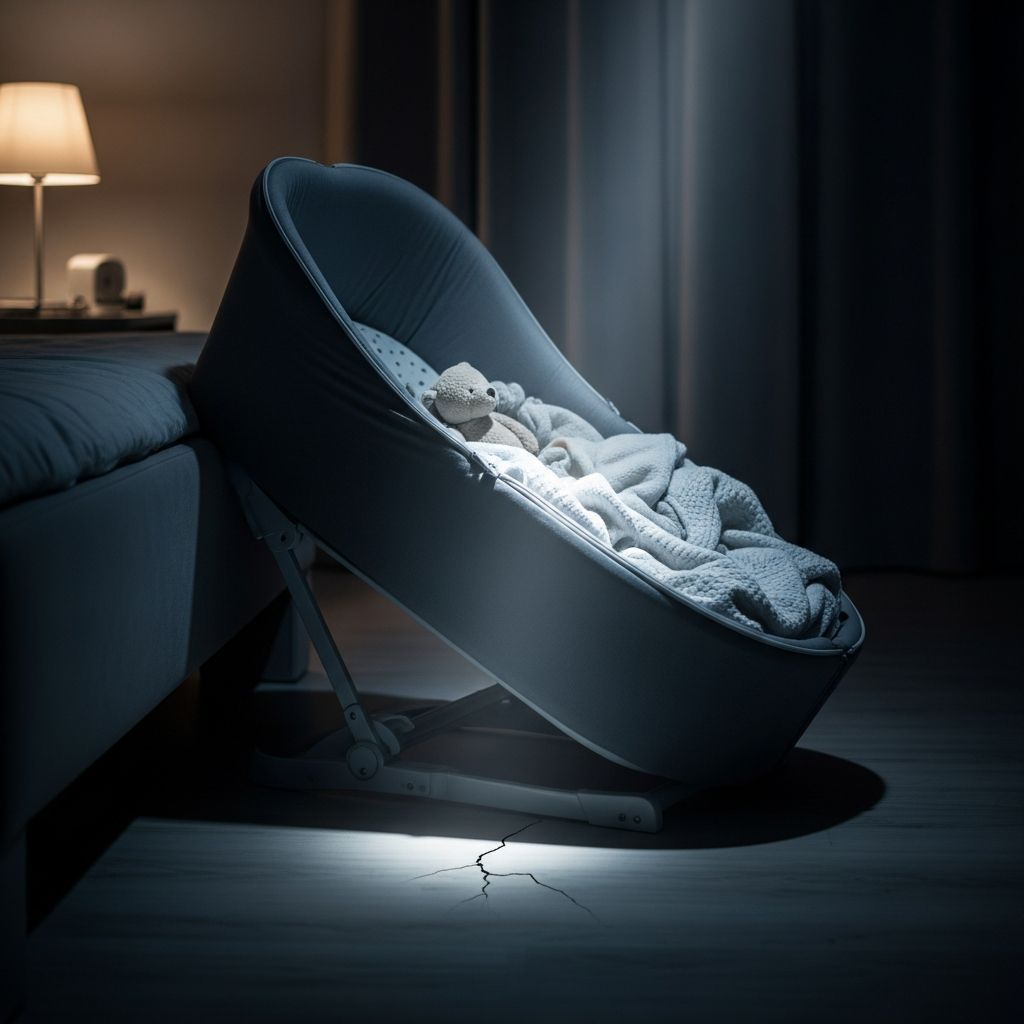
In recent years, inclined baby sleepers have gained popularity among exhausted parents seeking convenience for their newborns. However, extensive research and regulatory actions have exposed these products as highly dangerous, contributing to dozens of infant fatalities. Infants placed in sleepers with inclines greater than 10 degrees face severe risks of airway obstruction, suffocation, and sudden unexpected infant death (SUID). Authoritative bodies like the U.S. Consumer Product Safety Commission (CPSC) and the American Academy of Pediatrics (AAP) strongly advise against their use for unsupervised sleep.
Understanding the Hidden Hazards of Sloped Sleep Surfaces
Newborns possess disproportionately large heads and underdeveloped neck muscles, making them prone to positional challenges in inclined environments. When a baby dozes off in a product tilted at 10 to 30 degrees, their heavy head can slump forward, pressing the chin to the chest. This chin-to-chest posture compresses the airway, restricting oxygen flow and potentially leading to asphyxia. A biomechanical study confirmed that such positions elevate SUID risk by at least fivefold compared to flat, AAP-recommended sleep setups.
Soft, plush materials common in these sleepers exacerbate the problem. If an infant shifts position, their face may press into padded sides, blocking nostrils and mouth. This creates a suffocation hazard or causes rebreathing of exhaled carbon dioxide, which deprives the brain of oxygen. Even restrained babies are vulnerable, as harnesses can ride up, constricting the neck or torso and worsening airflow issues.
Tragic Statistics: Deaths and Incidents Linked to Inclined Products
From 2005 to 2019, inclined sleepers were implicated in at least 73 infant deaths and over 1,000 injuries, according to CPSC data. High-profile recalls followed, including Fisher-Price’s Rock ‘n Play, associated with more than 100 deaths, and Kids2 products linked to 14 fatalities between 2009 and 2022. These figures exclude additional cases post-2022, underscoring an ongoing crisis despite warnings.
| Product Example | Incline Angle | Reported Deaths | Recall Year |
|---|---|---|---|
| Fisher-Price Rock ‘n Play | Up to 30° | Over 100 | 2019 |
| Kids2 Rockers | 10-30° | 14+ | 2022 |
| Other Inclined Sleepers | >10° | 73+ (2005-2019) | Various |
This table summarizes key incidents, highlighting how steep inclines correlate with fatal outcomes. Older infants, capable of rolling, face amplified dangers, as inclines facilitate movement into hazardous positions.
Regulatory Responses: Bans and Safety Mandates
In response to mounting evidence, the Safe Sleep for Babies Act of 2022 prohibited manufacturing and selling inclined sleepers exceeding 10 degrees. This law mandates that all infant sleep products adhere to crib and bassinet standards, targeting devices like in-bed sleepers and hammocks previously tied to over 100 deaths. The CPSC’s 2019 engineering analysis by Dr. Rachel Moon and team tested multiple products, deeming none safe beyond a 10-degree threshold on firm, flat surfaces.
Prior recalls affected millions of units. In 2019, Fisher-Price recalled 4.7 million Rock ‘n Play sleepers after infants rolled from back to stomach, unrestrained. Australia’s Red Nose organization echoed these concerns, warning that inclined positions promote head flexion and airway compromise. These measures aim to eliminate risky products, but secondhand markets and daycares remain challenges.
Why Infants Are Uniquely Vulnerable in Inclined Settings
- Weak Neck Muscles: Unable to lift heavy heads, babies slump into dangerous postures.
- Rolling Risk: Even at two months, unexpected rolls can occur during sleep, leading to face-down entrapment.
- Soft Padding: Plush fabrics trap faces or enable CO2 rebreathing.
- Harness Failures: Belts shift upward, causing strangulation or compression.
These factors converge to create a “perfect storm” for tragedy, particularly during naps when supervision lapses. Studies show inclined environments heighten asphyxiation events across all infant ages up to 12 months.
Safe Sleep Fundamentals: Protecting Your Baby
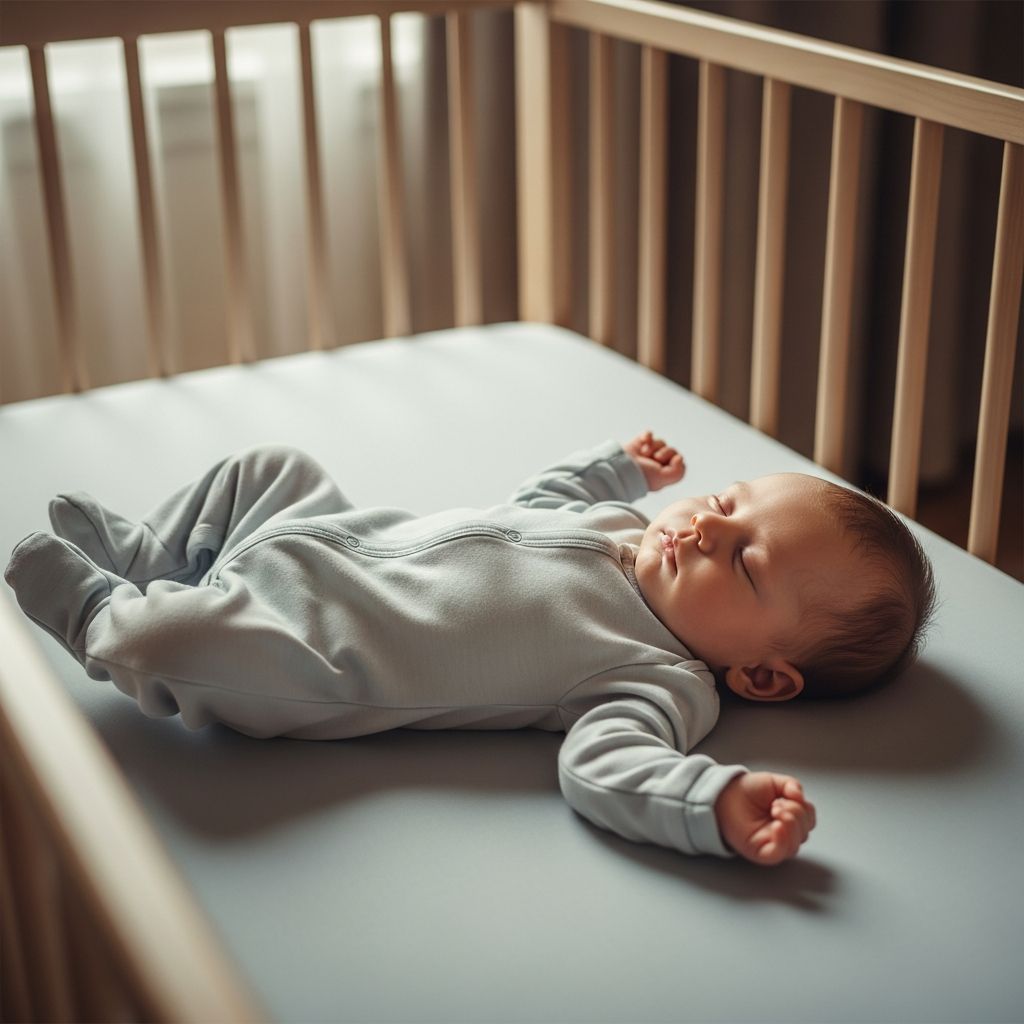
The AAP’s gold-standard guidelines emphasize the ABCs of safe sleep: Alone, on their Back, in a Crib or bassinet. Opt for a firm, flat mattress fitted snugly in a safety-approved sleep space, free of pillows, blankets, toys, or bumpers. Room-sharing without bed-sharing reduces SIDS risk by up to 50%.
Essential Do’s and Don’ts
- DO: Place baby on back for every sleep.
- DO: Use a firm, flat surface like a crib or bassinet.
- DO: Keep sleep area bare—no soft items.
- DON’T: Use swings, rockers, or bouncers for sleep.
- DON’T: Allow sleep in car seats outside vehicles.
- DON’T: Exceed 10-degree inclines for routine sleep.
If baby falls asleep in a swing, promptly transfer to a flat surface. Supervised awake time in inclined products is permissible, but never for sleep.
Navigating Daycares and Secondhand Gear
Many childcare facilities still use outdated inclined products. Parents should inquire about sleep policies and advocate for compliance. For secondhand items, verify no recalls via CPSC.gov and discard risky models. The ban covers new sales, but legacy products persist online and in homes.
Alternatives to Inclined Sleepers for Tired Parents
Safe options include portable bassinets, breathable sleep sacks, and white noise machines to soothe without slopes. Products meeting CPSC standards post-2022 ensure flat, rigid bases under 10 degrees. Invest in a certified crib with a taut sheet for long-term use.
Frequently Asked Questions (FAQs)
Are all inclined baby products dangerous?
Not all, but those over 10 degrees for sleep are unsafe per CPSC and AAP. Flat, firm surfaces are key.
Can I use a baby swing for naps?
No, transfer sleeping babies to a crib immediately. Swings are for awake play only.
What if my baby only sleeps in an inclined sleeper?
Gradually transition to flat sleep with pacifiers, swaddling (until rolling), and consistent routines. Consult your pediatrician.
Is the inclined sleeper ban worldwide?
No, but warnings exist globally, like Australia’s Red Nose alerts. Check local regulations.
How do I check for recalls?
Visit CPSC.gov or SaferProducts.gov and search by product name.
Empowering Parents for Lifesaving Choices
Knowledge of inclined sleeper risks equips parents to prioritize safety over convenience. By adhering to evidence-based practices, you safeguard your infant’s most vulnerable months. Stay informed, advocate in communities, and model safe habits—every back-to-sleep decision matters.
References
- Red Nose Warns Against Using Inclined Sleepers — Red Nose Australia. Accessed 2026. https://rednose.org.au/news/red-nose-warns-against-using-inclined-sleepers/
- Inclined Sleepers: Why Are They So Risky? — Happiest Baby. Accessed 2026. https://www.happiestbaby.com/blogs/baby/inclined-sleepers
- The risk of sleep-related death in an inclined sleep environment — PMC (PubMed Central). 2024. https://pmc.ncbi.nlm.nih.gov/articles/PMC11320768/
- Why Inclined Sleepers Can Be Dangerous for Your Baby — University Hospitals. 2019-07. https://www.uhhospitals.org/blog/articles/2019/07/why-inclined-sleepers-can-be-dangerous-for-your-baby
- Inclined Sleepers Banned: What You Need to Know — Langino Law. Accessed 2026. https://www.langinolaw.com/article/inclined-sleepers-banned-what-to-know/
- CPSC Cautions Consumers Not to Use Inclined Infant Sleep Products — U.S. Consumer Product Safety Commission. 2019-10-31. https://www.cpsc.gov/Newsroom/News-Releases/2020/CPSC-Cautions-Consumers-Not-to-Use-Inclined-Infant-Sleep-Products
- Ban of Inclined Sleepers for Infants — Federal Register. 2023-08-16. https://www.federalregister.gov/documents/2023/08/16/2023-17350/ban-of-inclined-sleepers-for-infants