Observing a baby’s bowel movements provides key insights into their digestive health, feeding efficiency, and overall well-being. From the initial tar-like meconium to the varied hues and textures that follow, understanding these changes helps parents navigate infancy confidently. This guide explores stool patterns by age, feeding method, and potential concerns, drawing on established pediatric knowledge.
Understanding the Evolution of Newborn Stools
In the first days of life, infants pass meconium, a thick, sticky, greenish-black substance resembling tar. This material, accumulated in the womb from swallowed amniotic fluid, mucus, and cells, signals the digestive system’s activation. Typically, meconium appears within 24-48 hours post-birth and clears by day 3-4, transitioning to greenish transitional stools that are less sticky.
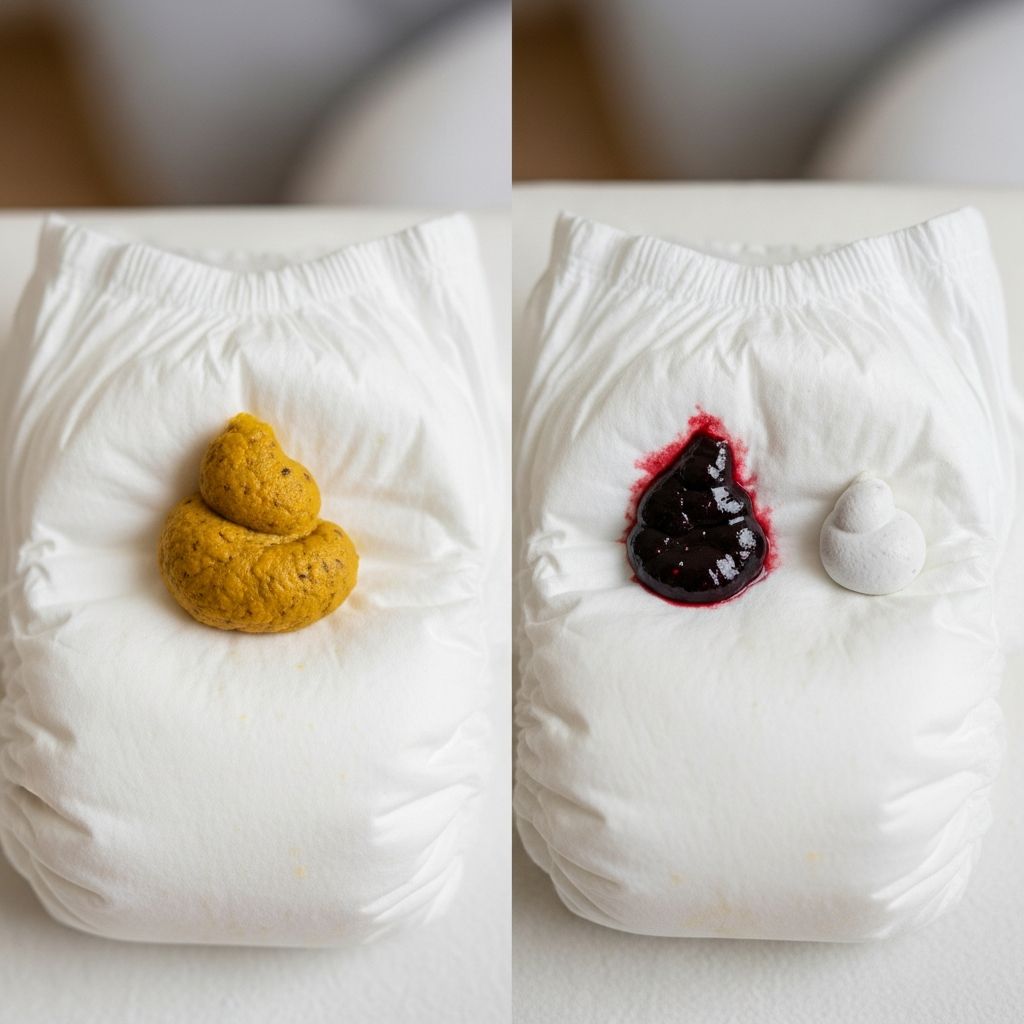
By day 4-5, as feeding establishes, stools lighten to yellow-green, then mustard yellow, marking the shift to mature milk digestion. Frequency increases, especially in breastfed babies, who may stool after every feed due to breast milk’s laxative effect.
Stool Characteristics by Feeding Type
Bowel movements vary significantly based on whether a baby is breastfed, formula-fed, or receiving both. These differences stem from milk composition and digestion speed.
Breastfed Infants
Breastfed babies produce loose, mustard-yellow stools with a seedy, pasty texture, often resembling diarrhea but without odor—typically sweet-smelling. The seeds arise from digested milk curds. Stools occur frequently, up to 10+ times daily or every feeding, reflecting efficient digestion.
Formula-Fed Infants
Formula-fed stools are firmer, tan or yellow-brown, peanut butter-like, with a stronger smell and less frequency—1-4 times daily, larger volumes. Greenish tones may appear from iron-fortified formulas.
Combination-Fed Babies
Mixed feeding yields hybrid stools: greenish, variable texture, and schedule depending on proportions. Monitor for inconsistencies if switching.
| Feeding Type | Color | Texture | Frequency | Odor |
|---|---|---|---|---|
| Breastfed | Mustard yellow, green, brown | Seedy, pasty, loose | Frequent (many/day) | Sweet |
| Formula-Fed | Tan, yellow-brown | Firm, peanut butter-like | 1-4/day | Stronger |
| Combo | Greenish, mixed | Variable | Moderate | Mild-strong |
Interpreting Colors and Textures
Color shifts often reflect diet or digestion but can flag issues. Normal ranges include yellows, greens, browns, and tans.
- Green Stools: Common in formula-fed or iron-supplemented babies; also from green veggie purees post-4 months. Usually benign.
- Orange/Yellow/Brown: Standard for all feeding types, indicating healthy bile processing.
- Seedy or Mucousy: Normal in breastfed poop from milk fats; excess mucus may signal drooling or mild infection.
- Hard Pellets: Suggests constipation, often from solids introduction, dehydration, or sensitivities.
Texture evolves: watery in newborns (not true diarrhea), firming with formula or solids.
Potential Warning Signs in Baby Poop
While variations abound, certain traits warrant attention. Always consult a pediatrician for confirmation.
- Black Stools (Post-Meconium): After week 1, may indicate digested upper GI blood; check for maternal nipple cracks or seek eval.
- Red Streaks/Blood: From anal fissures (constipation), allergies (cow’s milk/soy), or infections. Take sample to doctor.
- White/Chalky/Gray: Alarming—signals bile absence, possible liver/gallbladder issues. Urgent medical review needed.
- Frothy/Watery with Symptoms: True diarrhea if foul, frequent, with fever, fussiness, dehydration signs.
Constipation shows as infrequent, hard stools with straining distress, differing from normal grunting.
Impacts of Introducing Solid Foods
Around 4-6 months, purees alter stools: firmer, bulkier, smellier, with undigested bits. Green from veggies like peas; expect adaptation period. Watch for allergies or intolerances causing changes.
Rule of thumb: What enters influences output. Iron-rich foods may green stools; fiber aids regularity.
Frequency and Patterns: What’s Typical?
Newborns: 1-4 meconium daily, ramping to frequent loose stools. Breastfed: Explosive, post-feed; formula: Predictable. Post-solids: 1-3 daily normal, but varies. Soft, easy passage trumps count.
Practical Tips for Parents
- Track changes alongside feeding, growth, behavior.
- Ensure hydration; tummy time aids motility.
- Bicycle legs massage for discomfort.
- Photo log for doctor visits.
For constipation, prune juice (diluted, post-1 month) or purees may help, per pediatrician.
Frequently Asked Questions
Is green poop normal for my baby?
Yes, especially in formula-fed or those on iron/green foods. Concern if with mucus, fussiness.
How often should my newborn poop?
Frequently—up to every feed for breastfed; less for formula. Softness matters more.
Does seedy texture mean a problem?
No, typical for breastfed from milk digestion.
When is watery stool diarrhea?
If foul-smelling, excessive, with illness signs—not normal loose breastfed poop.
Should I worry about hard stools?
If infrequent, pellet-like, distressing—possible constipation. Consult provider.
What does blood in poop indicate?
Often fissures or allergies; always check with doctor, bring sample.
This overview empowers parents, but individual advice from healthcare pros is essential. Variations are normal, but instincts guide when to act.
References
- 12 Types of Baby Poop & What They Mean — UnityPoint Health. 2023-05-15. https://www.unitypoint.org/news-and-articles/12-types-of-baby-poop-what-they-mean-infographic
- Baby Poo Guide — Pregnancy Birth & Baby (Australian Government-funded). 2024-02-10. https://www.pregnancybirthbaby.org.au/baby-poo-guide
- What Your Baby’s Poop Should Look Like — Metro Pediatrics. 2023-11-20. https://www.metropediatrics.com/pediatric-blog/what-your-babys-poop-should-look-like/
- Baby Poop: What to Expect — Mayo Clinic. 2024-08-05. https://www.mayoclinic.org/healthy-lifestyle/infant-and-toddler-health/expert-answers/baby-poop/faq-20057971
- The Scoop on Poop — Boulder Medical Center. 2022-09-12. https://www.bouldermedicalcenter.com/the-scoop-on-poop/
- Bowel Movements in Babies — MyHealth Alberta (Government of Alberta). 2024-01-22. https://myhealth.alberta.ca/Health/pages/conditions.aspx?hwid=abo3062
- Pooping By the Numbers: What’s Normal for Infants? — American Academy of Pediatrics (HealthyChildren.org). 2023-06-18. https://www.healthychildren.org/English/ages-stages/baby/Pages/Pooping-By-the-Numbers.aspx