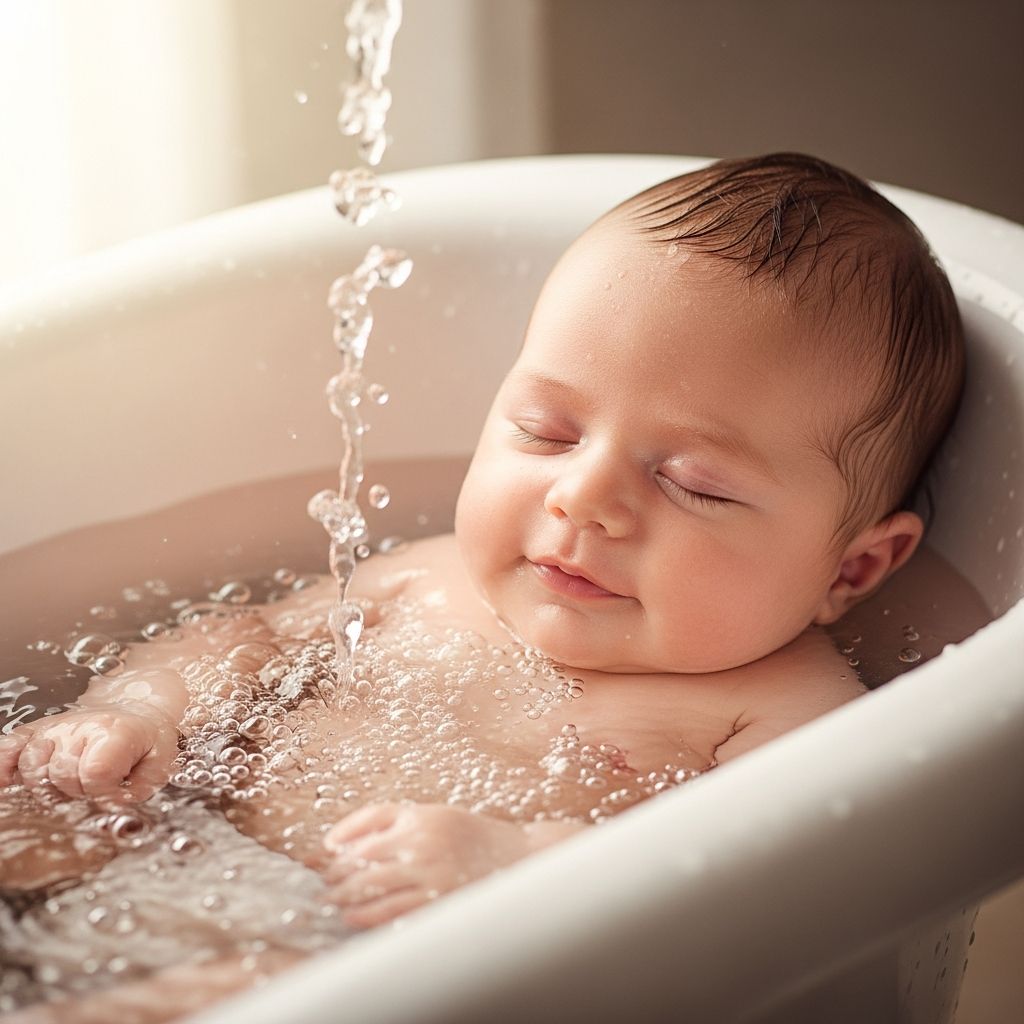
Bathing a baby can feel intimidating at first, but with the right setup, a few simple safety rules, and a calm routine, it becomes one of the sweetest parts of the day. This guide walks through everything from when to start baths to what products to use and how to make bath time relaxing instead of stressful.
Understanding Baby Bath Basics
New parents are often surprised by how little bathing a baby actually needs in the early months. Healthy full-term babies usually do well with baths two to three times per week, with gentle cleaning of the face, neck folds, and diaper area on the days in between. Frequent bathing with soap can dry delicate newborn skin, so focus on short, warm baths rather than daily scrubbing.
For newborns with an umbilical cord stump, sponge baths on a warm, flat surface are usually recommended until the cord falls off and the area is fully healed. After that, babies can transition to shallow water baths in a sink or infant tub, as long as you can maintain a secure, one-handed hold and constant supervision.
Types of Baby Baths and When to Use Them
There is no single “best” way to bathe a baby; the ideal setup depends on your baby’s age, your home, and what makes you feel most in control. Below are the most common bath types and what they’re best suited for.
Sponge Baths for Newborns
Sponge baths are surface baths given on a padded surface using a bowl of warm water and a soft cloth. They are particularly helpful in the first one to two weeks, or whenever the umbilical area or a healing circumcision needs to stay dry.
- Use a firm, flat surface like a changing table, bed, or pad on the floor.
- Keep the baby wrapped in a towel, uncovering one area at a time to wash and dry.
- Focus on creases (neck, armpits, groin) and diaper area, where residue tends to build up.
Sink Baths
Many families like to bathe young babies in a clean kitchen or bathroom sink. The height can be easier on the adult’s back, and babies may feel cozy in a smaller space.
- Line the sink with a nonslip insert, folded towel, or dedicated sink insert to prevent slipping.
- Turn off the faucet before placing the baby in the water so temperature and depth stay constant.
- Check for sharp edges, hot metal, or detergent residue before filling the basin.
Infant Tubs and Supporting Inserts
Infant tubs are small plastic tubs designed to sit in or next to a full-size tub or on a counter, often with a reclined or contoured shape to support a young baby. Some come with fabric or mesh slings to cradle newborns who cannot sit or control their heads.
- Look for a stable base, textured or contoured surface, and a shape that allows you to keep one hand on the baby at all times.
- A wide drain or pour spout can make emptying easier and safer.
- Discontinue any sling or newborn insert once your baby exceeds the weight limit or can roll.
Transitioning to the Big Bathtub
Once a baby can sit unassisted and shows good head and trunk control, many parents move to a regular bathtub with a nonslip mat. Water should still be very shallow, and close supervision remains essential.
- Place a nonslip mat in the tub and a dry, absorbent mat on the floor outside.
- Use only a few centimeters (an inch or two) of water, and keep your child seated.
- Add soft spout covers or bumpers to reduce the risk of head bumps.
Essential Baby Bath Gear (And What You Can Skip)
Baby stores are full of bath-related products, but you actually need only a handful of items to keep your baby clean and comfortable. The table below highlights what is truly useful and what tends to be optional or unnecessary.
| Item | Why It Helps | Notes |
|---|---|---|
| Infant bath tub or sink insert | Supports baby in a semi-reclined position and limits water depth for easier handling. | Choose a stable, non-inflatable design with a textured or contoured surface. |
| Soft washcloths | Gentle on delicate skin and useful for wiping eyes, face, and folds. | Keep separate cloths for diaper area versus face to avoid transferring bacteria. |
| Mild, fragrance-free baby cleanser | Cleans without stripping natural oils or irritating sensitive skin. | Often optional for newborns; warm water alone is usually enough most days. |
| Hooded towels | Helps keep baby warm after the bath and makes drying quick and easy. | Pre-warm the towel in the dryer or over a heater vent for extra comfort. |
| Bath thermometer | Gives an objective read on water temperature, reducing the risk of scalding. | Not essential if you’re confident using the wrist or elbow test, but reassuring for many families. |
Items like inflatable tubs, bath seats that promise hands-free support, and heavily scented bubble baths often sound appealing but are typically unnecessary and may add risk or irritation. A simple setup that keeps your baby supported and your hands free is usually safer and easier to maintain.
Baby Bath Safety: Non-Negotiable Rules
Water safety is the most important part of baby bath time. Babies can drown in very small amounts of water, and accidents can happen quietly and quickly, so every bath should follow the same strict safety rules.
Constant Supervision
- Never step away from a baby in the bath, not even to grab a towel or answer a message.
- Gather everything you need (towel, clean diaper, pajamas, washcloth, cleanser) before you start filling the tub.
- If you must leave the room for any reason, scoop the baby into a towel and bring them with you.
Safe Water Temperature and Depth
Keeping water both shallow and comfortably warm is essential. The water should feel warm to the inside of your wrist or elbow, never hot. Many families find it helpful to lower the home water heater setting to reduce the risk of sudden hot water surges.
- Fill the basin or tub with a small amount of water, then turn off the tap before placing your baby in.
- A shallow level—just enough to cover the lower body when the baby is reclining—is sufficient.
- Swirl the water with your hand to distribute heat evenly and check again before putting baby in.
Preventing Slips, Bumps, and Chills
- Use a nonslip surface under the baby (tub with texture, insert, or folded towel) to reduce sliding.
- Place soft covers over hard faucets and spouts where possible.
- Keep the bathroom or bathing area warm and minimize drafts to prevent chills.
Step-by-Step Newborn Bath Routine
Having a clear sequence can make bath time feel predictable and calm for both caregiver and baby. The following routine can be adapted for sponge baths or shallow tub baths, depending on your baby’s age and your pediatrician’s guidance.
- Prepare the space. Lay out a changing pad or towel for after the bath, plus a clean diaper, clothes, and a hooded towel. Place your baby’s tub or basin close enough that you can lift the baby out and into the towel without taking a step.
- Fill the bath. Add warm water to the tub or sink, testing with your wrist or elbow. Swirl to even out the temperature and keep the level low.
- Undress and wrap. Undress the baby down to the diaper if doing a sponge bath, or fully undress for a tub bath. Keep a light cloth or small towel over the chest and belly for warmth, wetting it periodically with warm water.
- Support the head and neck. Slide your forearm under the baby’s head and shoulders, using your hand to hold the upper arm on the far side. With your other hand, support the bottom and legs as you lower them into the tub, feet first.
- Wash the face first, without soap. Use a damp washcloth to gently clean around the eyes (from inner corner outward), nose, and forehead. Use a clean area of the cloth for each eye.
- Clean the scalp and hair. Wet the baby’s hair by cupping water over the head and use a tiny amount of gentle cleanser if needed. Rinse thoroughly, aiming water backward rather than toward the face.
- Wash the body. Wash the neck folds, behind the ears, under the arms, hands, and between fingers. Then gently clean the chest, belly, legs, and feet. Pay attention to skin folds where moisture can collect.
- Finish with the diaper area. For girls, wipe from front to back. For boys, follow your pediatrician’s instructions if circumcised or uncircumcised; don’t forcibly retract foreskin.
- Rinse and dry quickly. Use clean water or a fresh cloth to remove any remaining cleanser. Lift the baby out, immediately wrapping in a warm towel and patting (not rubbing) to dry, especially in creases.
- Moisturize and dress. If your baby’s skin is dry, apply a gentle, fragrance-free moisturizer while the skin is still slightly damp, then diaper and dress.
When and How Often to Bathe Your Baby
There is a wide range of normal when it comes to bath frequency, and it often depends on your baby’s skin type, climate, and lifestyle. In general, most babies do not need a full bath every day, and some may develop dry or irritated skin if bathed too often, especially with soap.
- Newborns: Two to three baths per week are usually enough, with gentle cleaning of the face and diaper area daily.
- Older babies: As babies start solids and crawling, they may need more frequent baths for practical reasons, but a short rinse without heavy soap is often adequate.
- Skin concerns: If your baby has eczema or very dry skin, your pediatrician may recommend specific bath schedules and moisturizers.
Choosing Gentle Cleansers and Skin Care
Baby skin is thinner and more sensitive than adult skin, so products should be chosen carefully. Many newborns do well with water alone for most baths, adding a small amount of mild cleanser only when needed for visible dirt, spit-up, or diaper area messes.
- Look for fragrance-free, dye-free products labeled for sensitive skin.
- Avoid harsh scrubs, adult soaps, or strong bubble baths, which can strip natural oils.
- Pat dry rather than rubbing, and apply moisturizer if the skin appears flaky or tight.
Making Bath Time Calming and Fun
Beyond cleanliness, bath time can help regulate your baby’s mood and create comforting routines. Many families use an evening bath as part of a predictable wind-down before sleep, while others find a midday bath more convenient. Either way, keeping the environment calm and warm helps babies associate the bath with relaxation rather than stress.
- Dim harsh lights and use a warm-toned lamp if possible.
- Keep voices soft and your movements slow and deliberate.
- Introduce a few simple, easy-to-clean bath toys once your baby is older and more interactive, avoiding anything mold-prone or complicated.
Adapting Bath Time as Your Baby Grows
As babies progress from newborns to curious sitters and crawlers, bath time changes from a brief cleaning session into a time for play and exploration. With each stage, adjust your setup and expectations while keeping core safety habits the same.
- Three to six months: Babies often enjoy the sensation of kicking and splashing, and short, cheerful baths can become a highlight of the day.
- Six to twelve months: Sitting babies may love pouring cups and simple toys; you may spend more time in the tub, so watch for signs of pruney, chilled skin and end the bath before your baby gets too cold or overstimulated.
- Toddlers: Older babies and toddlers need clear rules about sitting in the tub, not standing or reaching for faucets, and putting toys away when bath time ends.
Frequently Asked Questions About Baby Baths
1. When can my baby have their first real bath?
Most babies start with sponge baths until the umbilical cord stump has fallen off and the area is dry and healed, which often takes about one to two weeks. Once healed, you can move to shallow water baths in a sink or infant tub, as long as you can support the head and neck securely.
2. How long should a baby bath last?
For newborns and young babies, five to ten minutes is usually enough time to wash thoroughly before they start to cool down or become overstimulated. As babies grow and enjoy water play more, baths can be a bit longer, but watch for signs of shivering or fussiness and end the bath once your baby seems tired.
3. What if my baby cries during baths?
Some babies initially find baths overwhelming due to temperature changes, new sensations, or feeling exposed. Try warming the room, using a warm wet cloth across the chest, keeping baths short, and maintaining gentle touch and voice; many babies grow to enjoy baths as they become familiar with the routine.
4. Do I need special shampoo or can I use regular baby wash?
For most babies, a gentle, fragrance-free baby wash that is safe for hair and body is sufficient and simpler to manage with slippery hands. If your baby has cradle cap, very dry scalp, or another skin condition, your pediatrician may suggest a specific type of shampoo or routine.
5. Is it okay to bathe my baby every day?
Daily baths are not usually necessary for hygiene and may dry out some babies’ skin, but a brief daily bath can be fine if your baby’s skin tolerates it well and you use mild products. If you notice increased dryness, redness, or irritation, reduce bath frequency or the amount of cleanser used and discuss any persistent issues with your pediatrician.
Key Takeaways for Confident Bath Time
A safe, enjoyable baby bath does not require complex gear or elaborate routines. By focusing on shallow, comfortably warm water, constant supervision, and a calm, predictable sequence, you create a soothing experience that helps your baby feel secure. With practice, bath time often becomes a cherished daily or weekly ritual that supports bonding, relaxation, and healthy skin.