Parents often seek tools and products to support their children’s development and provide a sense of security during the early years. One product that has gained popularity over the decades is the infant walker—a wheeled device designed to give babies mobility while they learn to walk. However, modern pediatric research and safety data paint a concerning picture of these devices. Understanding the evidence surrounding baby walkers empowers parents to make informed decisions that prioritize their child’s safety and healthy development.
The Prevalence of Walker-Related Injuries
The statistics surrounding baby walker injuries are sobering. Each day, approximately 21 children are hospitalized with injuries directly related to baby walker use. When examined annually, this translates to thousands of emergency room visits for children under 15 months of age. What makes these figures particularly concerning is that baby walkers cause more injuries than any other nursery product on the market.
The scope of these injuries extends beyond minor bumps and bruises. Common walker-related injuries include broken bones, severe head trauma, and internal injuries. The speed at which children can move in walkers contributes significantly to injury severity. A child in a walker can move faster than three feet per second, a velocity that exceeds most adults’ reaction times, making prevention through supervision alone inadequate.
Why Walkers Increase Injury Risk
The fundamental problem with wheeled infant walkers lies in the combination of increased mobility and developmental unreadiness. Young children possess the ability to propel themselves forward in a walker long before they develop the coordination, judgment, and physical skills necessary to navigate their environment safely. This mismatch between mobility and capability creates a high-risk scenario.
Falls and Tumbles
The most common walker-related injury occurs when a child in a walker encounters stairs. Even with safety gates properly installed, falls down staircases remain the leading cause of walker injuries. The combination of speed and the child’s inability to stop themselves or climb backward creates a dangerous situation. A child can tumble down an entire flight of stairs in seconds, potentially sustaining broken bones or head injuries that require emergency intervention.
Burn Injuries
Walkers elevate children to heights they could not otherwise reach, creating access to hazards previously out of reach. A child in a walker can pull tablecloths, reach pot handles on stoves, and touch radiators, fireplaces, and space heaters. These burn injuries can be severe and require specialized medical treatment. Kitchen and bathroom environments become significantly more dangerous when a mobile child can suddenly access upper-level surfaces and appliances.
Drowning and Poisoning Risks
Children in walkers can move toward water hazards such as pools and bathtubs before caregivers have time to respond. Additionally, the increased reach allows children to grasp medications, cleaning supplies, and other toxic substances stored on shelves or countertops. These injuries, though less common than falls, represent catastrophic outcomes that effective prevention can avoid entirely.
The Supervision Paradox
A critical finding in safety research challenges a common parental assumption: most walker injuries occur while adults are present and actively watching. This surprising reality underscores a fundamental limitation of relying on supervision alone. The speed and agility that walkers provide exceed the human response time needed to prevent injury. Even vigilant, attentive caregivers cannot consistently react quickly enough to prevent a child from reaching a staircase, touching a hot surface, or encountering another hazard.
This phenomenon persists despite parental awareness. Research shows that even after a child has been injured in a walker, some parents continue using the device. Additionally, approximately 59 percent of parents reported being aware of walker dangers before any injury occurred, suggesting that knowledge alone does not necessarily translate to behavior change.
Developmental Implications of Walker Use
Beyond safety concerns, scientific evidence indicates that baby walkers do not accelerate walking development and may actually interfere with it. The American Academy of Pediatrics has documented that walkers do not help children walk sooner. In fact, research suggests that excessive walker use may delay the age at which children achieve developmental milestones including crawling, standing, and independent walking.
This delay occurs because walkers reduce the incentive for children to engage in the foundational motor skills necessary for walking. When a child can move about freely in a walker, they have less motivation to practice pulling themselves upright, balancing independently, or taking supported steps. Natural motor development requires children to struggle, fall, problem-solve, and gradually build the muscle strength and neural patterns needed for walking. Walkers bypass these essential developmental processes.
Regulatory Responses and Safety Standards
Recognizing the persistent injury problem, regulatory agencies and pediatric organizations have implemented measures to reduce walker-related harms. The Consumer Product Safety Commission has established safety standards for infant walkers in the United States, effective since 1997. These standards require walkers to be manufactured with increased width so they cannot fit through doorways—an important feature that limits staircase access.
Additionally, newer walkers may include braking systems designed to prevent rolling in certain situations. However, these modifications, while helpful, have not eliminated walker injuries entirely. Some countries have taken more aggressive approaches, implementing bans or severe restrictions on wheeled infant walker sales. Despite these interventions, the American Academy of Pediatrics has recommended a complete ban on mobile walker sales, reflecting the medical consensus that the injury risks outweigh any benefits.
Making Your Environment Walker-Safe
If you choose to use a baby walker despite medical recommendations, implementing comprehensive safety measures becomes essential. A multi-layered approach to prevention significantly reduces—though does not eliminate—injury risk.
Environmental Modifications
- Install safety gates at the top and bottom of all staircases, ensuring they are properly secured according to manufacturer specifications and checked regularly for functionality
- Remove floor hazards including electrical cords, loose rugs, small toys, and any objects that could cause the walker to tip over
- Establish walker zones by designating specific flat, open areas where walker use is permitted and using barriers to prevent access to high-risk areas
- Restrict access to kitchens and bathrooms where hot liquids, appliances, and water hazards pose serious risks
- Secure furniture that could tip if pulled by a mobile child
- Keep hot items away from table edges and ensure pot handles point inward on stovetops
Equipment Selection and Maintenance
When selecting a walker, examine safety features carefully. Look for anti-flip mechanisms, particularly if you have uneven flooring, and choose models with brakes or stoppers designed to prevent rolling toward stairs or hazards. Ensure the walker size matches your child’s measurements, allowing feet to rest flat on the ground with comfortable posture. Inspect the walker before each use, checking for loose parts, damage, or mechanical problems.
Duration and Supervision Guidelines
Limit walker use to short, supervised sessions of 15-20 minutes at a time, no more than twice daily. Never leave a child in a walker unattended, and maintain constant visual contact during use. Implement consistent supervision even in supposedly safe environments, as accidents can occur unexpectedly.
Safer Alternatives for Supporting Development
Rather than relying on baby walkers, parents can employ numerous evidence-based alternatives that support motor development safely and effectively:
- Tummy time strengthens neck, shoulder, and arm muscles necessary for crawling and self-propulsion
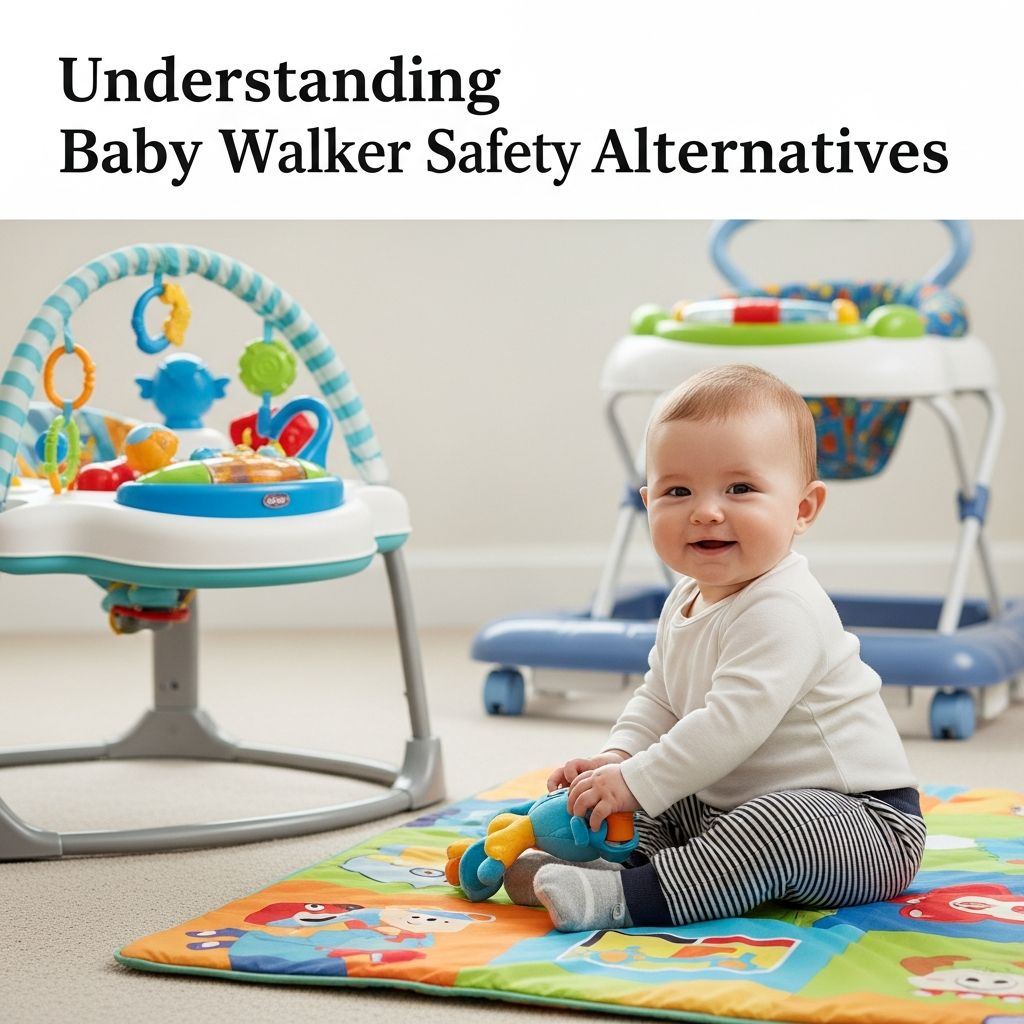
- Floor play in safe, supervised spaces allows children to explore movement at their own pace
- Assisted standing using parent hands or stable furniture enables children to practice weight-bearing and balance
- Push toys (non-wheeled, stationary designs) provide support for children practicing walking without creating mobility hazards
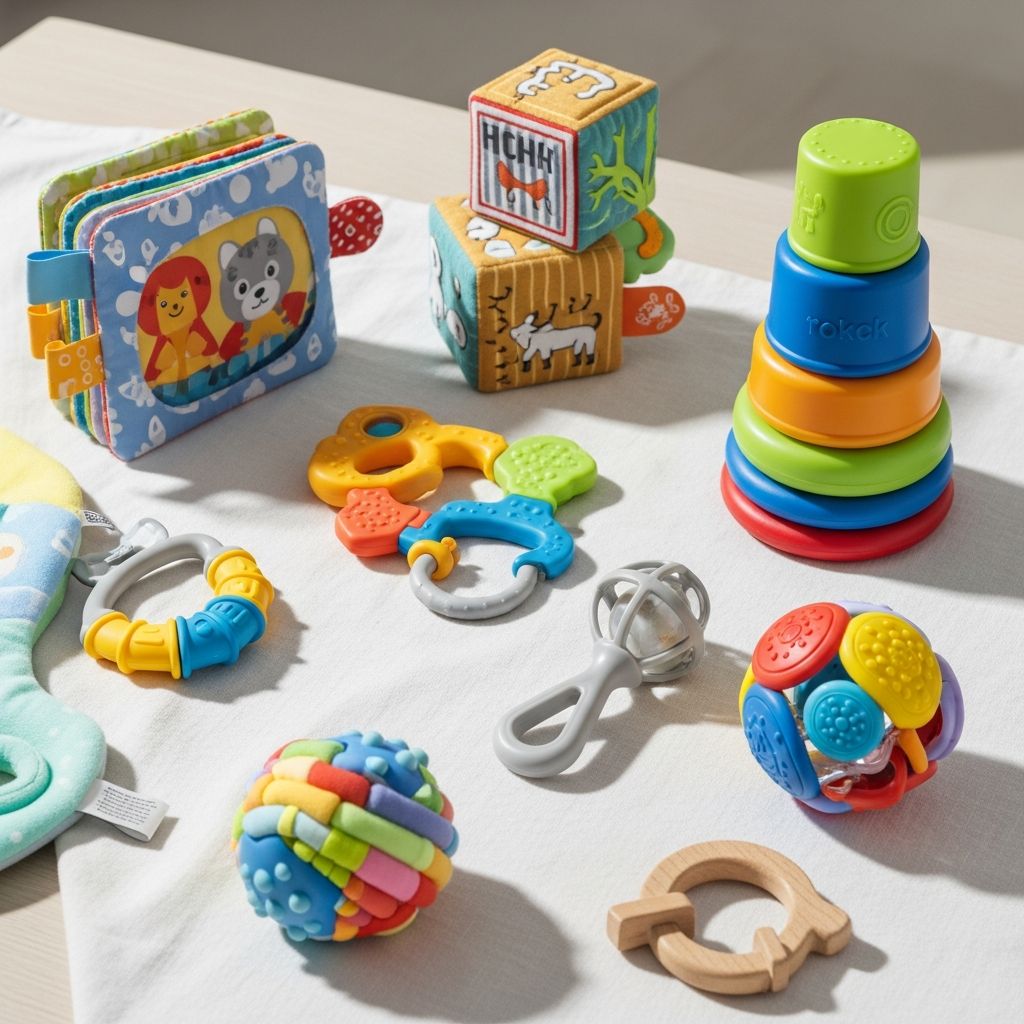
- Soft play equipment specifically designed for infants allows safe exploration of movement
- Interactive play encourages reaching, grasping, and crawling movements that build necessary motor skills
Common Questions Parents Ask
Will my baby fall behind developmentally if I don’t use a walker?
No. Research consistently demonstrates that walkers neither accelerate development nor provide advantages over floor play and natural exploration. Children develop walking skills through natural progression at varying ages, typically between 12-18 months. Walkers do not influence this timeline positively and may delay milestone achievement.
What if I use a walker only briefly and under close supervision?
While limiting duration and maintaining supervision reduces risk, these precautions do not eliminate danger. Most injuries occur in the presence of adults precisely because supervision cannot be perfectly reliable given the speed of walkers. Medical organizations recommend avoiding walkers entirely rather than attempting to use them safely.
Are the newer walker models with safety features truly safe?
Modern safety standards have reduced some injury mechanisms, but safer does not equal safe. Anti-tip mechanisms, wider designs, and brakes all represent improvements, yet walker-related injuries persist despite these features. The fundamental problem—children having mobility they are developmentally unready to manage—remains unchanged.
How can I help my baby learn to walk?
Encourage cruising along furniture, practice assisted standing with your hands, provide ample floor time for crawling and exploration, and celebrate each developmental milestone. Your responsive presence and encouragement matter far more than any device. These natural, supported approaches build the confidence and skills children need for independent walking.
Should I use a walker if childcare providers have them available?
Research the safety practices of any childcare setting. Request that walkers not be used for your child, and ensure that in-home care providers understand your preferences regarding developmental tools and safety practices. Consistency across all environments where your child spends time reinforces safety and developmental approaches.
Conclusion and Recommendations
Baby walkers represent a clear example of how seemingly helpful products can create unintended harms. The accumulation of safety data, injury statistics, and developmental research supports a straightforward conclusion: wheeled infant walkers carry significant risks that substantially outweigh any perceived benefits. The American Academy of Pediatrics’ recommendation against walker use reflects this evidence-based position.
Parents seeking to support their child’s development and ensure safety should prioritize floor play, supervised exploration, and natural motor skill progression. These approaches cost nothing, require no special equipment, and provide genuine developmental benefits alongside complete safety. By choosing safer alternatives, parents can give their children the freedom to explore, grow, and develop walking skills in ways that respect both their safety and their developmental needs.
References
- Prevention of Injuries Caused by Use of Infant Walkers — American Academy of Family Physicians. 2002-03-01. https://www.aafp.org/pubs/afp/issues/2002/0301/p959.html
- Baby Walker Safety Facts — Children’s Hospital of Philadelphia, Injury Prevention Program. Accessed 2026-01-17. https://www.chop.edu/centers-programs/injury-prevention-program/baby-walker-safety
- Baby Walkers: A Dangerous Choice — American Academy of Pediatrics HealthyChildren.org. https://www.healthychildren.org/English/safety-prevention/at-home/Pages/baby-walkers-a-dangerous-choice.aspx
- Baby Walkers: Important Safety Information — Mission Viejo Pediatrics. https://www.miabellapediatrics.com/safety/Baby-Walkers-What-You-Need-to-Know
- Safety Advice for Babies on the Move — Sunshine Health. https://www.wellcarenc.com/members/medicaid/helpful-tips-information/family-planning-services/healthy-mom-and-babies/walking.html
- Infant Walkers Business Guidance — U.S. Consumer Product Safety Commission. https://www.cpsc.gov/Business–Manufacturing/Business-Education/Business-Guidance/Infant-Walkers