When news broke that a new Home Alone project would move forward without Macaulay Culkin in the lead, it was not just another reboot announcement; it was a challenge to a shared piece of holiday history. Fans responded with petitions, social campaigns, and passionate debates about who truly “owns” a classic: the studio that financed it or the audience that kept it alive.
The Heart of a Holiday Classic
The original Home Alone films became more than slapstick Christmas comedies; they turned into a seasonal ritual. For many families, watching Kevin McCallister outwit hapless burglars is as essential as decorating a tree or drinking hot chocolate. The movie’s mix of chaotic humor and genuine warmth made it part of the emotional fabric of the holidays.
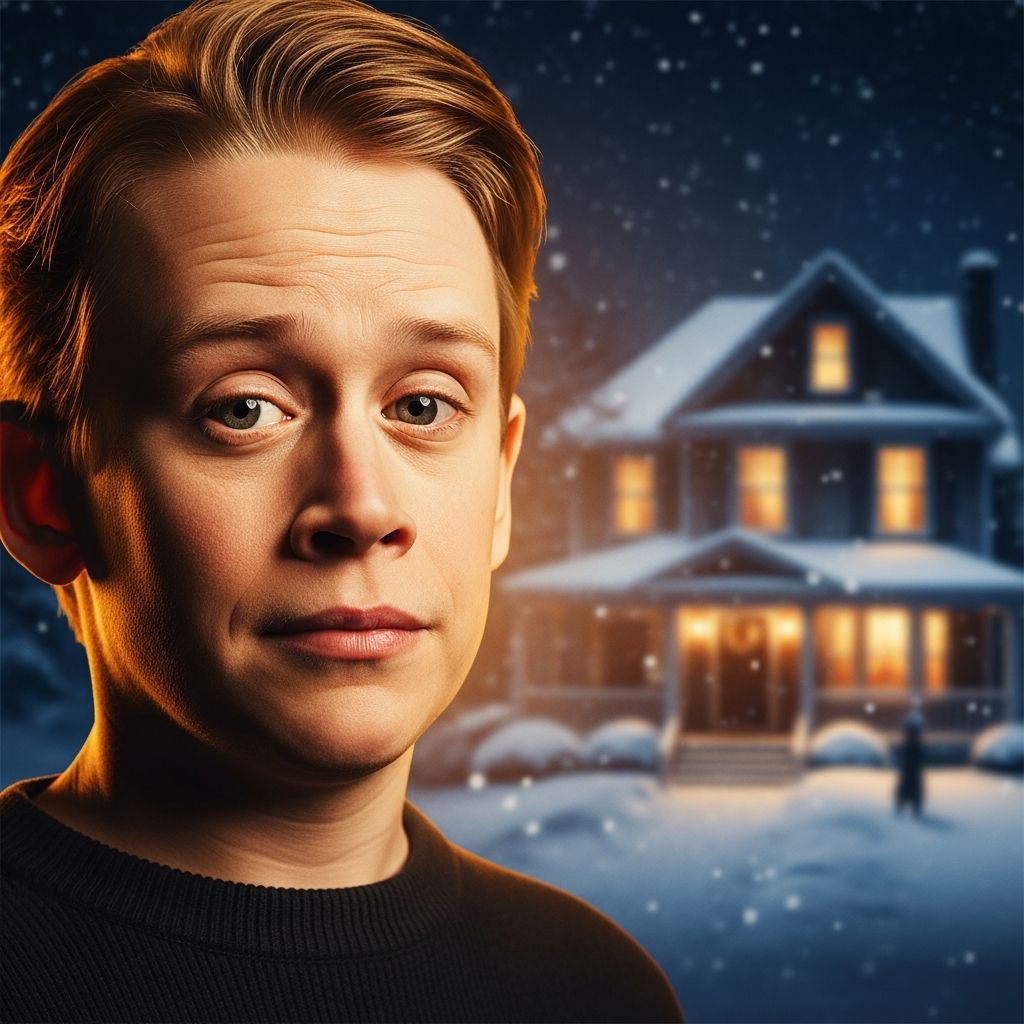
Macaulay Culkin’s performance is central to that legacy. His version of Kevin is mischievous but vulnerable, resourceful but still undeniably a kid. Removing that presence from the equation, at least in the minds of many fans, risks turning a cherished memory into just another corporate product.
- Families rewatch Home Alone as an annual tradition, not just a random movie night.
- Kevin McCallister symbolizes independence, cleverness, and the fantasy of a kid finally being taken seriously.
- Macaulay Culkin became synonymous with 1990s childhood and holiday nostalgia.
Reboots, Remakes, and Fan Fatigue
Hollywood’s obsession with reboots is nothing new. Studios mine recognizable brands because familiar titles reduce financial risk, especially in an era when streaming and social media have fragmented audiences. That strategy, however, comes at a cost. Every reboot chips away at the sense that stories are created out of passion rather than spreadsheets.
Fans have started to push back against this pattern. The resistance to a Home Alone reboot is tied to a larger frustration: the feeling that original stories are being sidelined in favor of endlessly recycled intellectual property. When a franchise that helped define childhood is reimagined without its original heart, the backlash feels almost inevitable.
- Reboots are often seen as safer financial bets than entirely new concepts.
- Long-time fans may feel sidelined when studios ignore continuity and emotional history.
- The announcement of a reboot can trigger immediate skepticism, especially online.
Why Macaulay Culkin Matters So Much
At first glance, a reboot without the original child star might seem reasonable. After all, decades have passed, and the story of a kid left home alone might logically center on a new family. But this overlooks how strongly fans connect the franchise to one specific face and performance. For them, Home Alone without Macaulay Culkin feels like a band touring without its lead singer.
Part of Culkin’s enduring appeal is the way his career mirrors the audience’s own growth. People who watched Home Alone as kids are now adults with families of their own. Inviting Culkin back into the story, perhaps as an older Kevin dealing with his own children, feels like the natural evolution of that shared journey.
| Aspect | Meaning for the Audience |
|---|---|
| Childhood identity | A reminder of growing up in the 1990s and early 2000s, when the film became a holiday staple. |
| Iconic performance | A blend of innocence and mischief that shaped the entire tone of the franchise. |
| Continuity | A living connection between the original movies and any modern continuation of the story. |
| Nostalgia anchor | A familiar face that makes returning to the world of Home Alone feel comforting instead of jarring. |
Petitions as Modern Fan Protest
In previous decades, fans who disliked a creative decision had limited options: write letters, complain to friends, or quietly stop watching. Today, online petitions let discontent coalesce into large, visible numbers. Within hours of controversial announcements, campaigns can gather tens of thousands of signatures demanding a change of course.
These petitions serve several purposes. They act as a rallying point for frustrated fans, a way to communicate clear expectations to studios, and a public record of how many people care about a given issue. They may not always reverse decisions, but they can influence marketing strategies, casting considerations, and even whether a project moves forward as originally conceived.
- Petitions provide a measurable signal of fan interest or disapproval.
- Social media amplification turns niche frustrations into trending topics.
- Studios monitor online sentiment more closely than ever before.
The Emotional Logic Behind the Backlash
From a purely rational viewpoint, a reboot is just another version of a story. The original still exists, untouched, on streaming services and physical media. Yet fans rarely think about beloved films in such detached terms. To many viewers, classics feel like part of their personal history; altering them without care feels like rewriting a chapter of their own lives.
When people sign a petition asking for Macaulay Culkin to return, they are often asking for more than just a casting choice. They are asking Hollywood to recognize that these stories are not just assets on a balance sheet but emotional touchstones that helped shape who they became.
- Fans project their own childhood memories onto Kevin’s adventures.
- Recasting or reimagining the story can feel like an attack on those memories.
- Backlash is often fueled by fear that the new version will overwrite the emotional legacy of the original.
Could a Mature Kevin McCallister Story Work?
One of the most intriguing fan ideas is not to repeat the original premise, but to expand it. Instead of pretending the earlier movies did not happen, a new film could imagine Kevin as an adult shaped by his childhood adventures. Maybe he became a home security expert, a quirky inventor, or a parent determined never to repeat his own parents’ mistakes.
This kind of continuation respects both nostalgia and growth. It allows longtime fans to reconnect with the character they love while inviting new audiences into a fresh chapter. Rather than a strict reboot, it becomes a generational story about how a single chaotic Christmas changed the trajectory of an entire family.
- Adult Kevin could mentor a new child protagonist, bridging old and new fans.
- The tone could balance slapstick traps with more emotionally grounded storytelling.
- Returning cast members would deepen the sense of continuity and payoff.
What Studios Risk by Ignoring Nostalgia
Studios sometimes underestimate how central trust is to long-running franchises. When fans feel heard and respected, they will follow a series in surprising new directions. When they feel dismissed, they may not only skip the reboot but also become vocal critics, discouraging more casual viewers from giving it a chance.
Ignoring the emotional stakes attached to a property like Home Alone is risky. Nostalgia does not just drive viewership; it drives word-of-mouth, merchandise sales, and cross-generational enthusiasm. Keeping that goodwill intact can be more valuable in the long term than a single short-term reboot experiment.
| Studio Choice | Short-Term Result | Long-Term Impact |
|---|---|---|
| Proceed with reboot without original star | Publicity driven by controversy, moderate curiosity viewership | Eroded trust, reduced interest in future installments |
| Engage fans, adjust casting or concept | Production delays, higher upfront negotiation costs | Stronger loyalty, better franchise health over time |
| Develop legacy sequel with returning cast | High anticipation and free marketing via fan enthusiasm | Increased potential for new traditions and spin-offs |
Lessons From Other Fan Victories
The Home Alone reboot debate does not exist in a vacuum. Other franchises have shown that fan pressure can change outcomes, from redesigned characters in blockbuster films to restored versions of controversial cuts. These cases demonstrate that studios are aware of the risks of ignoring a passionate audience.
However, fan victory is not guaranteed. Petitions and campaigns are most effective when they align with business incentives, critical reception, and the studio’s long-term plans. The debate around Macaulay Culkin’s potential return highlights a broader negotiation between creators and consumers about who ultimately steers a franchise.
- Public backlash can force studios to reconsider creative directions.
- Constructive fan campaigns are more persuasive than purely hostile ones.
- Studios balance fan wishes with budget, contracts, and brand strategy.
How Fans Can Channel Their Passion Productively
Disagreement with a reboot does not have to devolve into harassment or negativity. Fans who care deeply about Home Alone can use their passion to advocate for thoughtful storytelling instead. That can mean signing petitions, yes, but also writing respectful open letters, supporting projects that do nostalgia well, and amplifying creators who treat classic material with care.
Ultimately, fan communities have more power than they often realize. By making clear what they want—not just what they oppose—they can help shape future adaptations. The loudest message does not have to be “no reboot ever”; it can be “if you return to this world, do it with honesty, creativity, and respect for the character who started it all.”
- Support legacy sequels and reimaginings that honor original characters.
- Use social platforms to share well-argued critiques instead of personal attacks.
- Encourage studios to involve original cast members as consultants or mentors.
Frequently Asked Questions
Why are fans so against a Home Alone reboot?
Many fans are less opposed to the idea of revisiting the Home Alone universe and more upset about doing it in a way that ignores the emotional core of the original films. To them, a reboot without Macaulay Culkin feels like erasing the very elements that turned the movie into a holiday tradition in the first place.
Would bringing back Macaulay Culkin solve everything?
His return would not automatically guarantee success, but it would signal that the studio respects the legacy of the character and the audience’s connection to him. The real key is pairing his presence with a smart, heartfelt story that allows both Kevin and the fans who grew up with him to evolve.
Are online petitions actually effective?
Petitions rarely force a studio to reverse a decision on their own, but they can influence how a project is marketed, whether certain talent is approached, and how future installments are planned. They function as one part of a broader ecosystem of fan feedback that studios increasingly monitor.
Could a new Home Alone movie work without Kevin McCallister at all?
In theory, yes, especially if it introduces compelling new characters and a fresh angle on the concept of being “home alone.” In practice, many fans feel that using the brand name without any link to Kevin or the original cast undermines what made the franchise resonate in the first place.
What is the best path forward for the franchise?
The most promising direction would likely be a legacy sequel that brings back Macaulay Culkin in a meaningful role while introducing a new generation of characters. This approach blends continuity with innovation, reassuring long-time fans while giving newcomers their own story to connect with.
Whether or not studios ultimately change course, the uproar over a Home Alone reboot without Macaulay Culkin shows how deeply audiences invest in certain stories. The debate is not just about one movie; it is about how modern culture treats the icons that define entire eras of childhood and family life.