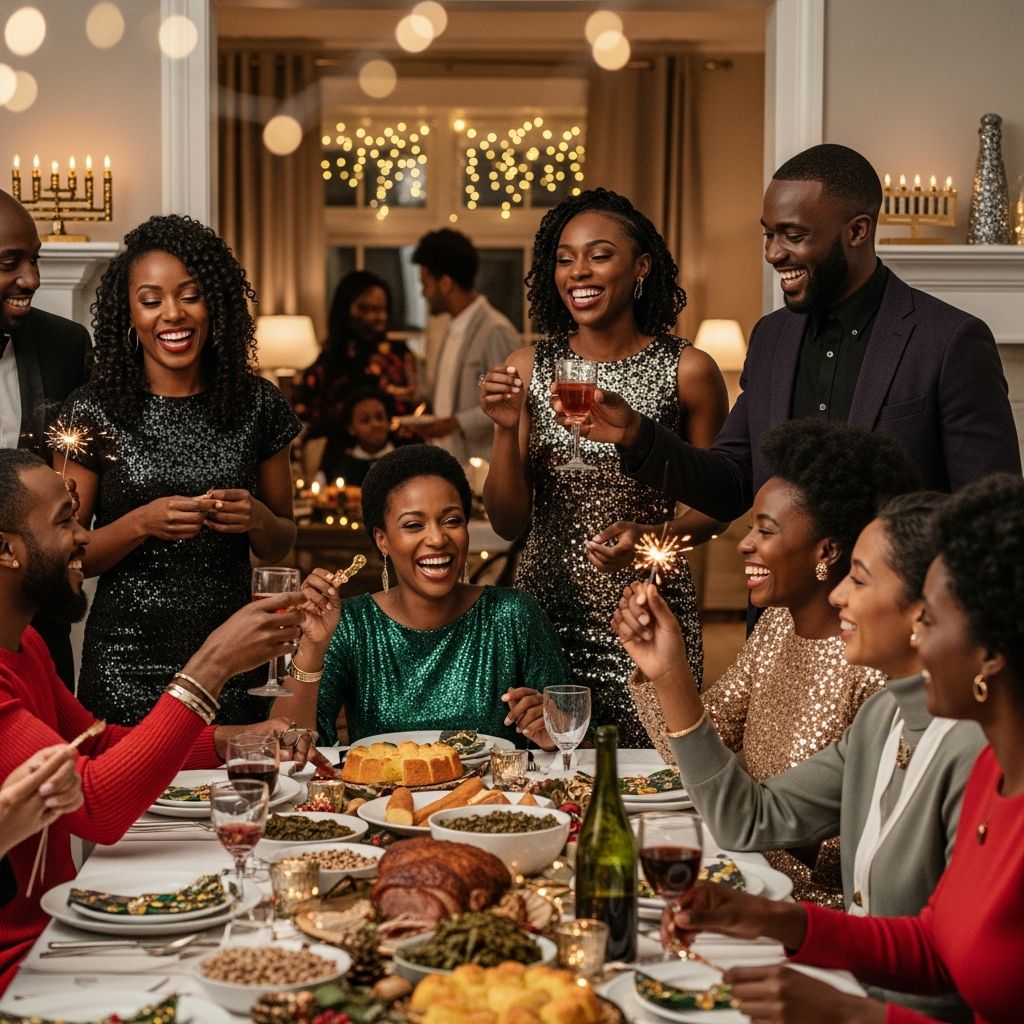
African American communities have long embraced distinctive New Year’s Eve and Day practices that weave together history, spirituality, and optimism. These customs, passed down through generations, transform the transition into the new year into a profound celebration of endurance and aspiration.
Roots in History: From Enslavement to Empowerment
The foundations of these traditions trace back to the era of enslavement in the United States. Enslaved Africans creatively turned scant resources into symbols of hope. Plantation leftovers like black-eyed peas, sturdy greens, and pork became emblems of fortune and forward momentum, reflecting ingenuity amid hardship.
Historians note that these foods were not mere sustenance but carried deeper meanings. Pork, from animals that root forward, signified progress, while greens evoked cash notes, promising financial growth. This resourcefulness ensured cultural continuity, even under oppression.
By the 19th century, these practices evolved into communal events. The anticipation of emancipation amplified their significance, turning ordinary meals into rituals of liberation.
Watch Night: A Vigil for Freedom and Faith
Central to Black New Year’s Eve is Watch Night, or Freedom’s Eve, commemorating December 31, 1862. Enslaved people gathered that night, awaiting the Emancipation Proclamation’s activation at midnight on January 1, 1863. Churches nationwide continue this vigil with prayers, hymns, and reflections on past struggles and future triumphs.
Modern observances blend worship with community festivities. Congregations in places like Landover, Maryland, host events featuring gospel music, meals, and gifts, reinforcing bonds and optimism. Leaders emphasize that ushering in the year with praise sets a positive course.
- Prayer sessions for personal and collective blessings
- Gospel performances and communal singing
- Distribution of food and presents to families
- Midnight countdown marking renewal
Symbolic Feast: Foods That Promise Prosperity
No Black New Year’s celebration is complete without a table laden with purpose-driven dishes. Each component carries symbolism tied to luck, wealth, and abundance, rooted in Southern culinary heritage.
| Dish | Symbolism | Key Ingredients |
|---|---|---|
| Black-Eyed Peas (Hoppin’ John) | Good luck and resilience | Peas, rice, pork |
| Collard Greens | Financial wealth | Greens, ham hocks, smoked turkey |
| Cornbread | Prosperity and gold | Cornmeal, honey, butter |
| Pork | Progress and abundance | Hocks, chops, or bacon |
Hoppin’ John, a stew of black-eyed peas and rice, embodies survival. Some families add a coin to the pot; finding it foretells exceptional fortune. Exactly 365 peas—one per day—amplifies luck. Greens, simmered low and slow, mimic folded bills, with darker pots signaling richer yields. Cornbread’s golden hue evokes coins, while pork ensures steady advancement, avoiding backward-moving seafood like shrimp.
Additional fare includes fish for fertility, its scales like treasure, and sweets like sweet potato pie for a joyful year. Beverages such as champagne toast fresh starts at midnight.
Making Joyful Noise: Warding Off Negativity
As clocks strike twelve, banging pots and pans echoes through neighborhoods, a lively custom from 16th-17th century African diaspora influences in Cuba and the Caribbean. Enslaved people used kitchen tools to celebrate and repel evil spirits, securing a pure start to the year.
This auditory ritual persists, especially on the West Coast, blending with fireworks. It symbolizes communal exuberance and protection, turning sound into a shield against misfortune.
Kwanzaa Crescendo: Closing the Holiday Season
New Year’s Day concludes Kwanzaa, founded in 1966 amid the Black Freedom Movement. This seven-day observance honors Nguzo Saba principles like unity and creativity through kinara lighting, storytelling, and feasts. Communities in Los Angeles’ Leimert Park feature drums and dances, merging African roots with American innovation.
Final Kwanzaa meals often incorporate New Year’s symbols, linking cultural pride to prosperity rites.
Modern Adaptations and Family Innovations
While core elements endure, families personalize traditions. Some eat greens precisely at midnight or hide coins in cornbread. Urban celebrations might swap fresh pork for smoked alternatives, maintaining essence.
These practices foster intergenerational bonds, teaching youth about resilience. In tough times, they remind communities of ancestral triumphs, fueling hope.
Global Echoes in the African Diaspora
Similar customs span the diaspora. Ghanaians don white for purity on New Year’s Eve, while Haitians savor soup joumou, symbolizing independence. These parallels highlight shared themes of survival and renewal.
Frequently Asked Questions
What is the origin of eating black-eyed peas on New Year’s?
Black-eyed peas stem from enslaved Africans using plantation castoffs, symbolizing luck and swelling like prosperity.
Why avoid shrimp or crab in New Year’s meals?
Seafood moving backward represents regression; forward-moving pork is preferred for progress.
How does Watch Night connect to emancipation?
It recalls December 31, 1862, when enslaved people awaited the Emancipation Proclamation.
What does banging pots signify?
It wards off evil spirits, originating from African diaspora celebrations with kitchenware.
Is Kwanzaa part of New Year’s traditions?
Yes, it ends on January 1, blending cultural principles with prosperity foods.
Preserving Legacy for Future Generations
These traditions transcend superstition, embodying Black excellence in adversity. By partaking, families honor forebears and envision brighter tomorrows. In 2026 and beyond, they remain vital threads in the cultural tapestry, inspiring unity and ambition.
References
- Black Traditions for the New Year: Thinking Forward — Washington Informer. 2024-12-28. https://www.washingtoninformer.com/african-american-holiday-traditions/
- New Year’s Traditions in Black Homes Are a Celebration of Survival — Capital B News. 2024-12-30. https://capitalbnews.org/black-eyed-peas-collard-greens-black-new-years/
- African-American New Year Traditions — Evolved Teacher. 2023-12-29. https://www.evolvedteacher.com/blog/african-american-new-year-traditions
- Good Fortune On A Plate: Inside Black New Year’s Food Traditions — Black Enterprise. 2024-12-30. https://www.blackenterprise.com/black-new-years-eve-food/
- Traditional Black Southern New Year’s Day Meal — Dash of Jazz. 2023-12-28. https://www.dashofjazz.com/traditional-black-southern-new-years-day-meal/
- The Historical Legacy of Watch Night — National Museum of African American History and Culture (nmaahc.si.edu). 2023-01-01. https://nmaahc.si.edu/explore/stories/historical-legacy-watch-night
- New Year’s Tradition: Blackness, Resilience, and the Power of Food — Blue Marble Review. 2024-12-29. https://bluemarblereview.com/new-years-tradition-blackness-resilience-and-the-power-of-food/