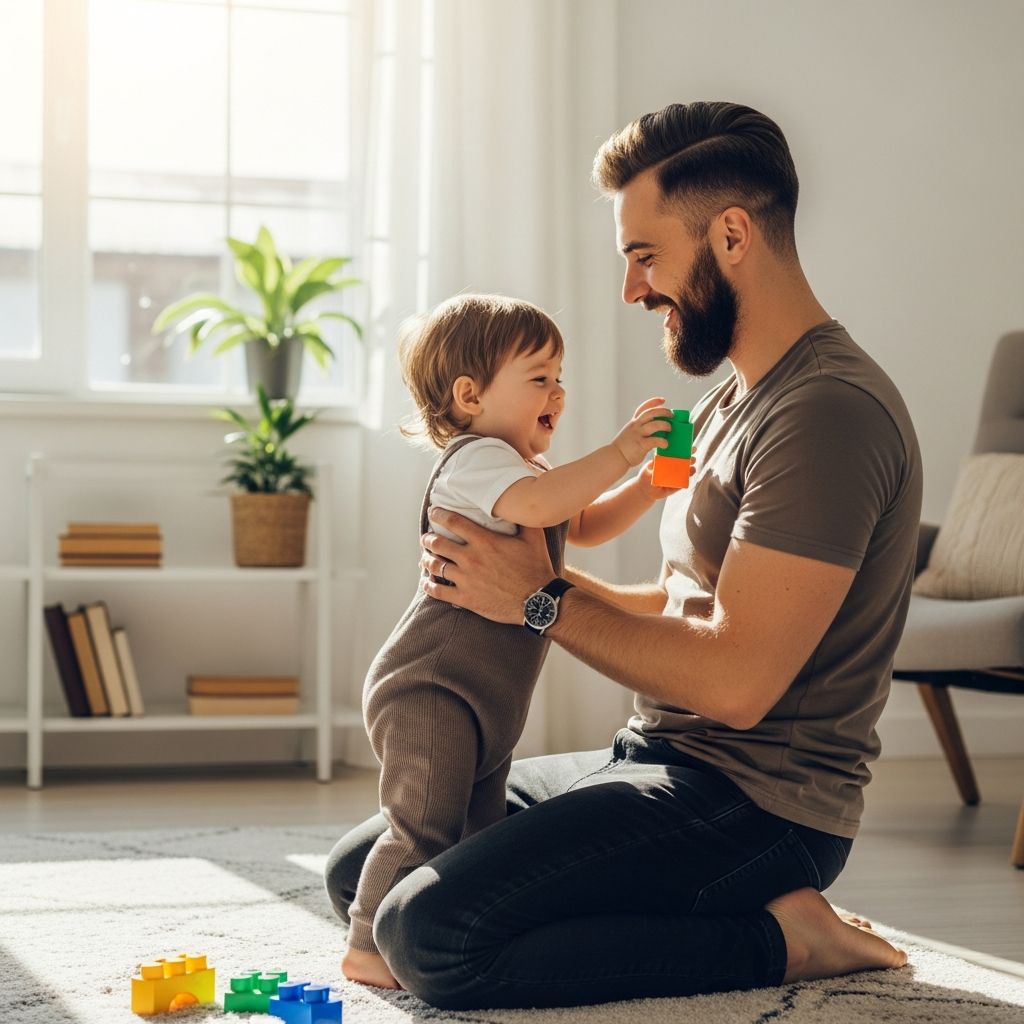
Today’s millennial fathers are leading a quiet revolution in family life, dedicating far more time to their children than any previous generation. Studies show they invest triple the hours in childcare compared to dads from the 1960s, shifting away from outdated stereotypes toward hands-on partnership. This change reflects broader societal evolution, where fathers prioritize presence over provision alone, fostering deeper emotional connections and balanced homes.
The Surge in Hands-On Fatherhood
Millennial dads are not just physically present; they actively engage in every aspect of child-rearing. From attending doctor’s appointments to coaching sports teams, their involvement marks a departure from the ‘provider-only’ model of past decades. Data indicates only 3% of current fathers have never changed a diaper, a dramatic 40% drop since 1982. This statistic underscores a commitment to shared responsibilities, allowing mothers to share the load and reducing burnout across the family.
Key drivers include evolving workplace policies and cultural shifts. A striking 83% of millennials view strong parental leave as essential when selecting employers, pushing companies to adapt. This demand ensures fathers can bond early, establishing routines that extend beyond infancy into school years and beyond.
- Daily Engagement: Attending school events, helping with homework, and bedtime stories build trust and routine.
- Practical Skills: Cooking meals, laundry, and household chores teach children independence.
- Playtime Focus: Outdoor activities and games promote physical health and creativity.
Breaking Free from Traditional Gender Roles
Historical norms confined fathers to breadwinning, leaving childcare to mothers. Millennial fathers reject this divide, embracing a team approach. Interviews reveal dads who homeschool, manage schedules, and support partners equally, creating equitable households. This partnership strengthens family resilience, as both parents model collaboration for children.
The impact extends to child development. Research from family health experts highlights that involved fathers improve cognitive outcomes, emotional regulation, and social skills in kids. By ditching rigid roles, millennial dads cultivate environments where children witness mutual respect and shared effort.
| Era | Average Childcare Hours/Week (Fathers) | Key Characteristics |
|---|---|---|
| 1960s | ~2-4 hours | Provider-focused, minimal daily involvement |
| 1980s | ~10 hours | Diaper-changing rare (43% never did) |
| 2020s (Millennials) | ~16+ hours (triple 1960s) | Full participation, emotional support |
This table illustrates the progression, sourced from longitudinal studies on paternal involvement.
Emotional Intelligence: A New Frontier for Dads
Beyond tasks, millennial fathers emphasize mental health. While one in four dads avoid discussing emotions with friends, and only 29% feel comfortable expressing them, younger generations are changing this. Over 55% of millennials and Gen Z have sought therapy, normalizing vulnerability. Fathers now model emotional literacy, discussing feelings during family talks, which equips kids for life’s challenges.
This openness counters past stoicism. Dads share stories of embracing ‘chaos and cuddles,’ validating joy and struggle alike. Such practices reduce stigma, promoting family-wide well-being.
Aligning with Broader Millennial Parenting Shifts
Millennial parents, including dads, are ditching rigid trends for authentic approaches. They’re rejecting helicopter parenting—constant hovering that stifles independence—in favor of guided freedom. Allowing kids to walk to a friend’s house or handle small tasks builds confidence.
Other abandoned practices include overly complex chore systems and vilifying boundaries like ‘no’ or brief time-outs. Modern dads use these tools thoughtfully: short breaks with explanation help kids self-regulate, followed by discussion. Homes reflect real life too—no more hiding toys or artwork for aesthetic perfection. Dads lead by letting mess coexist with order, teaching balance.
- Rejecting Perfectionism: Prioritizing connection over Instagram-worthy setups.
- Encouraging Autonomy: Kids pour cereal, fold laundry, or pack lunches early on.
- Flexible Routines: Screens and activities serve mental health, not rigid rules.
Financial foresight ties in, with parents saving intentionally for kids’ futures, viewing it as emotional investment.
Work-Life Harmony and Policy Demands
Balancing careers with family requires systemic change. Millennial dads set boundaries, prioritizing presence amid hustle culture. Their advocacy for leave policies influences corporate America, benefiting all parents.
Challenges persist: societal judgment and workplace resistance. Yet, success stories abound—dads thriving in dual-income homes, kids flourishing from dual involvement.
Long-Term Benefits for Families and Society
Involved fathers yield healthier outcomes. Children of engaged dads show better academic performance, fewer behavioral issues, and stronger relationships in adulthood. Families report higher satisfaction, with reduced parental stress.
Societally, this shift promotes gender equity, preparing kids for diverse roles. As 2026 approaches, these trends solidify, with millennial parents crafting sustainable, inclusive futures.
Frequently Asked Questions
What time commitment sets millennial dads apart?
They spend about triple the childcare time of 1960s fathers, averaging over 16 hours weekly on direct care.
Are millennial dads comfortable with emotional talks?
Progressing rapidly; 55% of millennials/Gen Z have tried therapy, opening dialogues on mental health.
How do they handle discipline differently?
Using context-rich time-outs and firm boundaries like ‘no,’ focusing on teaching over punishment.
What’s changing in home environments?
Embracing kid-centric spaces with toys and art visible, rejecting ‘beige’ perfection.
Do they prioritize financial planning?
Yes, integrating savings as part of holistic child preparation.
This evolution in fatherhood promises empowered families. Millennial dads exemplify intentional parenting, blending involvement, emotion, and realism for tomorrow’s generation.
References
- Millennial Parents Are Breaking Old Parenting Norms — UNest. 2026 (approx.). https://unest.co/millennial-parents-ditching-old-trends-2026/
- Millennial Dads: Redefining Fatherhood — Ivanhoe Broadcast News. 2024 (recent study referenced). https://www.ivanhoe.com/family-health/millennial-dads-redefining-fatherhood/
- 11 Parenting Trends Millennials Are Ditching In 2026 — Scary Mommy. 2025-2026. https://www.scarymommy.com/parenting/parenting-trends-millennials-are-ditching-in-2026
- Millennial Dads: Redefining Fatherhood (Video Transcript) — Ivanhoe Newswire via YouTube. 2024. https://www.youtube.com/watch?v=06R7BjzbOV8