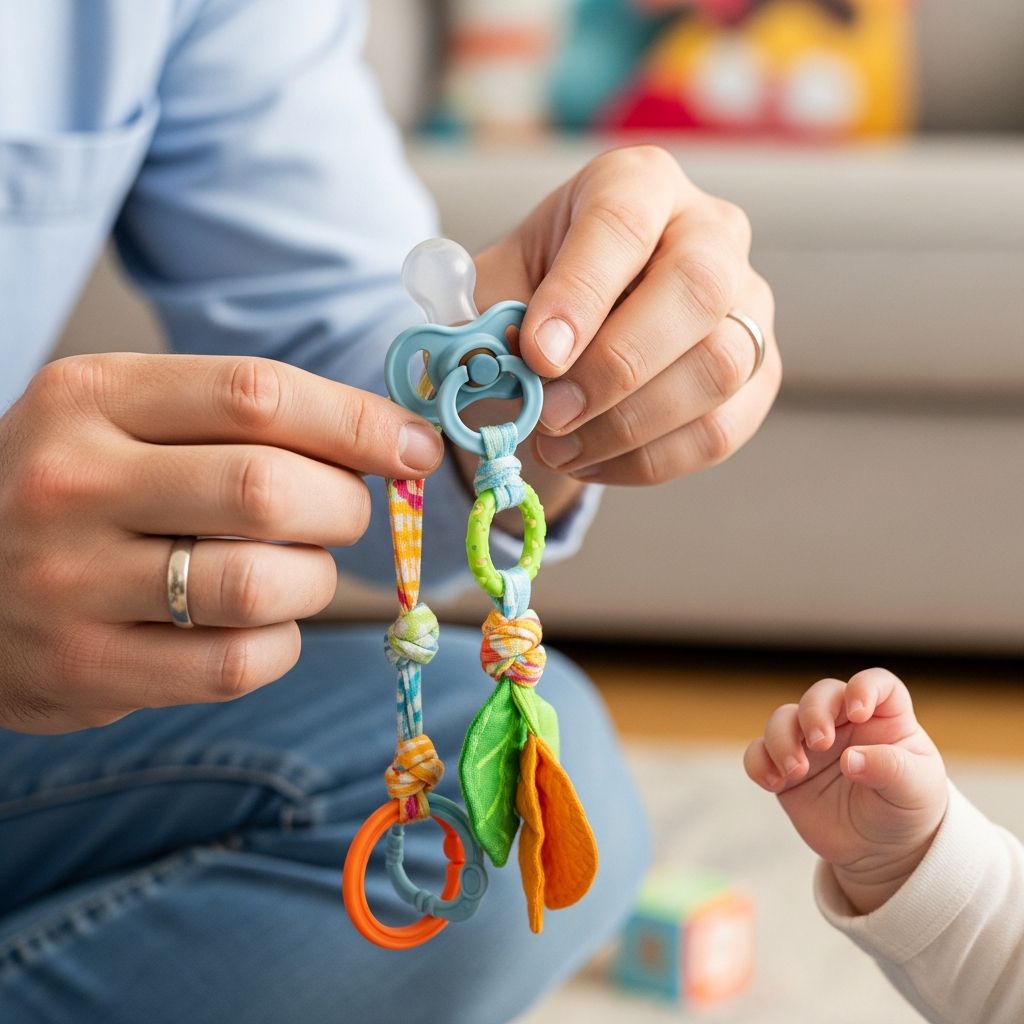
The Essential Role of Community in Motherhood and Career
The intersection of professional ambition and parenting responsibilities creates a unique set of pressures that many women face daily. Working mothers navigate complex scheduling, emotional labor, and societal expectations with remarkable resilience. Yet, despite their capabilities, many working mothers attempt to manage these demands in isolation, believing that seeking support signals weakness or inadequacy. This perspective overlooks a fundamental truth: thriving in both work and motherhood requires intentional connection with others who understand the nuanced challenges of straddling these two demanding roles.
The concept of a supportive community—often referred to as a “tribe” or “village”—has become increasingly recognized as essential infrastructure for working mothers. Research and personal narratives consistently demonstrate that women who cultivate meaningful connections with other mothers experience reduced stress, increased confidence, and better overall well-being. This foundational support system extends beyond casual friendship; it represents a deliberate network of individuals who provide practical assistance, emotional validation, and shared understanding during both celebratory and challenging seasons of motherhood.
Understanding the Unique Pressures Working Mothers Face
Working mothers encounter pressures that differ significantly from those experienced by stay-at-home parents or childless professionals. The constant mental load of coordinating childcare, managing work deadlines, attending school events, and maintaining household operations creates a distinctive form of stress. Additionally, working mothers often internalize conflicting messages about their roles—they may feel pressure to excel professionally while simultaneously being judged for time spent away from children. This cognitive dissonance can contribute to feelings of inadequacy and isolation.
The complexity intensifies when considering factors such as career advancement aspirations, financial necessity, personal fulfillment, and cultural expectations. Many working mothers experience what researchers term “role conflict,” where the demands of one domain seem incompatible with the demands of another. Without access to a community of women navigating similar terrain, these pressures can feel overwhelming and insurmountable. A strong support network provides perspective, normalizes the challenges, and demonstrates practical solutions that others have successfully implemented.
The Psychological and Practical Benefits of Connection
Research on maternal well-being consistently demonstrates that social connection buffers against depression, anxiety, and burnout. When working mothers connect with peers facing comparable challenges, they experience validation and recognition that their struggles are not personal failures but rather predictable outcomes of attempting to excel in multiple demanding domains simultaneously. This validation alone provides psychological relief and can shift how mothers perceive their circumstances.
Beyond the emotional benefits, a functional community offers concrete, practical advantages. Mothers within these networks share resources, recommendations for childcare providers, strategies for managing work-from-home arrangements, advice about navigating workplace policies, and solutions to common parenting dilemmas. They exchange recommendations for pediatricians, schools, and family-friendly employers. They provide emergency childcare when unexpected situations arise, offer meals during particularly demanding work periods, and create accountability structures for personal wellness. These tangible exchanges transform abstract support into actionable help that materially improves daily life.
Furthermore, community connection combats the isolation that many working mothers experience. The ability to communicate openly about struggles, celebrate victories, and receive encouragement from women who genuinely understand creates a sense of belonging that cannot be replicated through online resources or traditional support systems. This belonging is not merely psychologically comforting; it has measurable effects on mental health, resilience, and overall life satisfaction.
Strategic Approaches to Identifying Your Existing Networks
Many working mothers overlook the informal networks already functioning within their lives. Before investing energy in creating new connections, it proves valuable to identify and strengthen existing relationships. These hidden networks often operate through subtle channels—email groups, casual conversations, or recognized individuals within organizations who naturally mentor others.
Within workplaces, for example, informal networks of working mothers may already exist. A human resources department might have an undocumented group of women who share secondhand clothing or swap recommendations about managing parental leave. A finance team might have an established mentor figure to whom other working mothers naturally gravitate for guidance. Identifying these existing structures and expanding them into more formal, intentional networks amplifies their effectiveness without requiring the creation of something entirely new.
Similarly, examining your current social landscape reveals potential connection points. Parents you know through your children’s schools, members of your religious community, colleagues from work, friends from college, and neighbors all represent potential expanded networks. The foundation for meaningful connection already exists; the challenge involves intentionally cultivating these relationships through dedicated effort and strategic engagement.
Creating Intentional Community Structures
Once you’ve identified existing networks and recognized gaps, creating intentional community structures provides a framework for sustained connection. This might involve organizing regular gatherings—whether monthly dinner meetings, quarterly professional development events, or informal coffee conversations. The specific format matters less than consistency and clear purpose.
Digital platforms offer flexible alternatives for time-constrained professionals. Virtual meetings accommodate various schedules and geographic limitations. Text-based group chats enable asynchronous communication where mothers share updates, ask questions, and provide support at times convenient for their individual schedules. Video conferences allow face-to-face connection without travel time. Email newsletters or shared documents can compile resources and recommendations in centralized locations. These digital structures complement rather than replace in-person connection, creating multiple channels through which community members interact.
Workplace initiatives represent particularly promising venues for community building. Progressive organizations recognize that supporting working mothers benefits overall employee retention and satisfaction. Establishing official working-mothers’ networks, hosting lunch-and-learn sessions focused on relevant topics, creating mentorship programs pairing experienced mothers with those new to managing career and family, and facilitating discussion groups around work-life integration all provide organizational scaffolding for community connection.
Leveraging Multiple Community Environments
Effective community building recognizes that no single group can meet all needs. A working mother benefits from diverse communities serving different functions. Professional networks provide career guidance and advancement opportunities. Parenting communities offer childcare strategies and developmental information. Faith-based communities provide spiritual foundation and often organized practical support. Fitness and wellness communities support physical health while providing social connection. Interest-based groups—book clubs, hobby groups, volunteer organizations—create informal connection around shared passion.
This multi-faceted approach to community prevents overreliance on any single group and ensures that diverse needs are met. A working mother might find professional advancement guidance through a workplace women’s leadership network, parenting advice through a neighborhood mothers’ group, spiritual nourishment through church participation, fitness accountability through a gym community, and adult conversation and laughter through a book club. Together, these diverse communities create a comprehensive support ecosystem.
Navigating Digital Spaces for Connection
Digital platforms have democratized community building, enabling working mothers geographically dispersed to connect around shared experiences. Social media platforms host thousands of private groups dedicated to working mothers, working parents, specific industries’ professionals who parent, and mothers navigating particular challenges. These digital communities offer advantages including 24-hour availability, anonymity for sensitive discussions, access to diverse perspectives, and the ability to engage at one’s own pace without time constraints.
However, digital community requires intentional navigation. The most functional online communities establish clear guidelines, maintain engaged moderation, welcome both advice-seeking and resource-sharing, and cultivate psychological safety where members feel comfortable being vulnerable. Communities that devolve into complaint loops without solution-orientation or that lack moderation resulting in spam and negativity provide limited genuine support. Evaluating whether a digital community genuinely meets your needs—rather than consuming time while creating stress—ensures productive engagement.
Maintaining Connection During High-Pressure Periods
Ironically, the times when working mothers most desperately need community support are precisely when tight schedules make participation difficult. Major work projects, challenging parenting phases, transitions in employment, or family crises strain time availability. Without intentional strategies, community connections can atrophy precisely when they’re most needed.
One effective approach involves establishing flexible engagement models. Rather than requiring consistent in-person attendance, community structures can accommodate varying levels of participation. A mother managing a high-pressure project might observe rather than actively participate in discussions for several weeks, knowing she can reengage when circumstances shift. Digital check-ins require minimal time yet maintain connection—a brief text message, a social media comment, or a quick email affirm ongoing relationship without demanding substantial time investment.
Recognizing that relationships survive inconsistent participation if the underlying connection remains genuine provides important permission. True community members understand that working mothers’ capacities fluctuate. Rather than demanding constant engagement, mature community relationships accommodate these natural rhythms while maintaining openness for when the individual can reinvest time and energy.
Expanding Your Network: Strategic Engagement
Building community extends beyond existing circles to include intentional expansion strategies. This might involve volunteering in organizations serving families, joining professional associations within your industry, participating in school committees and organizations, attending industry conferences or networking events, or joining interest-based organizations aligned with your values and hobbies.
These expansion strategies offer dual benefits: they contribute meaningfully to your broader community while simultaneously creating organic opportunities to meet like-minded individuals. Volunteering at your child’s school or participating in parent-teacher organizations connects you with parents sharing similar children’s educational contexts. Industry conferences introduce you to women navigating similar career challenges. Hobby-based organizations attract individuals with shared interests and often similar life stages. Strategic engagement positions you to build meaningful relationships within natural, authentic contexts rather than through forced networking.
Contributing Authentically to Your Community
Healthy communities function through reciprocal exchange rather than one-directional support. Each member possesses unique skills, experiences, and resources that benefit others. One mother might excel at organizational logistics and offer to coordinate group functions. Another might provide professional expertise in a relevant field. Still another might possess exceptional listening skills and become a person to whom others naturally turn for counsel. A different individual might maintain detailed calendars or coordinate schedules. By recognizing and offering your particular strengths, you transition from merely receiving support to actively contributing to community functioning.
This reciprocal participation creates stronger, more sustainable communities. Everyone experiences periods when they need more support and periods when they can offer more. As long as contributions and needs balance across time, the community remains healthy and individuals feel valued for their contributions rather than guilty about accepting support.
Frequently Asked Questions
How do I find a mom group if I’ve just moved to a new area?
Several avenues facilitate connection in new communities. Search for Facebook groups dedicated to parents in your area, inquire at local libraries about parenting programs or community gatherings, attend events at your child’s school, explore faith communities if you practice religion, visit local parks and connect with parents you encounter, or search online platforms connecting parents in specific geographic areas. Many communities have organizations specifically designed to help new residents build connections.
What if I’m introverted or have social anxiety about joining groups?
Community building doesn’t require high levels of social performance. Start with small interactions—attend one event and observe, invite one person to coffee, or join an online community where you can participate asynchronously without real-time social demands. Many introverts find one-on-one connections more comfortable than large groups. You might also discover that groups focused on shared interests or purposes feel less pressure-laden than generic social gatherings. Remember that many community members share similar nervousness about joining new groups.
How do I maintain friendships with pre-motherhood friends while building new community connections?
Intentional communication preserves existing relationships even as you develop new ones. Schedule regular check-ins, share what’s currently consuming your time and energy, and express your continued interest in the friendship. Some pre-motherhood friendships may evolve rather than continue identically; this is normal. Others may maintain strong connection precisely because of their non-parental focus. Both patterns are healthy—the key involves conscious choice rather than allowing friendships to fade through neglect.
What should I do if I’m not compatible with available community options?
If existing groups don’t serve your needs, consider initiating a group aligned with your specific interests or values. You might start a small informal group of working mothers in your industry, establish a gathering of mothers navigating specific parenting challenges, or create a community around a shared hobby or interest. Many powerful communities begin with one person identifying a gap and inviting a few others to fill it.
How do I balance community investment with protecting personal time and energy?
Community engagement should enhance rather than depletes your well-being. Establish realistic participation levels aligned with your current capacity. You might deeply engage with one primary community while maintaining lighter involvement with others. Permission to step back temporarily during demanding periods prevents burnout. Effective communities recognize that members have competing demands and accommodate varying levels of participation without judgment.
Conclusion: The Ripple Effects of Connection
Building and maintaining a supportive community represents one of the highest-impact investments a working mother can make. Unlike many demands competing for attention, community investment directly enhances capacity and well-being, creating cascading benefits throughout all life domains. Mothers who feel genuinely supported experience reduced stress, greater confidence, more sustainable work performance, and healthier family relationships. They model for their children the importance of connection and demonstrate that reaching out for help represents strength rather than weakness.
The journey of working motherhood need not be solitary. By identifying existing networks, creating intentional structures for connection, engaging with multiple communities serving different functions, and contributing authentically to these groups, working mothers can build the comprehensive support systems that enable them to thrive. This collective approach to motherhood and career fulfillment represents not a luxury or indulgence, but rather an essential foundation for sustainable success and well-being.
References
- Mom Tribe: How To Build a Strong Support Network While Juggling Work and Family — Fab Working Mom Life. Accessed April 2, 2026. https://www.fabworkingmomlife.com/mom-tribe-how-to-build-a-strong-support-network-while-juggling-work-and-family/
- Working Moms Need Community — Rockstar Career Moms. Accessed April 2, 2026. https://rockstarcareermoms.com/working-moms-need-community/
- Working Moms Need Mom Friends Too — Motherly. Accessed April 2, 2026. https://www.mother.ly/career-money/work-and-motherhood/working-moms-need-mom-tribe/
- Working Mom Tribes: Empowering and Supporting Working Mothers — Working Mom Tribes. Accessed April 2, 2026. https://workingmomstribe.org