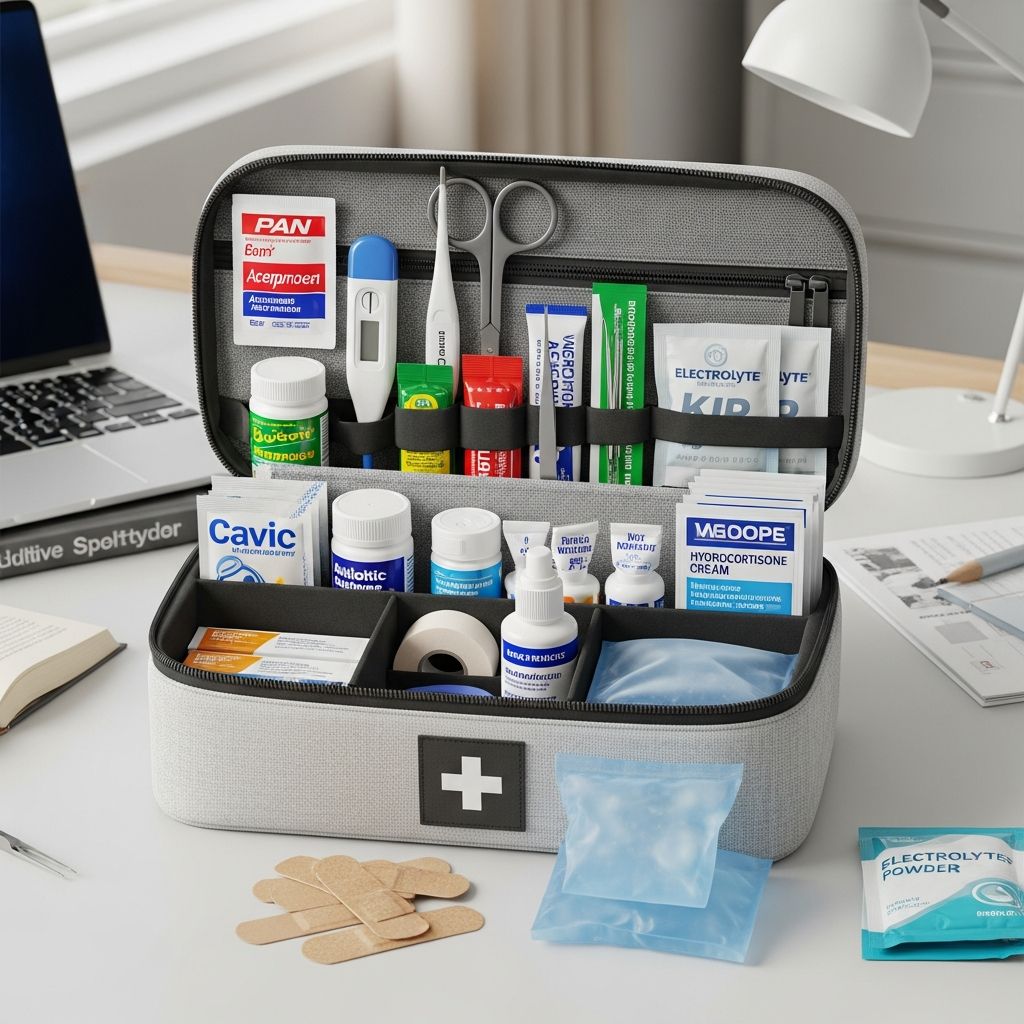
Prom night marks a significant milestone for teenagers, filled with excitement, glamour, and social opportunities. However, it also presents unique risks such as impaired driving, substance use, and peer pressure. Parents play a crucial role in guiding their teens toward safe, responsible choices. This guide outlines comprehensive strategies drawn from expert recommendations to help you prepare effectively, balancing fun with security.
Building a Solid Foundation Through Open Communication
Effective preparation begins weeks before prom. Initiate conversations that emphasize safety without diminishing the event’s appeal. Start by expressing enthusiasm for their big night, then transition to practical discussions. Ask open-ended questions like, “What are you most looking forward to?” or “How do you plan to handle unexpected changes?” This approach builds trust and encourages honest dialogue.
Discuss potential challenges head-on, including alcohol offers, drug temptations, or pressure for intimate encounters. Role-play scenarios to equip them with refusal skills. Reassure them that calling for a ride incurs no judgment—your priority is their well-being. Such preemptive talks empower teens to make sound decisions under pressure.
- Schedule a dedicated pre-prom meeting to review expectations.
- Share personal stories of youthful mishaps to normalize caution.
- Listen to their concerns, validating feelings to strengthen your bond.
Crafting a Detailed Itinerary for the Entire Evening
A comprehensive schedule is non-negotiable. Require your teen to provide a full rundown: prom venue and times, pre-prom dinners, after-parties, transportation details, and contact numbers for all locations. No alterations without prior parental approval—this rule prevents impulsive detours.
Verify after-prom events by contacting hosting parents or organizers. Confirm adult supervision, alcohol policies, and guest lists. Opt for school-sponsored activities, which often include safety measures like breathalyzers or chaperones. If house parties are involved, inquire about house rules and overnight arrangements.
| Time Slot | Activity | Location | Contact/Supervisor |
|---|---|---|---|
| 6:00 PM | Pre-prom photos/dinner | Friend’s home | Parent Jane Doe – 555-0123 |
| 8:00 PM – 11:00 PM | Prom | School Gym | School staff |
| 11:30 PM – 2:00 AM | After-party | Community center | Adult chaperone group |
| 2:30 AM | Return home | Home | You |
Use a shared document or app for real-time updates, ensuring everyone stays aligned.
Transportation: The Cornerstone of Safety
Vehicle safety demands scrutiny. Identify drivers in advance and assess their reliability—check licenses, experience, and sobriety plans. Prohibit riding with anyone suspected of impairment. Promote alternatives like limos, but vet companies for policies on seatbelts, minors, and substances.
Enforce passenger limits per seatbelt laws. Discuss distractions: no phones, makeup, or rowdy behavior. If your teen drives, review routes and impose a no-alcohol rule with vehicle searches if needed. Provide backup transport options, reinforcing that parental pickup is always available.
- Meet the prom date and driving group beforehand.
- Install a family tracking app with consent.
- Set group chat with all parents for coordination.
Establishing Clear Boundaries and Consequences
Collaborate on a curfew that accommodates events while prioritizing rest—typically 1-2 AM for after-parties. Frame rules as mutual agreements: “We trust you to enjoy responsibly, and we’ll support you.” Outline repercussions for violations, like grounding or losing privileges, discussed calmly in advance.
Address digital risks: warn against posting compromising content, as colleges monitor social media and may rescind offers. Prom-proof your home by securing alcohol, prescriptions, and monitoring pre/post gatherings. If hosting, require parental confirmations and stay vigilant overnight.
Emergency Preparedness: Codes and Check-Ins
Develop a discreet signal—an emoji, phrase, or code word—for distress situations. This allows discreet requests for rescue without peer embarrassment. Mandate check-ins at set intervals: post-prom, midnight, and arrival home. Stay awake and responsive until they’re safe.
Prepare for crises: know nearest hospitals, have ICE contacts ready, and review school policies on searches or ejections. Empower teens with assertiveness training for saying no to risks.
Fostering Respect and Healthy Relationships
Prom often involves dates, so reinforce consent, respect, and boundaries. Teach chivalrous behaviors like polite ordering or door-holding, countering peer norms. Discuss pressures for physical intimacy, stressing that true enjoyment stems from mutual comfort, not obligation.
Encourage group-focused fun over couple isolation, reducing vulnerability. Post-event debriefs turn experiences into growth opportunities.
Coordinating with the Community
Don’t parent in isolation—connect with other families via group chats or meetings. Share itineraries, align on rules, and pool resources for safe events. Liaise with school officials for prom details: dress codes, chaperones, security. United fronts amplify safety.
Post-Prom Reflection and Long-Term Lessons
The morning after, discuss highlights and challenges without immediate judgment. Celebrate responsible choices and analyze missteps constructively. This reinforces accountability, preparing them for future independence.
Frequently Asked Questions (FAQs)
Should I ever revoke prom privileges as punishment?
Revocation should be a last resort for serious issues, as prom is a rare rite. Use it sparingly to avoid resentment; focus on restorative discussions instead.
What if plans change last-minute?
Insist on advance notice via call or text. Have contingency plans ready, prioritizing safety over spontaneity.
Is it okay to host a post-prom party?
Yes, if supervised strictly: no substances, parental calls required, and no driving allowed until morning.
How do I talk about sex and alcohol without awkwardness?
Normalize via facts and stories, framing as care: “I want your night to end with great memories, not regrets.”
What are signs of trouble during check-ins?
Vague responses, delays, or code words signal issues—act swiftly with pickup offers.
By implementing these strategies, parents can transform prom from a worry-filled night into a positive milestone. Prioritize preparation, communication, and trust to create lasting, safe memories.
References
- Keeping Your Child Safe Around Prom and Graduation Time — Cady Inc. Accessed 2026. https://cadyinc.org/resources/get-the-facts/keeping-your-child-safe-around-prom-and-graduation-time/
- Ensuring Your Teen’s Safety at Prom and School Dances — Parenting.org. Accessed 2026. https://www.parenting.org/blog/teen-safety-prom-school-dances
- 10 Prom Night Tips for Parents — FamilyEducation. Accessed 2026. https://www.familyeducation.com/teens/social-development/10-prom-night-tips-parents
- Tips to keep your teen safe on prom night — J&G Law. Accessed 2026. https://www.jglaw.law/tips-to-keep-your-teen-safe-on-prom-night/
- Parent’s Guide to Prom — Prevention Council. Accessed 2026. https://preventioncouncil.org/parents-guide-to-prom/
- A Parent’s Guide to Prom — Lifeway. Accessed 2026. https://www.lifeway.com/articles/parenting-teens-a-parents-guide-to-prom