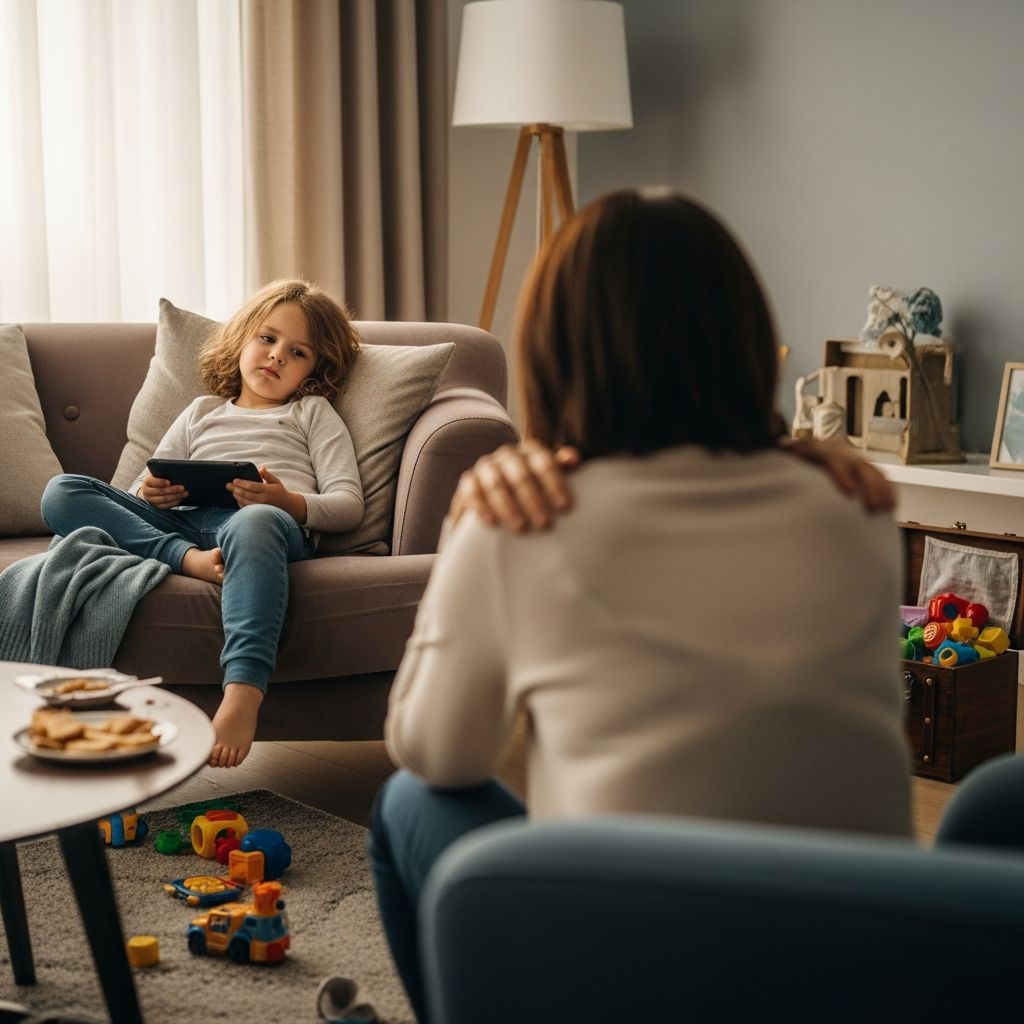
Raising children without the involvement of grandparents presents unique hurdles, yet many families adapt and flourish by forging new paths of support and resilience. This comprehensive guide delves into the emotional, logistical, and developmental aspects of this experience, offering actionable insights for parents navigating life without that traditional extended family backup.
Understanding the Shift in Modern Family Dynamics
Today’s families often span great distances due to career demands, migration patterns, or personal choices, leaving parents to manage child-rearing without nearby relatives. Geographic separation means video calls replace hands-on help, creating a sense of disconnection despite technological bridges. Research highlights how this evolution impacts both parents and children, with grandparents traditionally providing not just childcare but also emotional grounding and cultural continuity.
Statistics reveal that a notable portion of U.S. children grow up in arrangements where grandparents are absent from daily life, amplifying feelings of isolation for nuclear families. This trend is exacerbated by changing societal norms, where younger generations prioritize independence and differing parenting philosophies, sometimes leading to reduced intergenerational involvement.
Emotional Toll on Parents: Isolation and Burnout
Without family nearby, parents frequently grapple with heightened anxiety, depression, and burnout. The constant juggling of work, household duties, and childcare leaves little room for personal recharge, fostering resentment and relational strain. Parents describe a pervasive ‘no room for error’ mindset, where illnesses or school closures demand immediate, solo rearrangements.
- Daily Exhaustion: No quick drop-offs at a relative’s home mean extended solo parenting shifts.
- Emotional Isolation: Lacking casual chats or shared meals with family intensifies stress.
- Relationship Pressure: Couples may ‘tag-team’ duties, deferring fatigue rather than alleviating it.
One common sentiment echoes the African proverb ‘It takes a village to raise a child,’ now reframed as ‘Where is my village?’ This void can erode confidence, yet acknowledging it is the first step toward empowerment.
Financial Pressures of Going It Alone
The absence of free family labor translates directly to higher costs. Childcare expenses skyrocket without built-in babysitters for evenings, weekends, or emergencies. Families report paying premiums for any semblance of downtime, turning ‘free time’ into a luxury purchase.
| Expense Category | With Family Support | Without Family Support |
|---|---|---|
| Weekly Childcare | $0 (grandparents help) | $200–$500 |
| Emergency Care | Free relative backup | $100+ per incident |
| Child-Free Outings | Often feasible | Rare or one-parent only |
| Annual Total Impact | Minimal | $10,000+ |
These figures underscore the economic strain, particularly for single parents or dual-income households striving for balance.
Impact on Children’s Development and Bonds
Children miss out on spontaneous intergenerational connections that foster empathy, wisdom-sharing, and emotional security. Studies show strong grandparent-grandchild ties correlate with lower depression risks in adulthood, highlighting a potential void in emotional health.
Shy reunions during rare visits reveal how distance hinders relationship-building, even with consistent virtual efforts. Kids may cling during in-person meetings, underscoring the value of regular, physical presence for deep bonds.
Practical Strategies to Build Your Own Village
Resilient parents proactively cultivate alternatives, turning isolation into intentional community-building.
- Local Networks: Join parent groups, playgroups, or co-ops for reciprocal childcare and camaraderie.
- Professional Help: Invest in vetted sitters or nanny-shares to mimic family reliability.
- Digital Tools: Maximize apps for playdate swaps and community forums, bridging gaps creatively.
- School and Community: Engage teachers, neighbors, and faith groups for extended support webs.
One parent shared forging bonds at playgrounds, evolving strangers into a chosen family. Trusting instincts while seeking connections reinforces self-sufficiency alongside interdependence.
Cultivating Intergenerational Connections Remotely
When physical proximity isn’t possible, virtual strategies help sustain ties. Scheduled video storytimes or shared online games build familiarity. Parents encourage grandparents to mail care packages or personalized videos, creating tangible links.
- Weekly themed calls (e.g., ‘Grandma’s cooking demo’).
- Family history sharing via recorded stories.
- Collaborative projects, like joint art sent back-and-forth.
These methods mitigate shyness during visits and preserve heritage, ensuring children feel connected despite miles apart.
Mental Health Resilience for Solo Parents
Prioritizing self-care combats burnout. Short daily rituals—like 10-minute meditations or quick walks—replenish energy. Therapy tailored to parental isolation addresses anxiety roots, while peer support groups validate experiences.
Couples benefit from open dialogues about load-sharing, preventing resentment buildup. Celebrating small wins fosters a positive mindset amid challenges.
Policy and Community Gaps: Advocating for Change
Many families slip through support cracks, especially informal kin caregivers facing poverty, health issues, and legal hurdles. Only a fraction access entitled aid, urging better outreach and tailored policies. Parents can advocate locally for subsidized childcare or grandfamily programs.
Frequently Asked Questions
How do I cope with parenting envy toward families with grandparent help?
Reframe envy as a signal to build your network. Focus on your strengths and join communities of similar parents for shared understanding.
Can virtual grandparent interactions replace in-person ones?
They can’t fully substitute but significantly help. Consistency in calls and mailed mementos strengthens bonds over time.
What if my children ask about missing grandparents?
Be honest yet positive: explain distance or circumstances, emphasize love, and introduce ‘bonus grandparents’ from your village.
Is it common to raise kids without family nearby?
Yes, modern mobility makes it prevalent. Millions adapt successfully by innovating support systems.
How can I afford childcare without family?
Explore subsidies, bartering with neighbors, employer benefits, or part-time co-ops to ease costs.
Fostering Long-Term Family Resilience
Ultimately, parenting without grandparents hones adaptability and creativity. Children learn self-reliance and diverse relationships from these environments. By embracing the challenge, parents model perseverance, crafting fulfilling family narratives beyond traditional structures.
(Word count: 1678)
References
- The Challenges Faced by Grandparents Who Raise Grandchildren Alone — Scholars Strategy Network. 2015. https://scholars.org/brief/challenges-faced-grandparents-who-raise-grandchildren-alone
- Where is my Village? The Mental Health Challenges of Parenting Without Family Support — Cornerstone Mental Health. N/A. https://cornerstone-mentalhealth.com/where-is-my-village-the-mental-health-challenges-of-parenting-without-family-support/
- Raising a Child Without Family Support — The Bump. N/A. https://www.thebump.com/a/raising-child-without-family-support
- Raising A Child Without a Village — MyKindaMum. N/A. https://www.mykindamum.com/blog/raising-a-child-without-a-village
- My Kids Don’t Have Any Grandparents and It’s Left a Void — Business Insider. 2024-04. https://www.businessinsider.com/kids-no-grandparents-void-community-2024-4