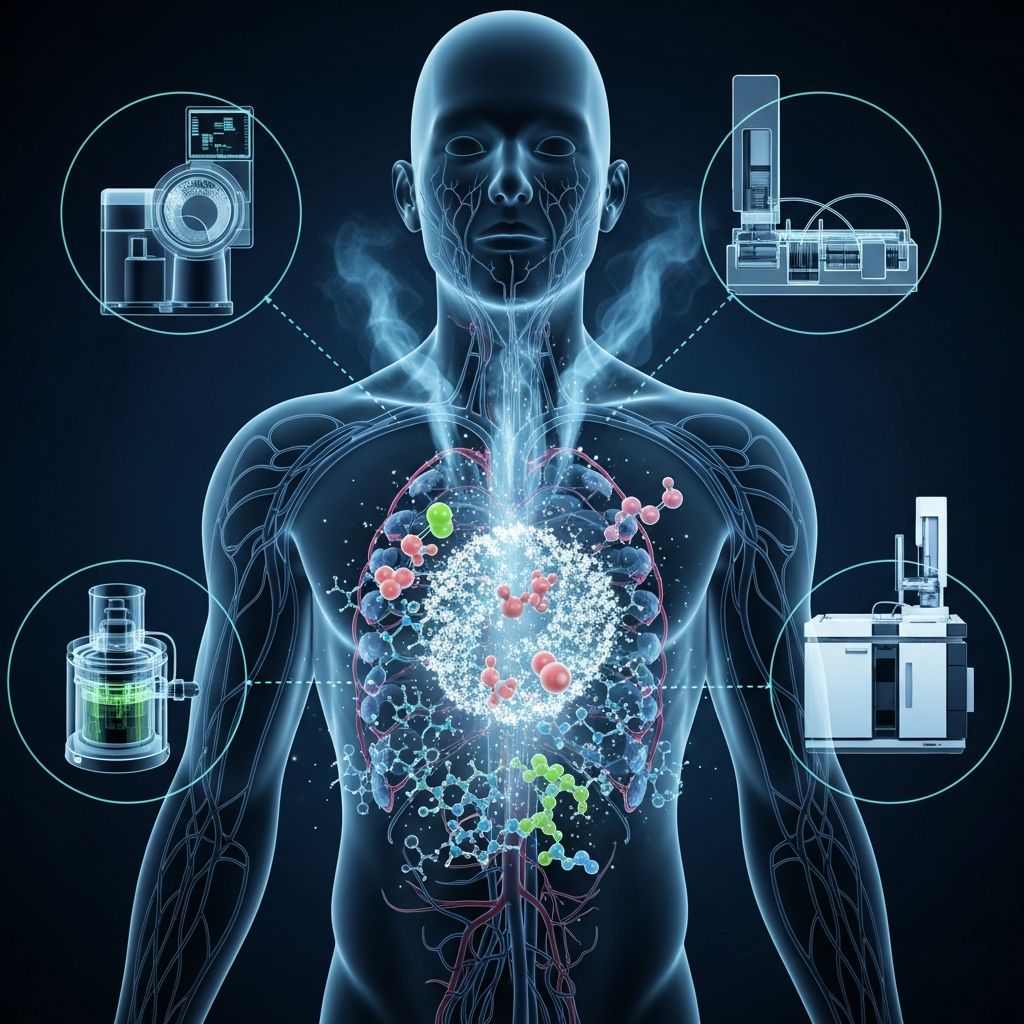
Understanding How Illness Changes Body Chemistry
When a person becomes ill, their body undergoes significant biochemical transformations that extend far beyond visible symptoms like fever or congestion. One of the most remarkable—and often unnoticed—changes occurs in the volatile organic compounds (VOCs) that the body releases into the air. These microscopic chemical signatures represent a window into internal health status, offering clues to both medical professionals and those around an infected individual. Throughout history, physicians from Hippocrates onward have recognized that certain diseases produce distinctive odors, a practice sometimes called olfactory diagnosis. Modern science has now confirmed what ancient healers intuitively understood: illness fundamentally alters the chemical composition of human body odor.
The Biological Mechanism of Odor Production During Illness
Body odor originates from a straightforward biological process: bacteria naturally present on the skin break down acids and organic compounds in sweat, releasing odorous byproducts. However, when illness strikes, this routine process becomes complicated. The immune system mounts a response to infection, triggering changes in metabolic processes that affect the types and quantities of compounds the body produces. These altered chemical signatures then travel through multiple biological pathways to reach the external environment.
When a person becomes sick, their body produces novel volatile organic compounds or alters the ratios and concentrations of compounds it normally releases. These VOCs enter the bloodstream from infected tissues and inflamed areas, then disperse throughout the body via circulation. Once in the bloodstream, these chemical markers exit through multiple routes: breath from the lungs, saliva from the mouth, perspiration through sweat glands, urine from the kidneys, and even through skin pores. This multi-channel release system ensures that disease-related chemical signatures permeate the surrounding environment, creating a detectable odor profile that differs from a healthy individual’s normal scent.
How Temperature Changes Contribute to Odor Alterations
Temperature elevation during illness plays a significant role in odor production and detection. When the body fights infection, it raises core temperature as part of the immune response, creating an inhospitable environment for pathogens. Interestingly, research indicates that this temperature increase correlates with more pronounced odor changes, suggesting that the intensity of the body’s immune response directly influences how detectable the resulting odors become. Higher body temperatures accelerate metabolic processes, increasing the rate at which volatile compounds are produced and released. Additionally, elevated temperatures can intensify the chemical reactions that generate odorous byproducts, making the overall scent more noticeable to others.
Even modest temperature increases—sometimes as little as a fraction of a degree—can produce measurable changes in body chemistry. The body’s thermoregulation system triggers increased perspiration at higher temperatures, providing additional channels for volatile compounds to escape. This perspiration contains higher concentrations of metabolic waste products, creating a distinctly different odor profile than sweating during normal activity or exercise.
Recognizing Disease-Specific Odor Signatures
Different illnesses produce characteristic odors that medical professionals can identify and interpret. Understanding these specific signatures helps explain why certain diseases have earned distinctive olfactory reputations:
Respiratory Infections
Acute respiratory infections, including influenza-like illnesses, produce detectable changes in body odor that humans can distinguish from healthy odors, albeit only slightly better than chance. The altered scent appears to correlate with systemic changes like elevated body temperature rather than specific respiratory symptoms. When viral or bacterial pathogens infect the respiratory tract, they trigger widespread immune activation that affects the entire body’s chemistry, not just the lungs.
Diabetes Complications
Uncontrolled diabetes produces one of the most recognizable disease-related odors: a fruity or acetone-like scent. This occurs when blood sugar levels become dangerously elevated, causing the body to break down fat for energy at an accelerated rate. This process generates ketones, acidic compounds that accumulate in the bloodstream in a condition called diabetic ketoacidosis. These ketones are volatile and exhale through the lungs, creating breath that resembles nail polish remover or overripe fruit. This distinctive odor serves as a warning sign that immediate medical attention is necessary.
Kidney Disease
When the kidneys fail to function properly, they cannot filter waste products effectively from the bloodstream. Urea and other nitrogenous compounds accumulate, eventually reacting with saliva in the mouth to form ammonia. This produces breath with a distinctive fishy, urine-like odor that becomes more pronounced as kidney dysfunction worsens. The ammonia smell can also appear in general body odor, not just breath, as the kidneys’ inability to filter extends to all excretory systems.
Liver Disease
Liver disease produces perhaps the most unpleasant characteristic odor: a musty, sulfurous, or garlic-and-rotten-eggs smell emanating from both breath and bodily secretions. This occurs because the liver normally detoxifies the bloodstream, breaking down and filtering harmful compounds. When liver function deteriorates, these toxins accumulate and are excreted through multiple routes, including breath, sweat, and urine. The specific odor, sometimes called fetor hepaticus, indicates that the liver can no longer manage its crucial detoxification role.
Bacterial and Fungal Infections
Localized skin infections—whether bacterial or fungal—produce foul odors as the pathogens break down tissue and release their own metabolic byproducts. Bacterial infections generate sulfur compounds and organic acids, while fungal infections create their own distinctive volatile profiles. These localized infections serve as visible reminders that the body is engaged in fighting pathogens at the skin surface.
Hormonal Influences on Illness-Related Odor
Beyond direct infection, hormonal changes associated with illness and health conditions significantly influence body odor. Women experiencing menopause, for example, often notice pronounced changes in their natural scent due to fluctuating estrogen levels. These hormonal shifts affect the composition of sweat and the activity of odor-producing bacteria on the skin. Some infections and inflammatory conditions trigger hormonal changes as part of the immune response, further altering odor production beyond the direct effects of the pathogen itself.
The Role of Excessive Sweating in Disease Detection
Some individuals develop hyperhidrosis, a condition characterized by excessive sweating. Primary hyperhidrosis has no identified cause, but secondary hyperhidrosis results from underlying health changes, infections, or medication side effects. When someone sweats excessively due to illness or other conditions, the increased volume of perspiration carries higher concentrations of volatile compounds, making odor changes more pronounced and easier to detect. The combination of increased sweat production and altered chemical composition creates a particularly noticeable odor signature that signals something within the body has changed.
Can Humans Detect Sickness Through Smell?
Scientific research confirms that humans possess a subtle ability to detect sickness in others through olfaction alone. Studies examining naturally occurring respiratory infections reveal that people can distinguish between sick and healthy individuals’ body odors slightly better than random chance. While this detection ability is not extremely sensitive—many people cannot consciously identify that someone is sick based purely on smell—it operates at a subconscious level, influencing social interactions and approach-avoidance behaviors. This ancient sensory capability likely evolved to help humans identify and avoid infectious individuals, providing a survival advantage throughout our species’ history.
The accuracy of detecting sickness through smell improves when the infected individual experiences greater changes in body temperature, suggesting that the intensity of the body’s immune response directly correlates with the detectability of the resulting odor. Even small temperature fluctuations contribute to noticeable chemical changes that others can perceive, though often without conscious awareness.
Modern Diagnostic Technologies and Odor Analysis
Contemporary laboratory techniques have revolutionized the study of disease-related odors. Gas chromatography-mass spectrometry (GC/MS) and electronic nose technologies can now precisely identify and measure the volatile organic compounds present in a person’s breath, sweat, urine, and other bodily secretions. These tools have confirmed historical observations about disease-specific odors while revealing the precise chemical signatures associated with various conditions. For instance, GC/MS analysis can distinguish between breath samples from patients with tuberculosis and healthy controls, validating centuries-old clinical observations about tuberculosis producing foul breath. This technological validation has positioned odor analysis as a potential diagnostic tool for future medicine.
When to Seek Medical Attention for Odor Changes
While not every change in body odor indicates serious illness—diet modifications, new hygiene products, and hormonal fluctuations all cause temporary odor changes—persistent or sudden odor shifts warrant medical evaluation. If you notice a new, unexplained smell that persists despite maintaining good hygiene, consult a healthcare provider. Specifically concerning odors include fruity-smelling breath (potentially indicating uncontrolled diabetes), ammonia-like breath (suggesting kidney problems), musty or sulfurous smells (indicating possible liver disease), or dramatically increased body odor accompanied by excessive sweating (possibly indicating infection or hormonal disruption).
Your physician can conduct a comprehensive evaluation, order appropriate laboratory tests, and determine whether your odor change represents a temporary illness, a chronic condition requiring management, or simply a normal physiological variation. Early identification of disease-related odor changes can lead to timely diagnosis and treatment of serious conditions.
Managing Body Odor During Illness
While treating the underlying infection or condition remains the priority, several strategies can help minimize illness-related odors during recovery. Maintaining excellent personal hygiene—including frequent bathing and changing into clean clothes—reduces the bacterial buildup that amplifies odorous compounds. Staying hydrated helps dilute excreted compounds and may reduce odor concentration. Wearing breathable, natural-fiber clothing allows better air circulation and perspiration evaporation. If hyperhidrosis accompanies your illness, prescription antiperspirants recommended by your doctor can reduce excessive sweating. These supportive measures address the symptom without replacing medical treatment of the underlying condition.
The Historical Context of Olfactory Medicine
Long before modern chemistry or microscopy, physicians relied on their senses—including smell—to diagnose disease. Hippocrates and subsequent medical traditions recognized that diseases produced characteristic odors, incorporating olfactory assessment into diagnostic practice. While this approach lacked scientific precision, it represented an important early recognition of the connection between internal health status and external chemical signatures. The resurgence of scientific interest in disease-related odors validates these historical practices while providing the molecular understanding needed for contemporary medical application.
Frequently Asked Questions
Q: Can everyone detect when someone is sick by smell?
A: Research indicates humans can detect sickness through smell only slightly better than chance, and this ability operates largely at a subconscious level. Not everyone possesses equal olfactory sensitivity, and many people cannot consciously identify sickness-related odors.
Q: How quickly do odor changes appear after someone becomes ill?
A: Odor changes begin as soon as the immune system activates and metabolic changes commence. For most acute infections, noticeable changes occur within hours to a few days as immune responses intensify and body temperature rises.
Q: Are all fruity-smelling breath cases diabetes?
A: Fruity-smelling breath most commonly indicates uncontrolled diabetes or diabetic ketoacidosis, but medical evaluation is necessary to confirm. Other conditions or even dietary factors can occasionally produce similar smells.
Q: Can body odor changes indicate serious illness?
A: Yes, certain odor patterns—particularly ammonia, musty, or bleach-like smells—can indicate serious conditions like kidney disease, liver disease, or other significant health problems requiring immediate medical attention.
Q: Does better hygiene eliminate illness-related odors?
A: While improved hygiene reduces odor caused by bacterial breakdown on skin, it cannot eliminate odors stemming from internal metabolic changes. The underlying disease still produces volatile compounds that exit through breath, bodily secretions, and sweat regardless of external cleanliness.
References
- How Body Odor Can Indicate Health Changes — Baptist Health. 2024. https://www.baptisthealth.com/blog/health-and-wellness/how-body-odor-can-indicate-health-changes
- Humans can detect axillary odor cues of an acute respiratory infection — National Center for Biotechnology Information (NCBI/PMC). 2023. https://pmc.ncbi.nlm.nih.gov/articles/PMC10324639/
- Body Odor: A Window to Your Health — Northwestern Medicine. 2024. https://www.nm.org/healthbeat/healthy-tips/body-odor-a-window-to-your-health
- Body Odor: Causes, Changes, Underlying Diseases & Treatment — Cleveland Clinic. 2024. https://my.clevelandclinic.org/health/symptoms/17865-body-odor
- Smelling Sickness — National Institutes of Health (NIH) News in Health. 2018. https://newsinhealth.nih.gov/2018/09/smelling-sickness
- How the smell of disease can affect healthy people — Medical News Today. 2018. https://www.medicalnewstoday.com/articles/323151