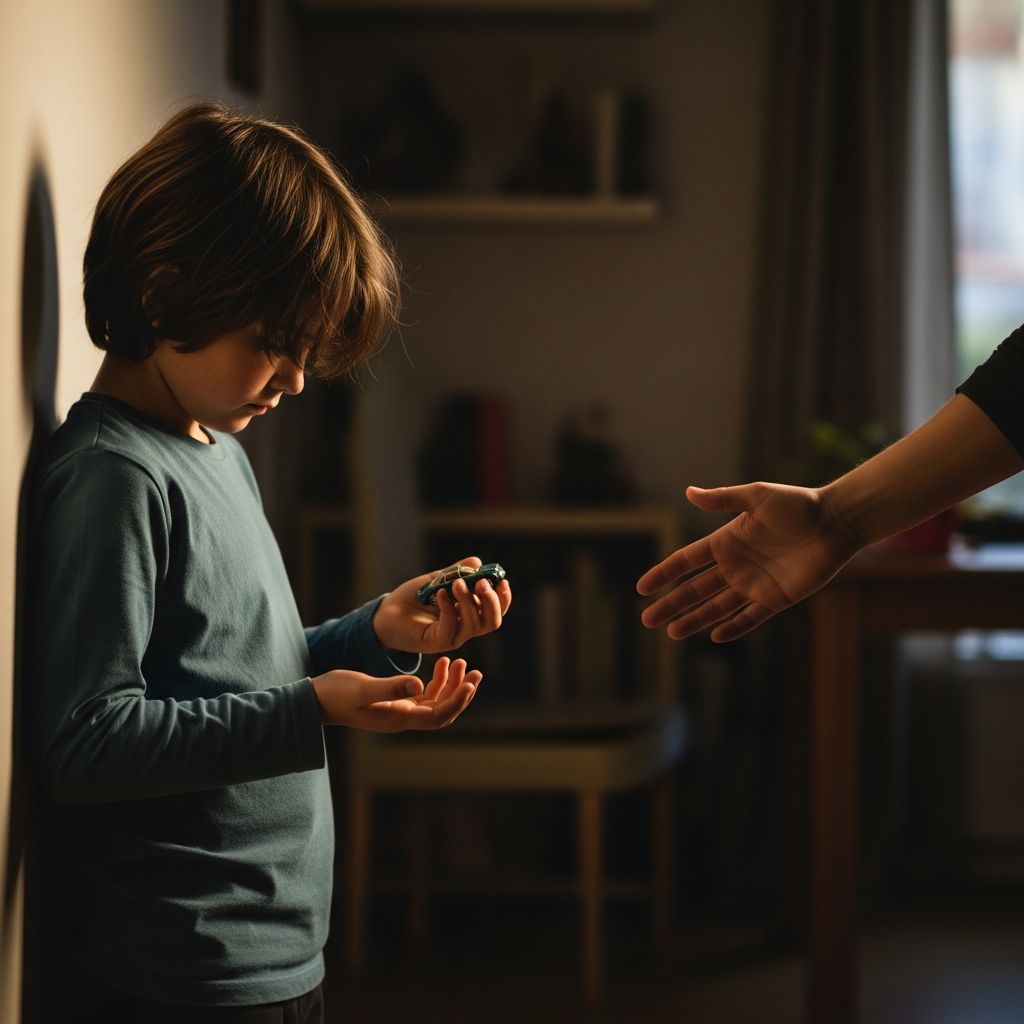
Discovering that your child has taken something without permission can shake any parent’s confidence. Whether it’s money from your wallet, a sibling’s toy, or an item from a store, this behavior raises immediate concerns about values, trust, and future development. Importantly, stealing in children is not uncommon and often stems from understandable motivations rather than inherent malice. By addressing it thoughtfully, parents can turn these incidents into opportunities for growth, teaching vital lessons about integrity and empathy.
Understanding the Hidden Motivations Behind Childhood Theft
Children steal for a variety of reasons, many tied to their emotional, social, or developmental stage. Recognizing these drivers is the first step toward effective intervention. Common triggers include a desire for possessions they can’t obtain otherwise, such as toys or snacks, especially when allowances are limited or absent.
For children from unstable backgrounds, like those in foster care or adoption, stealing may serve as a survival mechanism. These kids often learn to secure needs through deception because past experiences taught them that requests lead to rejection. Emotional voids play a role too; a lack of secure attachments can prompt taking items as a form of self-soothing or to symbolize closeness to a caregiver.
- Impulse and Lack of Impulse Control: Younger children under age 7 may grab items simply because they want them immediately, without fully grasping ownership concepts.
- Thrill-Seeking: Older kids and teens might steal for excitement or to test boundaries, viewing it as an adrenaline rush.
- Social Influences: Peer dares or the need to belong can push children to take things to gain acceptance.
- Learned Patterns: If stealing was normalized in their environment, such as through family examples, it becomes a familiar way to meet needs.
- Underlying Distress: Feelings of inadequacy, revenge, or unmet emotional needs often manifest as theft.
Statistics from child development experts indicate that most school-aged children experiment with taking items at least once, but persistent patterns warrant attention.
Age-Specific Patterns: From Toddlers to Teens
Responses to stealing must account for developmental stages, as motivations and comprehension evolve with age.
| Age Group | Common Reasons | Key Characteristics |
|---|---|---|
| Under 5 | Impulse; no ownership concept | Innocent grabbing; teachable moments without shame |
| 6-10 | Desire for items; emotional gaps | Know right from wrong but struggle with self-control |
| 11+ | Peer pressure; thrill; addiction funding | More calculated; potential for serious escalation |
Toddlers view everything as communal, lacking the maturity to differentiate ‘mine’ from ‘yours’. By school age, awareness grows, yet temptation overrides judgment. Adolescents face amplified risks from social dynamics.
Immediate Steps: How to Respond Without Escalating
Your reaction sets the tone. Avoid accusations like ‘thief,’ which breed defensiveness and shame, worsening the cycle. Instead, stay calm and focus on facts.
- Verify the Incident: Non-judgmentally ask, ‘Where did this come from?’ This invites honesty without cornering them.
- Enforce Restitution: Require returning or replacing the item. Advance funds if needed, then deduct from allowance via a clear payment plan.
- Discuss Feelings: Explore underlying emotions: ‘What were you feeling when you took it?’ This uncovers needs like belonging or security.
- Apply Logical Consequences: Beyond repayment, limit privileges related to the theft, like unsupervised store visits.
- Document Patterns: Track incidents to identify triggers, aiding prevention.
Positive Discipline emphasizes separating the deed from the child: affirm love while holding firm on accountability. Punitive measures like grounding alone fail to address roots and may reinforce ‘no one cares’ beliefs.
Prevention Strategies: Building a Theft-Resistant Home
Proactive measures reduce occurrences by addressing vulnerabilities.
- Set Clear Allowances: Provide age-appropriate funds for wants, teaching budgeting.
- Secure Valuables: Keep money and temptations out of sight to minimize opportunity.
- Foster Emotional Security: Daily affirmations and quality time combat feelings of unlovedness.
- Model Integrity: Demonstrate honest behavior; children mimic observed actions.
- Supervise Socially: Monitor peer influences and discuss group pressures openly.
- Teach Ownership: Use stories and role-play to reinforce boundaries.
For high-risk children with trauma histories, consistent routines lower anxiety that fuels impulsive acts.
Recognizing When Professional Support Is Essential
Isolated incidents often resolve with home strategies, but ongoing theft signals deeper issues. Seek help if:
- Stealing persists despite consequences.
- Accompanied by lying, aggression, or withdrawal.
- Linked to substance use or severe trauma.
- Child shows no remorse or escalates.
Therapists specializing in child psychology can unpack attachment wounds or neurodevelopmental factors like FASD. School counselors offer peer-related insights. Early intervention prevents legal troubles in teens.
Real-Life Scenarios: Lessons from Parents
Consider a 7-year-old found with a pricey toy: Calm inquiry revealed store temptation. Repayment plan plus impulse-control games curbed repeats. A teen stealing for peers? Getting caught, making amends without rescue built responsibility. These stories highlight that empathy plus structure yields results.
Frequently Asked Questions (FAQs)
Why does my young child keep taking things from stores?
Youngsters often lack impulse control and ownership understanding. Use gentle teaching and supervision rather than punishment.
What if my child steals from siblings?
Help the victim secure items and enforce restitution. Address jealousy or rivalry underneath.
Is stealing a sign of bigger problems?
Frequently yes, especially if chronic—it may indicate emotional unmet needs or trauma. Monitor and consult pros if needed.
How can I prevent teen shoplifting?
Discuss peer risks, enforce consequences without bailing out, and ensure they feel connected at home.
Should I always make them pay back stolen items?
Yes, restitution teaches accountability. Tailor plans to age for feasibility.
Long-Term Outlook: Nurturing Honest, Resilient Kids
Addressing theft thoughtfully builds character. Children learn honesty thrives in supportive environments where mistakes are repairable. Consistent guidance transforms takers into trustworthy individuals, strengthening family bonds.
References
- Reasons Children Steal — HSLCNYS Foster Parent Training. 2016-06-16. http://www.hslcnys.org/fosterparenttraining/course_matls/Proactive%20Responses%20to%20Stealing/FA01%20-%20Reasons%20Children%20Steal%20RevJG160629%20(2).pdf
- Stealing – The Child Psychology Service — The Child Psychology Service. N/A. https://thechildpsychologyservice.co.uk/advice-strategy/stealing/
- Help! My Child is Stealing! – Positive Discipline — Positive Discipline. N/A. https://www.positivediscipline.com/articles/help-my-child-stealing/
- What Can Be Done About a Child Who Steals? — Children’s Minnesota. N/A. https://www.childrensmn.org/educationmaterials/parents/article/9116/what-can-be-done-about-a-child-who-steals/
- Advice on Children Stealing and Lying — Therapeutic Consultants. N/A. https://therapeuticconsultants.co.uk/advice-on-children-stealing-and-lying/
- Lying and Stealing — Texas Children’s Hospital. N/A. https://www.texaschildrens.org/content/conditions/lying-and-stealing
- Stealing as a form of challenging behaviour — Behaviour Help. N/A. https://behaviourhelp.com/a-z-challenging-behaviours/stealing