Introduction
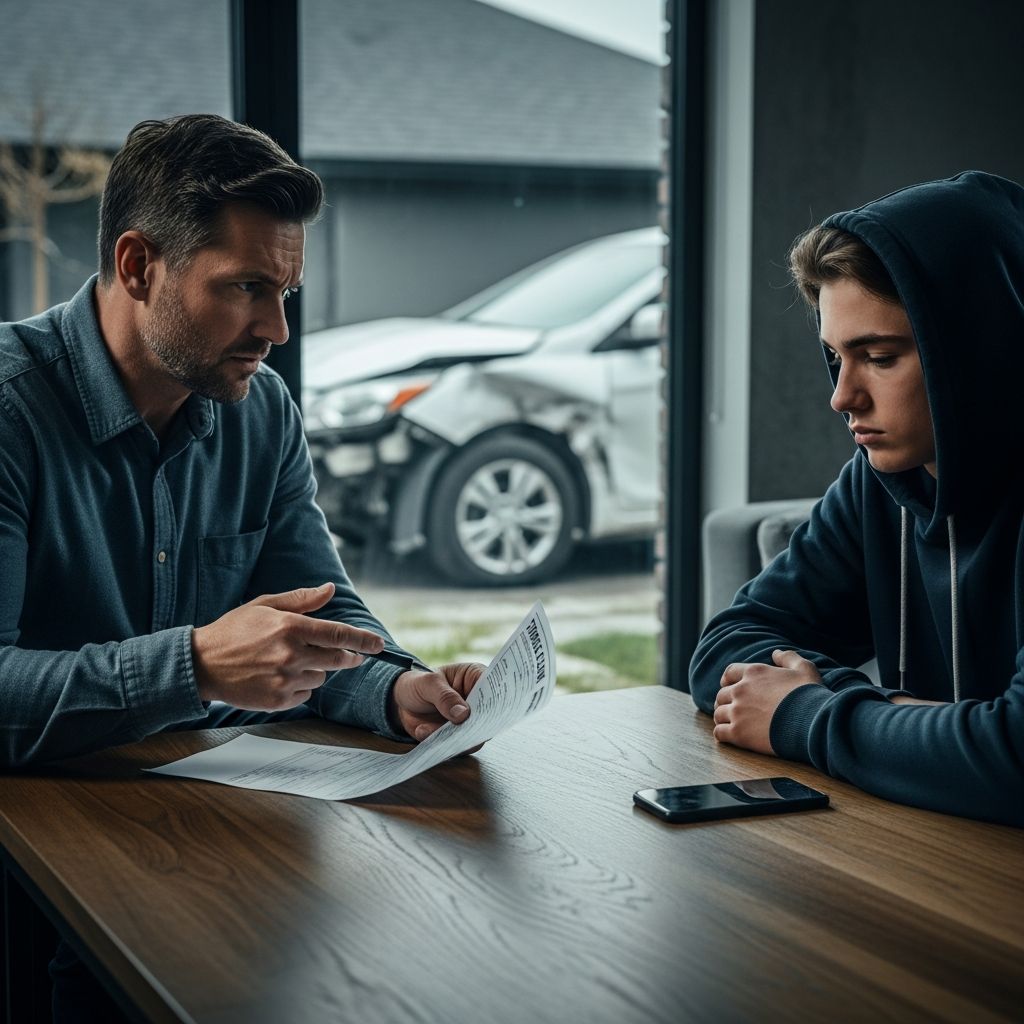
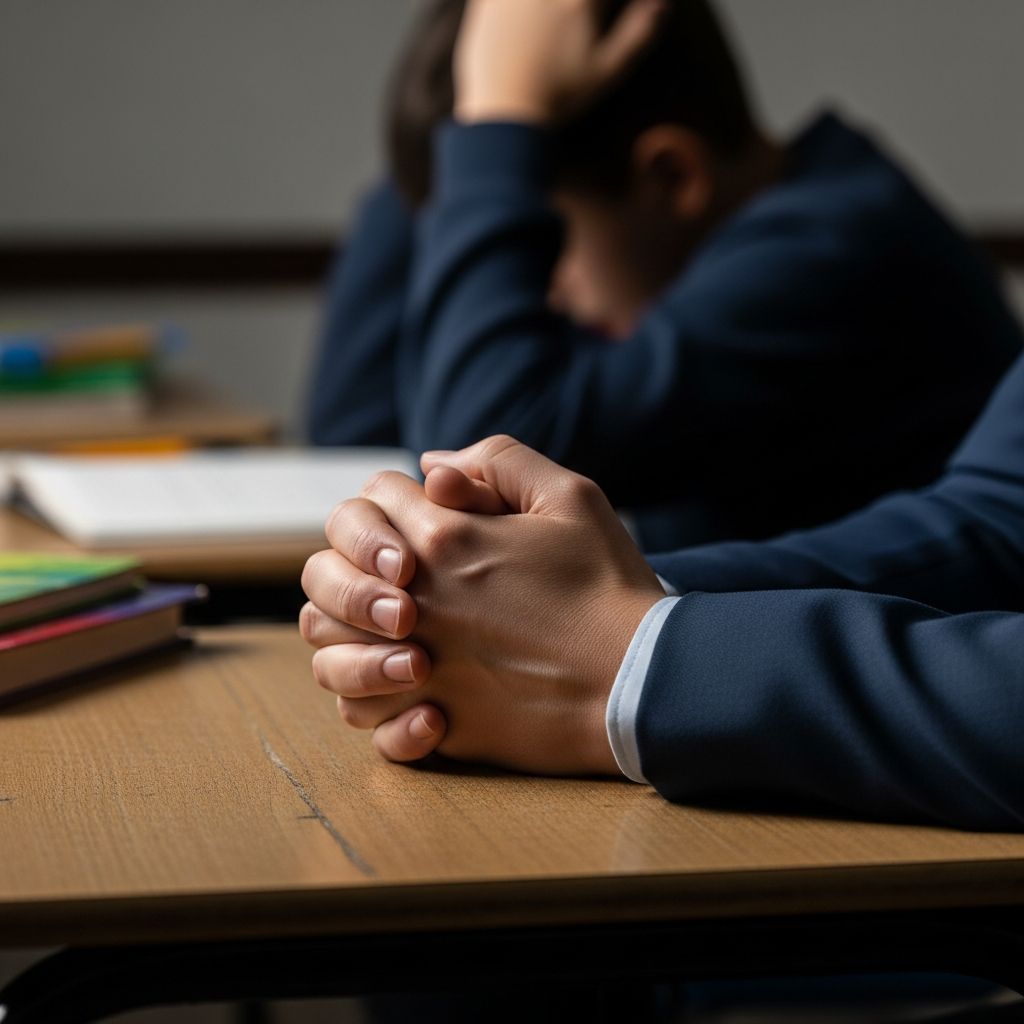
Incidents where children physically harm teachers in school are rare but deeply troubling. These events often leave families, educators, and communities searching for answers and solutions. Understanding the underlying causes, the emotional impact on all parties, and the most effective ways to respond is crucial for fostering a safe and supportive learning environment [web:6].
Why Children May Act Out Physically
Children who resort to physical aggression in school often face a combination of emotional, developmental, and environmental challenges. Some common factors include:
- Unmet emotional needs or trauma history [web:3]
- Difficulty regulating emotions due to developmental delays or mental health concerns [web:3]
- Exposure to violence or conflict at home or in their community [web:4]
- Feeling misunderstood or unsupported by adults in their lives [web:2]
- Lack of effective coping strategies for frustration or anger [web:4]
It is important to recognize that physical aggression is rarely a sign of inherent “badness” but rather a symptom of deeper struggles that require compassionate attention and support [web:3].
The Impact on Teachers and Classmates
When a child hits a teacher, the effects ripple through the entire classroom. Teachers may feel physically unsafe, emotionally distressed, and uncertain about their ability to manage the classroom. Classmates can also experience fear, confusion, or anxiety, which can disrupt learning and social dynamics [web:2].
Additionally, such incidents can lead to:
- Increased stress and burnout among educators [web:2]
- Disruption of the learning environment for all students [web:4]
- Stigmatization or isolation of the child who acted out [web:3]
- Legal and disciplinary consequences for the child and school [web:6]
Effective Responses and Interventions
Addressing incidents of physical aggression requires a multi-faceted approach that prioritizes safety, empathy, and long-term solutions. Key strategies include:
- Immediate de-escalation and ensuring the safety of all involved [web:4]
- Open communication with the child, parents, and school staff to understand the context [web:6]
- Providing emotional support and counseling for both the child and the teacher [web:3]
- Implementing individualized behavior plans and classroom accommodations [web:4]
- Engaging families in collaborative problem-solving and support [web:6]
Effective interventions focus on teaching children healthier ways to express emotions and resolve conflicts, rather than relying solely on punitive measures [web:4].
Preventing Future Incidents
Prevention is key to creating a safe and supportive school environment. Schools can take proactive steps such as:
- Training staff in trauma-informed practices and de-escalation techniques [web:4]
- Providing access to mental health resources for students and staff [web:3]
- Building strong relationships between teachers, students, and families [web:6]
- Creating a culture of empathy, respect, and inclusion [web:2]
- Regularly reviewing and updating school discipline policies to ensure they are fair and effective [web:5]
Prevention efforts should be ongoing and involve the entire school community.
FAQs
What should parents do if their child hits a teacher?
Parents should remain calm, listen to their child’s perspective, and work with the school to understand what happened. It is important to address the behavior with empathy and support, rather than punishment alone [web:6].
Can hitting a teacher lead to legal consequences?
Yes, depending on the severity and local laws, hitting a teacher can result in disciplinary action, suspension, or even legal charges. Schools are required to ensure the safety of all staff and students [web:5].
How can schools support children who act out physically?
Schools can provide counseling, behavior intervention plans, and additional support services. Collaboration with families and mental health professionals is essential for long-term success [web:3][web:4].
What role do parents play in preventing school violence?
Parents can help by fostering open communication, teaching emotional regulation skills, and working with schools to address any concerns early on [web:6].
Conclusion
Incidents where children hit teachers are complex and require thoughtful, compassionate responses. By understanding the root causes, supporting all parties involved, and implementing effective prevention strategies, schools can create safer, more nurturing environments for everyone [web:3][web:4][web:6].