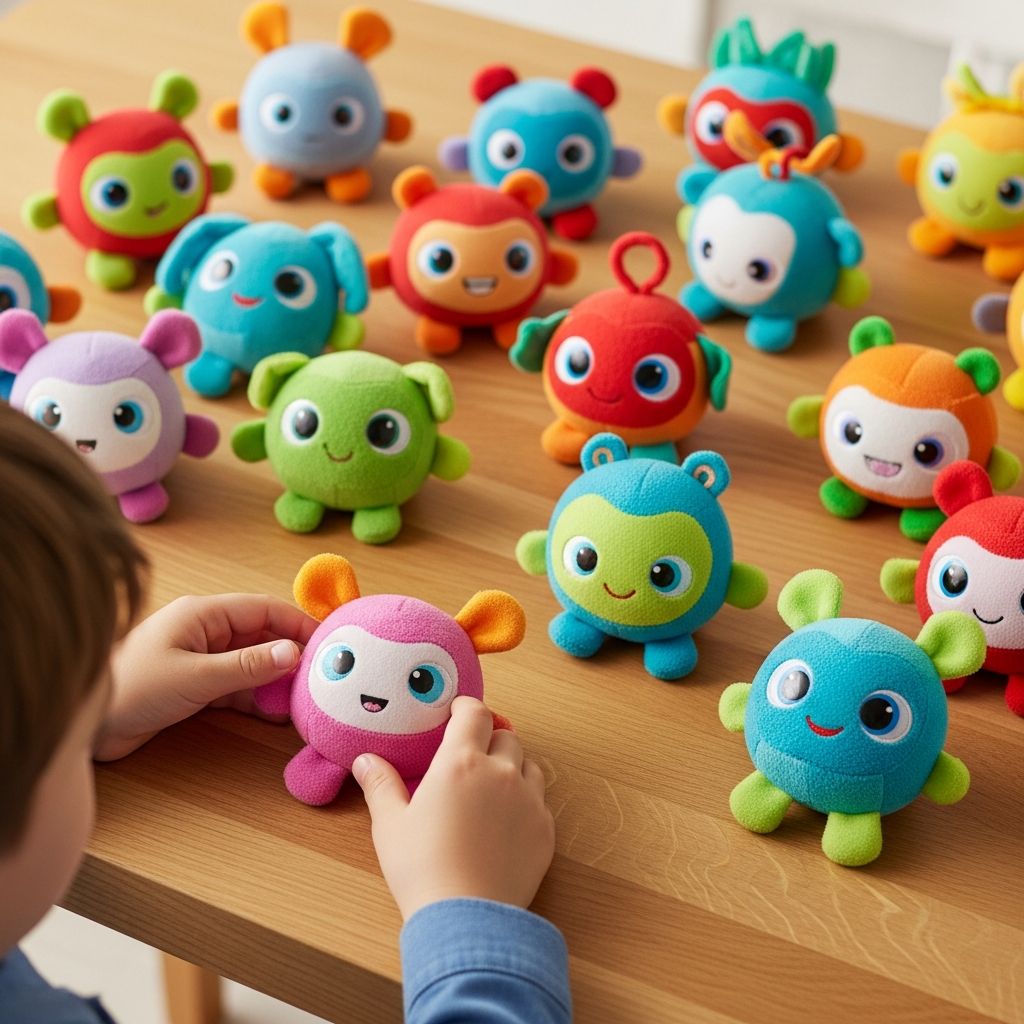
Interactive plush toys that pair with your phone have quietly become one of the most creative ways to blend technology with good old-fashioned pretend play. Instead of asking your child to stare at a screen, these toys invite them to cuddle, move, imagine, and talk back.
What Is a Talking App-Connected Plush Toy?
An app-connected plush toy is a stuffed animal with a pocket that holds a smartphone or small device. Once the companion app is running, the toy “comes alive” with a moving face, silly voice, and interactive activities.
Rather than tapping buttons, your child listens, speaks, and moves around. The technology provides the prompts; the imagination does the real work.
- The plush cover makes the device cozy, huggable, and less fragile.
- The app supplies stories, songs, games, and learning activities.
- Your child responds with movement, words, and creativity.
Why These Toys Appeal to Busy Parents
Parents are constantly balancing a need for a few quiet minutes with a desire to avoid endless passive screen time. A talking plush toy offers a middle ground: the engagement of a character on a screen, but the feel and flexibility of a stuffed animal.
Used thoughtfully, this type of toy can entertain your child while you cook dinner, breastfeed a younger sibling, return an email, or simply take a breath.
Key Benefits for Families
- Built-in entertainment: No need to invent a new game every five minutes; the toy brings fresh prompts and jokes.
- Hands-free moments: Your child stays engaged while your hands are busy with chores or work.
- Low-prep activities: Open the app, tuck it in the plush, and your child is ready to play.
- Portable fun: Great for hotel rooms, grandparents’ houses, and long afternoons indoors.
Educational Value: Learning Disguised as Play
Many app-connected plush toys are designed with early learning in mind. They can turn simple prompts into language practice, counting games, and opportunities to follow directions, all wrapped in a playful voice.
When used consistently, these short, daily interactions can gently support skills your child will rely on in preschool and beyond.
Skills These Toys Can Support
- Language and listening: Following spoken instructions and answering questions.
- Early literacy: Exposure to new words, rhymes, and storytelling structures.
- Numeracy: Counting games, simple addition, and number recognition activities.
- Self-regulation: Breath games, stretching, and calm-down routines.
- Imagination: Open-ended prompts that invite pretend play.
Sample Learning Moments
- The toy asks your child to find three things in the room that are blue, turning color recognition into an active scavenger hunt.
- Your child practices counting hops, twirls, or claps to match numbers spoken by the toy.
- Short, silly stories encourage your child to predict what happens next or invent a different ending.
Using the Toy to Ease Tricky Transitions
Many of the hardest moments with young children are transitions: getting into the car, walking into a new classroom, waiting at a restaurant, or settling down at bedtime. A familiar talking toy can become a portable comfort object and distraction tool.
Because the toy speaks with a consistent, cheerful voice, it can help your child feel safe in new environments while giving you something positive to focus on together.
Real-Life Scenarios Where It Helps
- Before preschool: A quick pep-talk story about being brave and kind can set the tone for the day.
- Doctor’s waiting room: Silly games and jokes help pass the time and reduce anxiety.
- First sleepover or hotel night: Familiar songs and bedtime stories make an unfamiliar place feel cozy.
- Car rides: Movement prompts are replaced with guessing games or I-spy style listening challenges.
How to Introduce the Toy to Your Child
The first impression matters. The goal is to present the toy as a friend, not a gadget. Instead of handing over your phone, reveal the plush character first and let curiosity build.
Once the phone is tucked inside and the face appears, linger beside your child as you explore the first few activities together.
Step-by-Step Introduction
- Meet the plush: Let your child cuddle and explore the toy without the device.
- Add the magic: Slip your phone into the toy and open the app so the face appears.
- Co-play at first: Sit together for the first story or game, modeling how to respond.
- Set expectations: Explain that the toy is for special play times, not constant access to your phone.
- Gradually step back: Over a few days, allow more independent play while you stay nearby.
Suggested Daily Routines and Time Limits
App-connected plush toys can easily become a daily habit, so it helps to decide in advance when and how long your child will use them. Predictable routines reduce power struggles and help your child know what to expect.
Short, focused sessions often work better than long, open-ended access because kids stay engaged and the toy remains exciting.
| Age Range | Suggested Session Length | Good Times of Day | Activity Ideas |
|---|---|---|---|
| Toddlers (2–3) | 5–10 minutes | After nap, pre-dinner | Simple songs, naming games, gentle movement prompts |
| Preschoolers (3–5) | 10–15 minutes | Morning warm-up, after preschool | Story adventures, counting games, imagination prompts |
| Early elementary (5–7) | 15–20 minutes | Homework break, early evening | Vocabulary challenges, creative missions, cooperative games with siblings |
Remember that these are only guidelines. The right timing and duration depend on your child’s attention span, sensitivity to stimulation, and family rhythm.
Encouraging Movement and Active Play
One of the strongest advantages of talking plush toys over traditional screen apps is that they can get kids off the couch. Many activities are built around jumping, dancing, pretending, or searching around the room.
This kind of “screen-light” play supports gross motor development while still giving your child a feeling of tech-driven excitement.
Sample Active Games to Look For
- Freeze dance: Your child moves when the toy sings and freezes when the music stops.
- Animal charades: The toy describes an animal and your child acts it out.
- Treasure hunts: Prompts to find objects of certain colors, shapes, or textures around the room.
- Balance and stretch: Simple yoga-style poses explained in playful language.
Screen Time, Safety, and Boundaries
Even when technology is tucked inside a stuffed animal, it is still technology. Setting boundaries from the start protects your phone, your child’s eyes, and your family’s habits.
Most families find it helpful to treat the toy as a shared resource rather than a personal device that’s always available.
Practical Safety Tips
- Use a sturdy case and enable a kid-friendly mode or guided access so your child cannot exit the app.
- Turn off unnecessary notifications so the toy is not interrupted mid-activity.
- Charge the device outside of your child’s bedroom and keep cords out of reach.
- Follow pediatric guidelines by balancing tech-assisted play with plenty of outdoor and hands-on activities.
Integrating the Toy with Traditional Play
One common concern is that a talking plush will replace blocks, puzzles, and art time. In practice, these toys often work best when they inspire offline activities rather than replace them.
You can use the toy’s prompts as a starting point, then turn it off and continue the story or game with other materials.
Ideas for Blended Play
- After a pirate-themed adventure, build a cardboard ship or treasure chest together.
- Turn a story about space travel into a blanket-fort “spaceship” and paper-plate planets.
- Use favorite characters from the toy’s stories as figures in block cities or dollhouse scenes.
- Invite siblings to join cooperative missions so they solve problems as a team.
Choosing the Right Toy and App for Your Family
Not all interactive plush toys are created equal. Before investing in one, consider your child’s personality, your comfort with technology, and how much control you want over the content.
Some parents prefer a toy packed with educational modules; others prioritize open-ended silliness and storylines.
Features to Evaluate
- Age-appropriate content: Look for clear age ranges, and sample the voice and humor yourself.
- Parental controls: Check whether you can set time limits or manage which modules are available.
- Offline functionality: See if your child can play without a constant internet connection.
- Content updates: Consider whether new activities are added over time or require additional purchases.
- Durability: Make sure the plush cover is washable and the phone pocket is secure.
Frequently Asked Questions
Is an app-connected plush toy appropriate for toddlers?
For very young children, supervision is essential. The plush portion can be cuddled like any stuffed animal, but the smartphone inside should always remain under adult control. Short, simple sessions with songs and gentle prompts work best for this age.
Will this replace reading physical books?
It does not need to. Think of the talking toy as a supplement, not a substitute. You can use it to warm your child up for story time and then transition to paper books, especially at bedtime when dim light and fewer distractions are ideal.
How can I prevent endless begging to play with it?
Set clear rules from the start about when the toy comes out, such as after nap or while you prepare dinner. Store it out of sight when it is not in use, and keep your response consistent: “We’ll play with it during our special time.”
Is it safe for my phone?
Most plush covers offer padding and a snug pocket, but accidents can happen. Use a durable case, consider an older device if possible, and avoid letting your child handle the toy near water, on hard tile, or outdoors in rough conditions.
Can siblings share one toy?
Yes, though you may need to establish turns and time limits. Cooperative games that ask children to take turns answering or acting can reduce conflicts and help them practice patience and teamwork.
Making Interactive Plush Toys Work for Your Family
When approached intentionally, app-powered stuffed animals can be more than a novelty. They can support early learning, bring laughter to stressful days, and give busy parents moments of breathing room without defaulting to passive screens.
The key is not the toy itself but the way you use it: as a playful partner, a conversation starter, and an occasional helper in the wonderfully messy work of raising small humans.