Understanding Nighttime Fears in Early Childhood
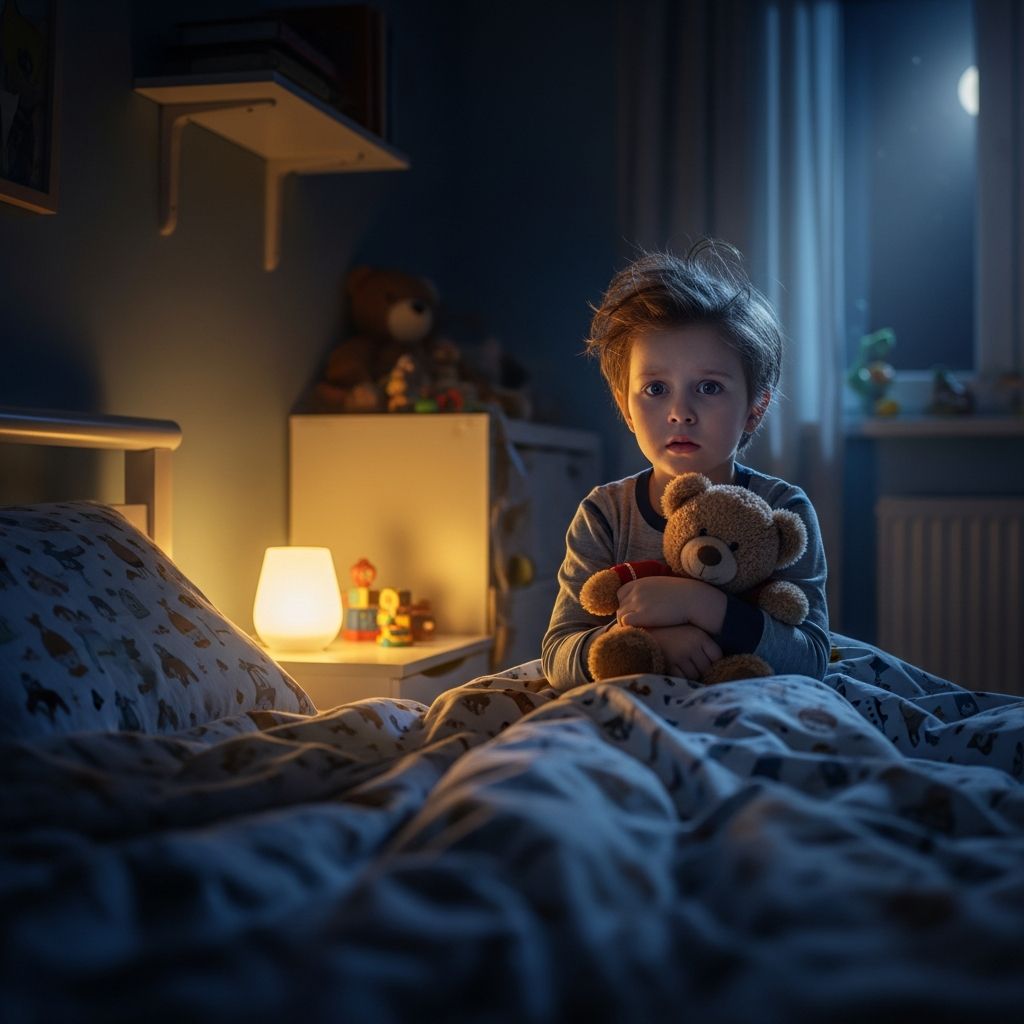
Darkness-related anxiety represents one of the most common concerns parents encounter during their child’s early development years. This natural response emerges as children’s cognitive abilities expand, allowing them to develop imagination and conceptual thinking about potential dangers. Unlike younger infants who simply react to physical sensations, toddlers and preschoolers begin to construct narratives about what might lurk in shadowy spaces, creating an internal world of possibilities that can feel genuinely threatening.
The roots of this fear extend beyond simple discomfort with darkness itself. Children often experience separation anxiety as nighttime approaches, recognizing that bedtime means physical distance from their caregivers. Additionally, a child’s imagination—a developmentally appropriate and valuable skill—can become overwhelming when overstimulated by external messages about danger. Television programs, story narratives, playground conversations, and even casual adult remarks about scary things create an information landscape that young minds interpret literally and intensely.
Recognizing that your child’s fear is genuine and developmentally normal is the first step toward supporting them effectively. This perspective shift from dismissal to validation fundamentally changes how parents can intervene and assist their child in building confidence and mastery over the situation.
The Critical Role of Parental Modeling and Emotional Signals
Children are extraordinarily perceptive observers of adult emotional responses. When parents respond to nighttime fear with uncertainty, rushing to solve the problem immediately, or expressing their own hesitation about darkness, children absorb these signals as confirmation that darkness truly is something to fear. Conversely, parents who maintain calm, matter-of-fact confidence communicate an entirely different message: that nighttime is manageable and safe.
This doesn’t mean dismissing your child’s feelings or offering hollow reassurances. Instead, it involves demonstrating genuine confidence through tone, body language, and composed problem-solving. When your child expresses fear, responding with statements like “I can see this worries you, and I’m right here. We’re going to work through this together” combines validation with reassurance. Parents can further model coping mechanisms by demonstrating their own strategies for managing worry, such as breathing exercises or positive self-talk, teaching children that adults also navigate uncomfortable feelings constructively.
The distinction between empathizing with fear and reinforcing it is crucial. Empathy acknowledges the child’s experience without amplifying the threat perception. Statements that invite exploration rather than assumption—such as asking “What do you think might happen?” instead of automatically denying the existence of monsters—empower children to think critically about their fears and often recognize their own lack of evidence for threats.
Leveraging Imagination as a Tool for Empowerment
The same imaginative capacity that generates fear can be deliberately redirected toward confidence-building. Creative approaches transform darkness from a source of anxiety into a space for playful engagement and discovery. Shadow puppet activities, for instance, demystify how light and darkness interact while providing entertainment and shared positive experiences.
More structured imaginative interventions include creating protective narratives around comfort objects. Designating a stuffed animal as the child’s “nighttime protector” and collaboratively developing a storyline where this guardian watches over the child provides both emotional comfort and a sense of agency. The child becomes the director of this protective narrative rather than a passive recipient of danger. Some families create written contracts with imaginary creatures, establishing rules like “monsters can only visit on Thursdays and must remain completely silent.” While seemingly fantastical, these cognitive tools help children feel more in control by establishing parameters around their fears.
Reading children’s literature featuring characters who overcome nighttime worries provides another avenue for imaginative processing. Books normalize fear while presenting resolution narratives that children can internalize and emulate. Discussing story characters’ coping strategies opens conversations that help children articulate their own experiences and discover potential solutions through literature.
Creating an Optimal Physical Sleep Environment
The physical space where a child sleeps significantly influences their sense of security and their physiological capacity for rest. Environmental optimization addresses multiple sensory dimensions that can either exacerbate or mitigate nighttime anxiety.
Lighting considerations: The presence of some ambient light can reduce fear without interfering with sleep quality. However, excessive illumination prevents melatonin production and undermines the natural sleep-wake cycle. A single warm-toned nightlight positioned strategically—not directly in the child’s line of sight while lying in bed—provides reassurance while maintaining appropriate darkness. Blue-light nightlights should be avoided as they suppress melatonin more aggressively than warm-spectrum light. Parents should allow their child to participate in decisions about lighting, gradually transitioning toward lower light levels as confidence builds.
Sound management: Environmental noise can trigger alertness and anxiety, particularly for children already primed toward fear. A white noise machine masks unpredictable household sounds that might otherwise startle a child awake or prevent sleep onset. Consistent ambient sound creates a predictable auditory environment that paradoxically feels safer than silence punctuated by unexpected noises.
Temperature optimization: Sleep science indicates that slightly cool environments—approximately 68-70 degrees Fahrenheit—promote deeper, more continuous sleep. This physiological improvement reduces nighttime waking episodes that can trigger fear responses when a child finds themselves alone in darkness.
Sensory comfort: Blackout shades prevent external light sources from creating shadows that a fearful child might misinterpret as threatening. Wind moving tree branches outside a window can cast dynamic shadows that genuinely appear ominous to young eyes; managing visual input through window treatments eliminates this unintentional fear trigger.
The Foundation of Consistent Bedtime Routines
Predictability reduces anxiety across developmental stages. A consistent, calm bedtime routine signals to the child’s nervous system that this transition is safe and expected. The routine itself becomes a framework that contains the day’s stimulation and prepares the child neurologically for sleep.
Effective routines typically include a progressive dimming of household lights beginning 30-60 minutes before target bedtime. This gradual shift mirrors the natural darkening of evening and allows the child’s physiology to adjust incrementally rather than experiencing an abrupt transition. Soothing activities—reading together, quiet conversation, gentle music—activate the parasympathetic nervous system, which promotes relaxation and sleep readiness.
The sequence matters as much as the specific activities. When children can predict the exact order of events—bath, story, cuddle time, lights out—they experience a sense of control that counteracts the vulnerability some children feel at bedtime. Parents should involve children in creating or refining their bedtime routine, as this collaborative process increases buy-in and provides children with agency in the process.
Critically, routines must remain consistent even when a child resists or attempts to use nighttime fears as a delay tactic. While this requires compassionate firmness, maintaining boundaries actually reinforces security more effectively than capitulating to demands that extend bedtime indefinitely.
Building Confidence Through Graduated Exposure
Behavioral psychology demonstrates that gradual, positive exposure to feared situations systematically reduces fear responses. This principle translates directly to addressing darkness anxiety: children need opportunities to successfully navigate darkness in safe, controlled contexts outside of high-stress bedtime situations.
Daytime exposure might include brief periods in dimmed spaces, playing with flashlights, creating shadow puppets together, or hosting a glow stick dance party. These activities reframe darkness as a space where fun occurs rather than danger lurks. Starting with short 30-second exposures and progressively extending duration gives children the experience of managing darkness successfully, building neural patterns associated with competence rather than threat.
Importantly, these daytime exposures should include parental presence and positive reinforcement. Children who successfully spend time in darkness with a trusted adult present internalize the message that they can tolerate darkness with support, and eventually, independently. The progression from supported exposure to independent capability mirrors the confidence-building trajectory parents want to facilitate.
Comfort Objects as Transitional Security
Attachment to transitional objects—favorite stuffed animals, blankets, or pillows—serves a genuine developmental function. These objects provide continuity and comfort when a child must navigate the separation inherent in independent sleep. Research confirms that children who sleep with a comfort object experience measurably reduced nighttime anxiety and fewer sleep disruptions.
The key is ensuring the object chosen by the child becomes meaningfully integrated into the nighttime experience. Some families ritualize interactions with the comfort object, perhaps having the child explain to their stuffed animal that “we’re going to sleep now and you’ll keep me safe.” This creates a protective framework while maintaining the child’s cognitive engagement and sense of responsibility toward their chosen object.
Parents should avoid imposing comfort objects the child hasn’t selected; the most effective comfort comes from items the child has autonomously chosen and attached significance to. Additionally, for safety reasons appropriate to the child’s age, parents must ensure chosen objects meet safe sleep guidelines.
Developing Coping Strategies for Emotional Regulation
Teaching children specific techniques for managing fear thoughts and physiological responses equips them with portable tools they can use independently. These strategies transform nighttime from a passive experience of anxiety into an opportunity to practice active coping.
Breathing exercises: Simple techniques like deep belly breathing—having children place a hand on their stomach and notice it expand with each inhale, then slowly exhale—activate the parasympathetic nervous system and reduce physiological arousal. Teaching this technique during calm daytime moments ensures children can access it when nighttime anxiety arises.
Positive self-talk: Guiding children to develop affirmation statements like “I am safe,” “I can do hard things,” or “My family is nearby and I’m okay” provides a mental tool that redirects anxious thoughts. Rehearsing these statements during the day makes them accessible when anxiety peaks at night.
Cognitive reframing: As children’s cognitive development allows, helping them consciously examine their fear narratives builds critical thinking. Asking questions like “Have you actually seen a monster?” or “What evidence do you have that something bad will happen?” gently guides children toward recognizing that their imagined dangers may not be based on real threats.
Progressive muscle relaxation: Older toddlers and preschoolers can learn to systematically tense and release different muscle groups, which reduces physical tension accompanying anxiety. This technique provides something concrete for the child to focus on rather than fearful thoughts.
Media Consumption and Fear Contagion
Children absorb narratives about danger and darkness from multiple sources: television programs, movies, books, conversation overheard from peers or adults, and online content. Parents should thoughtfully evaluate whether media their child encounters contains narratives that might amplify darkness-related fears. This doesn’t necessarily mean eliminating all potentially scary content, but rather ensuring age-appropriate media and providing context and processing support when children encounter mildly challenging material.
Similarly, casual adult conversations about dangers, locks, security systems, or “scary” aspects of darkness create an informational environment that children internalize literally. Young children haven’t yet developed the cognitive capacity to understand that adults’ concerns about practical safety differ fundamentally from the irrational fears that emerge in childhood imagination. Limiting exposure to fear-laden adult conversations in a child’s presence reduces unnecessary anxiety inputs.
When to Seek Professional Support
While fear of darkness represents a developmentally normal phase for most children, persistent, severe anxiety that significantly disrupts sleep and daily functioning may warrant professional evaluation. Pediatricians can rule out underlying sleep disorders or other medical factors. Licensed child psychologists or therapists trained in cognitive-behavioral therapy (CBT) can work with children and families when anxiety proves resistant to standard interventions or when secondary sleep deprivation begins affecting overall functioning and health.
Frequently Asked Questions
Q: At what age does fear of darkness typically emerge?
A: Fear of darkness commonly appears between ages 2-4 when children develop more sophisticated imaginative capacities and begin separating from parents. It can persist into early school years but typically diminishes as children gain cognitive maturity and real-world evidence of safety.
Q: Should I allow my child to sleep with all the lights on?
A: Excessive lighting interferes with melatonin production and prevents children from developing healthy sleep physiology. Instead, gradually transition toward using a single dim nightlight while maintaining supportive presence during this adjustment.
Q: How can I tell if my child’s fear is normal versus a sign of anxiety disorder?
A: Normal developmental fears respond to parental support, gradual exposure, and time. Concerns about an anxiety disorder arise when fear is so intense it prevents participation in normal activities, persists for many months without improvement, or significantly disrupts family functioning. Consult your pediatrician if worried.
Q: Is it okay to lie down with my child until they fall asleep?
A: While occasional parental presence can provide comfort, regularly lying down with a child can create dependency patterns that complicate independent sleep. Instead, establish a routine that includes your presence during calm activities, then maintain consistent boundaries around sleep onset.
Q: Can fear of darkness be prevented?
A: Parents can minimize conditions that amplify fear by limiting unnecessary exposure to scary media, maintaining consistent routines, and supporting emerging independence. However, some degree of nighttime caution likely represents an evolutionary adaptation, so complete prevention may be unrealistic.
References
- Good Question: My 2-Year-Old Son is Suddenly Afraid of the Dark — ZERO TO THREE. Accessed January 2026. https://www.zerotothree.org/resource/good-question/my-2-year-old-son-is-suddenly-afraid-of-the-dark/
- Helping Kids Overcome a Fear of the Dark — Children’s Hospital Colorado. Accessed January 2026. https://www.childrenscolorado.org/just-ask-childrens/articles/fear-of-the-dark/
- Fear of the Dark? 16 Ways to Help Your Child — MGH Clay Center for Young Healthy Minds. Accessed January 2026. https://www.mghclaycenter.org/parenting-concerns/fear-of-the-dark-16-ways-to-help-your-child/
- My Child is Afraid of the Dark — Taking Cara Babies. Accessed January 2026. https://www.takingcarababies.com/blogs/toddlers/my-child-is-afraid-of-the-dark
- 6 Tips to Help Kids Who Are Afraid of the Dark — Cincinnati Children’s Hospital Medical Center. Accessed January 2026. https://blog.cincinnatichildrens.org/healthy-living/child-development-and-behavior/help-kids-who-are-afraid-of-the-dark/
- Do’s and Don’ts When Your Child is Afraid of the Dark — Sleep Training Solutions. Accessed January 2026. https://www.sleeptrainingsolutions.com/blog/dos-and-donts-when-your-child-is-afraid-of-the-dark
- Toddler Scared at Night: Overcoming Fear of the Dark and Monsters — Huckleberry Care. Accessed January 2026. https://huckleberrycare.com/blog/dealing-with-nighttime-fears-in-children-overcoming-fear-of-the-dark-and