Puberty brings profound physical and emotional changes, particularly for autistic teen girls who may face unique hurdles in personal care. Sensory sensitivities, executive function challenges, and social awareness differences can make daily hygiene feel overwhelming. This guide offers practical, affirming approaches to help build sustainable routines, promote autonomy, and ensure emotional well-being during this transformative phase.
Understanding Hygiene Challenges in Autism and Puberty
Autistic individuals often process sensory input differently, turning routine tasks like showering or teeth brushing into exhausting ordeals. During puberty, increased sweating, body odor, and menstruation amplify these issues. Research shows many autistic adolescent girls struggle with self-care skills such as bathing independently or using sanitary products, often due to interoception difficulties—trouble sensing internal body signals like the need to wash or change. Parents report high stress around armpit cleaning, genital hygiene, and pad management, highlighting the need for targeted support.
These challenges stem from sensory overload (e.g., water texture, product scents), low energy for multi-step tasks, and emotional factors like shame from past forced compliance. A neuroaffirming lens prioritizes consent, choice, and dignity over perfection, recognizing avoidance as a valid response to discomfort rather than laziness.
Sensory-Friendly Products and Adaptations
Selecting the right tools is foundational. Mainstream items with strong fragrances, noisy dispensers, or rough textures can trigger aversion. Opt for unscented, hypoallergenic options:
- Deodorants: Fragrance-free sticks or crystal varieties that apply smoothly without residue.
- Body washes: Creamy, low-foam formulas in pump bottles; test textures like gel vs. lotion.
- Shampoos: Gentle, silicone-free for easy rinsing; consider dry shampoos for low-energy days.
- Menstrual products: Soft pads with wings, period underwear, or menstrual cups (after training); avoid noisy wrappers.
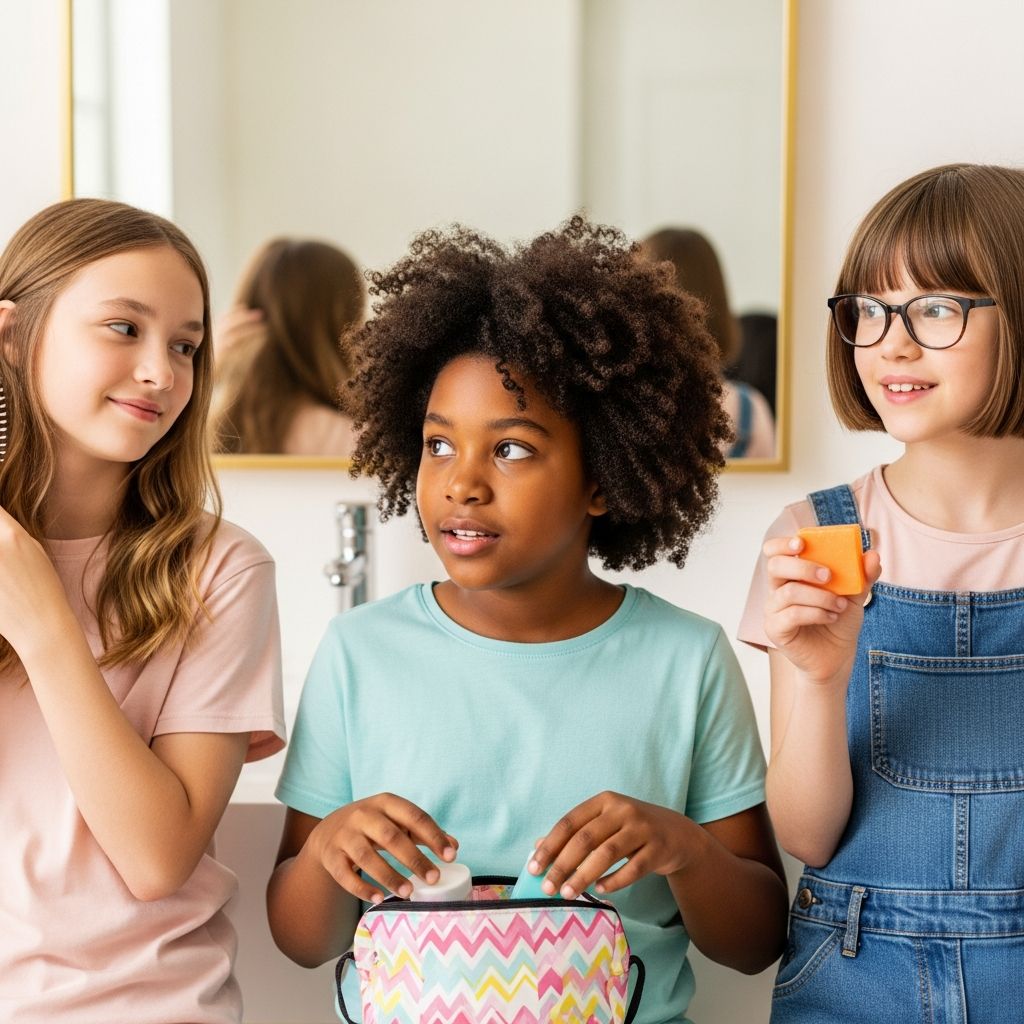
For brushing teeth, weighted or silicone-tipped brushes reduce sensory input. Pre-moistened wipes serve as alternatives for quick freshens when full showers feel impossible. Involve the teen in shopping trips to build ownership—let her pick colors or scents she tolerates.
Building Visual Routines for Daily Self-Care
Visual schedules break overwhelming tasks into manageable steps, leveraging the predictability autistic individuals often thrive on. Create laminated charts or apps showing sequences like morning or evening hygiene.
Example Morning Routine Schedule:
| Step | Action | Visual Cue |
|---|---|---|
| 1 | Wash face with soft cloth and mild cleanser | Picture of face washing |
| 2 | Brush teeth for 2 minutes with timer | Toothbrush icon with timer |
| 3 | Apply deodorant to underarms | Deodorant swipe motion |
| 4 | Change into fresh clothes | Clothing stack image |
Place schedules in bathrooms or bedrooms. Use checklists with Velcro pieces or apps like Choiceworks for interactivity. Start with one routine (e.g., evenings only) to avoid overload, gradually expanding.
For showering, detail body parts: wash hair, arms, torso, legs, private areas last with gentle soap. Dry systematically to reinforce completion. If water sensation bothers, use a handheld showerhead on low pressure or sponge baths.
Navigating Menstruation: Preparation and Management
Menarche often catches autistic girls unprepared, exacerbating anxiety. Start education early—around breast budding (typically ages 8-13)—using clear, visual explanations. Show period blood via safe demos like diluted food coloring on underwear to normalize it: “This is your body’s lining shedding; it’s healthy, not injury.”
Teach cycle tracking with apps or color-coded calendars. For product use:
- Practice changing pads on dolls or underwear models.
- Store supplies in discreet, appealing pouches for school bags.
- Discuss pain relief (heat pads, meds) and laundry discreetly.
Sensory tweaks: Seamless period underwear reduces bulk; organic cotton pads minimize itch. Studies confirm many ASD girls need extensive maternal guidance here, as independent pad changing proves difficult.
Addressing Hair Care, Shaving, and Skin Maintenance
Puberty prompts greasy hair and acne, demanding more frequent washing. For hair averse to water, use conditioner-only washing or soft sponges. Detangling sprays and wide-tooth combs prevent pain.
Shaving introduces sharp tools and new sensations. Begin with electric razors or cream-free gels. Visual guides show leg/arm paths; supervise initially for safety.
Acne care: Gentle, non-comedogenic spot treatments. Avoid scrubbing; pat dry. If picking occurs, redirect to squeeze toys.
Fostering Independence Through Positive Reinforcement
Shift from nagging to empowerment. Offer choices: “Shower now or after dinner?” Use rewards like preferred stickers or screen time post-routine. Role-model casually: “I’m washing my hair because sweat builds up.”
Practice in low-stakes settings, like handwashing with songs. Physical prompts fade over time: hand-over-hand to independent. Patience is key—repetition builds neural pathways for habits.
Social stories explain why: “Clean bodies help friends want to hug; fresh scent feels confident.” Boosts self-esteem as independence grows.
Overcoming Emotional and Motivational Barriers
Hygiene links to shame if past experiences involved force. Rebuild trust with consent: “You decide when you’re ready.” Validate feelings: “Water can feel yucky; let’s find what works.”
Energy budgeting: Pair high-demand tasks (shower) with rest. Track moods via journals to spot patterns.
Role of Family, Schools, and Professionals
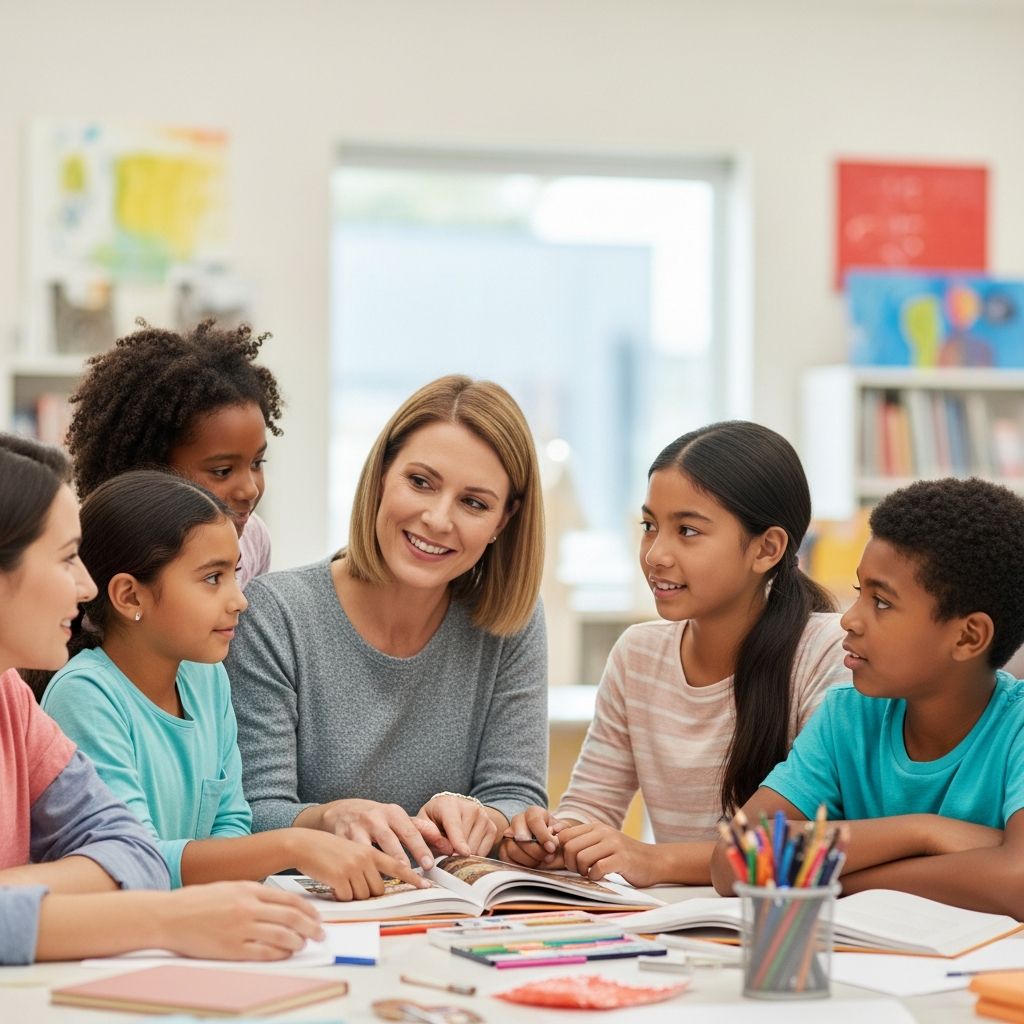
Parents: Collaborate without power struggles; seek OT for sensory strategies. Schools: Provide private hygiene spaces, nurse access. Professionals: Tailored IEPs include hygiene goals.
Peer mentoring or autistic-led groups normalize experiences.
Frequently Asked Questions (FAQs)
What if my daughter refuses showers due to sensory issues?
Start small: Wipe-downs with favorite-scented wipes, progress to sponge baths. Involve her in product trials.
How do I teach pad changing privately?
Use anatomically correct dolls and private mirrors. Practice daily pre-menarche.
Are there apps for hygiene reminders?
Yes, like Autism Tracker or custom visual timers.
What about nighttime routines?
Include face wash, pajamas, deodorant refresh. Wind-down visuals aid sleep hygiene.
Does hygiene improve with age?
With consistent support, yes—many gain independence by late teens.
References
- Autism, Puberty and Hygiene Guide — Little Puddins. 2023. https://www.littlepuddins.ie/autism-puberty/autism-puberty-hygiene-guide
- Personal hygiene for autistic pre-teens and teenagers — Raising Children Network. 2024. https://raisingchildren.net.au/autism/health-wellbeing/toileting-hygiene/personal-hygiene-autistic-teens
- Teaching Hygiene to Students with Autism: Your Trusted Guide — Rise Up for Autism. 2023. https://riseupforautism.com/blog/autism-hygiene-checklist
- Teen with autism needs help with hygiene & appropriate behavior — Autism Speaks. 2022. https://www.autismspeaks.org/expert-opinion/teen-autism-needs-help-hygiene-appropriate-behavior
- Investigation of Menstrual Hygiene and Self-Care Skills of Adolescent Girls with Autism Spectrum Disorder — National Center for Biotechnology Information (PMC). 2024-10-15. https://pmc.ncbi.nlm.nih.gov/articles/PMC12476388/
- Autism and Hygiene: Tips for Parents of Teens on the Spectrum — Autism Parenting Magazine. 2023. https://www.autismparentingmagazine.com/approach-asd-teen-about-hygiene/