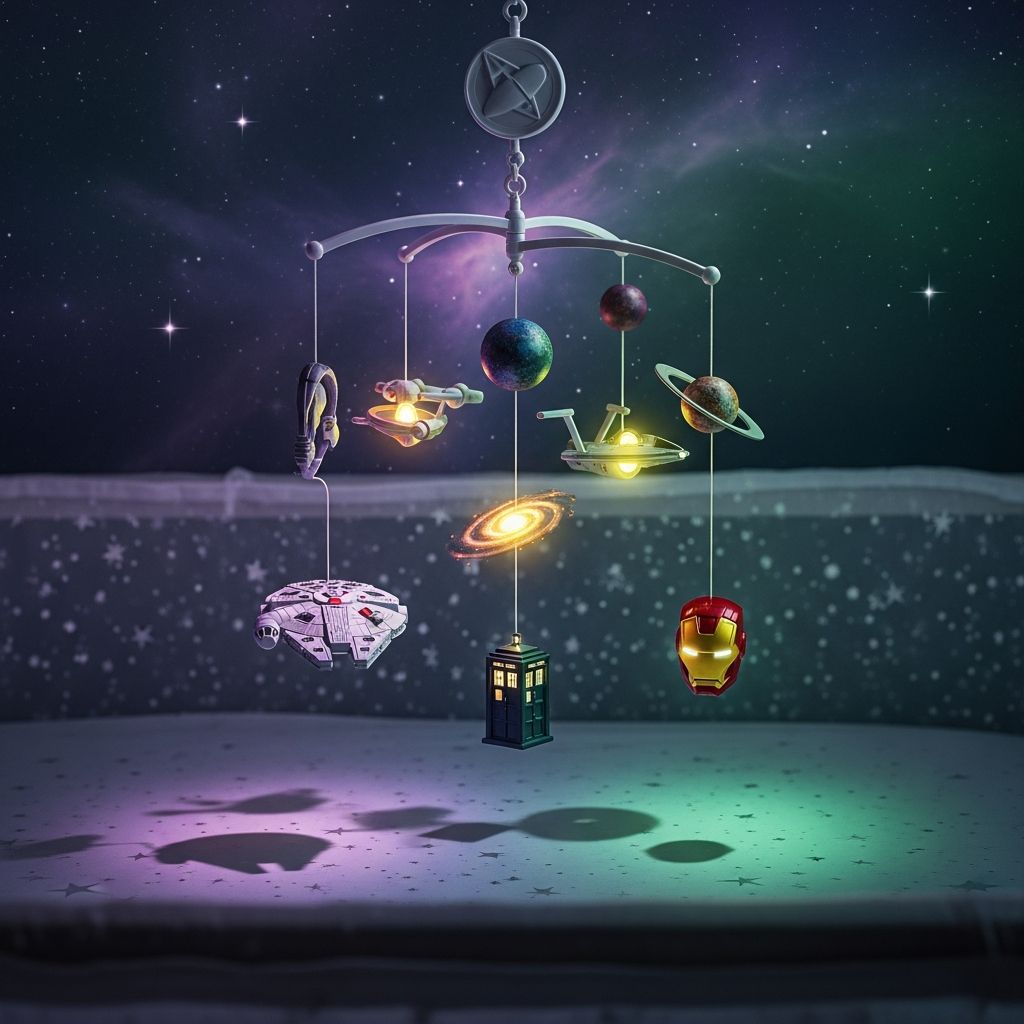
Celebrity baby names have always been unusual, but a growing number of high-profile parents are turning specifically to science fiction, fantasy, and futuristic ideas when naming their children.
This trend says as much about how modern parents see the future as it does about the power of pop culture and fandom in everyday family life.
The New Age of Statement Baby Names
In previous decades, unconventional baby names often drew from nature, spirituality, or niche subcultures; today, star parents regularly look to books, films, video games, and speculative fiction.
Names linked to space travel, AI, dystopian worlds, and heroic protagonists allow parents to make a public statement about creativity, rebellion, and optimism about the future.
Why Sci-Fi Is So Appealing to Parents
- Science fiction often explores radical futures, giving parents names that feel ahead of their time and resistant to tradition.
- Fandom communities make once-niche stories mainstream, so names inspired by them feel recognizable while still sounding edgy.
- Speculative worlds are full of symbolic characters, planets, and concepts that can be turned into meaningful names or middle names.
Fandom, Identity, and Parenting in Public
When globally recognized figures choose names that echo beloved fictional universes, those decisions instantly become cultural talking points.
The name is not only for the child but also a canvas on which parents project their tastes in art, technology, politics, and lifestyle.
How Pop Culture Shapes Naming Choices
Streaming platforms, online fan theories, and endless franchise reboots keep beloved stories constantly visible, so characters and worlds remain at the top of mind for expecting parents.
Instead of browsing traditional baby name books, many parents effectively browse their favorite fandoms, transforming personal obsessions into family identities.
Living in a World of Constant Commentary
Famous parents know that any naming decision will be debated on social media, criticized in comment sections, and repackaged as headlines.
Choosing a bold, sci-fi-laced name can be a way of taking control of that conversation, showing they are unafraid of controversy and intent on crafting a distinctive family brand.
The Psychology Behind Unconventional Names
Psychologists who study naming trends note that unusual names often correlate with a desire for individuality, creativity, and perceived uniqueness in both parents and children.
In high-visibility families, a rare or futuristic name may also function as a symbolic shield, setting the child apart from peers and signaling that ordinary rules do not fully apply.
Names as Micro-Narratives
A name inspired by a fictional hero or world carries a narrative that parents hope will attach to the child—courage, intelligence, rebellion, or visionary thinking.
Even when the story behind a name is complicated, parents can later choose which elements of that narrative to emphasize when they tell their child where the name came from.
The Risk of Over-Identification
- Children might feel pressured to live up to a grand or legendary reference embedded in their name.
- Names tied to controversial figures or polarizing fandoms can become burdensome if public opinion shifts.
- As kids grow more independent, they may choose to shorten, adapt, or legally change their names to fit their own sense of self.
When Art, Technology, and Parenting Collide
In some celebrity families, one parent is deeply immersed in technology and entrepreneurship while the other works in experimental art or music, and their naming choices clearly blend those worlds.
Names that evoke spaceships, simulated realities, or distant planets can feel like natural extensions of that shared aesthetic, rather than random stunts.
From Stage Names to Baby Names
Many artists already use stylized or symbolic stage names, so a highly conceptual baby name can feel like a continuation of that tradition rather than a departure.
What looks bizarre from the outside may seem perfectly coherent inside a household that treats art, identity, and futurism as an everyday vocabulary.
Tech Optimism and the Future Child
Parents with strong beliefs about space travel, AI, and human evolution sometimes choose names that reflect their hopes for their child’s place in a high-tech future.
These names can encode aspirations—such as resilience, curiosity, or cosmic scale—rather than simply honoring older relatives or national traditions.
Media Reactions and Public Debate
Each time a famous couple announces a child’s name that sounds like a character from a distant galaxy, online discourse quickly splits between admiration, amusement, and outrage.
Headlines highlight the most extreme aspects of the name, while fans dissect hidden references and critics question whether the child’s needs are being overshadowed by parental performance.
How Coverage Shapes Perception
| Group | Typical Reaction | Underlying Concern |
|---|---|---|
| Entertainment media | Treats the name as a spectacle or punchline, emphasizing novelty. | Maintaining audience engagement and traffic with eye-catching stories. |
| Fans | Decode references and celebrate the depth of the homage. | Affirming fandom identity and connection to the celebrity. |
| Critics | Question whether the name is practical or fair to the child. | Concern over bullying, legal complications, and long-term impact. |
Online Jokes vs. Offline Realities
Memes and jokes emerge within minutes of a name announcement, and while these reactions can fade quickly, they also become part of the digital footprint the child inherits.
Offline, families must handle everyday logistics such as school forms, medical records, pronunciation issues, and the child’s evolving comfort with their own identity.
What These Names Mean for the Kids
For the children themselves, growing up with a highly distinctive, sci-fi-inspired name can be both a gift and a challenge.
Some may embrace the uniqueness, seeing it as a built-in story; others may prefer to modify or simplify the name in social settings.
Possible Benefits for Children
- Having an uncommon name can foster a strong sense of individuality and memorability.
- A rich origin story can help children feel connected to their parents’ passions and creative worlds.
- In artistic or tech-driven circles, a bold name may even function as a conversation starter or brand asset.
Potential Difficulties Over Time
- Teachers, peers, and officials may mispronounce or misunderstand the name, leading to constant correction.
- Children may experience unwanted attention or teasing, especially when their parents are already prominent figures.
- Complex spellings or unconventional symbols can complicate travel documents, databases, and legal paperwork.
Guidelines for Parents Considering Sci-Fi Names
Parents inspired by their favorite novels or films can borrow the creative spirit of celebrity naming without copying extreme examples.
The key is balancing imagination with practicality so that the name works for both a playful childhood and a serious adult life.
Practical Tips Before Deciding
- Say the full name out loud in casual, formal, and professional contexts to test how it sounds in everyday life.
- Check how the name looks in email addresses, social media handles, and on official forms.
- Consider using the boldest references as middle names, keeping the first name more flexible and accessible.
- Imagine your child at different ages—toddler, teenager, professional adult—and ask whether the name still feels suitable.
Honoring the Story, Centering the Child
Parents can share with their child the inspirations behind the name—favorite authors, visionary ideas, or fictional heroes—while emphasizing that the story is an invitation, not an obligation.
Ultimately, the healthiest approach is to treat the name as a starting point for conversation about values, creativity, and independence rather than a script that must be followed.
SEO-Friendly FAQ About Sci-Fi Baby Names
Are sci-fi baby names becoming more common?
High-profile examples and the mainstreaming of fandom culture have made speculative-fiction names more visible, and many parents now feel freer to experiment beyond traditional lists.
Do unusual names hurt children later in life?
Research suggests that uncommon names can have both positive and negative effects depending on social context, community norms, and how confidently the child identifies with the name.
How can I choose a futuristic name that is still practical?
A balanced approach is to select a recognizable first name and pair it with a more experimental middle name drawn from a beloved story, concept, or character.
What if my child dislikes their sci-fi name?
Many people grow into their names, but parents can also support nicknames or later legal changes, reinforcing that personal comfort matters more than the original reference.
Is it respectful to name a child after a fictional character?
Using a fictional name can be respectful if parents understand the story’s themes and are prepared to explain them thoughtfully, while remaining open to the child forming their own opinions.