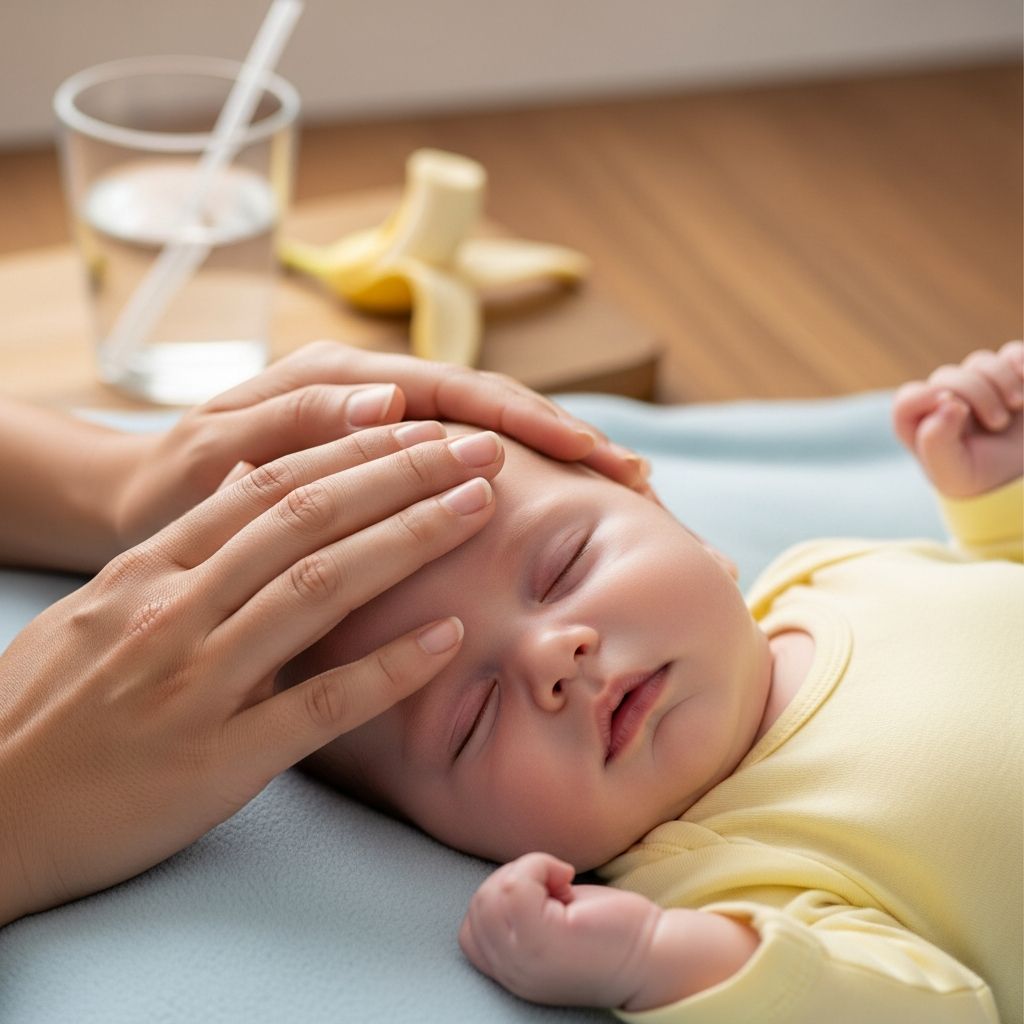
Seeing a baby shake their head can be surprising, and it often makes parents wonder if something is wrong. In many cases, head-shaking is a normal part of development, but sometimes it can signal an underlying issue that needs medical attention.
This guide explains the most common reasons babies shake their heads, how to tell what is typical versus concerning, and practical steps you can take to keep your little one safe and supported.
How Babies Use Their Heads to Learn
Babies do not just use their hands and eyes to explore the world; they also rely on head and neck movements. As neck muscles strengthen and balance improves, head-shaking can appear as part of this natural learning process.
Head movements help babies:
- Practice control of their neck and head as muscles develop.
- Experiment with balance and coordination while lying down, sitting, or being held.
- Discover cause and effect—moving their head makes their view and sensations change.
Common Normal Reasons Babies Shake Their Heads
Most babies will shake or bob their heads at some point, and in many situations this is completely normal. The context and your baby’s overall behavior provide important clues.
1. Building Motor Skills and Muscle Strength
As babies move from newborns with floppy heads to confident sitters, they try out new motions. Shaking the head from side to side can simply be a way to test what their bodies can do.
- Often seen when baby is alert, playful, and otherwise happy.
- Movements may be brief, irregular, and not perfectly coordinated.
- Usually occurs alongside other milestones such as rolling, pushing up on arms, or learning to sit.
2. Self-Soothing and Sleep-Related Head Movements
Some babies use repetitive movements to calm themselves, especially when tired, overstimulated, or trying to fall asleep. Head-shaking or gentle head-bobbing can be one of these patterns.
- May happen in the crib or bassinet before sleep or during night wakings.
- Often combined with body rocking, leg rubbing, or humming.
- Usually stops on its own as the child grows and finds other ways to self-soothe.
3. Communication and Imitation
Babies watch faces closely and quickly notice gestures like nodding for “yes” and shaking the head for “no.” Before they speak, they may copy these actions because they are fascinating and get strong reactions from adults.
- Head-shaking may happen during playful interaction with parents or siblings.
- Baby may smile, laugh, or vocalize while moving their head.
- The movement can become a “game” your baby repeats because it gets attention.
4. Exploring Sensations and the Inner Ear
Head movement stimulates the balance organs in the inner ear. Babies sometimes shake their heads simply because they enjoy the strange, new sensation this creates as the room appears to move or blur.
- More common when baby is in a new environment or has just learned to sit or stand.
- Usually brief and not continuous throughout the day.
- Stops easily when distracted with a toy, song, or change of position.
5. Head-Shaking During Feeding
Head movements can appear during breastfeeding or bottle-feeding. At the beginning, they may be related to rooting and trying to latch, and later they may reflect excitement or mild frustration when the milk flow changes.
- Newborns may move their heads side to side while searching for the nipple.
- Older babies may shake or bob their heads if the flow is too fast, too slow, or briefly interrupted.
- As long as baby is feeding well, gaining weight, and seems content, this is typically not a concern.
Age Guide: When Head-Shaking Usually Appears
Every baby is unique, but the timing of head-shaking can offer helpful context. The table below gives approximate age ranges and what might be happening developmentally.
| Age Range | Typical Head Movements | What It Often Means |
|---|---|---|
| 0–3 months | Small side-to-side turns, bobbing when held upright. | Mainly reflexive; baby is learning to control neck muscles. |
| 3–6 months | More deliberate shaking and turning, especially during play or tummy time. | Experimenting with movement and testing boundaries of control. |
| 6–12 months | Frequent head movement during play and interaction; possible imitation of “yes/no.” | Communication attempts, curiosity, and self-soothing may all play a role. |
| 12–24 months | Head gestures used intentionally to signal choices, excitement, or displeasure. | More purposeful communication; persistent repetitive shaking without context may warrant a checkup. |
When Baby Head-Shaking May Signal a Problem
While most head-shaking is harmless, there are situations where it can point to an underlying medical or developmental concern. Watching for patterns and associated symptoms can help you decide when to call the pediatrician.
Warning Signs to Watch For
Contact your child’s healthcare provider if you notice any of the following along with head-shaking:
- Head movements are constant, very forceful, or difficult to interrupt.
- Shaking is paired with unusual eye movements, such as rapid flickering, rolling, or eyes that do not track together.
- Your baby seems unusually stiff or floppy, or loses previously gained motor skills.
- There is a lack of social engagement—baby rarely looks at faces, smiles, or responds to voices.
- Head-banging against the crib, floor, or wall appears aggressive or is causing bruises, bumps, or bald spots.
- Shaking occurs with fever, vomiting, extreme irritability, or changes in consciousness.
- Movements occur many times per day in the exact same pattern and last for long stretches.
Possible Underlying Conditions
Only a medical professional can diagnose the cause of unusual head movements, but it can be helpful for parents to know some of the conditions that may be associated with repetitive or abnormal head-shaking.
- Ear infections or ear discomfort: Babies may shake or tug at the head and ears when they feel pressure or pain, especially if they also have fever, congestion, or trouble sleeping.
- Vision or eye-movement issues: Certain disorders that affect eye control can be linked to head bobbing or unusual head positioning as the child tries to stabilize vision.
- Balance and inner-ear problems: Conditions that affect the inner ear or brain areas involved in balance may lead to repetitive figure-eight or side-to-side head movements.
- Neurological or seizure disorders: Some seizure types or movement disorders in infancy can appear as rhythmic or jerky head nods, often accompanied by changes in awareness or other muscle groups.
- Developmental and behavioral differences: Children with certain developmental conditions may use repeated body movements, including head-shaking, as a form of self-stimulation or regulation.
Not every baby with these conditions will shake their head, and many babies who shake their heads will never be diagnosed with any disorder. The overall developmental picture is more important than one behavior in isolation.
How to Respond If Your Baby Shakes Their Head
Parents often feel unsure about how to react to unusual movements. Taking calm, practical steps can help you protect your child while gathering the information your healthcare provider may need.
Step-by-Step Approach for Parents
- Stay calm and observe: Take note of when the head-shaking happens, how long it lasts, and what your baby was doing just before it started.
- Check for other symptoms: Look for fever, rash, vomiting, feeding problems, or unusual behaviors that appear at the same time.
- Try gentle distraction: Offer a favorite toy, pick up your baby, change rooms, or start singing. Harmless developmental movements often stop easily when attention shifts.
- Keep a brief log: Record dates, times, duration, and details of the episodes. Include whether your baby was tired, hungry, excited, or ill.
- Capture a short video: If safe to do so, record the movement. Videos are extremely helpful for doctors trying to understand what is happening.
- Contact the pediatrician if concerned: Share your notes and videos, especially if the shaking is frequent, intense, or associated with red-flag symptoms.
Comforting and Supporting Your Baby
Regardless of the cause, you can support your baby by creating a calm, predictable environment and providing safe opportunities for movement.
- Offer plenty of supervised tummy time to build strong neck and core muscles.
- Follow a soothing pre-sleep routine (dim lights, quiet voices, gentle rocking).
- Limit overstimulation from screens, loud noises, and constant activity, especially before naps and bedtime.
- Use a firm, flat sleep surface free of loose blankets and pillows to reduce injury risk if your baby moves a lot.
Questions to Ask Your Pediatrician
Preparing a few questions ahead of your child’s appointment can make your visit more productive and reassuring. Consider bringing your head-shaking log and video clips if available.
- Have you seen this kind of head movement before, and does it look typical for my baby’s age?
- Are there any specific symptoms or changes I should watch for at home?
- Do you recommend checking hearing, vision, or doing any imaging or lab tests?
- How can we best support my baby’s development while we monitor these movements?
- When should we schedule a follow-up visit, and under what circumstances should we seek urgent care?
Safe Home Environment Checklist
For babies who move their heads vigorously or frequently, making the home environment as safe as possible is especially important. The table below summarizes key safety points.
| Area | Action Item | Why It Helps |
|---|---|---|
| Sleep space | Use a firm mattress with a fitted sheet only; avoid pillows and stuffed toys. | Reduces the risk of suffocation if baby moves or presses against objects. |
| Crib or bassinet | Ensure slats are properly spaced and hardware is secure. | Prevents head entrapment or injury during active movements. |
| Floor time | Provide a soft, flat play mat; avoid elevated surfaces for unsupervised play. | Protects baby from falls and gives room to move freely. |
| Feeding | Support baby’s head and neck, especially in younger infants. | Helps prevent strain and ensures safe swallowing during head movement. |
| General supervision | Stay within arm’s reach when baby is on furniture, changing tables, or other high surfaces. | Allows you to quickly intervene if sudden movements put baby at risk of falling. |
Frequently Asked Questions (FAQs)
Is it normal for my baby to shake their head side to side?
Side-to-side head-shaking is common, especially as babies gain neck control, explore new sensations, and learn to communicate. As long as your baby is otherwise developing normally, appears comfortable, and the movements are not constant or associated with other worrisome signs, it is usually considered a normal part of growth.
Why does my baby shake their head before falling asleep?
Many infants use repetitive motions like head-shaking or body rocking as a way to calm themselves when they are tired. These movements can help them release energy and settle, similar to the way adults may fidget or shift positions before sleep. If your baby seems relaxed, not in pain, and sleeps well, this behavior is typically not harmful.
Should I stop my baby from shaking their head?
If the head-shaking appears to be a harmless, self-chosen movement and your baby is safe, there is usually no need to constantly stop it. Instead, focus on providing a secure environment and gently redirecting your baby with toys, songs, or cuddles if the movement becomes too intense or seems tied to frustration. However, if you are worried about injury or suspect a medical cause, consult your pediatrician promptly.
Can head-shaking damage my baby’s brain or neck?
Most babies do not generate enough force with typical head-shaking to cause harm to the brain or neck. The concerning situations are those involving violent shaking by another person or very forceful, repetitive movements that lead to visible injury. If you see bruises, swelling, changes in behavior, or have any concern that your baby has been shaken or hurt, seek medical care immediately.
When should I be seriously concerned and seek urgent help?
Seek urgent medical attention if head-shaking is accompanied by difficulty breathing, changes in skin color, unresponsiveness, stiffening or jerking of the limbs, or if your baby seems to lose awareness of their surroundings. These signs can indicate seizures, serious infections, or other emergencies that need rapid evaluation.
Key takeaway: Occasional, playful, or sleep-related head-shaking is often a normal part of infancy. Persistent, intense, or unusual movements—especially when paired with other symptoms—deserve a careful look from a pediatric professional. When in doubt, trust your instincts and ask for medical guidance.