Why Baby Walkers Remain a Concern for Modern Parents
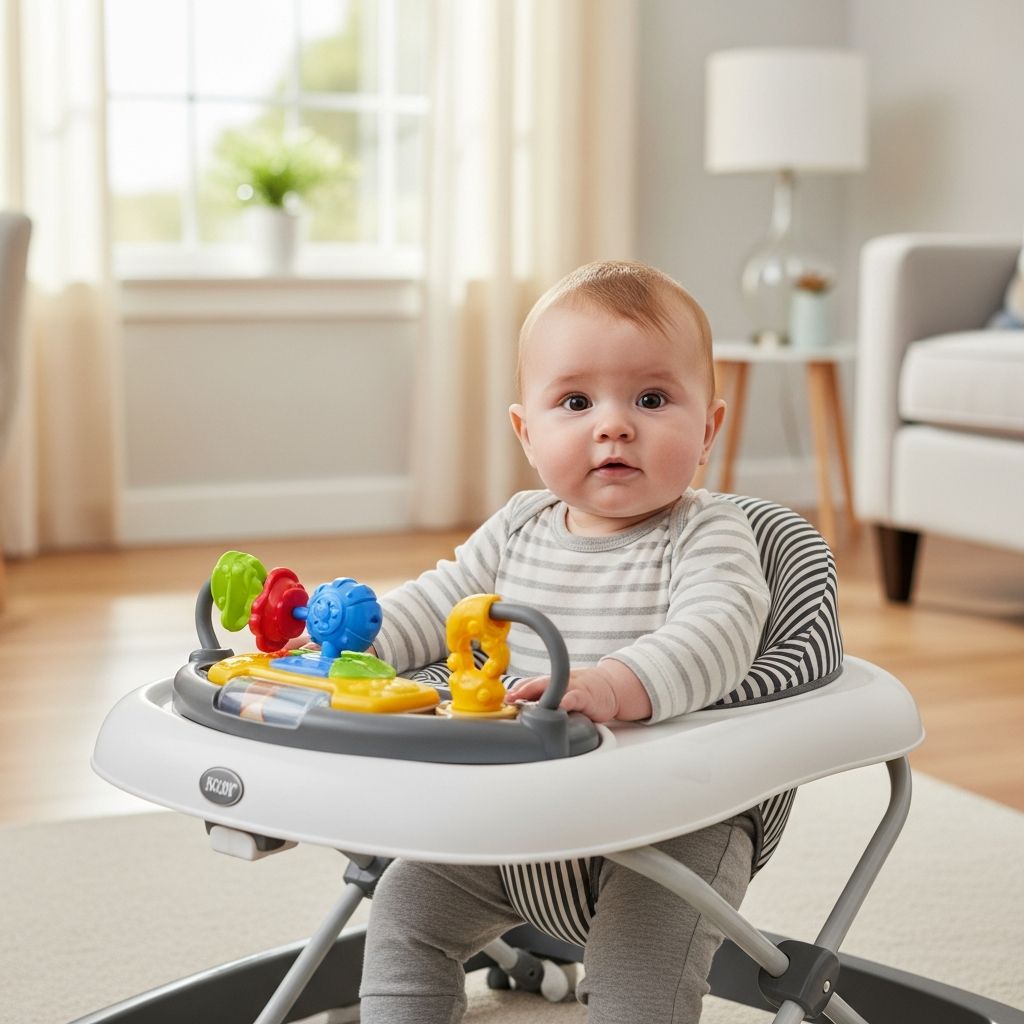
Parents seeking to support their infant’s development often encounter conflicting advice about various products designed to aid mobility. Baby walkers have been marketed for generations as developmental tools that help children learn to walk independently. However, medical professionals and child development experts have raised significant concerns about these devices. The reality is that walkers present multiple hazards while offering little developmental benefit, making them an increasingly controversial choice among health-conscious families.
The debate surrounding baby walkers reflects a broader shift in parenting approaches. As research has accumulated over the past two decades, the consensus among pediatricians has become increasingly clear: these devices pose more risks than benefits. Understanding the reasons behind professional recommendations against walkers can help parents make informed decisions about their child’s safety and development.
The Speed Factor: Understanding Mobility Risks
One of the most dangerous aspects of wheeled baby walkers is their surprising velocity. Infants using walkers can propel themselves at speeds exceeding three feet per second, moving far faster than they could achieve crawling or walking independently. This rapid movement capability creates a critical safety gap: even attentive caregivers cannot react quickly enough to prevent accidents.
When a child reaches this speed while in a walker, they can traverse dangerous distances in mere seconds. A baby might roll toward stairs, an open door, a swimming pool, or a fireplace before a watching adult has time to intervene. The walker’s height also extends the child’s reach, allowing access to objects positioned on countertops and shelves that would otherwise remain out of grasp.
Emergency departments across the country report tragic consequences of this speed differential. Trauma centers have documented cases where infants in walkers accessed hot beverages, fell from elevated surfaces, or entered pools while supervised by present caregivers. The fundamental problem is that the device’s speed advantage over human reaction time creates an inherent safety deficit.
Injury Patterns and Emergency Room Data
Statistical evidence reveals the extent of walker-related injuries in healthcare settings. Between 1990 and 2014, nearly 231,000 children under 15 months of age visited emergency departments due to walker-related injuries, with approximately 90 percent involving head and neck trauma. More recent data from the Consumer Product Safety Commission indicated an average of 3,000 injuries annually among children under 15 months treated in hospital emergency departments from 2004 through 2008.
These injuries reflect specific hazard categories that parents should understand:
- Head and neck injuries: Falling from walkers or down stairs results in traumatic brain injuries, concussions, and facial trauma
- Drowning incidents: Children have drowned in bathtubs and pools while in walkers, as the device’s speed allows rapid access to water hazards
- Thermal injuries: Burns occur when infants reach hot stoves, ovens, or scalding liquids while in walkers
- Chemical poisoning: Enhanced reach allows access to cleaning supplies and toxic substances stored on lower shelves
- Crushing and laceration injuries: Fingers and limbs trapped in walker mechanisms or struck by furniture create additional trauma
The concerning reality is that most of these injuries occur while adults are present and supervising. This fact undermines a common assumption that careful monitoring can prevent walker-related accidents. The device’s speed simply exceeds human protective capacity.
Developmental Consequences and Motor Skill Impact
Beyond immediate safety concerns, baby walkers create long-term developmental complications that can affect how children learn fundamental movement patterns. When infants use walkers, they are positioned in an upright stance that differs significantly from natural development progression. This atypical positioning forces the body into positions that discourage proper muscle engagement and balance development.
Several specific developmental problems emerge from extended walker use:
- Abnormal weight distribution: The walker’s seat supports much of the child’s body weight, preventing them from learning to balance independently or distribute weight appropriately through their legs and feet
- Improper propulsion mechanics: Children in walkers typically push forward on their toes rather than learning the proper heel-to-toe weight shift necessary for efficient walking
- Compromised leg positioning: Walkers encourage external rotation of the hips and pointed-toe positioning, creating abnormal forces on developing joints
- Reduced stability development: The walker’s guardrails eliminate the natural wobbling and balance correction that develops trunk stability and coordination
- Limited trunk rotation: Natural walking requires rotating the torso in opposition to leg movement; walkers prevent this essential coordination pattern
Research has consistently demonstrated that infants using walkers show delayed achievement of normal walking milestones. A 2002 study provided evidence that walker use is associated with delays in reaching locomotor milestones, while a 2019 study found that children who had used walkers exhibited slower walking speeds, longer stance and swing phases, and reduced natural knee movement compared to non-walker users. These children essentially learn to walk in a pattern that their bodies will need to unlearn and correct.
The False Promise of Earlier Walking
Marketing materials and family traditions often perpetuate the myth that baby walkers help children learn to walk sooner or develop stronger leg muscles. Medical evidence thoroughly contradicts this assumption. Infants do not learn to walk faster or more effectively through walker use, despite the device’s appearance of facilitating mobility.
The fundamental skills required for independent walking cannot be developed while in a walker. Children need to practice crawling, pulling themselves up to standing using furniture or your hands, cruising along surfaces while holding on, and ultimately learning to shift their weight and balance without support. Walkers bypass these crucial developmental stages and give parents a false sense that their child is making progress toward walking.
When infants are placed in walkers, they miss opportunities to develop the core strength, balance proprioception, and confidence necessary for safe independent locomotion. The walker essentially provides artificial support that masks developmental gaps rather than building the foundational skills walking requires.
Professional Recommendations and Policy Status
The stance of major medical organizations has evolved toward clear opposition to baby walkers. The American Academy of Pediatrics has called for an outright ban on wheeled baby walkers due to safety and developmental concerns. Canada has already prohibited the sale of baby walkers with wheels, recognizing them as inherently unsafe.
Healthcare professionals across multiple specialties concur with these recommendations. Pediatricians, trauma surgeons, physical therapists, and child development specialists all advise against walker use. Trauma programs at major medical centers have documented increasing awareness of walker-related injuries and actively encourage prevention through education.
This professional consensus reflects decades of accumulated evidence rather than theoretical concern. The injuries walkers cause are well-documented, preventable, and sufficiently common to warrant systemic warnings and recommendations.
Safer Alternatives for Supporting Mobility Development
Parents who want to support their child’s development and mobility have several evidence-based alternatives to walkers that provide safety and developmental benefit:
- Activity centers: Stationary play equipment allows infants to stand and move while remaining contained in a safe space. These products do not create the speed hazard of wheeled walkers and do not artificially support weight in ways that compromise development.
- Push toys: Once children have begun pulling themselves up to standing and showing interest in cruising, lightweight push toys designed for this developmental stage provide support while allowing more natural walking patterns.
- Cruising furniture: Allowing infants to pull up on couches, tables, and other low furniture naturally encourages balance development and provides realistic walking practice with progressive challenge.
- Supervised floor play: Crawling, rolling, and playing on safe floor surfaces develops core strength and coordination essential for walking without artificial support.
- Tummy time and reaching activities: These foundational practices build the upper body and core strength necessary for independent movement.
Each of these alternatives supports natural developmental progression without introducing preventable safety hazards. They encourage children to develop strength, balance, and coordination through their own effort rather than relying on external support.
Creating a Safe Environment During Mobility Learning
Regardless of what products parents choose, the home environment should be structured to support safe exploration and development. Key considerations include:
- Securing furniture to walls to prevent tipping when children pull themselves up
- Installing safety gates to block access to stairs and dangerous areas
- Removing small objects and hazards from floor level and accessible surfaces
- Installing outlet covers and securing electrical cords
- Keeping hot beverages and cooking areas away from infant reach
- Ensuring any play areas are clean and free of choking hazards
This proactive approach to home safety supports natural development without relying on potentially dangerous devices.
Frequently Asked Questions About Baby Walkers
If I use a walker but supervise closely, will my baby be safe?
No. Most walker injuries occur while adults are present and supervising. The device moves faster than humans can react, making close supervision insufficient to prevent accidents. The speed advantage of walkers over caregiver reaction time creates an inherent safety gap that supervision cannot eliminate.
Will using a walker help my baby walk sooner?
Research shows that walkers do not help babies walk sooner and actually may delay walking milestones. The device prevents children from practicing essential developmental skills like pulling up, cruising, and balance development that are necessary for safe independent walking.
At what age are baby walkers appropriate?
Medical professionals recommend against baby walkers at any age. However, if parents choose to use one despite recommendations, it should never be used before a baby can sit independently or after they have begun walking independently. Usage should be extremely limited and only on completely flat surfaces with all hazards removed.
What injuries are most common with baby walkers?
Head and neck injuries account for approximately 90 percent of walker-related emergency room visits. Drowning, burns, poisoning, and traumatic brain injuries are also documented risks. Falls down stairs are particularly common and result in serious trauma.
Are there any types of walkers that are safer?
Stationary activity centers without wheels are safer alternatives, though they do not provide the mobility that wheeled walkers do. Push toys designed for older toddlers are appropriate once children can walk independently. However, traditional wheeled sit-in baby walkers pose inherent risks regardless of design modifications.
What should I do if I have already used a walker with my baby?
Stop using the walker immediately. Monitor your child for any signs of developmental delays or walking pattern abnormalities. Consult with your pediatrician if you have concerns about your child’s development or if they experienced any injuries while using the walker.
Making the Transition to Safe Mobility Support
If your family has used or is considering a baby walker, the transition to safer alternatives is straightforward. Begin by removing the walker from your home and replacing it with evidence-based alternatives like activity centers or push toys appropriate to your child’s developmental stage. Focus on creating ample supervised floor time where your child can practice crawling, pulling up, and cruising naturally.
Communicate with other caregivers including grandparents, childcare providers, and babysitters about your commitment to avoiding walkers. Provide them with information about safer alternatives so everyone supporting your child understands the reasoning behind your choices.
Remember that development follows individual timelines. Some children walk at nine months while others don’t walk until 15 or 16 months, and both patterns are completely normal. Patience with natural development produces better outcomes than artificially accelerating mobility through potentially harmful devices.
Conclusion: Prioritizing Safety Over Tradition
Baby walkers represent a case where tradition and marketing have created a disconnect from medical evidence and child safety. While these devices have been part of childhood for decades, contemporary research has revealed significant risks that justify moving away from their use. Professional medical organizations, developmental experts, and injury prevention specialists all align in recommending against walkers in favor of safer alternatives that better support natural development.
The choice to avoid baby walkers is not about limiting your child’s development or being overly cautious. Rather, it reflects current understanding of how infants develop mobility skills and the specific hazards that wheeled walkers create. By choosing evidence-based alternatives and creating safe home environments, parents can support their children’s natural development while eliminating a preventable source of serious injury.
References
- Baby Walkers: What Every Parent Needs to Know — Tufts Medicine. 2024. https://www.tuftsmedicine.org/about-us/news/baby-walkers-what-every-parent-needs-know
- Why Baby Walkers Are Unsafe — Consumer Reports. 2021. https://www.consumerreports.org/product-safety/baby-walkers-unsafe-still-sold-in-us-a3111814380/
- Why Baby Walkers Aren’t Safe—and What to Buy Instead — The Bump. 2024. https://www.thebump.com/a/baby-walkers
- Baby Walkers and Exercise Jumpers — Pregnancy Birth Baby. 2023. https://www.pregnancybirthbaby.org.au/baby-walkers
- Baby Walkers: A Dangerous Choice — HealthyChildren.org (American Academy of Pediatrics). 2024. https://www.healthychildren.org/English/safety-prevention/at-home/Pages/baby-walkers-a-dangerous-choice.aspx
- Dangers of Baby Walkers and Safer Alternatives — Banner Health. 2024. https://www.bannerhealth.com/healthcareblog/advise-me/dangers-of-baby-walkers-and-safer-alternatives
- Safety Advice for Babies on the Move — Sunshine Health (Wellcare NC). 2023. https://www.wellcarenc.com/members/medicaid/helpful-tips-information/family-planning-services/healthy-mom-and-babies/walking.html