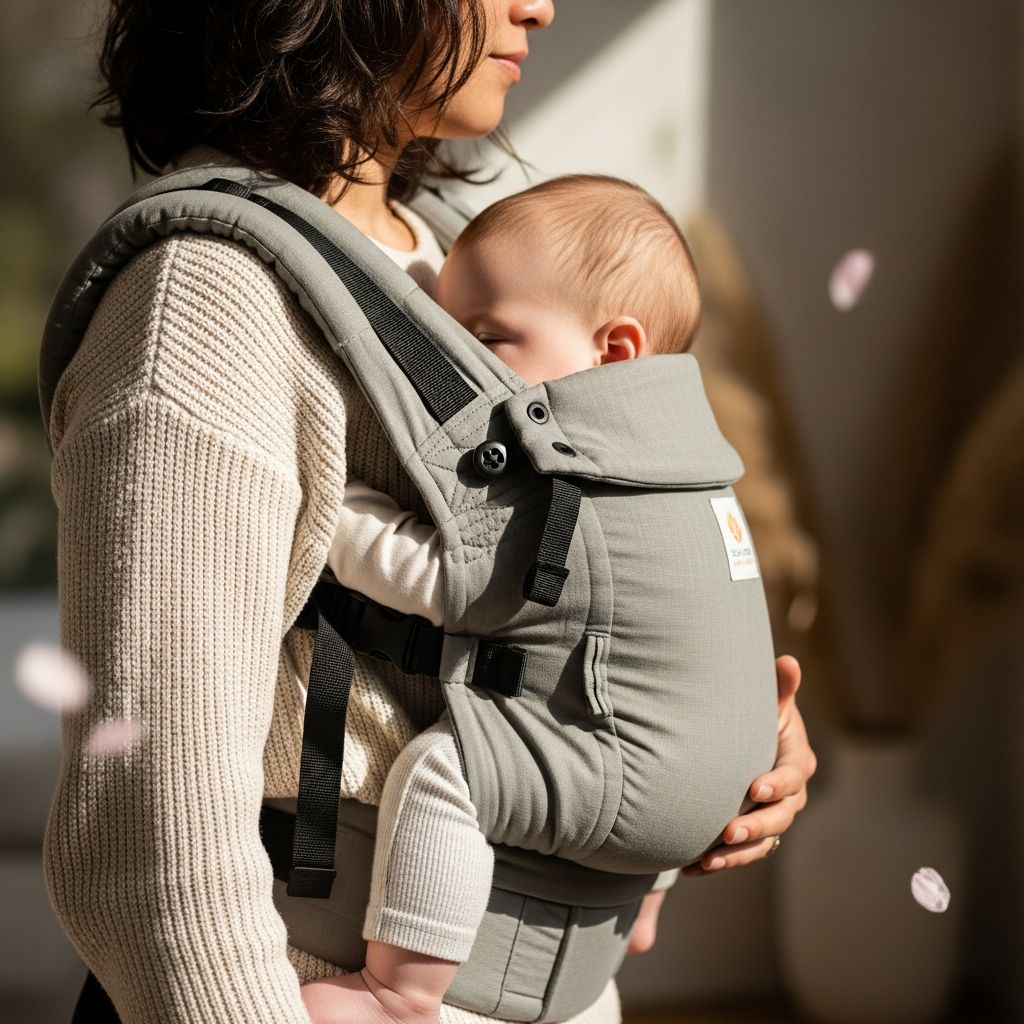
Choosing a baby carrier can feel surprisingly high stakes: it affects your comfort, your baby’s safety, and sometimes even your sanity on long days out. The Sakura Bloom Scout is a premium, minimalist carrier that promises style and support from the baby stage through toddlerhood. This article offers a fresh, in-depth look at what the Scout actually delivers, who it suits best, and whether it justifies its higher price tag.
Instead of repeating marketing claims, this review walks through real-world considerations—fit, learning curve, fabric feel, and long-term use—so you can decide if the Scout belongs in your babywearing lineup or if another carrier might be a better match for your lifestyle and budget.
What Makes the Sakura Bloom Scout Different?
The Scout sits in a unique space between a structured soft carrier and a simple wrap. It offers more support and features than a classic ring sling but avoids the bulk and complicated buckles of many fully structured carriers. Think of it as a streamlined, hybrid-style carrier built with style-conscious parents in mind.
Because it’s designed for use from babyhood well into the toddler years, it aims to be a long-term solution rather than a short-lived newborn accessory. That versatility is part of what drives its cost—and a key factor when weighing value.
Design Overview: Minimalist, But Not Basic
The Scout is visually understated. There are no dangling straps, loud prints, or bulky waist belts. Instead, it focuses on clean lines and natural fabrics, which is a major draw for parents who don’t love the technical, gear-like feel of many baby carriers.
Despite that minimal appearance, there are intentional design details aimed at comfort and ergonomics. Understanding those features helps clarify whether this is a carrier you could wear for hours, or if it’s better reserved for shorter outings.
Key Structural Elements
- Panel-style body: A fabric panel supports baby’s torso and hips, encouraging a deep, ergonomic seat rather than a narrow, dangling leg position.
- Wide wrap-like straps: The shoulder straps fan out across your back instead of relying on thick padding, distributing weight through fabric spread rather than foam.
- Simple waist placement: There’s no oversized, stiff waistband; instead, the lower edge of the panel is anchored around your waist or high on your torso depending on baby’s size.
Fit and Sizing: Who Does the Scout Work Best For?
Every carrier fits bodies differently, and that’s especially true with more minimalist designs. The Scout is generally forgiving across a range of adult sizes, but it may feel more intuitive for some body types than others. Expect a short learning curve as you figure out strap tension, panel height, and how high to position baby on your torso.
Unlike highly structured carriers with heavily padded waistband buckles, the Scout relies on correct tightening and fabric spreading to feel secure. That can be liberating for some parents and frustrating for others, especially if they prefer more rigid support.
Adult Fit Considerations
- Petite wearers: Often appreciate the lack of heavy bulk and the ability to keep the carrier snug without a big waist belt digging into ribs.
- Larger or taller wearers: May value the long straps and adjustability but might need a bit more time to dial in a comfortable, non-slip configuration.
- Shared carrier households: The adjustability helps multiple caregivers use the same carrier, though frequent strap adjustments are inevitable when swapping between users.
Baby and Toddler Support: From Newborn to Walking Age
One of the Scout’s main promises is longevity: a single carrier that can work from the early months into toddlerhood. The key question is whether it feels truly supportive at both ends of that spectrum. Some carriers shine with tiny babies but feel inadequate for heavier toddlers, while others are overkill for newborns but perfect later on.
The Scout aims to cover that full curve by focusing on adjustable seat width, panel height, and strategically placed support around baby’s hips and back.
Ages and Stages Overview
| Stage | Approx. Weight Range | How the Scout Performs |
|---|---|---|
| Young baby (with strong neck control) | 12–15 lbs (varies by child) | Offers a snug, close hold; baby sits high on the chest with a supported back and tucked knees. |
| Older baby | 15–22 lbs | Often the sweet spot; carrier feels secure and supportive during walks and errands. |
| Young toddler | 22–30 lbs | Still comfortable for many caregivers, especially for shorter wear times or naps on the go. |
| Heavier toddler | 30+ lbs | Some wearers may start to feel more pressure on shoulders and back compared with highly padded carriers. |
Exact weight limits and age recommendations are always listed by the manufacturer, so be sure to double-check those numbers for safety before using the carrier with a newborn or larger toddler.
Comfort for the Wearer: How Does It Feel After an Hour?
Many carriers feel fine for five minutes in a living room but tell a very different story after an hour of walking around the neighborhood. Comfort is where the Scout earns much of its reputation among babywearing fans—and where personal preference plays a huge role.
The wide, unpadded straps are meant to mimic the supportive feel of a woven wrap. When properly spread over your shoulders and back, they distribute weight evenly and avoid the concentrated pressure points of thinner, padded straps.
Comfort Pros
- Wide straps can be adjusted to spread weight across a large surface area, reducing shoulder digging.
- The minimal waist structure can feel more flexible and less restrictive, especially when sitting or bending.
- Soft, breathable fabrics help reduce overheating for both parent and child.
Comfort Challenges
- If straps are not spread evenly, they can bunch and create pressure points.
- Caregivers used to thick padding may initially perceive the Scout as less supportive.
- Carrying very heavy toddlers for long periods may feel more tiring than with a heavily structured hiking-style carrier.
Fabric and Aesthetics: Style Meets Function
One of the Scout’s most noticeable selling points is its fabric. It typically comes in high-quality materials like linen or other natural fiber blends in muted, wearable colors. This makes it feel more like a wardrobe piece than a piece of outdoor equipment.
The choice of fabric affects not only style but also temperature regulation, ease of washing, and how quickly the carrier softens and molds to your body over time.
Common Fabric Traits
- Breathable weave: Helps keep baby cool in warmer weather and avoids the swampy feel of some synthetic carriers.
- Softening with use: The carrier may feel slightly crisp at first, then break in and become more pliable with repeated wearing and washing.
- Neutral palette: Makes it easy to match with different outfits and doesn’t scream “baby gear” in photos.
Learning Curve: Is the Scout Beginner-Friendly?
Parents new to babywearing often want a carrier that feels intuitive within a few tries. The Scout lands in the middle: it’s more straightforward than tying a long woven wrap from scratch but requires more technique than a fully structured carrier with fixed panels and buckles.
Expect to spend a bit of time experimenting in front of a mirror, adjusting strap positions, and figuring out how high to wear baby. Once those basics click, daily use tends to feel quick and efficient.
Tips for Getting Comfortable Quickly
- Practice with a doll or stuffed animal first to understand how the straps tighten and distribute weight.
- Start with shorter wear sessions around the house before venturing out for long walks.
- Take photos or short videos of your favorite strap setup so you can recreate it easily next time.
Everyday Usability: How Does It Fit into Real Life?
Daily life with a baby is full of quick transitions—car to store, stroller to carrier, nap to playtime. A good carrier has to be easy to grab, adjust, and stash away. The Scout’s low-bulk profile gives it an advantage here, especially if you prefer to travel light.
Because it folds compactly, it fits easily into a diaper bag or under a stroller. The lack of bulky padding also makes it more comfortable to wear around your waist when your child wants to walk for a bit and you’re just “on standby.”
When the Scout Shines
- Neighborhood walks, grocery trips, and preschool drop-offs where you want quick up-and-downs.
- Travel days when you need a carrier that packs small but still handles long lines and airport terminals.
- Naps on the go for babies and younger toddlers who settle best when held close.
Premium Price vs. Practical Value
The biggest question most parents ask is whether a higher-priced carrier like the Scout is genuinely worth it, especially when there are many mid-range carriers that function perfectly well. Value is partly financial and partly about how often you’ll use the item.
If a carrier is comfortable, attractive, and easy to reach for, it’s more likely to be used daily. Over time, the cost per wear can end up lower than that of a cheaper carrier that sits in a closet because it’s uncomfortable or fiddly.
Simple Cost-Per-Use Thought Exercise
- Estimate how many months you expect to babywear regularly—say, 18 to 24 months.
- Consider how often you might use the carrier each week (for example, 4–7 days).
- Compare that frequency with the purchase price to gauge whether it feels like a worthwhile, long-term investment.
Pros and Cons at a Glance
| Advantages | Potential Drawbacks |
|---|---|
| Stylish, minimalist design that pairs well with everyday clothing. | Higher price point than many mainstream carriers. |
| Hybrid feel: more supportive than a simple sling, less bulky than a full soft-structured carrier. | Unpadded straps may take getting used to, especially for those who prefer thick cushioning. |
| Good age range, especially for older babies and young toddlers. | Some caregivers may find very heavy toddler wearing more tiring over time. |
| Compact and easy to pack for outings or travel. | Requires an initial learning curve to perfect strap placement and fit. |
| Natural fabrics often feel breathable and become softer with use. | Fabric may require a gentle wash routine and air drying, which takes more care. |
Who Will Love the Sakura Bloom Scout?
The Scout tends to appeal strongly to certain types of parents and caregivers. Understanding whether you fall into one or more of these groups can help clarify if this carrier is a strong match for your needs and preferences.
- Style-conscious caregivers: Those who want a carrier that looks like an intentional part of an outfit rather than sporty gear.
- Parents drawn to babywearing culture: If you like the idea of wraps and slings but want something slightly more structured, the Scout sits in that sweet spot.
- Families who babywear daily: Frequent use maximizes the value of a premium carrier and justifies the cost more easily.
- Those living in warmer climates: The lighter, breathable fabrics can feel more comfortable than thickly padded alternatives.
Who Might Prefer Another Carrier?
No single carrier suits every family, and recognizing potential mismatches early can save you frustration. The Scout might not meet your needs if you have very specific requirements around padding, structure, or budget.
- Parents wanting heavy-duty hiking support: If you plan on long, rugged hikes with a big toddler, a more heavily structured hiking carrier may serve you better.
- Caregivers with shoulder or back sensitivity: Some find thick, sculpted padding more comfortable than fabric-only strap systems.
- Budget-focused families: If cost is your top concern, more economical carriers can still offer safe and comfortable babywearing.
Practical Buying Tips
If you’re leaning toward the Scout, there are ways to reduce risk and increase the odds that you’ll truly enjoy the carrier. Planning ahead can protect both your comfort and your wallet.
- Check size and weight guidelines carefully to ensure they align with your child’s age and growth curve.
- Look for opportunities to try on a carrier in person—local babywearing groups, lending libraries, or trusted friends can be invaluable.
- Consider buying secondhand from reputable sources if allowed in your area; high-quality carriers often hold up well and can be safely reused when properly inspected.
- Think about your wardrobe and lifestyle to choose a fabric and color that you’ll genuinely reach for each day.
FAQs About the Sakura Bloom Scout
Is the Sakura Bloom Scout suitable for newborns?
The Scout can often be used early in baby’s life once basic head and neck control are present, but the exact timing depends on the manufacturer’s stated minimum weight and your baby’s individual development. Always follow the official guidelines and consult a pediatrician or certified babywearing educator if you have concerns.
Can I use the Scout for back carrying?
Back carrying can be an option once your baby is older, sits well unassisted, and meets the safety criteria outlined in the carrier’s instructions. Many caregivers prefer to begin with front carries and move to back carries as their baby becomes more curious and heavier.
How does the Scout compare to a fully structured soft carrier?
Compared with a fully structured carrier, the Scout typically feels less bulky and more like a wrap hybrid. It may provide a more custom, body-hugging fit, but it lacks the thick foam waist belt and heavily padded straps that some parents appreciate for long, high-weight carries.
Is it comfortable in hot weather?
Many versions of the Scout use breathable, lighter-weight fabrics that tend to feel cooler than dense synthetic materials. That said, any close-contact babywearing will feel warm in high temperatures, so dress both yourself and your child in light layers and take breaks in the shade when needed.
Will the Scout replace all my other carriers?
Some families find one carrier that meets nearly all their needs, while others prefer a small “carrier wardrobe” for different situations. The Scout can be a strong everyday choice, but you might still prefer a stretchy wrap for the newborn stage or a heavily structured carrier for long hikes.
Final Thoughts: Is the Sakura Bloom Scout Worth the Money?
Whether the Sakura Bloom Scout is worth its premium price depends largely on how often you plan to babywear and what kind of experience you want. If you value natural fabrics, a refined aesthetic, and a streamlined design that still supports baby from early months into toddlerhood, the Scout can be a deeply satisfying long-term purchase.
On the other hand, if maximum padding, ultra-technical features, or strict budget limits are top priorities, you may be happier with a different carrier. Ultimately, the Scout shines brightest for caregivers who want a beautiful, comfortable, and versatile babywearing option they’ll reach for day after day.