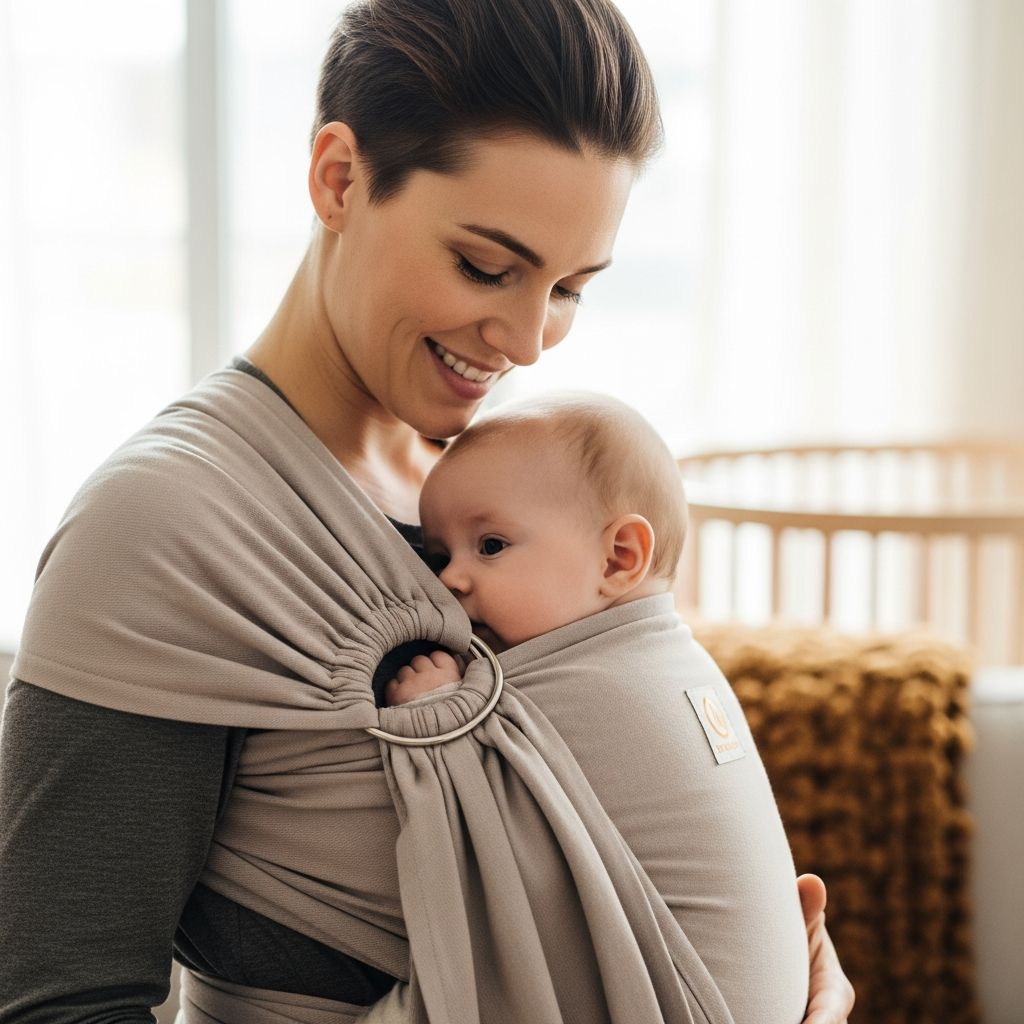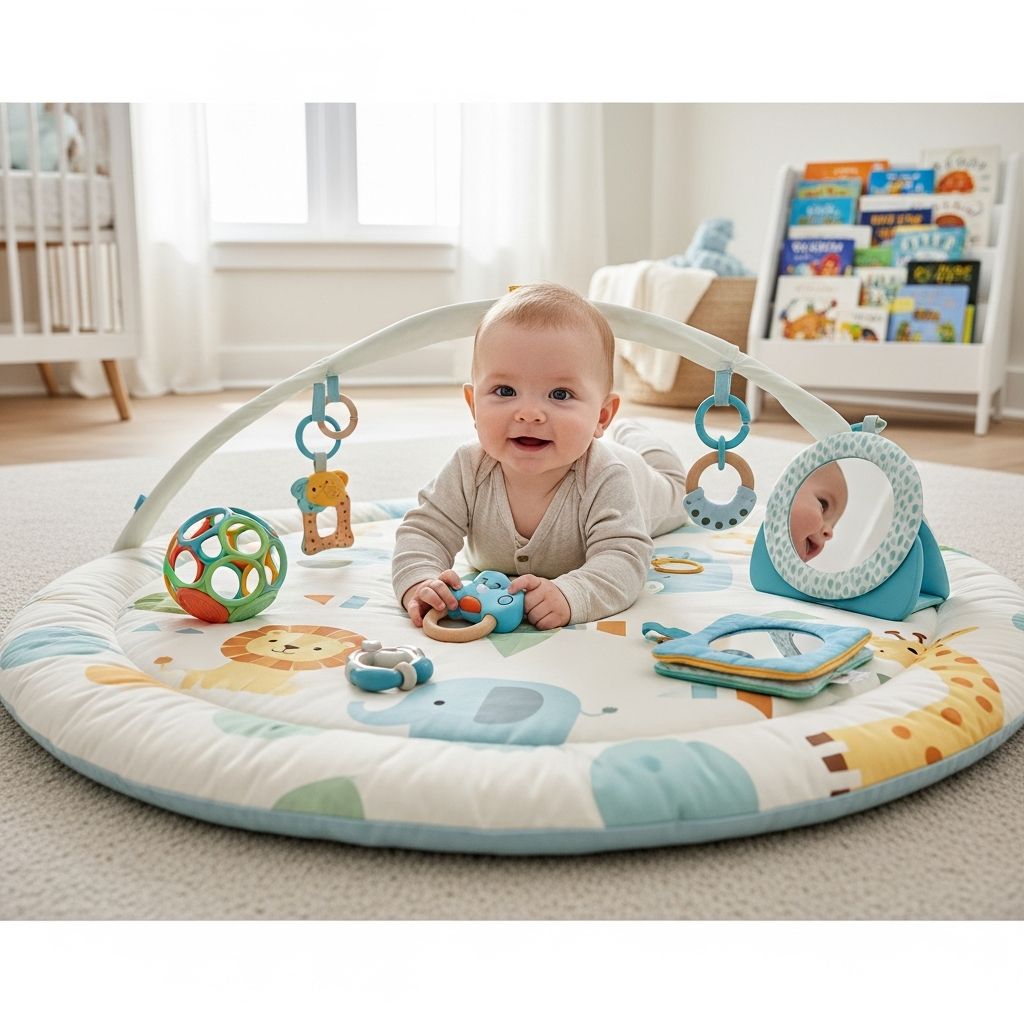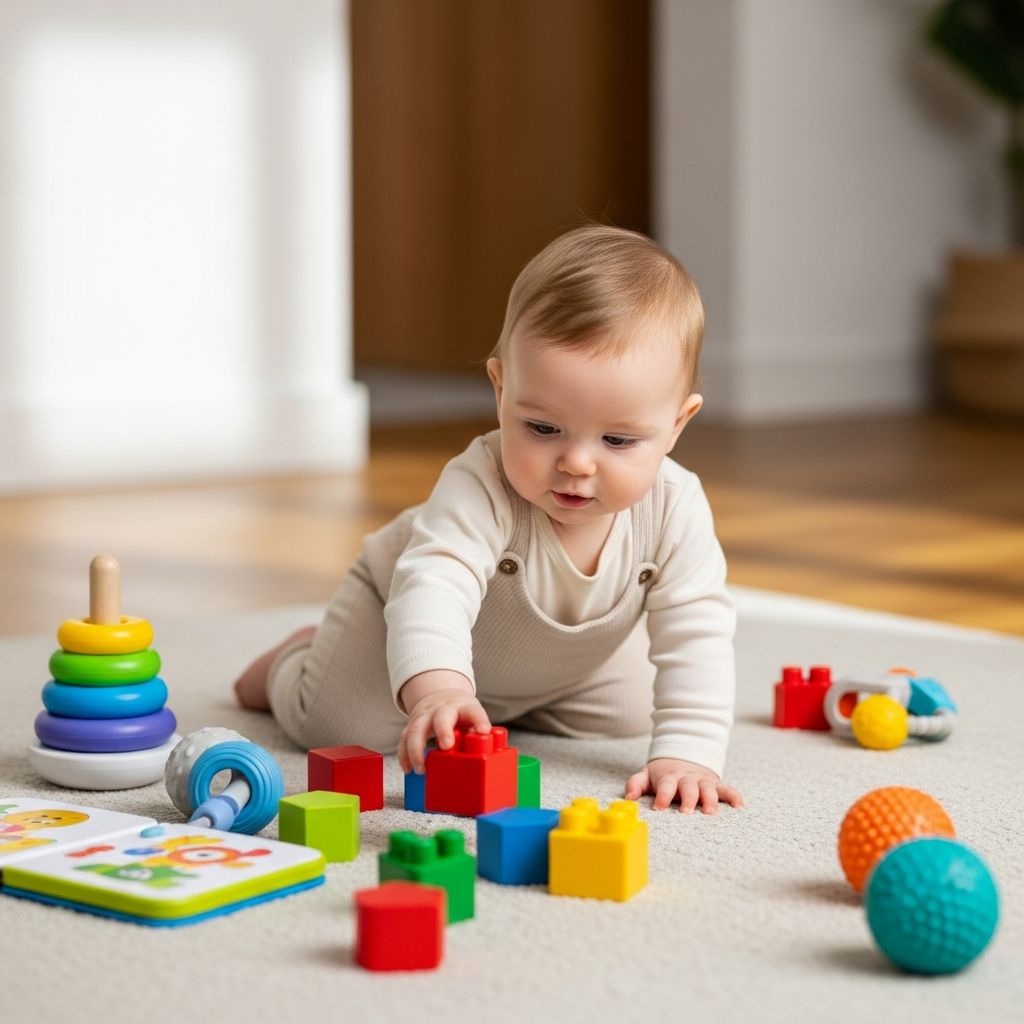
At 11 months, babies are bursting with energy and curiosity, rapidly advancing toward their first birthday. They refine motor abilities, experiment with sounds, and show budding independence in daily routines. This period marks significant strides in physical coordination, problem-solving, and social interaction, setting the stage for toddlerhood.
Physical Growth and Motor Achievements
Eleven-month-olds typically experience steady weight gain of about 0.5 to 1 pound per month, reaching around 17-24 pounds on average, with lengths between 28-31 inches. Head circumference grows more slowly now, stabilizing as the brain matures. New teeth often emerge, with four to six visible by year one, aiding in solid food consumption.
Gross motor skills dominate this age. Most babies master varied crawling techniques—hands-and-knees, belly scooting, or bottom shuffling—and transition smoothly from sitting to crawling or prone positions. Pulling up to stand using furniture or sturdy objects becomes routine, and many “cruise” by sidestepping along couches or tables while holding on.
Independent standing for brief moments or even tentative first steps occur in some, though full walking often arrives between 10-18 months. Babies bear weight on legs confidently, bounce when supported, and sit without assistance, sometimes leaning forward for balance.
| Motor Skill | Typical Achievement | Support Tips |
|---|---|---|
| Crawling Variations | Mastered by most | Clear floor space, place toys out of reach |
| Pulling to Stand | Common with furniture aid | Use low, stable surfaces |
| Cruising | Side-stepping along edges | Encourage with toys on furniture |
| Independent Steps | Possible in early walkers | Hold hands for practice walks |
Fine motor progress shines in hand-eye coordination. The pincer grasp—using thumb and forefinger—allows picking up tiny objects like cereal or raisins. Babies bang toys together, stack blocks crudely, and release items deliberately into containers, fostering dexterity.
Cognitive and Problem-Solving Advances
Cognitive leaps help 11-month-olds understand object permanence, searching for hidden toys under blankets. They explore cause-and-effect by shaking rattles, dropping items repeatedly, or pressing buttons on toys. Correct tool use emerges, like holding a pretend phone to the ear.
Attention spans lengthen, with interest in books shown by turning pages (often multiple at once) or imitating scribbles with jumbo crayons. Babies mimic adult actions, such as stirring with a spoon, revealing growing comprehension of daily routines.
- Shakes, bangs, or throws objects to test reactions
- Finds hidden items
- Imitates simple gestures like clapping
- Explores toys by turning them upside down
Language and Communication Progress
Speech milestones vary widely, but many utter 1-2 recognizable words like “mama” or “dada,” alongside rich babbling with consonant sounds (ba, da, ga). Gestures amplify expression: pointing to desired objects, waving bye-bye, nodding yes/no, or shaking head to refuse.
Babies respond to simple commands like “no” by pausing activities or to names by looking. They vocalize during songs, copy parental sounds, and engage in back-and-forth “conversations” via coos and babbles, building foundational language skills.
Social-Emotional and Behavioral Insights
Stranger anxiety peaks, with babies preferring familiar caregivers, crying at unknowns, or reaching arms to be picked up. Yet, joy abounds—they laugh often, mirror parental emotions, and delight in peek-a-boo or mirror play.
Independence grows: cooperating during dressing by extending limbs, feeding self finger foods, or signaling needs clearly. Play becomes interactive, rolling balls back-and-forth or bouncing to music, strengthening bonds.
Feeding, Sleep, and Daily Routines
Nutrition shifts to three solid meals daily plus breast milk or formula (about 24 ounces). Finger foods dominate—soft fruits, veggies, cheese—eaten with pincer grasp. Many sip from open cups (with help) or straws, showing faces of distaste for new flavors. Teething may cause drooling or fussiness.
Sleep patterns stabilize: 11-14 hours total, with 10-12 nighttime hours and two 1-2 hour naps. Night wakings for comfort decrease, though separation anxiety might prompt calls for parents.
Engaging Activities to Boost Development
Hands-on play fuels growth. Set up treasure baskets with safe household items (spoons, boxes) for sensory exploration. Read interactive books, naming pictures and encouraging points. Sing songs with gestures to enhance language.
For motor skills, create obstacle courses with pillows for crawling or low tunnels from boxes. Practice standing by placing toys atop stable stools. Utensil play with yogurt on spoons builds feeding independence, embracing the mess.
- Ball rolling games for turn-taking
- Stacking cups for fine motor
- Music time with clapping and swaying
- Outdoor walks in push toys for balance
Red Flags and When to Consult Professionals
Monitor for delays. Contact a pediatrician if your baby shows no babbling, avoids eye contact, cannot sit unsupported, doesn’t respond to name, or lacks crawling/cruising by 12 months. Absence of gestures like pointing or joy in social play warrants evaluation.
| Category | Potential Concerns |
|---|---|
| Motor | No sitting without support, no crawling/pulling up |
| Language | No babbling, gestures, or word attempts |
| Social | No smiling, eye contact, or response to sounds |
| Cognitive | No interest in toys or following moving objects |
Safety Essentials for Active Explorers
Mobility demands vigilance. Secure furniture to walls, gate stairs, and remove small hazards to prevent choking. Supervise constantly near elevated surfaces—never leave unattended on beds or changes. Baby-proof outlets, cabinets, and use non-slip mats in baths.
Parenting Strategies for Optimal Growth
Respond enthusiastically to efforts, narrating actions to expand vocabulary: “You’re stacking the blocks high!” Provide ample tummy time alternatives like supported sits. Limit screen time; prioritize real-world interactions. Track milestones via apps or journals, celebrating small wins.
Frequently Asked Questions
Is it normal if my 11-month-old isn’t walking yet?
Yes, walking typically begins between 10-18 months. Focus on crawling and cruising as precursors; consult if no movement progress.
How can I encourage first words?
Talk constantly, read daily, imitate babbles, and use gestures. Repetition builds confidence without pressure.
What finger foods are safe?
Offer soft options like mashed banana, steamed carrots, or cheese puffs. Avoid hard, round items to prevent choking.
How much sleep should an 11-month-old get?
Aim for 11-14 hours total, including naps. Consistent routines aid settling.
When do most babies get new teeth?
Four to six by 12 months, but teething varies; soothe with cool toys.
References
- 11 month old baby milestones: Development, growth, speech — Huckleberry Care. 2023. https://huckleberrycare.com/blog/11-month-old-baby-milestones-development-growth-speech-language-and-more
- Developmental Milestones: 10-12 Month Baby — CHOC Children’s. 2024. https://choc.org/ages-stages/10-to-12-months/
- Baby development at 11-12 months — Raising Children Network. 2025-01-15. https://raisingchildren.net.au/babies/development/development-tracker-3-12-months/11-12-months
- Developmental Milestones for Babies (6-12 months) — Coral Care. 2024. https://www.joincoralcare.com/developmental-guides/milestones-6-12-months-babies
- Milestones by 1 Year — Centers for Disease Control and Prevention (CDC). 2025. https://www.cdc.gov/act-early/milestones/1-year.html
- 11-Month-Old Baby: Milestones, Sleep, and Feeding — Pampers. 2024. https://www.pampers.com/en-us/baby/development/article/11-month-old-baby