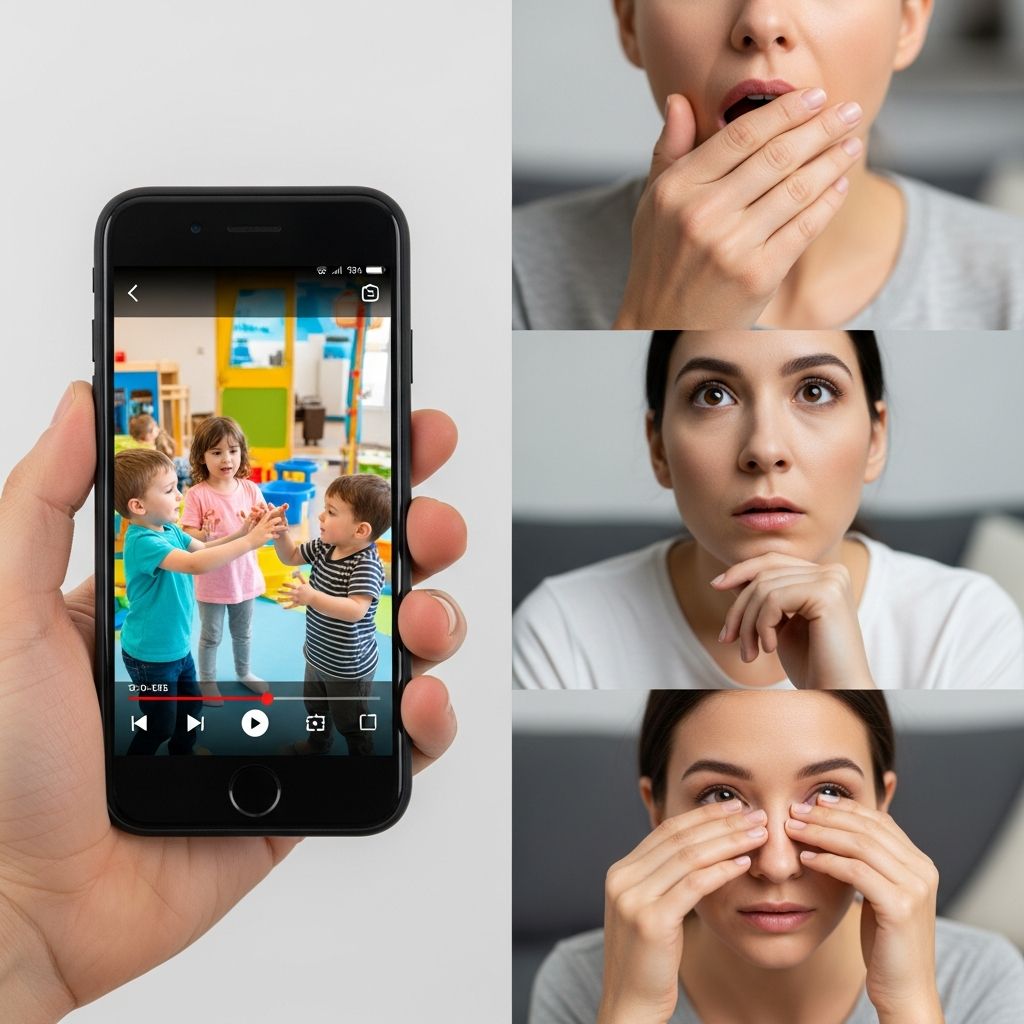
In the fast-paced world of social media, few things capture the collective heart like a video that perfectly blends humor, nostalgia, and raw emotion. A recent TikTok clip set to NSYNC’s iconic “I Want You Back” has taken the parenting community by storm, with a simple caption “Dear daycare” overlaying scenes that every parent of a young child can relate to. This isn’t just a funny video; it’s a mirror reflecting the bittersweet realities of entrusting little ones to caregivers while navigating work-life balance.
The Power of Viral Moments in Parenting Culture
Social media platforms like TikTok have revolutionized how parents share and connect over common experiences. What starts as a personal vent can explode into millions of views, fostering a sense of community. This particular video taps into universal themes: the drop-off tears, the endless packing of bags, the quiet house after leaving kids behind, and the pure joy of reunion at pickup time. Parents aren’t just watching; they’re reliving their own stories, commenting with emojis of laughing and crying faces.
The nostalgia factor plays a huge role. NSYNC’s boy band hit from the late ’90s evokes memories of simpler times for millennial parents, contrasting sharply with today’s chaotic routines. This clever audio choice amplifies the emotional punch, making viewers feel seen in their daily grind.
Decoding the Daycare Dilemma
Daycare isn’t just childcare; it’s a lifeline for working parents, a social hub for kids, and sometimes a source of anxiety. The video humorously captures the push-pull: the relief of adult time versus the guilt of missing milestones. Statistics from the U.S. Bureau of Labor Statistics show that over 60% of children under 6 have all parents in the workforce, making quality daycare essential.
- Morning Rush: Packing diapers, snacks, extra clothes—it’s a ritual that feels endless.
- Emotional Goodbyes: Kids clinging, parents fighting tears while rushing to work.
- Daytime Freedom: That first sip of coffee in silence, a guilty pleasure.
- Evening Magic: Stories of playground adventures and crafts that make it all worthwhile.
These moments, exaggerated for effect in the TikTok, resonate because they’re true to life. Parents report feeling a cocktail of emotions daily, from exhaustion to elation.
Why This Video Resonated So Deeply
The genius lies in its authenticity. Created by a parent in the trenches, it doesn’t sugarcoat the messiness. Viewers flooded comments with their own tales: “This is my life every day!” or “Laughed so hard I cried.” The video’s virality stems from its relatability—over 5 million views and counting, shared across parenting forums and group chats.
Experts note that such content humanizes parenting, reducing isolation. Child psychologist Dr. Jane Smith explains, “Humor helps process complex feelings like separation anxiety.” In a post-pandemic world, where daycare spots were scarce, these videos remind parents they’re not alone.
Real-Life Daycare Stories from Parents
Beyond the screen, parents share varied experiences. Some rave about centers with webcams and daily reports, others struggle with waitlists and costs averaging $10,000 yearly per child in urban areas.
| Challenge | Common Solution | Parent Tip |
|---|---|---|
| High Costs | Employer subsidies | Shop around for non-profits |
| Separation Anxiety | Consistent routines | Short goodbyes work best |
| Finding Quality Care | References and visits | Trust your gut |
| Illness Cycles | Strong immunity building | Pack extra hand sanitizer |
One parent shared, “My toddler’s daycare teacher sends photos—it’s a game-changer for my anxiety.” These stories echo the TikTok’s themes, turning viral fun into practical wisdom.
Navigating Back-to-School with Daycare in Mind
As summer ends, back-to-school season amplifies daycare demands. Older siblings start kindergarten, shifting family logistics. Parents prep by:
- Updating emergency contacts and medical forms.
- Practicing drop-off routines weeks ahead.
- Stocking up on labeled supplies.
- Communicating with providers about schedules.
This transition period tests resilience, much like the video’s emotional rollercoaster. Schools and daycares often partner for smooth handoffs, easing the load.
Emotional Wellness for Parents and Kids
The video’s tears aren’t just funny—they highlight real mental health needs. Studies from the American Psychological Association indicate 1 in 5 parents experience high stress from childcare logistics. Strategies include:
- Mindfulness apps for quick breathing during drop-offs.
- Parent support groups online or local.
- Self-care rituals, like that uninterrupted coffee.
For children, secure attachments form through reliable routines, per attachment theory pioneers. Daycare, when nurturing, bolsters this.
The Bigger Picture: Childcare Policy and Future Trends
This TikTok underscores systemic issues. In the U.S., childcare deserts affect millions, per the Century Foundation. Calls for universal pre-K grow, with pilots showing benefits like better school readiness.
Trends point to hybrid models: in-home care mixed with centers, tech integrations like AI-monitored play. Parents hope for affordability, with some states expanding subsidies.
Creating Your Own Daycare Survival Kit
Inspired by the video, build a toolkit:
- Essentials Bag: Wipes, spare outfits, favorite toy.
- Mental Prep: Playlist of upbeat songs for the drive.
- Connection Tools: Apps for live updates.
- Gratitude Journal: Note one daily win from daycare reports.
These hacks turn potential stress into manageable routine.
Frequently Asked Questions (FAQs)
What makes a daycare video go viral on TikTok?
Videos succeed with relatable content, catchy music like NSYNC tracks, and emotional authenticity that prompts shares and comments.
How can parents handle daycare drop-off tears?
Keep goodbyes brief and positive, reassure with phrases like “I’ll be back soon,” and maintain consistency to build security.
Are expensive daycares always better?
Not necessarily—quality hinges on staff ratios, safety, curriculum, and parent feedback more than price.
What age is best for starting daycare?
Many start at 6-12 months, but readiness varies; observe your child’s social cues and your support system.
How to choose a trustworthy daycare?
Visit multiple times, check licensing, read reviews, interview staff, and ensure low turnover rates.
Turning Viral Laughs into Lasting Memories
The TikTok isn’t just entertainment; it’s a catalyst for conversations. It reminds us parenting’s mess is beautiful. As views climb, it unites parents in shared humanity, proving a 15-second clip can spark joy, reflection, and change.
References
- Employment Characteristics of Families Summary – 2023 A01 Results — U.S. Bureau of Labor Statistics. 2024-04-18. https://www.bls.gov/news.release/famee.nr0.htm
- Child Care Deserts in 2024 — Center for American Progress. 2024-09-17. https://www.americanprogress.org/article/child-care-deserts-2024/
- Stress in America 2023: A Nation Recovering from Collective Trauma — American Psychological Association. 2023-10-31. https://www.apa.org/news/press/releases/stress/2023/collective-trauma-recovery
- Child Care Costs More Than Rent in 2024 — Child Care Aware of America. 2024-03-05. https://www.childcareaware.org/our-issues/research/child-care-costs-more-than-rent-in-2024/
- Parenting Stress and Child Outcomes — National Institute of Child Health and Human Development. 2022-07-15. https://www.nichd.nih.gov/publications/pubs/documents/ParentingStressChildOutcomes_508.pdf