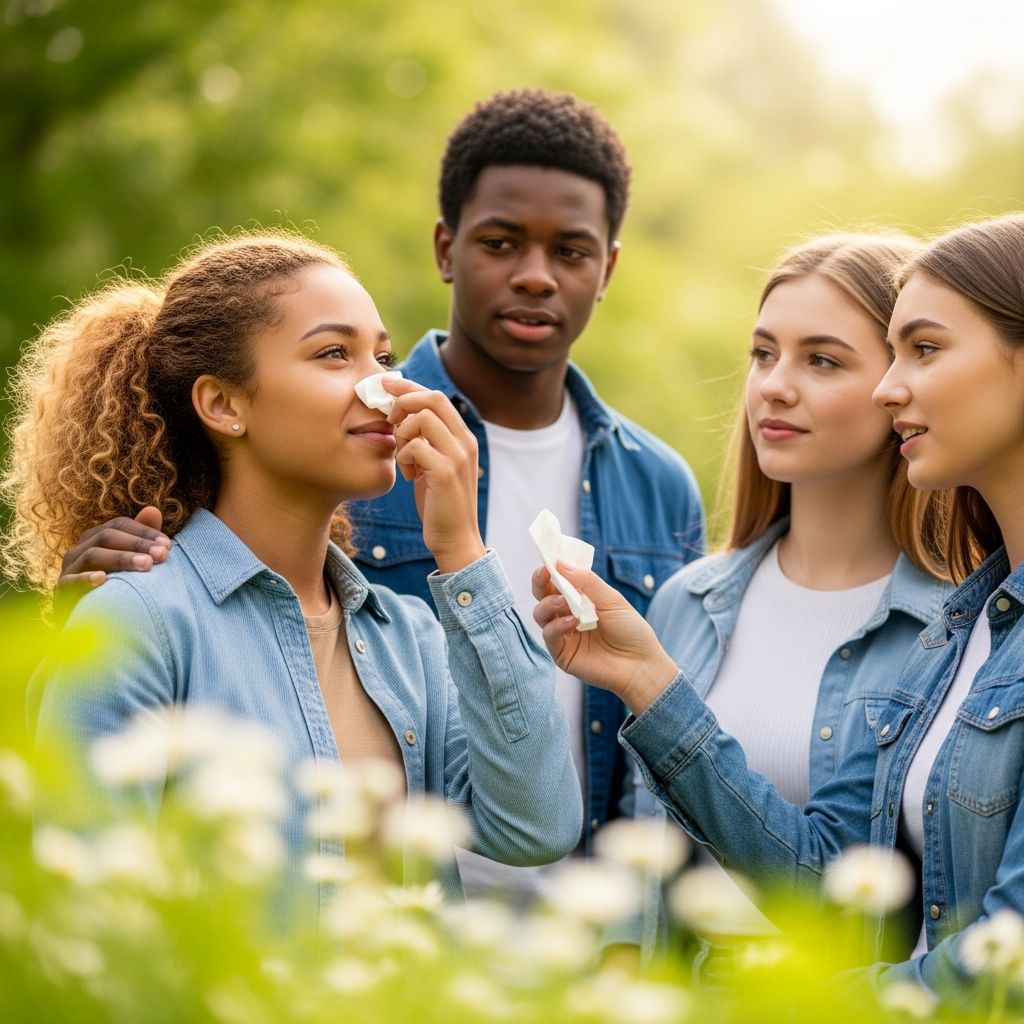
Allergies affect millions of teenagers worldwide, causing discomfort from mild itching to life-threatening reactions. These immune system overreactions to harmless substances like pollen, foods, or pet dander can disrupt school, sports, and social life, but with knowledge and strategies, teens can manage them effectively.
Understanding What Allergies Are
Allergies occur when the body’s immune system mistakenly identifies everyday substances, called allergens, as threats. It produces antibodies, primarily immunoglobulin E (IgE), which trigger the release of chemicals like histamine upon re-exposure. This leads to inflammation and symptoms ranging from sneezing to swelling. In teens, allergies often intensify during growth spurts or due to hormonal changes, making awareness crucial for daily control.
Unlike intolerances, which cause digestive upset without immune involvement, true allergies engage the entire defense system. Teens might experience seasonal flare-ups from pollen or year-round issues from dust mites, impacting focus and energy levels.
Common Allergy Triggers for Teenagers
Teen lifestyles expose them to diverse allergens. Outdoor activities bring pollen from trees, grasses, and weeds, peaking in spring, summer, and fall. Indoor triggers include dust mites in bedding, mold in damp areas, pet dander from cats or dogs, and cockroach droppings in urban homes.
- Pollen: Tree pollen (spring), grass (summer), ragweed (fall) – major culprits for hay fever.
- Indoor allergens: Dust mites thrive in humid environments; pet saliva and skin flakes linger on fabrics.
- Insect stings: Bees, wasps, and fire ants deliver venom that sparks reactions in sensitized teens.
- Medications: Antibiotics like penicillin or aspirin can provoke responses.
- Food: Detailed below as the most severe trigger.
Cross-reactivity, like pollen-food syndrome, links birch pollen to apple or peach reactions, causing oral itching.
Food Allergies: The Top Concern
Food allergies top the list for teens, responsible for 90% of reactions from just eight sources: milk, eggs, peanuts, tree nuts, soy, wheat, fish, and shellfish. Peanut allergies have surged, tripling in recent decades, often persisting into adolescence.
| Allergen | Common Sources | Prevalence in Teens |
|---|---|---|
| Cow’s Milk | Milk, cheese, yogurt, hidden in baked goods | High in early years, some outgrow |
| Peanuts & Tree Nuts | Peanut butter, nuts, trails mixes, candies | Lifelong for many |
| Eggs | Eggs, mayo, cakes, vaccines | Often resolves by teens |
| Soy | Soy milk, tofu, processed foods | Common hidden allergen |
| Wheat | Bread, pasta, cereals | Distinct from celiac |
| Fish & Shellfish | Seafood dishes, fish sauces | Grows in teens |
These proteins prompt IgE to signal histamine release, even from trace amounts. Teens must scrutinize labels for ‘may contain’ warnings, especially in cafeteria foods or parties.
Recognizing Allergy Symptoms
Symptoms vary by allergen and exposure route but cluster in key areas. Mild signs include itchy eyes or runny nose; severe ones demand urgent action.
Skin Reactions
- Hives (raised, itchy welts)
- Eczema flares
- Swelling (angioedema) of lips, face
Respiratory Issues
- Sneezing, congestion
- Wheezing, shortness of breath
- Throat tightness
Digestive Distress
- Nausea, vomiting
- Abdominal pain, diarrhea
Systemic Signs
- Dizziness, fainting
- Rapid heartbeat, confusion
Food reactions hit fast – mouth tingling within minutes – while pollen builds over hours. Teens might dismiss early signs like ‘hot tongue’ or ‘bugs in throat’ as normal.
The Danger of Anaphylaxis
Anaphylaxis is a rapid, widespread reaction threatening life through airway closure, blood pressure drop, or shock. Triggers include foods (peanuts, shellfish), stings, or exercise post-allergen. Signs progress from hives and wheezing to unconsciousness.
Teens face higher risk at school events or sports. Immediate epinephrine via auto-injector (EpiPen) reverses it, followed by ER visit. Biphasic reactions can recur hours later, stressing the need for monitoring.
Getting Diagnosed Properly
Suspicion arises from symptom patterns post-exposure. Doctors start with history, then skin prick tests (drops of allergen pricked into skin) or blood IgE levels. Food challenges – supervised eating – confirm.
Patch tests detect delayed reactions like eczema. Teens should track symptoms in a journal: what, when, how much, to aid diagnosis.
Strategies for Everyday Management
Avoidance Techniques
Prevention beats treatment. For pollen: stay indoors high-count days, use HEPA filters, shower post-outdoors. Food: read labels, alert friends at parties, carry safe snacks.
- Use allergen-free cosmetics, laundry detergents.
- For pets: wash hands post-contact, keep animals out of bedrooms.
Medications That Help
Antihistamines (loratadine, cetirizine) block histamine for itching, sneezing. Nasal corticosteroids reduce inflammation; eye drops soothe. Immunotherapy shots desensitize over years for pollen, stings. New biologics target severe asthma allergies.
Carrying and Using Epinephrine
Teens with history must carry two EpiPens. Training: inject thigh, hold 10 seconds, call 911. Practice with trainers; apps simulate use.
Living Well with Allergies at School and Socially
Allergies challenge teen independence. Create 504 plans for safe lunches, nut-free tables. Inform coaches, friends: ‘I’ve got allergies, keep my EpiPen handy.’ Apps track pollen; groups connect peers.
Dating? Disclose early. Travel: research foods, pack meds. Many outgrow milk/egg allergies; 80% resolve.
Long-Term Outlook and New Treatments
Most teens manage well, with allergies fading or stabilizing. Oral immunotherapy builds tolerance via gradual exposure under supervision. Future gene therapies loom promising. Stay proactive: annual check-ups track changes.
Frequently Asked Questions (FAQs)
Can teens outgrow food allergies?
Yes, many outgrow milk, egg, wheat by teens, but peanut/tree nut/shellfish often persist lifelong.
What if I accidentally eat an allergen?
Use epinephrine if severe symptoms; call emergency services even if improving.
Are allergy shots safe for teens?
Yes, under medical supervision, they reduce sensitivity for pollen and stings over 3-5 years.
How do I handle allergies at parties?
Check ingredients ahead, bring safe dish, inform host.
Is pollen-food syndrome serious?
Usually mild oral itching, but can escalate; cooking denatures proteins.
References
- Food allergy – Symptoms and causes — Mayo Clinic. 2023-10-04. https://www.mayoclinic.org/diseases-conditions/food-allergy/symptoms-causes/syc-20355095
- Food allergy — NHS. 2023-08-09. https://www.nhs.uk/conditions/food-allergy/
- Top 8 Food Allergies in Kids and What Parents Need to Know — Children’s Hospital of Philadelphia (CHOP). 2023. https://www.chop.edu/news/health-tip/top-8-food-allergies-kids-and-what-parents-need-know
- Food Allergies in Children: Causes, Symptoms, Diagnosis & Treatment — American Academy of Pediatrics (healthychildren.org). 2024-05-01. https://www.healthychildren.org/English/healthy-living/nutrition/Pages/Food-Allergies-in-Children.aspx
- Recognizing and Treating Reaction Symptoms — Food Allergy Research & Education (FoodAllergy.org). 2023. https://www.foodallergy.org/resources/recognizing-and-treating-reaction-symptoms
- Food Allergies — Rady Children’s Hospital. 2024. https://www.rchsd.org/health-article/food-allergies/