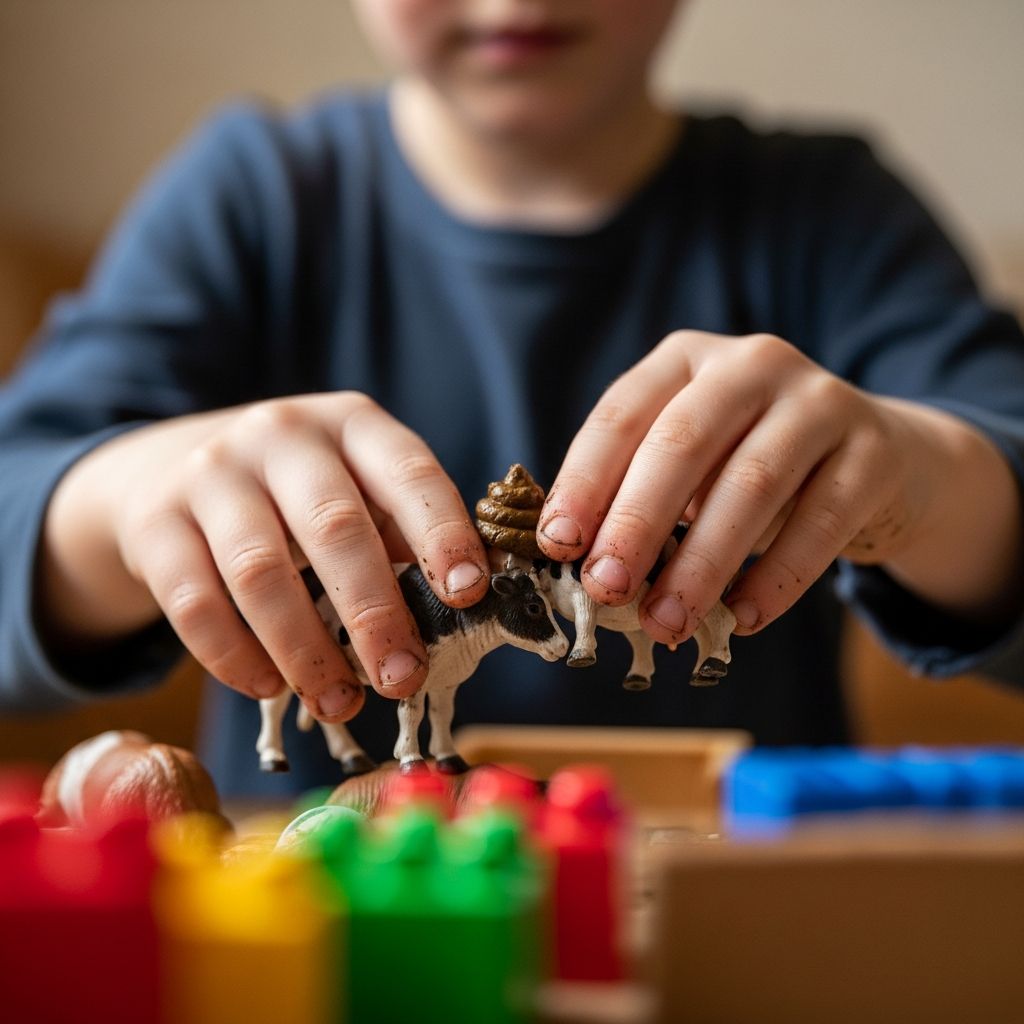
Few parenting moments feel as shocking, confusing, or upsetting as walking into a room and discovering that your six-year-old has been playing with poop. Many caregivers immediately worry that something is deeply wrong, either with their child or with their parenting. In most cases, this behavior is a signal that your child needs help with emotional regulation, sensory needs, or toilet routines—not proof that you have failed as a parent or that your child is destined for lifelong problems.
This guide explains why some school-age children experiment with poop, how to respond in the moment, what changes to make in your home and routines, and when to seek professional support. The goal is to keep your child safe, protect their dignity, and gently guide them toward healthier, more age-appropriate habits.
Why a Six-Year-Old Might Play With Poop
At six years old, most children understand that poop belongs in the toilet or potty, yet some still smear it, hide it, or touch it. This behavior is usually driven by a mix of curiosity, big emotions, and unfinished learning about bodies and boundaries rather than defiance or “badness.”
- Curiosity about bodies and textures: Poop is warm, squishy, and novel. Some children, especially those who enjoy sensory play, experiment with it as they would with finger paint or mud.
- Strong emotions and stress: Changes at home or school, anxiety, or conflict can come out in unexpected ways. Bathroom behaviors often reflect how safe and in control a child feels.
- Toilet discomfort: Constipation, fear of the toilet, or past accidents can turn bathroom time into a struggle. A child who is uncomfortable may touch or hold stool while trying to manage sensations.
- Seeking attention or power: If a child feels powerless or disconnected, dramatic behavior around poop can reliably get a strong reaction—any reaction can feel better than feeling invisible.
Understanding the possible “why” behind the behavior positions you to respond with empathy and structure, instead of panic or punishment.
First Response: Stay Calm and Contain the Mess
Your instinct may be to shout, scold, or demand explanations. That is understandable, but intense reactions can make the behavior more appealing (because of the big attention) or more shame-filled (leading your child to hide it next time). A steadier, more intentional response works better.
Step-by-Step Immediate Action
- Pause and breathe: Take a quick breath before speaking. Even a two-second pause helps you choose your words instead of reacting from disgust.
- Use simple, calm language: Say something like, “Poop is not for playing. Poop goes in the toilet. Let’s clean this up,” in a neutral tone.
- Prioritize hygiene: Safely move your child away from the mess, wash hands with soap and warm water, and remove soiled clothing or bedding.
- Clean without commentary: Disinfect surfaces and objects while keeping conversation minimal and factual. Avoid lecturing while you are feeling upset.
Responding calmly does not mean approving of the behavior. It shows your child that you are in charge, you can handle what happens, and you will protect them and the home without exploding.
Explaining Boundaries Without Shame
Once things are cleaned and everyone is calmer, you can revisit what happened and explain your expectations. The tone matters as much as the words. A six-year-old is old enough to understand clear rules but still vulnerable to feeling deeply ashamed if spoken to harshly about their body or bathroom habits.
How to Talk About It
- Name the behavior clearly: “Today I saw poop on the wall and on your hands. That’s called smearing.” Use straightforward, non-insulting language.
- State the rule: “Poop belongs in the toilet and then in the sewer, not on our hands, clothes, toys, or walls.”
- Explain the reason: “Poop has germs that can make people sick. We need to keep our bodies and our home clean.”
- Offer a healthy alternative: “If you want to squish or spread something, we can use clay, slime, or finger paint at the table.”
Keep the conversation short and focused on behavior, not on your child’s character. Avoid labels such as “gross,” “disgusting,” or “naughty,” which can create shame and secrecy around normal bodily functions.
Looking Beneath the Surface: Potential Triggers
After the immediate crisis, reflect on the broader context of your child’s life. Poop play can be a clue that your child is overwhelmed, uncomfortable, or seeking connection.
Common Contributors to Poop Play
| Possible Trigger | What You Might Notice | What Could Help |
|---|---|---|
| Stress or big changes | Clinginess, tantrums, sleep problems, regression in other skills | Extra one-on-one time, predictable routines, validating feelings |
| Toilet anxiety | Refusing to use certain bathrooms, holding stool, fear of flushing | Gentle exposure, child-sized seat, talking through worries |
| Constipation or pain | Hard stools, straining, avoiding bowel movements | Hydration, fiber, medical advice if needed |
| Sensory seeking | Love of messy play, touching everything, seeking strong sensations | Daily sensory activities, structured messy play |
| Attention or power struggles | Defiant behavior, testing limits, intense reactions to “no” | Calm, consistent boundaries, positive attention for cooperation |
Thinking about which triggers fit your child can guide your next steps—whether that is adjusting routines, changing how you approach toilet time, or building in more emotional support.
Supporting Healthy Toilet Habits
Sometimes poop play appears because bathroom routines are rushed, stressful, or inconsistent. Helping your six-year-old feel competent and safe around toileting can greatly reduce problematic behavior.
Practical Toilet Routine Adjustments
- Regular bathroom times: Invite your child to sit on the toilet after meals and before bed, when bowels are naturally more active.
- Comfortable setup: Use a child-sized seat insert and a step stool so your child feels stable, with knees slightly higher than hips.
- Unhurried time: Allow a few relaxed minutes, reading a short book or chatting, instead of pressuring your child to “hurry up.”
- Teach wiping and hand-washing: Practice wiping from front to back (for those with vulvas), checking the toilet paper, and washing hands with soap and water every time.
- Track patterns: Notice when your child most often has bowel movements so you can support them at those times.
When toilet use feels predictable and safe, your child is less likely to hold stool, avoid the bathroom, or handle poop outside the toilet.
Meeting Sensory and Play Needs in Cleaner Ways
If your child is drawn to the feel of poop, that can be a sign of strong sensory needs rather than deliberate misbehavior. Providing plenty of acceptable ways to explore squishy, sticky, or textured materials can satisfy that need without compromising hygiene.
Sensory-Friendly Substitutes for Poop Play
- Finger painting on large paper or in the bath with washable paint.
- Playing with playdough, kinetic sand, or modeling clay.
- Squishing cooked pasta, jelly, or slime in a contained tray.
- Digging in soil, sand, or a bin of beans or rice.
- Using sensory brushes or textured toys during bath time.
When you offer these activities, name them clearly: “This is a great time to be messy with clay. Poop is not for messy play—clay and paint are.” Linking the rule to an alternative helps your child remember what is allowed.
Emotion Coaching: Helping Your Child Express Feelings Safely
Children often express emotional overload through their bodies: sleep changes, stomach aches, bathroom accidents, and, sometimes, poop play. Teaching your six-year-old to recognize and express their feelings in words or creative activities can lower the pressure that drives dramatic behavior.
Ways to Build Emotional Skills
- Daily check-ins: Ask, “How did your body feel today?” or “What was the hardest part of your day?” at a predictable time, like bedtime.
- Feeling words and stories: Use books, puppets, or drawings to explore emotions like angry, scared, lonely, or embarrassed and how characters cope.
- Safe outlets: Offer options like drawing, pounding playdough, running, or squeezing a pillow when feelings feel “too big.”
- Modeling: Describe your own calm strategies: “I was frustrated, so I took a deep breath and then we tried again.”
As your child learns that emotions are allowed and can be handled together, they may rely less on extreme behaviors to communicate distress or seek comfort.
Using Gentle, Firm Discipline
Compassion does not mean letting problems go unchecked. Six-year-olds still need clear, consistent boundaries about hygiene and respect for shared spaces. The key is balancing firmness with warmth so your child learns from the incident without being humiliated.
Boundaries That Teach, Not Shame
- Natural consequences: Depending on the situation, you might calmly involve your child in age-appropriate cleanup tasks, such as placing dirty clothes in the laundry basket after you have handled the worst of the mess.
- Loss of privilege: If poop is used to damage toys or walls, you might temporarily remove some toys or limit access to certain spaces, explaining the link: “Toys need to stay clean to be safe, so these will rest until we can keep poop in the toilet.”
- Clear future plan: End with a forward-looking statement: “Next time you feel like touching poop, call me, and we will go to the bathroom together.”
Avoid punishments that involve shaming the child’s body, mocking them, or discussing the incident with others in front of them. Protecting your child’s dignity is essential for long-term healthy attitudes toward their body and hygiene.
Preventive Strategies at Home
After an incident, many parents walk on eggshells, worried it will happen again. Creating practical safeguards and predictable routines can reduce the chance of repeat episodes while making you feel more in control.
Simple Prevention Ideas
- Clothing choices: During high-risk times (like bedtime), consider snug pajamas or clothing that is harder for your child to remove quickly.
- Accessible supplies: Keep wipes, toilet paper, and a step stool within easy reach so your child does not feel stuck or tempted to improvise.
- Check-ins before sleep: Encourage a relaxed bathroom visit as part of the bedtime routine and ask if their tummy feels full or empty.
- Room environment: Minimize clutter and hard-to-clean items near the bed or usual play areas, just in case.
- Monitoring: For a period of time, quietly check on your child more often during naps or in the early part of the night.
These measures are not meant to be permanent, but as short-term supports while your child practices new habits and you assess whether the behavior is fading or persisting.
When to Talk With a Professional
Many episodes of poop play are short-lived and resolve once parents respond calmly, improve routines, and address emotional or sensory needs. In some cases, though, it is wise to seek additional support to rule out medical issues or deeper emotional concerns.
Red Flags That Need Extra Support
- Frequent or escalating incidents: Poop play happens regularly despite clear limits and supportive changes.
- Physical symptoms: Ongoing constipation, pain, blood in stool, or sudden incontinence after being consistently toilet trained.
- Developmental differences: Significant delays in communication, social skills, or self-care skills that make toileting especially challenging.
- Exposure concerns: Any worry that your child might have been exposed to unsafe touching or traumatic experiences.
- Extreme emotional distress: Intense fear, aggression, or self-harming behaviors linked to bathroom use or body functions.
Starting with your child’s primary healthcare provider is often the best first step. They can check for medical issues, offer guidance, and refer you to specialists such as a child psychologist, occupational therapist, or child psychiatrist if needed.
FAQ: Common Questions Parents Ask
Is my child “too old” for this behavior?
By six, most children do not play with poop, so this behavior is less common, but it is still usually a sign of unmet needs rather than a permanent problem. Treat it as a signal that your child needs support—not as evidence that something is irreparably wrong.
Should I make my child clean the mess?
Involving your child in mild, age-appropriate cleanup tasks can reinforce responsibility, but adults should handle the bulk of cleaning to ensure hygiene and safety. Avoid turning cleanup into a shaming or punitive ritual; the goal is learning, not humiliation.
Will punishing my child make it stop faster?
Harsh punishments may stop the behavior briefly but often increase shame, secrecy, and anxiety, which can worsen bathroom problems over time. Consistent boundaries plus emotional and sensory support are more effective than fear-based discipline.
Could this be related to a developmental or sensory condition?
Children with sensory processing differences, autism spectrum conditions, or other developmental differences may be more prone to poop play because of how they experience sensations and routines. If you see other signs of developmental challenges, discussing them with a professional can help you tailor strategies to your child.
How do I talk to teachers or caregivers about this?
Share only the necessary information in calm, factual language: what has happened, what helps your child, and what boundaries you are setting. Emphasize that you are working with your child and invite caregivers to let you know if they notice patterns or triggers in other settings.
Helping Your Child Move Forward
A child who has played with poop is not broken, and you are not a failed parent. With calm responses, clear rules, healthier outlets for curiosity and emotion, and professional guidance when needed, most children quickly move on from this phase. Focusing on connection, dignity, and steady routines teaches your six-year-old that their body is acceptable, their feelings are manageable, and you are a safe person to turn to—even when things get very messy.
The combination of empathy and structure is your strongest tool. Over time, that balance not only resolves poop-related behaviors but also builds your child’s confidence, self-control, and trust in you, laying a stronger foundation for the many other challenges that will come with growing up.