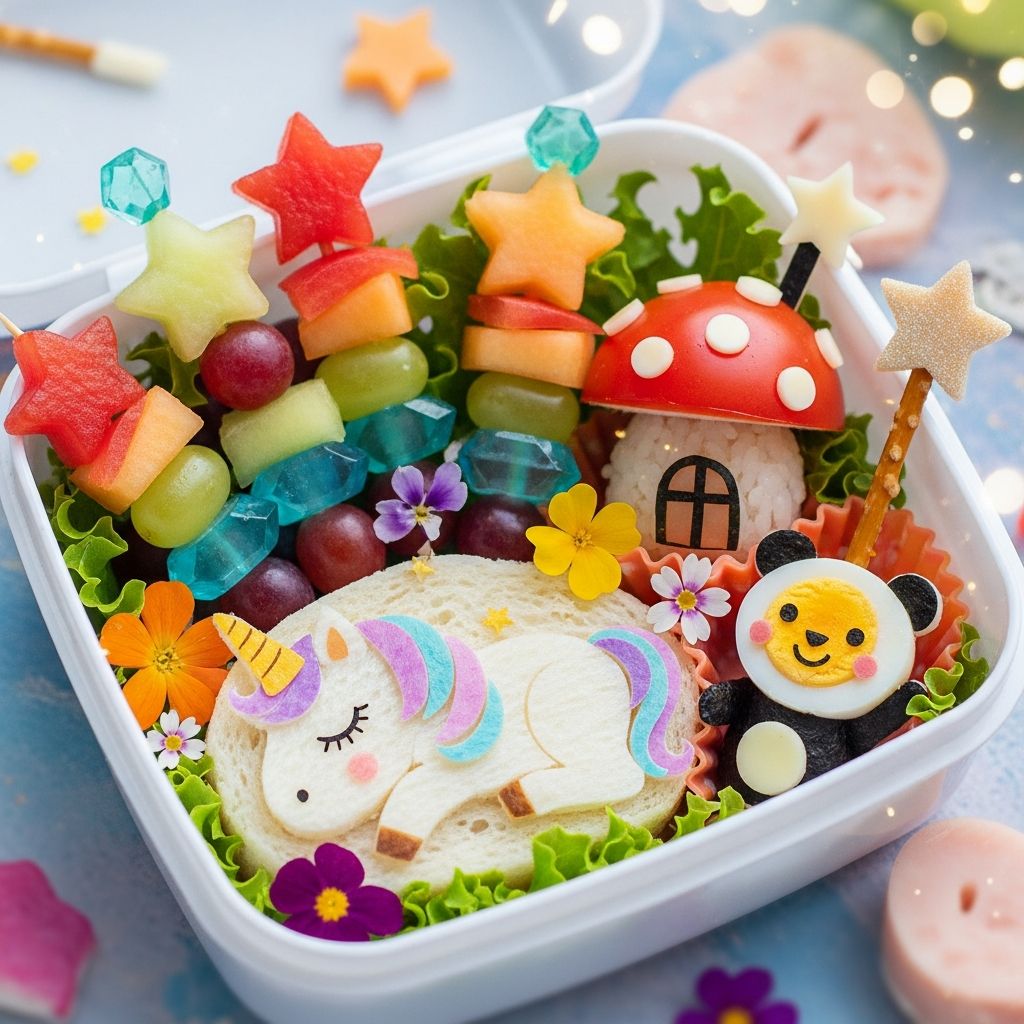
Turning a simple school lunch into something your child actually looks forward to does not require professional food-art skills or hours in the kitchen. With a few playful touches and a bit of planning, you can build bento-style lunch boxes that look magical, taste great, and still fit into a busy weekday routine.
Why Playful Bento Lunches Work So Well
Children often eat with their eyes first, and a colorful, organized lunch can encourage even cautious eaters to try new foods. A bento-style box, with its compartments and clear structure, naturally lends itself to variety and balance in each meal.
Instead of packing one large item, like a sandwich, you present a small “mini picnic” of options: a protein, a grain, fruits, veggies, and a little fun treat. This not only looks inviting but also helps children learn what a balanced meal can look like in a way that feels like play rather than pressure.
The Simple Formula Behind a Magical Lunch
Behind every whimsical lunch is a simple formula that keeps things practical. Think of it as a framework you can reuse every week, swapping in different ingredients as needed. This makes creativity easier, not harder.
Use the following basic structure as a starting point whenever you pack a lunchbox, whether you create a character theme or just a pretty color combination.
Core Building Blocks
- Protein: cheese cubes, yogurt, beans, hard-boiled eggs, chicken strips, hummus, rolled deli meat, tofu bites.
- Grain or starch: mini pitas, pasta, rice, crackers, mini muffins, tortillas, leftover pancakes or waffles.
- Fruit: sliced berries, melon, apple slices (brushed with lemon water), grapes (halved for younger kids), clementine segments.
- Vegetables: cucumber rounds, bell pepper strips, baby carrots, cherry tomatoes, sugar snap peas, corn off the cob.
- Something fun: a small cookie, a few chocolate chips, popcorn, or a decorated yogurt topper.
Adding Whimsy Without Losing Your Mind
Whimsy does not have to mean elaborate sculptures or time-consuming designs. A few clever shortcuts can turn regular ingredients into something that feels special, while still keeping mornings realistic.
Focus on one or two playful touches per lunch. The rest can stay simple and familiar. This keeps the fun sustainable throughout the school year.
Quick Visual Upgrades
- Use mini cookie cutters to turn cheese, melon, or bread into stars, hearts, or animals.
- Layer colorful foods (for example, orange carrots, green cucumber, red tomatoes) in a row to create a “rainbow strip.”
- Draw simple faces on bananas or hard-boiled eggs with food-safe markers.
- Use silicone cupcake liners to separate tiny snacks like pretzels, berries, or trail mix.
- Roll deli meat and cheese together into spirals and secure with a decorative pick (for older kids who handle picks safely).
Theme Ideas to Spark Your Creativity
Instead of recreating complex characters, think in broad themes you can adapt with whatever you have on hand. Themes make planning easier and let you build variety without needing to reinvent the wheel every week.
Below are several flexible themes, each designed to work with common, easy-to-find foods. Mix and match to suit your child’s tastes and your pantry.
1. Rainbow Garden Lunch
This theme focuses on bright color and fresh produce, making vegetables feel more like part of the fun than an obligation.
- Protein: hummus, white bean dip, or cottage cheese.
- Grains: whole-grain crackers or mini pitas.
- Rainbow veggies: red tomatoes, orange carrots, yellow bell peppers, green cucumbers, purple cabbage shreds.
- Fruit: a mix of berries or a skewer of kiwis and grapes.
- Fun touch: sprinkle a few seeds (sunflower or pumpkin) in a tiny cup labeled “magic garden seeds.”
2. Mini Picnic Box
A picnic-themed box feels cozy and casual, like a tiny outdoor party packed into a lunch container. It is especially handy when using up odds and ends from the fridge.
- Protein: cheese cubes or cheese slices folded into triangles, along with turkey or chicken roll-ups.
- Grains: a small roll, mini croissant, or whole-grain crackers.
- Fruit: sliced apples or pears, tucked tightly to minimize browning.
- Veggies: baby carrots and crunchy snap peas.
- Fun touch: a tiny reusable container of dip labeled as “picnic sauce.”
3. Lunchbox “Snack Board”
Some kids naturally prefer nibbling small portions rather than eating one large item. A snack-board-style lunch works with that preference rather than against it.
- Protein: edamame, nuts or seeds (if allowed at school), or a small portion of leftover grilled chicken.
- Grains: breadsticks, pretzels, mini crackers, or a sliced mini bagel.
- Fruit & veg: grapes, cucumber coins, cherry tomatoes, and orange segments.
- Fun touch: one or two bite-size treats placed in the smallest compartment to reinforce the idea that treats are part of a balanced meal, not the main event.
Balancing Nutrition and Fun
Playful lunches still need to meet your child’s energy and nutrient needs. The good news is that variety and color often go hand in hand with nutritional balance. A quick visual scan of the box can help you spot what might be missing.
Use the simple table below as a rough guide. You do not need every category at every meal, but seeing them laid out can help you rotate options through the week.
Sample Bento Balance Guide
| Category | Why it helps | Easy kid-friendly examples |
|---|---|---|
| Protein | Supports growth, keeps kids fuller longer. | Yogurt tubes, cheese shapes, beans, chicken strips, hummus. |
| Complex carbs | Provide steady energy for class and play. | Whole-grain crackers, pasta, rice, tortillas, mini muffins. |
| Fruits | Add natural sweetness and vitamins. | Berries, melon balls, apple slices, clementine wedges. |
| Vegetables | Offer fiber, crunch, and color. | Cucumber rounds, carrot sticks, bell pepper strips, peas. |
| Fun extras | Make the lunch feel special and exciting. | Mini cookie, popcorn handful, yogurt-covered raisins. |
Time-Saving Strategies for Busy Mornings
The key to sustainable creativity is preparation. A little work on the weekend or in the evening can make morning packing nearly effortless. You do not need to prep entire lunches ahead—just the components that take the most time.
Consider batching tasks you already do: chopping fruits and veggies, cooking grains, or portioning snacks. Store everything in clear containers so you can quickly “shop” from your own fridge as you build each box.
Prep Once, Use All Week
- Wash and slice sturdy fruits and veggies (like carrots, cucumbers, bell peppers) and store them in airtight containers with a paper towel to absorb excess moisture.
- Cook a pot of pasta, rice, or quinoa to use as the base for several lunches during the week.
- Boil a batch of eggs and keep them in the fridge for up to a few days, decorating faces only on the morning you pack them.
- Portion snacks such as crackers, popcorn, or trail mix into small reusable containers ready to grab.
- Keep a small box of decorative but practical tools—mini cutters, silicone cups, and reusable picks—within easy reach.
Involving Kids in the Process
Inviting kids to help with lunch prep does more than reduce your workload. It can increase the odds that they will actually eat what gets packed, because they have a sense of choice and ownership.
Children can start with simple tasks and gradually take on more responsibility as they get older. Over time, packing lunch can become a shared routine rather than a one-person job.
Age-Appropriate Jobs
- Toddlers: choose between two fruits (“berries or apple today?”), add crackers to a compartment, place silicone cups in the box.
- Preschoolers: arrange veggie sticks by color, help cut soft foods with kid-safe cutters, pour dip into a small container.
- Early elementary: assemble simple roll-ups, spoon pasta salad into compartments, write or decorate little lunch notes.
- Older kids: plan a weekly lunch theme list, pack most of the box themselves from a checklist, experiment with new ingredient combinations.
Handling Picky Eaters Gently
Bento-style lunches can support selective eaters by offering small, low-pressure tastes instead of big servings that feel overwhelming. A playful presentation can reduce anxiety and turn tasting into a game.
Aim to include at least one “safe” food you know your child likes, plus one or two small portions of something new or less familiar. Over time, repeated gentle exposure often works better than pressure or bribery.
Baby Steps Toward New Foods
- Place new foods in the same compartment as a familiar dip to make them feel less intimidating.
- Offer very tiny portions of new items; a single cucumber coin or a single bean is still progress.
- Use fun names like “crunchy green coins” or “superhero carrots” to spark curiosity without making promises about taste.
- Celebrate what your child does try, even if they do not finish it. The goal is comfort and familiarity, not perfection.
Practical Tips for Safe and Fresh Lunches
Visual appeal and nutrition only matter if the lunch also stays safe and appetizing by lunchtime. A few simple habits can keep food fresh, even in a classroom cubby or backpack.
Always follow your school’s allergy and food safety guidelines, especially regarding nuts, dairy, and refrigeration. When in doubt, choose items that hold up well at cooler room temperatures and pack an ice pack when possible.
Keep It Fresh
- Use an insulated lunch bag with at least one ice pack when including dairy, meat, or eggs.
- Keep wet and dry foods separate using compartments, silicone liners, or small lidded containers.
- Brush apple and pear slices lightly with a mix of lemon juice and water to slow browning.
- Choose sturdy fruits and veggies (like grapes, carrots, cucumbers) on especially warm days.
Sample One-Week Bento Lunch Plan
To show how flexible this approach can be, here is a simple five-day plan you can adapt to your own tastes and pantry. Repeat the same basic ideas with slightly different ingredients to keep things interesting but manageable.
| Day | Main Idea | Key Components |
|---|---|---|
| Monday | Rainbow Garden | Hummus, whole-grain crackers, carrot sticks, cucumber rounds, mixed berries, seeds. |
| Tuesday | Mini Picnic | Cheese triangles, turkey roll-ups, roll or mini croissant, apple slices, snap peas, small cookie. |
| Wednesday | Snack Board | Edamame, pretzels, grapes, cherry tomatoes, mini muffin, yogurt dip. |
| Thursday | Pasta Party | Cold pasta salad with veggies, cheese cubes, orange wedges, cucumber slices, popcorn. |
| Friday | Breakfast-for-Lunch | Mini pancakes or waffles, yogurt, banana slices, berries, a small sprinkle of chocolate chips. |
FAQs About Whimsical Bento Lunches
Do these lunches take a long time to make?
They do not have to. Most of the visual charm comes from using small portions and simple shapes, not elaborate art. With a bit of weekend prep—washing produce, cooking grains, and portioning snacks—assembling a box in the morning can take only a few extra minutes beyond a standard sandwich.
What if my child does not eat everything?
Leftovers offer useful information rather than a reason to feel discouraged. Notice which items consistently come back untouched and adjust the portion size or frequency of that food. Keep including small, low-pressure tastes of new foods alongside favorites so your child has choice and variety without feeling forced.
How do I keep lunches interesting all year?
Rotate through broad themes rather than specific detailed designs. For example, alternate between “rainbow,” “picnic,” “snack board,” and “breakfast-for-lunch.” Within each theme, switch up a few ingredients based on what is in season or on sale, and let your child help choose one new item each week.
Do I need special tools or equipment?
A compartment-style container is helpful, but it does not need to be fancy or expensive. Optional extras like mini cutters, silicone cups, and food-safe markers can add fun, yet many whimsical effects—like simple color patterns and small portions—are possible with no extra tools at all.
How can I manage allergies and school rules?
Start by reviewing your school’s policies on common allergens such as nuts and sesame, and adapt your ingredients accordingly. Focus on whole foods like fruits, vegetables, grains, dairy alternatives, and seeds, which can often be swapped in easily to create safe, colorful, and inclusive lunches for your child.