A buckle fracture is one of the most common minor bone injuries in children, especially in the wrist and forearm. It sounds scary to hear the words “fracture” or “broken bone,” but this particular type is usually stable, easy to treat, and heals quickly with simple support and rest.
This guide explains buckle fractures in clear language so that parents and caregivers know what to look for, what to expect from a medical visit, and how to support a child’s recovery at home.
What Is a Buckle Fracture?
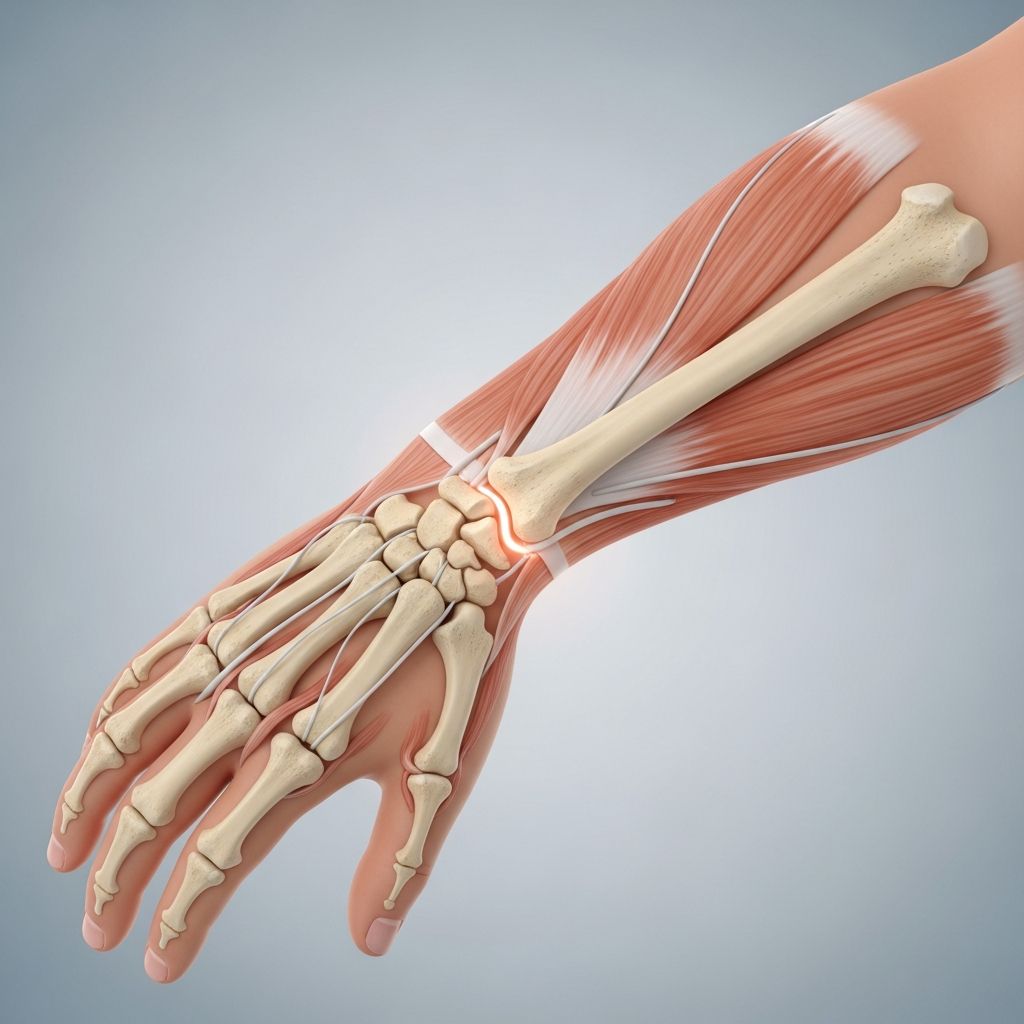
A buckle fracture (sometimes called a torus fracture) happens when a child’s bone is compressed, causing one side of the bone’s outer surface to crumple or “buckle” without breaking all the way through. Instead of a clean line across the bone, there is a subtle bulge or raised area in the bone’s outer layer.
This partial damage makes the injury much more stable than a complete break. The bone is still mostly in one piece, and it can usually heal with a simple splint or brace rather than a stiff cast.
Why Children Are More Prone
Children’s bones are different from adult bones. They are softer, more flexible, and have a thicker outer covering called the cortex. When a child falls or receives a direct blow, this flexible bone may bend and buckle instead of snapping in two, which is why buckle fractures are much more common in kids than in adults.
- Growing bones contain more cartilage, which bends more easily.
- The outer shell of the bone can crumple under pressure without fully cracking.
- High-energy sports and playground activities increase the risk of falls.
Common Causes and Risk Factors
Most buckle fractures occur when a child tries to break a fall with an outstretched hand. The force travels up the arm and compresses the bone, particularly near the wrist, where the bone is narrower and more vulnerable to bending.
Typical Situations That Lead to Injury
- Falling from playground equipment, such as monkey bars, slides, or swings.
- Tripping while running and landing on an outstretched hand.
- Sports injuries, including falls during soccer, basketball, or gymnastics.
- Bicycle, scooter, or skateboard accidents where hands hit the ground first.
Although buckle fractures can occur in many long bones, the most frequent location is the radius, one of the two forearm bones near the wrist. Less commonly, buckle fractures may appear in the shin (tibia) or other weight-bearing bones after a fall or impact.
Signs and Symptoms Parents May Notice
The symptoms of a buckle fracture can range from mild to moderate. Because the bone is not completely broken, the arm or leg may still look fairly normal, leading some families to think it is “just a sprain.” However, persistent pain and tenderness after a fall should always be taken seriously.
Common Symptoms
- Pain at or near the injured area, especially with movement or pressure.
- Swelling or puffiness around the wrist, forearm, or other affected region.
- Tenderness to touch, even if the limb looks straight.
- Mild bruising or color change over the injury site.
- Reluctance to use the arm or leg normally; the child may cradle the arm or limp.
Unlike more severe fractures, a buckle fracture usually does not cause a dramatic deformity such as a twisted or obviously bent arm. Fingers and toes should still move, and feeling in the limb is typically preserved. If there is visible deformity, severe swelling, numbness, or inability to move the fingers or toes, emergency care is needed right away.
When to Seek Medical Attention
Any time a child has significant pain after a fall, especially around the wrist, forearm, or leg, a medical evaluation is recommended. Even if the injury appears mild, only an X-ray can confirm whether a bone is fractured.
Urgent Red Flag Symptoms
Seek immediate care in an emergency setting if your child has:
- Severe pain that does not ease with rest.
- Obvious deformity or a limb that looks crooked or oddly shaped.
- Loss of feeling, tingling, or inability to move fingers or toes.
- Skin that is very pale, cold, or bluish beyond the injury site.
- Open wounds over a possible fracture.
If none of these signs are present but your child is still uncomfortable, contact a pediatrician, urgent care center, or orthopedic clinic for a same-day or next-day appointment.
How Doctors Diagnose a Buckle Fracture
The diagnostic process usually begins with a detailed history of how the injury occurred, followed by a physical exam to check for tenderness, swelling, and range of motion. The clinician will gently feel along the bone, looking for specific tender spots that suggest a fracture rather than a simple sprain.
The Role of X-rays
To confirm a buckle fracture, doctors typically order X-rays of the injured area from at least two angles. On the X-ray, a buckle fracture appears as a slight bulge or compression on one side of the bone, without a break running all the way through.
Because buckle fractures are stable and involve only a portion of the bone’s outer surface, surgery is almost never necessary. The main goals of treatment are comfort, protection, and reassurance.
Treatment Options: Splints, Casts, and Braces
Treatment for a buckle fracture is typically straightforward and noninvasive. The injured bone is supported from the outside while the body repairs itself. The exact device used depends on the child’s age, the specific bone involved, and the preferences of the healthcare provider and family.
Common Immobilization Methods
| Device | Description | Typical Use |
|---|---|---|
| Removable splint | A firm support wrapped with soft padding and secured with straps or bandages; can be taken off for bathing if the doctor allows. | Very common for wrist and forearm buckle fractures when extra stability is not required. |
| Velcro brace | A ready-made brace with adjustable straps that holds the limb in a comfortable position. | Often used after the first few days or as the sole treatment for stable buckle fractures. |
| Short-arm cast or walking boot | More rigid support that completely surrounds the limb. | Used less often, such as in very active children or with leg fractures that need more protection. |
Most children wear a splint or brace for about two to three weeks, sometimes slightly longer if discomfort persists. In some cases, the provider may suggest part-time use for an additional week or two for extra support during activities.
Pain Relief and Comfort
Pain from a buckle fracture is usually most intense during the first few days and then gradually improves. Over-the-counter pain relievers recommended by your child’s healthcare provider can be used, following age-appropriate dosing instructions.
- Apply an ice pack wrapped in a thin cloth to the injured area for short periods, as advised.
- Keep the limb elevated on pillows when resting to reduce swelling.
- Encourage gentle finger or toe movement (if not restricted) to maintain circulation.
Home Care and Daily Life During Healing
With proper support, most children can continue many normal daily activities while the fracture heals, as long as they avoid impact or high-risk play. Parents can help by planning ahead and making small adjustments in routine.
Practical Tips for Parents
- Protect the splint or brace from getting wet, unless it is specifically designed to be water-resistant.
- Dress your child in loose clothing with wide sleeves or pant legs to fit over the device.
- Remind your child not to pick at padding, insert small objects, or scratch inside with pens or rulers.
- Place school items, toys, and snacks within easy reach to avoid unnecessary climbing or stretching.
- Inform teachers, coaches, and caregivers about the injury and any activity limits.
Many children can return to school quickly, often within a day or two, as long as pain is controlled and the limb is protected. However, roughhousing, playground climbing, and contact sports should wait until the provider confirms it is safe.
Activity Restrictions and Return to Sports
Even after pain improves, the bone continues to strengthen beneath the surface. Doctors generally recommend avoiding contact sports and high-impact activities for several weeks after the initial injury.
Typical Timeline (Approximate)
- First 2–3 weeks: Splint or brace worn most or all of the time, with rest from sports and vigorous play.
- Weeks 3–4: Gradual return to light activities if pain has resolved and the provider agrees.
- Beyond 4 weeks: Progressive return to sports and playground activities as recommended; full contact sports may be delayed slightly longer.
Children heal at different rates. It is important to follow the specific guidance of the child’s healthcare provider rather than relying only on generic timelines.
Follow-Up Visits and Monitoring
Many buckle fractures are so stable and straightforward that only one clinical visit is needed. In other cases, the provider may schedule a follow-up appointment to check the child’s comfort, mobility, and healing progress.
Usually, once pain and tenderness are gone and the child uses the limb normally, additional imaging is not necessary. However, parents should always contact the clinic if new symptoms arise or if healing seems slower than expected.
Possible Complications (And Why They Are Rare)
The long-term outlook for buckle fractures is excellent. Because the bone is not displaced and children’s bones remodel quickly, permanent problems are unusual. Complications, when they occur, are more commonly related to the immobilization device than to the fracture itself.
Potential Issues to Watch For
- Skin irritation, redness, or blisters from rubbing or tight edges.
- Joint stiffness from wearing a rigid device for too long.
- Prolonged pain or swelling after the device is removed.
- Child refusing to use the limb normally for several weeks after healing.
If any of these problems appear, contact the healthcare provider. Many minor issues can be solved by adjusting or replacing the splint or giving guided exercises to restore comfortable movement.
Helping Your Child Emotionally
For many children, a buckle fracture is their first real injury, and the experience can be frightening. Parents play a key role in offering calm reassurance and clear explanations.
- Explain in simple terms that the bone is slightly bent, not shattered, and that it will straighten as it heals.
- Emphasize that the splint or brace is like a protective shield helping the bone recover.
- Allow your child to ask questions and express worries or frustrations about missing sports or activities.
- Offer age-appropriate activities (books, crafts, games) that do not stress the injured limb.
As the child notices pain fading and mobility improving, confidence usually returns quickly. Many children enjoy showing off their brace or sharing their “broken bone story” with friends once they feel better.
Frequently Asked Questions (FAQs)
1. Is a buckle fracture the same as a broken bone?
Yes, a buckle fracture is a kind of broken bone, but it is an incomplete and very stable type. The outer layer of the bone is compressed and buckles on one side instead of breaking all the way through. Because of this stability, treatment is generally simpler and recovery is faster than with more severe fractures.
2. How long does it take for a buckle fracture to heal?
Most buckle fractures heal enough for everyday use within two to four weeks, depending on the child’s age, the bone involved, and how well activity restrictions are followed. Pain usually improves substantially after the first several days and continues to fade as healing progresses.
3. Will my child need surgery or metal plates?
It is extremely rare for buckle fractures to require surgery because the bone remains aligned and stable. The typical treatment is a removable splint, brace, or short-arm cast that supports the bone while the body repairs itself naturally.
4. Does my child need repeat X-rays?
In many straightforward cases, follow-up X-rays are not needed once the diagnosis has been confirmed and the child is improving as expected. The decision for additional imaging depends on pain levels, physical exam findings, and the clinician’s judgment.
5. Can a buckle fracture affect growth?
Buckle fractures almost always occur away from the growth plate and do not usually interfere with bone growth. If the fracture is very close to a growth plate or if there are unusual findings, the provider will explain any special monitoring that may be needed.
6. When can my child go back to sports?
Most children can return to low-impact activities once pain is gone and the splint or brace is no longer needed. Contact sports and activities with a high risk of falls should wait until the healthcare provider confirms that the bone is strong enough, often several weeks after the initial injury.
7. What if my child injures the same arm again?
If a second fall or impact occurs, seek medical advice, even if the first fracture seemed to heal well. A new exam and possibly another X-ray may be needed to rule out a fresh injury or complications.
Key Takeaways for Parents
- Buckle fractures are common, relatively minor fractures in children that respond well to simple treatment.
- Prompt evaluation after a fall helps distinguish between a sprain and a fracture and ensures proper care.
- Most children heal fully with a brief period of splinting, some activity limits, and basic home care for comfort.
- Emotional support and reassurance help children cope with the temporary inconvenience of wearing a splint or brace.
With the right information and guidance, parents can feel confident supporting a child through a buckle fracture from diagnosis to complete recovery.