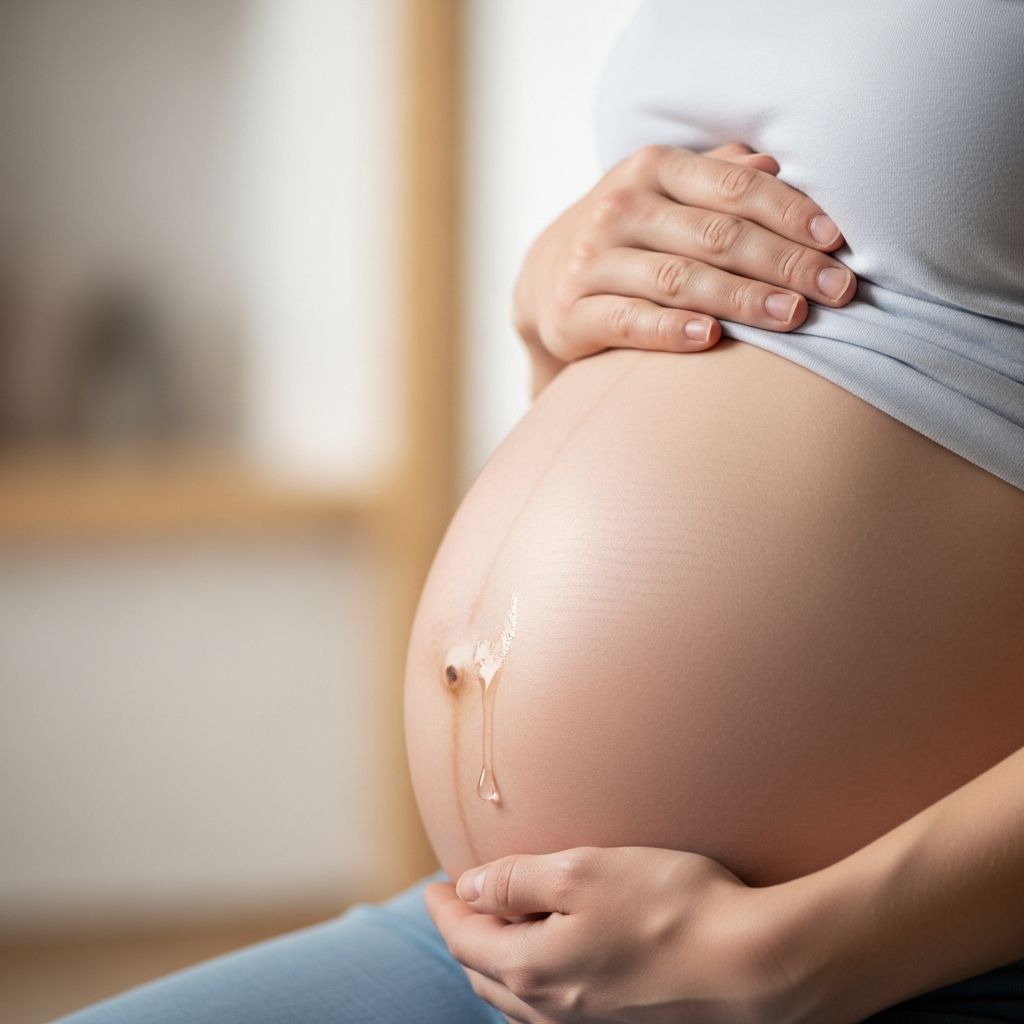
Understanding Your Body’s Recovery After Pregnancy Loss
Experiencing a miscarriage represents a significant physical and emotional event that affects multiple systems throughout your body. While many conversations focus on the emotional aspects of pregnancy loss, the physical recovery process—particularly changes to your menstrual cycle—deserves careful attention and understanding. Your reproductive system undergoes dramatic hormonal shifts during pregnancy, and when that pregnancy ends, your body must reestablish its normal hormonal balance. This transition period can manifest in various ways related to menstruation, and understanding what constitutes normal recovery versus when you should seek medical guidance is essential for your wellbeing.
The Timeline for Menstrual Resumption
One of the most common questions women ask after experiencing a miscarriage concerns when their period will return. The answer varies based on several individual factors, but research indicates that most people will experience menstruation again within four to eight weeks following their loss. However, this timeline is not universal. The specific duration of your pregnancy at the time of miscarriage significantly influences how quickly your menstrual cycle resumes. Early-stage miscarriages typically result in faster menstrual resumption compared to losses that occur later in pregnancy.
Your previous menstrual patterns also play an important role in determining your recovery timeline. If your cycles were irregular before pregnancy, they will likely remain irregular following miscarriage as your body readjusts. Additionally, whether you underwent a medical procedure such as dilation and curettage (D&C) can affect the speed at which your period returns, as can any complications related to retained tissue or incomplete loss. The important distinction to make is that while ovulation can occur as early as two to four weeks after miscarriage, the resumption of regular, predictable menstrual cycles typically takes longer.
Common Menstrual Pattern Changes Following Loss
After miscarriage, your menstrual cycle may exhibit several variations from your pre-pregnancy patterns. Understanding these changes helps you distinguish between normal recovery and situations requiring professional evaluation.
Heavy Bleeding and Extended Cycle Duration
The first menstrual period after miscarriage frequently differs significantly from your typical cycles. Many women experience heavier bleeding than normal, a condition medically referred to as menorrhagia. Additionally, your period may last longer than usual, potentially continuing for more than seven days. This extended duration, combined with intense cramping (dysmenorrhea), occurs as your uterus sheds its lining and your hormones work to reestablish equilibrium. While these changes can be uncomfortable and concerning, they generally represent a normal part of recovery in most cases.
Spotting and Breakthrough Bleeding
Between your regular menstrual periods, you may notice light spotting or irregular bleeding, a phenomenon known as metrorrhagia. This occurs as your hormone levels fluctuate while your body works to restore its pre-pregnancy endocrine function. These episodes of breakthrough bleeding typically diminish as your hormonal balance stabilizes over subsequent cycles.
Cycle Length Variability
Your menstrual cycles may not follow a consistent pattern in the months immediately following miscarriage. Some cycles might be shorter than your pre-pregnancy norm, while others extend beyond your typical duration. This variability, medically termed oligomenorrhea when periods become infrequent, reflects your body’s attempt to reestablish its regular hormonal rhythm. Most women find that their cycles normalize within two to three menstrual periods, though some may require additional time.
Diminished or Absent Menstruation
In some cases, women experience very light periods or temporary absence of menstruation following miscarriage. While this can understandably create alarm, it may result from several factors, including incomplete recovery of the uterine lining or in rare cases, a complication called Asherman’s syndrome. Asherman’s syndrome involves scarring of the uterine lining, typically following D&C procedures, and affects up to 30 percent of women who undergo this procedure after miscarriage or incomplete loss. Amenorrhea, or complete absence of menstruation, warrants medical evaluation if it persists beyond three months.
The Hormonal Mechanisms Driving Changes
Understanding the hormonal changes underlying menstrual irregularities helps explain why these variations occur and why patience is typically warranted during recovery. During pregnancy, your body produces human chorionic gonadotropin (hCG), a hormone created by the placenta that signals your ovaries to produce increased progesterone levels. Progesterone maintains pregnancy by preventing menstruation and supporting the uterine lining. When miscarriage occurs, hCG production ceases abruptly because the placental tissue is no longer present to generate this hormone.
This sudden hormonal decline creates a significant shock to your system. Your progesterone levels drop dramatically, your body’s hormonal balance becomes disrupted, and menstruation typically resumes once hCG levels return to zero. However, this transition is not instantaneous. Your pituitary gland, which coordinates many reproductive hormones, requires time to recalibrate and resume its normal signaling patterns. During this recalibration period, menstrual irregularities are expected and generally considered normal physiological responses to the abrupt hormonal changes your body experiences.
Contributing Factors Beyond Hormones
While hormonal fluctuations represent the primary driver of post-miscarriage menstrual changes, several additional factors can influence your recovery trajectory and menstrual patterns.
Psychological Stress and Emotional Impact
The emotional aftermath of miscarriage can have measurable physical consequences. Grief, anxiety, and stress about future pregnancy attempts trigger the release of cortisol and other stress hormones that can inhibit pituitary gland function, further disrupting menstrual regularity. The psychological component of recovery deserves recognition as part of your overall healing process.
Nutritional Status and Physical Recovery
Miscarriage results in significant blood loss, depleting your iron stores and creating nutritional deficits that your body must replenish. Inadequate nutrition following loss impairs your body’s ability to recover efficiently, potentially prolonging menstrual irregularities. Similarly, excessive physical activity or strenuous exercise during early recovery can negatively impact your menstrual cycle by causing strong abdominal muscle contractions that stress your healing uterus.
Infection and Gynecological Complications
Following miscarriage, your cervix remains dilated and your genital area may be more susceptible to bacterial infections due to increased moisture and vaginal discharge. If infection develops—whether as cervicitis, endometritis, or other gynecological conditions—it can cause menstrual irregularities and requires medical treatment to prevent complications.
Underlying Health Conditions
Certain pre-existing conditions can contribute to both miscarriage and menstrual irregularities. Polycystic ovary syndrome (PCOS), thyroid disorders, uterine fibroids, and clotting disorders may have caused or contributed to your miscarriage and may continue affecting menstrual patterns during recovery. If you have a history of such conditions, discussing their potential impact on your recovery timeline with your healthcare provider is important.
Distinguishing Normal Recovery from Concerning Patterns
While menstrual irregularities during the first few months following miscarriage are expected, certain patterns warrant medical evaluation. Understanding these distinctions helps you determine when professional guidance is appropriate.
| Recovery Phase | Typically Normal | Warrants Medical Evaluation |
|---|---|---|
| First 2-3 months | Irregular cycle length and flow, spotting between periods, heavier-than-normal first period | Severe hemorrhaging soaking multiple pads hourly, signs of infection (fever, foul-smelling discharge), extreme pain |
| 3+ months post-loss | Gradual normalization of cycle patterns | Persistent absence of menstruation, ongoing severe irregularity, heavy bleeding continuing beyond normal parameters |
If your menstrual irregularities persist beyond three months or become severe, consulting your gynecologist is prudent. Severe or prolonged irregular bleeding can indicate complications requiring intervention, such as retained tissue, infection, Asherman’s syndrome, or other uterine abnormalities.
Medical Evaluation and Diagnostic Approaches
When menstrual irregularities persist or concern you, your healthcare provider may recommend several diagnostic approaches to identify any underlying issues. Blood tests can evaluate your hormone levels, including thyroid function, to rule out endocrine disorders contributing to irregular menstruation. Pelvic ultrasound allows visualization of your uterine structure and endometrial thickness, helping identify scarring, retained tissue, or structural abnormalities. In some cases, hysteroscopy—a minimally invasive procedure allowing direct visualization of your uterine cavity—may be recommended to diagnose conditions like Asherman’s syndrome or other structural problems.
Supporting Your Recovery
While your body naturally works toward hormonal rebalance, several approaches support optimal recovery. Prioritizing adequate nutrition with emphasis on iron-rich foods helps replenish blood loss and supports overall healing. Gentle physical activity, once you’ve been cleared for exercise, can benefit both physical and emotional recovery without stressing your healing uterus. Managing stress through meditation, counseling, or support groups addresses the psychological dimensions of recovery that influence hormonal function. Maintaining good hygiene practices reduces infection risk during your body’s vulnerable recovery period. Finally, open communication with your healthcare provider ensures you receive appropriate monitoring and intervention if complications develop.
Frequently Asked Questions About Post-Miscarriage Menstruation
Is it normal for my first period after miscarriage to be much heavier than usual?
Yes, heavier bleeding during your initial period following miscarriage is extremely common as your uterus completes shedding its lining and your hormones rebalance. However, if you’re soaking through multiple pads per hour or experiencing other alarming symptoms, contact your healthcare provider.
How long should I expect menstrual irregularities to continue?
Most women experience normalization within two to three menstrual cycles, though some may require additional time depending on various factors including the pregnancy’s duration and individual circumstances. If irregularities persist beyond three months, medical evaluation is recommended.
Can I get pregnant before my period returns after miscarriage?
Yes, ovulation can occur as early as two to four weeks after miscarriage, meaning pregnancy is possible even before menstruation resumes. If you’re not ready to attempt pregnancy, discuss contraception options with your healthcare provider.
What is Asherman’s syndrome and how likely is it after miscarriage?
Asherman’s syndrome involves scarring of the uterine lining, typically resulting from D&C procedures or retained tissue. It affects up to 30 percent of women after D&C procedures and causes very light or absent menstruation. If suspected, hysteroscopy can diagnose and treat this condition.
Should I be concerned if my period hasn’t returned three months after miscarriage?
Prolonged absence of menstruation beyond three months warrants medical evaluation to rule out complications such as hormonal imbalances, thyroid issues, or structural uterine problems. Your healthcare provider can determine the cause and recommend appropriate treatment.
Does the timing of miscarriage affect menstrual recovery?
Yes, the gestational age at which miscarriage occurs influences recovery timeline. Later miscarriages (beyond 12 weeks) typically require longer menstrual recovery compared to early-stage losses due to more advanced hormonal changes.
References
- Menstrual Disorders After Miscarriage: Signs, Causes, & Treatment — Medical Review. 2024. https://apkamuaalij.com/blogs/menstrual-disorders-after-miscarriage-signs-causes-treatment
- Irregular Periods: Causes and Solutions to Get Pregnant — Vida Fertility. 2024. https://vidafertility.com/en/irregular-periods-menstrual-cycle-pregnancy-treatment/
- Will I Have Irregular Menstruation After a Miscarriage? — Ovia Health. 2024. https://www.oviahealth.com/guide/102445/pregnancy-loss-when-will-cycle-return-normal/
- Menstrual Disorders After Miscarriage — Vinmec International Hospital. 2024. https://www.vinmec.com/eng/blog/menstrual-disorders-after-miscarriage-en
- Periods After Pregnancy Loss: What to Expect — Miscarriage Association. 2024. https://www.miscarriageassociation.org.uk/blog/periods-after-pregnancy-loss/