Many couples encounter hurdles on their journey to conception, but with targeted lifestyle adjustments, medical support, and emotional resilience, success is achievable for the majority. Approximately 85% to 90% of infertility cases can be addressed through lifestyle changes, medications, or assisted reproductive technologies, leading to pregnancy.
Understanding the Roots of Conception Delays
Fertility issues affect both partners and stem from various factors including hormonal imbalances, age-related declines, lifestyle habits, and underlying health conditions. For women, extremes in body weight disrupt ovulation by altering hormone production, while intense exercise can lower progesterone levels essential for maintaining pregnancy. Men face risks from obesity, which reduces testosterone crucial for sperm production, and exposure to high temperatures that impair sperm motility.
Age plays a pivotal role; female fertility peaks in the early 20s and declines after 30, with the woman’s age being the top predictor of treatment success. Common contributors also include smoking, which accelerates ovarian aging, and untreated sexually transmitted infections like chlamydia that block fallopian tubes.
Essential Lifestyle Shifts for Enhanced Fertility
Simple, evidence-based changes can significantly boost conception odds. Prioritizing a healthy weight through balanced nutrition and moderate activity supports regular ovulation and optimal sperm quality.
- Achieve and maintain a healthy BMI: Both overweight and underweight individuals risk ovulatory disorders; aim for gradual changes via diet and exercise.
- Engage in moderate exercise: Limit vigorous activities like running to under five hours weekly to avoid hormonal disruptions.
- Eliminate tobacco and limit alcohol: Smoking hastens menopause by two years and reduces fertility; abstain from alcohol entirely when trying to conceive.
- Cap caffeine at 200mg daily: Equivalent to one or two small coffees, as higher intake may hinder conception.
- Practice safe sex to prevent STIs: Infections are a leading infertility cause; use protection until ready for pregnancy.
For men, avoiding saunas, hot tubs, and tight clothing preserves sperm health, alongside a nutrient-rich diet featuring antioxidants for sperm function.
Optimizing Timing and Frequency of Intimacy
Conception hinges on synchronizing intercourse with ovulation, typically 12-16 days before menstruation. Track cycles using apps or ovulation kits for precision.
| Fertile Window Strategy | Details | Benefits |
|---|---|---|
| Frequency | Sex every 2-3 days without contraception | Ensures viable sperm presence during ovulation |
| Ovulation Timing | Aim for mid-cycle, post-period | Maximizes egg-sperm meeting odds |
| Lubricant Choice | Use fertility-friendly options | Prevents sperm damage from standard lubes |
Consistent intimacy throughout the cycle sustains sperm availability, as they survive up to five days in fertile cervical mucus.
Nutritional Foundations for Reproductive Health
A fertility-supportive diet emphasizes whole foods, folic acid, and key nutrients. Daily folic acid supplementation (400mcg) from preconception aids fetal development and may enhance ovulation.
- Incorporate antioxidants: Berries, nuts, and leafy greens combat oxidative stress on eggs and sperm.
- Balance macros: Healthy fats from avocados and fish support hormone synthesis; limit processed sugars.
- Hydrate adequately: Supports mucus quality for sperm transport.
Partners should jointly adopt these habits, as paternal nutrition influences sperm DNA integrity.
Managing Emotional Strain During the Wait
The emotional toll of delayed conception can exacerbate issues via elevated stress hormones. Counter this with mindfulness and community support.
- Practice daily relaxation: Yoga, meditation, or deep breathing lowers cortisol, potentially improving ovulatory function.
- Seek peer groups: Organizations like RESOLVE offer in-person and online forums for shared experiences.
- Maintain routines: Hobbies, volunteering, and social connections prevent obsession; uplifting music or quotes provide quick mindset shifts.
- Limit night shifts: Disrupted sleep affects hormones; prioritize rest.
Grieving losses like negative tests is vital; allow space for emotions before refocusing on positives.
Medical Interventions and When to Seek Help
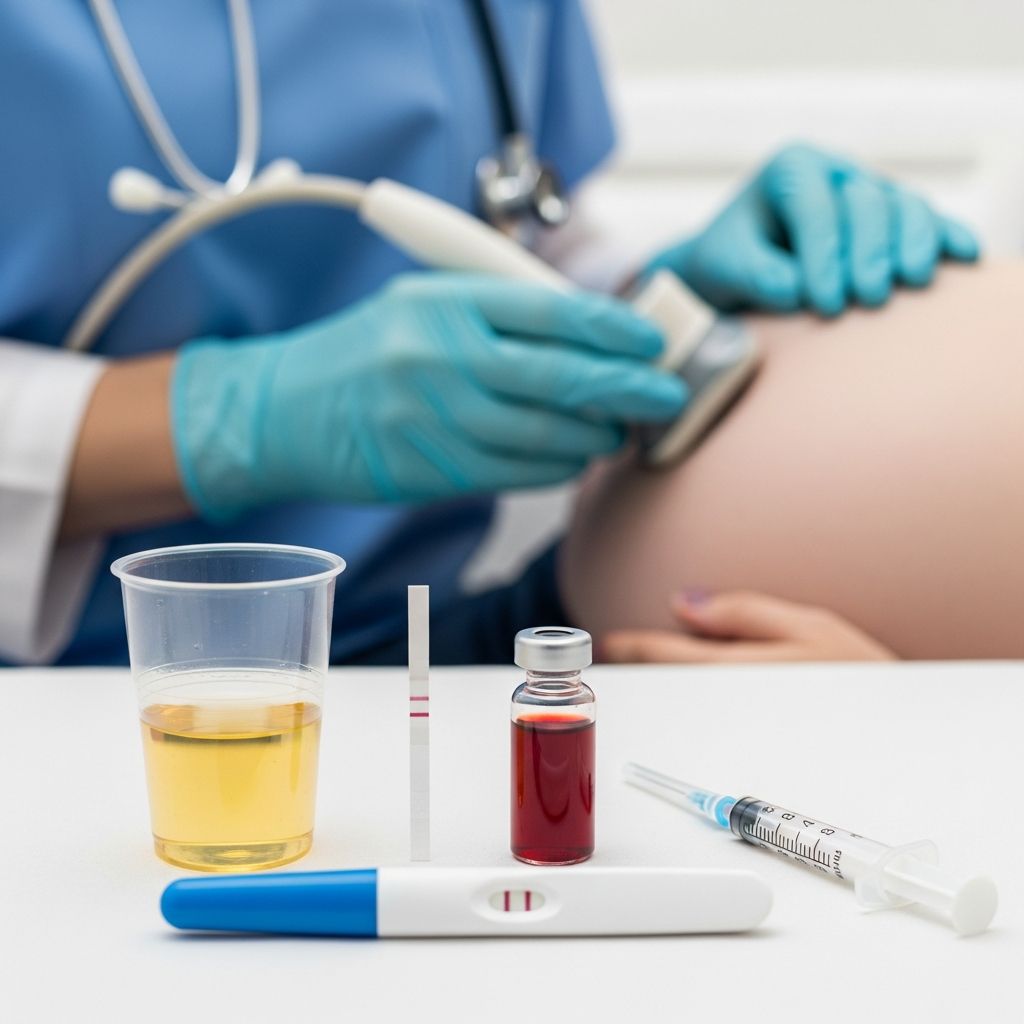
If conception eludes after 12 months (or 6 months over 35), consult a specialist. Initial steps include semen analysis, hormone tests, and ultrasounds.
Treatments range from ovulation-inducing medications like clomiphene to intrauterine insemination (IUI) and in vitro fertilization (IVF). Lifestyle tweaks often complement these, with 9 in 10 couples succeeding post-treatment.
- For women: Medications stimulate egg release; surgery corrects blockages.
- For men: Address varicocele or hormone issues surgically or medically.
- ART options: IVF yields high success, especially under 35.
Real-Life Victories: Stories of Triumph
Couples who’ve navigated infertility often credit combined approaches. One pair, after quitting smoking and adopting moderate exercise, conceived naturally post-18 months. Another found relief in support groups, leading to relaxed timing and pregnancy via IUI.
These narratives underscore persistence: track progress, celebrate small wins like regular cycles, and adapt strategies with professional input.
Frequently Asked Questions (FAQs)
Can lifestyle changes alone resolve infertility?
Yes, in many cases; modifications like weight management and quitting smoking improve outcomes significantly, especially when combined with timed intercourse.
How long should we try before seeing a doctor?
One year for under 35; six months if over 35 or with known issues.
Does stress really impact fertility?
Direct causation is unproven, but it harms overall health; reduction techniques aid the process indirectly.
Is caffeine safe when trying to conceive?
Under 200mg daily appears fine; monitor intake from all sources.
What role does male health play?
Crucial; optimize via diet, avoiding heat, and no smoking for better sperm parameters.
Building a Sustainable Path Forward
Embark on this journey with patience, arming yourself with knowledge and support. Regular check-ins with healthcare providers ensure tailored guidance. Ultimately, a holistic approach—body, mind, and partnership—paves the way to parenthood.
References
- Tips to improve fertility — Mayo Clinic Health System. 2023. https://sncs-prod-external.mayoclinic.org/hometown-health/speaking-of-health/tips-to-improve-fertility
- Female fertility: Why lifestyle choices count — Mayo Clinic. 2023-10-15. https://www.mayoclinic.org/healthy-lifestyle/getting-pregnant/in-depth/female-fertility/art-20045887
- Infertility: Types, Causes, Symptoms, Diagnosis & Treatment — Cleveland Clinic. 2023-11-01. https://my.clevelandclinic.org/health/diseases/16083-infertility
- Trying to get pregnant — NHS. 2024. https://www.nhs.uk/pregnancy/trying-for-a-baby/trying-to-get-pregnant/
- How to Get Pregnant | Best Tips to Help You Conceive — American Pregnancy Association. 2023. https://americanpregnancy.org/getting-pregnant/how-to-get-pregnant/
- 13 Tips to Help You Stop Obsessing About Becoming Pregnant — RMA Network. 2023. https://rmanetwork.com/blog/10-tips-help-stop-obsessing-becoming-pregnant/
- Reducing Your Risk of Infertility — UCSF Health. 2023. https://www.ucsfhealth.org/education/reducing-your-risk-of-infertility