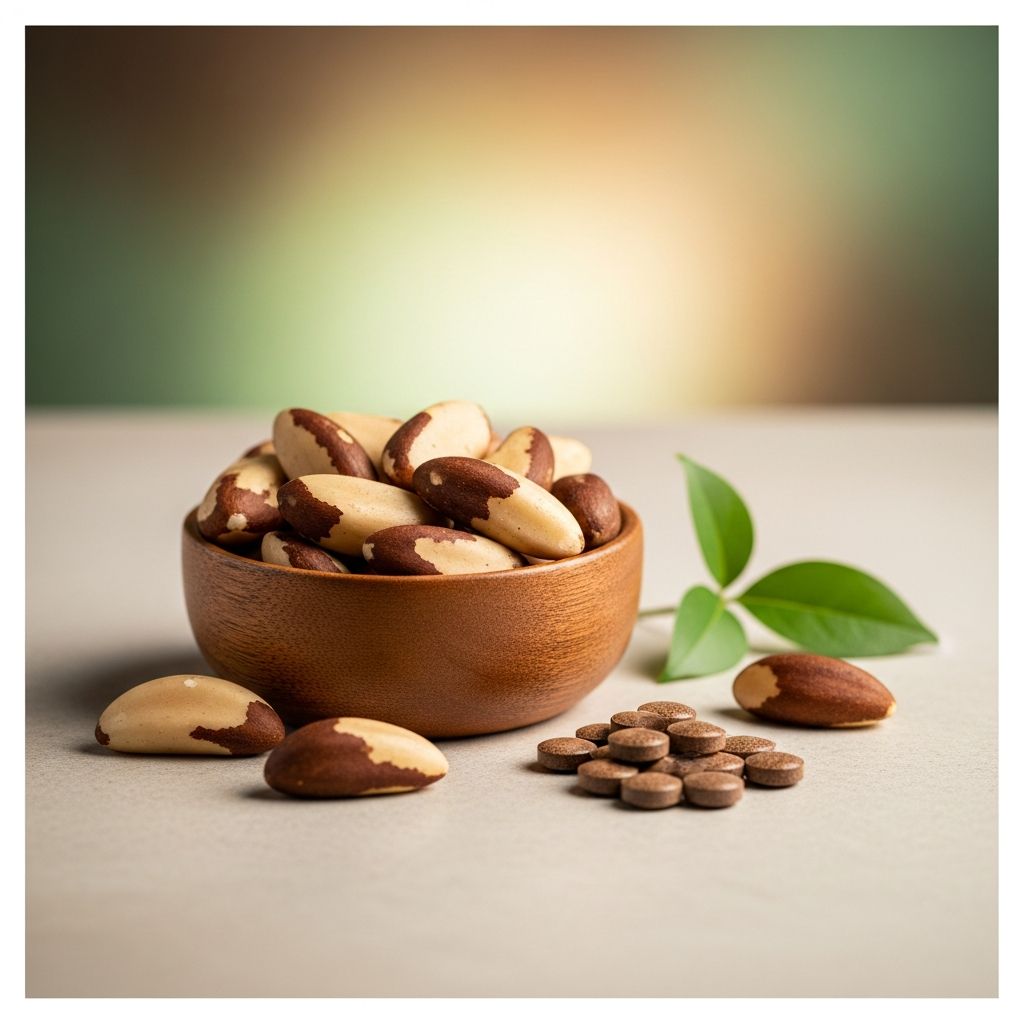
Brazil nuts have become a popular topic in fertility forums and TTC (trying to conceive) communities because they are one of the richest natural sources of selenium, a trace mineral linked to reproductive health, antioxidant protection, and thyroid function. Many couples wonder whether simply adding a few Brazil nuts a day can improve their chances of conceiving or supporting implantation. This article explores what selenium does in the body, how Brazil nuts fit into a fertility-friendly lifestyle, and how to use them safely without overdoing it.
What Is Selenium and Why Does It Matter for Fertility?
Selenium is an essential trace mineral that the body needs in small amounts for antioxidant defense, immune function, thyroid hormone metabolism, and reproductive health. It is incorporated into special proteins called selenoproteins, which help neutralize oxidative stress and support normal cell function.
- Antioxidant support: Selenium forms part of antioxidant enzymes that protect cells, including eggs and sperm, from damage caused by free radicals.
- Hormone and thyroid balance: Selenium is involved in the conversion of thyroid hormones, which influence metabolism, menstrual cycles, and overall reproductive function.
- Reproductive tissue health: Adequate selenium levels have been associated in research with better semen parameters and healthier follicular environments in women.
Because fertility depends heavily on hormone balance and cellular health, trace deficiencies in selenium may subtly impact egg quality, sperm function, or implantation conditions over time.
Brazil Nuts: A Powerful Natural Source of Selenium
Brazil nuts stand out nutritionally because they contain far more selenium per serving than most other foods. Even a single nut can provide or exceed the recommended daily intake for many adults, depending on where and how the nut was grown.
- Typical estimates suggest that one Brazil nut can provide roughly a full day’s worth of selenium for an adult.
- Because of this potency, only a small portion—often 1 to 3 nuts per day—is usually enough for most people aiming to support their selenium intake.
Besides selenium, Brazil nuts also offer healthy fats, protein, fiber, magnesium, and vitamin E, all of which can contribute to general health and support a balanced fertility diet.
Potential Fertility Benefits of Selenium
Research on selenium and fertility does not prove that one food alone can guarantee conception, but several mechanisms explain why this mineral is discussed so often in the fertility space. The potential benefits span both male and female reproductive health.
Egg Quality and Ovarian Health
Healthy eggs are critical to conception, whether natural or through assisted reproductive technologies. Oxidative stress in the ovaries and surrounding fluid can harm developing eggs, reduce their quality, or disrupt normal maturation.
- Selenoproteins help manage oxidative damage, potentially creating a more favorable environment for follicle development.
- Some studies have found associations between adequate selenium status and better markers of ovarian and follicular health, suggesting that low selenium may be one factor in suboptimal egg quality.
While selenium is not a magic bullet, maintaining good levels may be one of many strategies for supporting egg health alongside overall diet, sleep, stress management, and medical care.
Sperm Quality, Motility, and DNA Integrity
Male fertility often receives less attention in casual conversation, yet sperm quality can be as important as egg quality. Selenium has been investigated for its role in semen parameters and testosterone production.
- Research has linked adequate selenium intake with improvements in sperm concentration, motility, and morphology (shape), particularly in men with existing fertility challenges.
- Selenium-dependent antioxidants may help reduce DNA damage in sperm cells, which can influence fertilization potential and embryo development.
- Some studies report correlations between selenium status and testosterone levels, suggesting an additional hormone-related pathway.
Although many trials use supplements rather than whole foods, Brazil nuts are commonly discussed as a convenient, food-based way to support selenium intake in men trying to improve semen quality.
Implantation and Uterine Lining Support
In TTC communities, Brazil nuts are often recommended specifically for implantation support during the two-week wait, the period between ovulation (or embryo transfer) and pregnancy testing. This idea stems from selenium’s potential roles in tissue health and blood flow.
- Selenium contributes to normal immune and inflammatory responses, which may influence how the body responds to a newly implanted embryo.
- Some practitioners and anecdotal reports suggest that adequate selenium supports a healthy uterine lining and may help optimize the environment for implantation, though direct research on Brazil nuts themselves is limited.
It is important to remember that many factors affect implantation, including embryo quality, uterine structure, hormonal balance, and timing. Selenium intake should be viewed as one supportive element, not a guarantee of success.
Brazil Nuts and Thyroid Health in the Fertility Journey
Thyroid hormones significantly influence menstrual regularity, ovulation, and pregnancy maintenance. Both underactive and overactive thyroid conditions can disrupt cycles and lower chances of conception.
- Selenium helps convert thyroid hormones into their active forms and contributes to the protection of thyroid tissue from oxidative stress.
- For people with mild imbalances, optimizing selenium intake as part of an overall nutritional strategy may support more stable thyroid function, though this should never replace medical treatment.
Because of this connection, some fertility practitioners encourage a selenium-rich diet, including small amounts of Brazil nuts, particularly in individuals with known thyroid issues, always under professional guidance.
How Much Selenium Do You Need?
Health authorities generally recommend a relatively small daily intake of selenium for adults. Exact recommendations can vary slightly between countries, but they typically fall in a similar range.
| Group | Suggested Daily Intake (mcg) | Notes |
|---|---|---|
| Adult men | About 55 mcg | Supports general health and fertility. |
| Adult women | About 55 mcg | May increase slightly during pregnancy. |
| Pregnant women | Around 60 mcg | Supports maternal and fetal development. |
| Upper safe limit (most adults) | About 400 mcg | Regularly exceeding this may increase toxicity risk. |
Since one Brazil nut can easily meet or surpass the basic daily requirement, it is easy to overshoot the upper limit if large quantities are consumed regularly. Moderation is essential.
How Many Brazil Nuts Are Safe for Fertility Support?
There is no universal “fertility dose” of Brazil nuts, but most nutrition professionals recommend staying well below the upper limit for selenium and avoiding long-term, high intake from any single source.
- Common practical range: 1 to 3 Brazil nuts per day is often considered a moderate, food-based way to support selenium intake for most healthy adults.
- Short-term use around implantation: Some people choose to eat a small number of Brazil nuts only during the luteal phase or during IVF cycles, rather than year-round.
- Individual variation: Selenium content per nut varies by soil conditions and origin, so the exact dose is not perfectly predictable.
Anyone with thyroid disease, autoimmune conditions, or other chronic illnesses should check with a healthcare provider before making significant dietary changes or adding concentrated selenium sources.
Signs and Risks of Selenium Toxicity
Because Brazil nuts are so selenium-dense, it is possible to encounter toxicity if large numbers are eaten every day for extended periods. Chronic excessive intake can cause a condition known as selenosis.
- Early signs may include a metallic or garlicky taste in the mouth, digestive upset, or unusual fatigue.
- More serious or prolonged toxicity can lead to hair loss, brittle nails, skin changes, nerve disturbances, and more significant systemic effects.
- Consistently exceeding the tolerable upper intake level through supplements and food combined raises the risk of such problems.
Given these concerns, the goal with Brazil nuts is to use them as a periodic, moderate addition to a balanced diet, not as an unlimited snack or a replacement for medical fertility treatment.
Other Dietary Sources of Selenium for Fertility
Brazil nuts are convenient, but they are not the only way to get selenium. A diverse diet can supply this mineral through multiple food groups, reducing reliance on a single very concentrated source.
- Seafood: Fish such as tuna, halibut, and sardines often contain useful amounts of selenium.
- Meat and poultry: Turkey, chicken, beef, and pork can contribute to daily intake.
- Dairy and eggs: Cottage cheese, yogurt, and eggs provide moderate selenium and additional fertility-friendly nutrients like protein and choline.
- Grains and seeds: Whole grains and some seeds may contain selenium depending on soil content.
Combining these sources with a modest amount of Brazil nuts can help maintain a balanced mineral intake while still leveraging the fertility-related advantages of selenium.
How to Incorporate Brazil Nuts in a Fertility-Focused Diet
Adding Brazil nuts to your fertility routine works best when it complements an overall healthy eating pattern, rather than acting as a stand-alone solution. Consider pairing these nuts with other nutrient-dense foods that support reproductive health.
- Enjoy 1–2 Brazil nuts with a breakfast that includes whole grains, fruit, and protein to support blood sugar balance.
- Combine chopped Brazil nuts with other nuts and seeds, such as walnuts, almonds, and pumpkin seeds, for a more diverse mix of fats, vitamins, and minerals.
- Use ground Brazil nuts as a topping on yogurt, oatmeal, or salads to add crunch and healthy fats without relying on large quantities.
A fertility-focused diet might also emphasize leafy greens, colorful vegetables, omega-3-rich foods, adequate protein, and minimal ultra-processed products. Brazil nuts can then act as a small but strategic inclusion in this larger dietary picture.
Frequently Asked Questions (FAQs)
1. Can Brazil nuts alone help me get pregnant?
No single food can guarantee pregnancy. Brazil nuts may support fertility indirectly by contributing selenium and other nutrients that help protect eggs and sperm, support thyroid function, and promote general health, but conception depends on many complex biological and medical factors.
2. How many Brazil nuts should I eat per day while trying to conceive?
For most healthy adults, 1 to 3 Brazil nuts per day is often suggested as a reasonable range to support selenium intake without greatly increasing the risk of toxicity. Individual needs can differ, and other dietary sources of selenium should be considered when deciding on your personal limit.
3. Should I eat Brazil nuts only during the two-week wait or every day?
Some people prefer to eat Brazil nuts mainly during the luteal phase (after ovulation or embryo transfer) in hopes of supporting implantation, while others include them regularly in small amounts. There is no definitive evidence favoring a specific timing strategy, so consistency and moderation are usually more important than exact days.
4. Can men benefit from Brazil nuts for fertility too?
Yes. Selenium plays a role in sperm production, motility, and antioxidant protection, making it relevant for male fertility. A moderate daily intake of Brazil nuts as part of a balanced diet may help men support healthy semen parameters, especially when combined with other lifestyle and medical strategies.
5. Is it better to take a selenium supplement instead of eating Brazil nuts?
Both approaches have pros and cons. Supplements provide a precise, controlled dose, while Brazil nuts offer selenium plus additional nutrients in a whole-food form. However, because Brazil nuts vary in their selenium content, it can be harder to track your exact intake. People with specific medical conditions or those already taking multivitamins should consult a healthcare provider before adding extra supplemental selenium.
6. Are Brazil nuts safe during pregnancy?
In moderation, Brazil nuts can be part of a healthy pregnancy diet and can contribute beneficial nutrients, including selenium. However, because excessive selenium can be harmful, pregnant individuals should be particularly cautious not to consume large quantities over time and should discuss any planned dietary changes with their prenatal care provider.
Key Takeaways
- Brazil nuts are one of the richest natural sources of selenium, a trace mineral that supports antioxidant defenses, hormone balance, thyroid function, and reproductive health.
- Both male and female fertility may benefit from adequate selenium intake, with potential positive effects on egg quality, sperm parameters, and implantation environment.
- Because Brazil nuts are so selenium-dense, moderation is crucial: small daily servings, typically 1–3 nuts, are usually enough for most adults.
- Relying solely on Brazil nuts or selenium to solve fertility challenges is unrealistic; they should be part of a broader strategy including medical evaluation, lifestyle changes, and a balanced, nutrient-rich diet.
Used thoughtfully and in the right amounts, Brazil nuts can be a valuable addition to a fertility-supportive nutrition plan. However, they are best seen as one helpful tool among many rather than a stand-alone solution or guaranteed shortcut to conception.