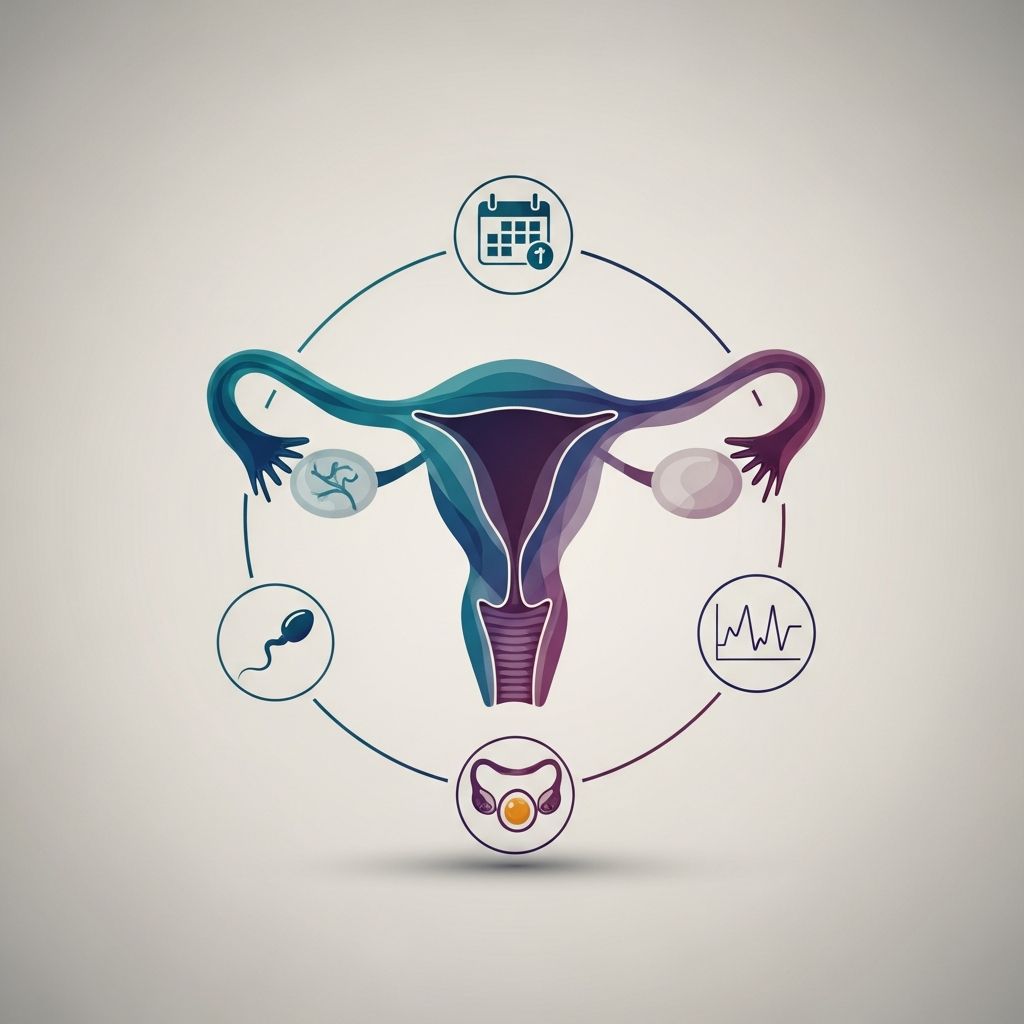
In vitro fertilization (IVF) offers hope to millions pursuing parenthood, but the process involves complex steps prone to human and technical errors. While success rates vary by age and clinic—with women under 35 achieving around 33-50% live births per cycle—understanding potential pitfalls empowers patients to advocate effectively. This article delves into common IVF errors, their impacts, and actionable protections, drawing on authoritative data to guide your path.
Navigating the Complex World of IVF Procedures
IVF encompasses ovarian stimulation, egg retrieval, fertilization, embryo culture, genetic testing, and transfer. Each phase demands precision, yet errors occur due to lab conditions, staff training, or protocol lapses. For instance, national data shows 37.5% of ART cycles result in live births overall, but discrepancies arise when clinics report inflated per-transfer rates excluding failed cycles. Age significantly influences outcomes: under 35, live birth rates post-transfer reach 46-54%, dropping to 2% by age 44.
Clinics like those tracked by SART emphasize transparency, yet patient mixes vary, making direct comparisons challenging. High-performing centers report above-average rates through advanced labs and protocols, but errors can undermine even the best efforts.
Critical Lab Mistakes That Can Derail IVF Cycles
Laboratory errors represent a major risk in IVF, affecting embryo viability and cycle success. Common issues include:
- Sample Mislabeling: Embryos or gametes swapped due to poor labeling, leading to wrong parents receiving implants.
- Contamination Risks: Bacterial or chemical exposure from unclean equipment, compromising embryo development.
- Temperature Fluctuations: Incubators failing to maintain 37°C, halting cell division.
- Embryo Handling Errors: Damage during micromanipulation for ICSI, used in 77% of cycles but unnecessary without sperm issues.
These mishaps occur in up to 1-5% of cycles per industry estimates, though underreported. SART data highlights how lab quality correlates with outcomes, with top clinics exceeding national averages.
Communication Breakdowns and Consent Oversights
Beyond the lab, errors stem from inadequate patient-clinic dialogue. Misunderstandings about success metrics—per-transfer vs. per-started cycle—set false expectations. Clinics may tout 50% rates per transfer, ignoring 30% of cycles without embryos. Consent forms rushed or unclear can lead to unapproved procedures, like add-ons without evidence.
Financial miscommunications exacerbate issues, with surprise bills for failed cycles. Patients over 40 face 1% live birth rates per cycle with own eggs, yet may not grasp donor egg alternatives yielding 42-52%.
Medication and Protocol Deviations in Treatment
Stimulation protocols rely on precise hormone dosing, but errors like incorrect compounding or timing disrupt ovulation. Pharmacy mix-ups have caused overdoses, risking ovarian hyperstimulation syndrome (OHSS). Transfer timing errors—too early or late—reduce implantation by 10-20%.
Age-stratified data underscores protocol importance: 35-37 year-olds see 36% success, vs. 23% for 38-40. Elective single embryo transfer (eSET) boosts safety, minimizing multiples while preserving rates.
Assessing and Selecting Reliable Fertility Clinics
Choosing a clinic mitigates risks. Prioritize SART/CDC reporters for verified data. Key evaluation criteria:
| Factor | Why It Matters | Red Flags |
|---|---|---|
| Success Rates | Compare per-cycle live births by age | Per-transfer only; no SART link |
| Lab Certifications | CLIA/CAP accreditation ensures standards | Unclear lab protocols |
| Staff Experience | Embryologists with 100+ years combined | High turnover |
| Transparency | Publishes raw data, risks | Vague marketing claims |
| Patient Reviews | Balanced feedback on errors/communication | Overly polished testimonials |
Top clinics like UCSF report high rates via expertise, not selective patients. Avoid those pushing unproven add-ons like routine ICSI.
Empowering Patients: Key Questions for Consultations
Arm yourself with targeted questions:
- How do you calculate success rates, and what’s my age-specific chance?
- What lab safeguards prevent mix-ups or contamination?
- Can I review your SART data and error incident history?
- What are risks of multiples, and do you recommend eSET?
- How do you handle consent and protocol changes mid-cycle?
Request tours of labs and embryology suites to verify conditions.
Legal and Financial Shields for IVF Patients
Errors warrant protections: informed consent laws mandate risk disclosure. In the US, malpractice covers lab negligence, though proving harm is tough. Financially, fixed-cycle pricing avoids per-transfer fees. Donor egg cycles, with 50%+ success, merit separate budgeting.
Cumulative rates after 3 cycles reach 70-90%, justifying multi-cycle packages.
Emerging Technologies to Minimize IVF Risks
Innovations like AI embryo selection, time-lapse imaging, and non-invasive genetic testing (NIPT-PGT) cut errors. Frozen transfers outperform fresh, with higher implantation. Clinics adopting these report 10-15% gains over national 35.2% for under-40s.
Real Patient Stories: Lessons from IVF Challenges
Consider anonymized cases: A mix-up led to discarded embryos, resolved via compensation but emotional toll immense. Another involved OHSS from dosing error, highlighting monitoring needs. Success stories emphasize vetted clinics and advocacy.
Frequently Asked Questions (FAQs)
What are realistic IVF success rates by age?
For women under 35, expect 33-50% live births per started cycle; over 40, under 10% with own eggs, higher with donors.
How common are lab errors in IVF?
Estimated 1-5%, including mislabeling and contamination, though SART tracks outcomes indirectly.
Should I use SART data to choose a clinic?
Yes, it’s the gold standard for verified, age-adjusted rates.
What protections exist against IVF errors?
CLIA labs, informed consent, eSET, and patient advocacy reduce risks.
Does ICSI always improve IVF odds?
No, only for male factor; routine use adds cost without benefit.
Building Resilience: Emotional Strategies for IVF
Errors compound stress; counseling, support groups, and mindfulness aid coping. Cumulative success motivates persistence.
IVF demands vigilance, but informed patients partnering with top clinics optimize outcomes. Success rates improve with protections, turning potential pitfalls into pathways to parenthood.
References
- Real IVF Success Rates — Egg Donation Friends. 2026-01-05. https://www.eggdonationfriends.com/real-ivf-success-rates/
- IVF & Donor Egg Success Rates — RSC Bay Area. Accessed 2026. https://rscbayarea.com/resources/ivf-success-rates/
- IVF Success Rates | Illume Fertility — Illume Fertility. 2026-01. https://www.illumefertility.com/about-us/success-rates
- How many IVF babies are born in the US? — USAFacts. Accessed 2026. https://usafacts.org/articles/how-many-ivf-babies-are-born-in-the-us/
- IVF Success Rates – UCSF Center for Reproductive Health — UCSF. Accessed 2026. https://crh.ucsf.edu/the-center/ucsf-fertility-success-rates/
- IVF Success Rates & Fertility Statistics — Pacific Fertility Center. Accessed 2026. https://www.pacificfertilitycenter.com/the-center/ivf-success-rates
- SART: Success Rates — SART. Accessed 2026. https://www.sart.org/patients/a-patients-guide-to-assisted-reproductive-technology/general-information/success-rates/