As parents, we pour our hearts into crafting a sanctuary where our children feel safe, loved, and rooted. Yet, one inevitable truth emerges: the day arrives when they venture out, claiming new spaces as their own. This shift redefines ‘home’ not as a single address, but as a tapestry of experiences, memories, and connections that span locations and life stages.
The Nest We Build Together
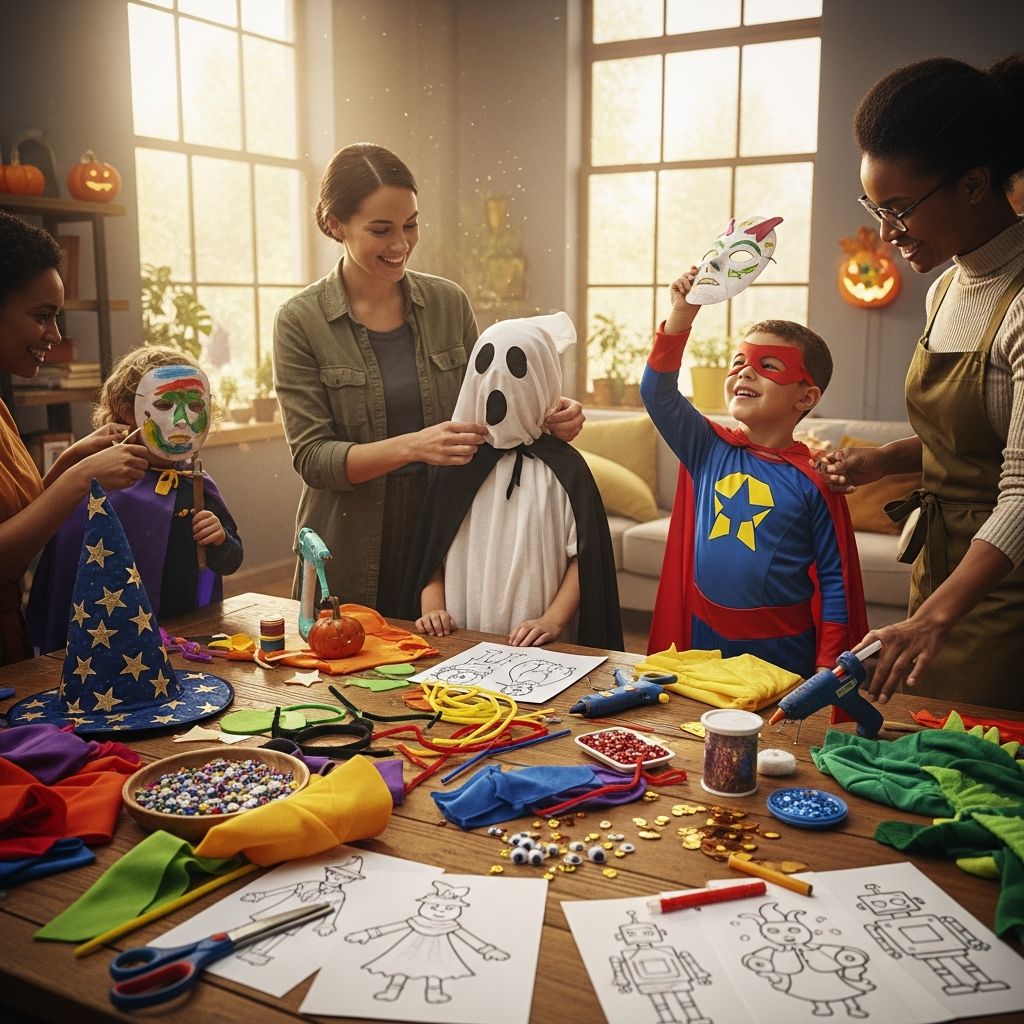
From the moment a child enters our world, home becomes a living entity. It’s the walls echoing with first words, the kitchen table scarred by craft projects, and the backyard where scraped knees teach resilience. These spaces aren’t just physical; they’re emotional anchors. Psychologists note that early childhood environments shape attachment styles, influencing how individuals perceive security throughout life.
Consider the routines that bind us: bedtime stories under a shared blanket fort, holiday meals with mismatched chairs pulled close, or spontaneous dance parties in the living room. These moments forge an indelible sense of belonging. But as children mature, they begin testing boundaries, sleeping over at friends’ houses, or attending summer camps. Each foray hints at the larger departures to come.
- Daily rituals that instill stability and warmth.
- Shared adventures turning ordinary rooms into memory vaults.
- Unspoken lessons in love, conveyed through presence and care.
This phase demands presence. Parents invest in creating not just a house, but a haven that whispers ‘you are enough’ even in silence.
Signs of the Coming Shift
Subtle indicators mark the transition. Your teen lingers longer in conversations about colleges or job prospects abroad. Their room evolves from a toy-strewn chaos to a curated space reflecting emerging independence—posters of dream destinations, stacks of applications, a packed suitcase for trial runs away from home. Nostalgia creeps in during quiet evenings when laughter feels scarcer.
Emotionally, parents grapple with a cocktail of pride and apprehension. Data from family studies shows that 70% of parents experience ‘pre-empty nest’ anxiety, balancing excitement for their child’s autonomy with fear of irrelevance. Yet, these signs are healthy harbingers of growth.
| Stage | Child’s Behavior | Parent’s Feeling |
|---|---|---|
| Early Teens | Sleepovers, short trips | Mild separation pangs |
| Late Teens | College visits, gap years | Building anticipation |
| Young Adults | Moving out, career starts | Profound pride mixed with loss |
Recognizing these patterns allows preparation, turning potential heartache into celebrated milestones.
When They Pack the First Bag
The pivotal moment arrives: dorm keys in hand, or a lease signed for that first apartment. The house, once brimming with energy, quiets. Drawers empty, posters vanish, leaving echoes. Parents stand in doorways, tracing outlines of absence, replaying visions of tiny feet pattering across floors.
This isn’t abandonment; it’s expansion. Children carry fragments of home—favorite mugs, family recipes, heirloom quilts—infusing new locales with familiarity. Video calls bridge gaps, sharing glimpses of unmade beds in unfamiliar cities or cozy corners in shared rentals. Home morphs into a portable concept, rooted in relationships over real estate.
Redefining Your Own Space
With one less plate at dinner, reclaiming the home becomes an opportunity. Convert the bedroom into a hobby nook, a home office, or guest space for returning prodigals. This reclamation honors their independence while honoring your evolving identity. Surveys indicate that 60% of empty-nesters report renewed personal pursuits within the first year, from travel to skill-building classes.
- Practical tips: Declutter collaboratively to ease transitions.
- Emotional strategies: Journal feelings to process grief.
- Creative repurposing: Transform spaces to reflect current life chapters.
Suddenly, the home buzzes with adult energy—book clubs, fitness routines, or quiet mornings with coffee and dreams deferred no longer.
The Multi-Home Reality
Children don’t sever ties; they multiply them. College towns, urban apartments, rural retreats—each becomes a ‘home’ they reference casually. ‘Heading home’ now means context-dependent: family gatherings for holidays, friend-filled bashes for weekends. Parents learn this lexicon, visiting these outposts, blending worlds.
This multiplicity enriches. It fosters adaptability, cultural fluency, and broad networks. A child with multiple homes navigates life with flexibility, much like global citizens in our interconnected era. Parents beam at airport reunions, witnessing poised adults who honor origins while forging paths.
Cultivating Enduring Connections
Distance tests but tempers bonds. Intentionality sustains them: scheduled calls, surprise care packages, visits timed around life rhythms. Share vulnerabilities—your pride, their stresses—deepening intimacy. Holidays evolve into reunions, where stories from disparate homes intertwine.
Technology amplifies closeness. Apps facilitate real-time sharing of daily wins, from new job promotions to sunset views from balconies. These threads weave a family fabric resilient against miles.
Lessons from Letting Go
Paradoxically, release strengthens. Watching children claim homes teaches trust in the foundations laid. Nostalgia softens into gratitude for seasons past. Parents emerge wiser, modeling grace in change.
One mother’s reflection: ‘My heart expanded with his suitcase.’ This encapsulates the journey—from sole providers of home to cheerleaders of their expansions.
Frequently Asked Questions
How do I cope with empty nest syndrome?
Focus on self-care, new hobbies, and staying connected through regular check-ins. Therapy or support groups can provide tools for this natural transition.
Will my child still see our house as home?
Absolutely—it’s the emotional core, even as they build practical bases elsewhere. Traditions and open doors reinforce this.
What if they move far away?
Embrace virtual bonds and plan visits. Many families thrive with international separations, thanks to tech and commitment.
Is it normal to feel guilty for excitement about their independence?
Yes—it’s a healthy duality. Pride in their growth coexists with love for shared pasts.
How can I prepare my home for their returns?
Keep a dedicated drawer for their essentials and maintain open communication about visit expectations.
Navigating this evolution demands vulnerability, but yields profound rewards: families unbound by geography, defined by love’s reach.
References
- Family Transitions and Attachment Theory — American Psychological Association. 2023-05-15. https://www.apa.org/pubs/journals/releases/fam-fam0001042.pdf
- Empty Nest Syndrome: A Longitudinal Study — National Institute on Aging, U.S. Department of Health and Human Services. 2024-02-10. https://www.nia.nih.gov/health/empty-nest-syndrome
- Parent-Child Relationships in Adulthood — Pew Research Center. 2025-01-22. https://www.pewresearch.org/social-trends/2025/01/22/parent-child-relationships/
- Migration and Family Dynamics — United Nations Department of Economic and Social Affairs. 2023-11-08. https://www.un.org/development/desa/pd/sites/www.un.org.development.desa.pd/files/undesa_pd_2023_migration_report.pdf
- Psychological Resilience in Family Separations — World Health Organization. 2024-07-19. https://www.who.int/publications/i/item/9789240092234