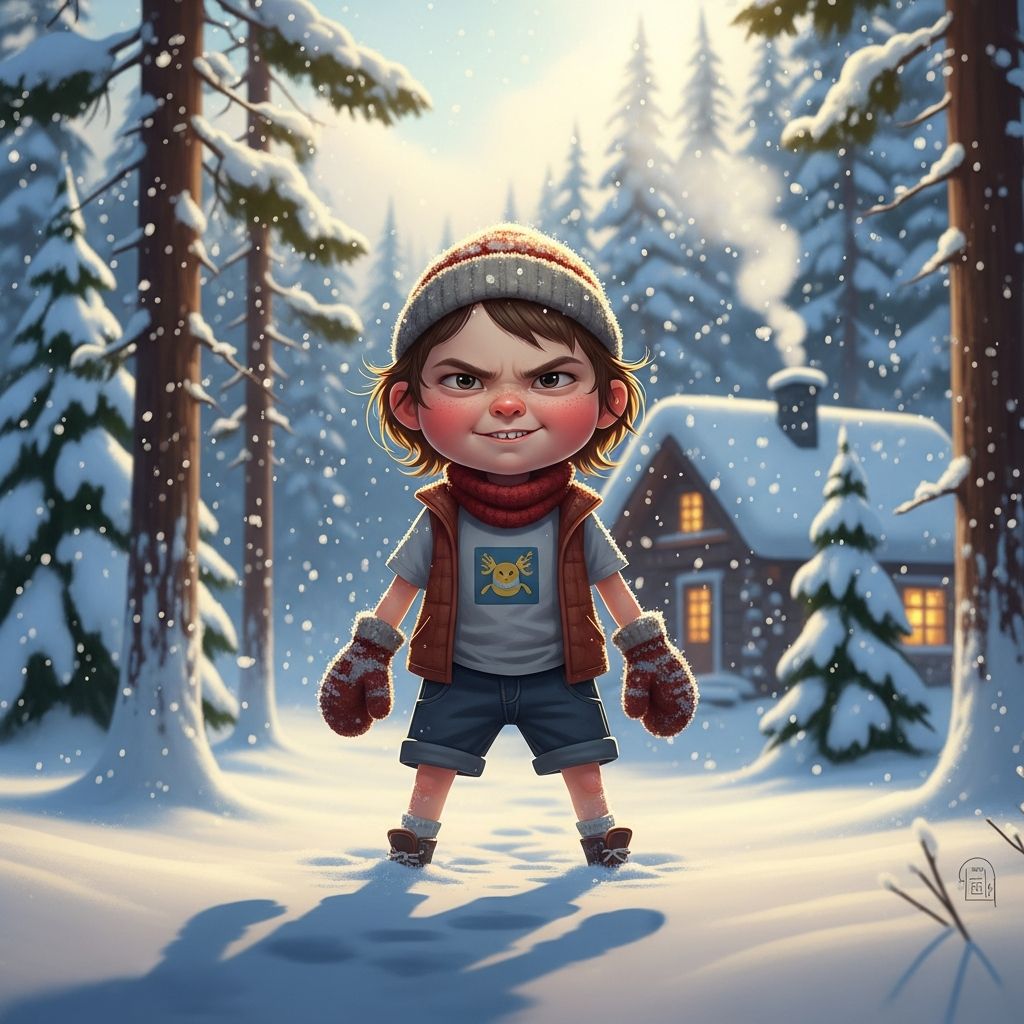
Every winter, parents face a peculiar challenge: convincing their children to abandon shorts for more suitable attire as temperatures plummet. This phenomenon, especially common among school-age boys and teens, sparks endless debates at bus stops and school drop-offs. While it may seem like mere stubbornness, deeper psychological, physiological, and cultural factors drive this behavior. Understanding these elements empowers parents to respond effectively, prioritizing safety without constant conflict.
Decoding the Shorts Obsession: What Motivates Children?
Children’s preference for shorts in winter often stems from a mix of comfort, identity, and rebellion. Many kids report feeling unrestricted in shorts, avoiding the bulkiness of pants or the itchiness of certain fabrics. For adolescents, it’s frequently tied to social dynamics—standing out at the bus stop in shorts amid bundled peers garners attention and reinforces group belonging.
- Comfort First: Track shorts with elastic waists offer freedom of movement, unlike restrictive jeans or layered clothing.
- Peer Influence: Trends spread quickly; if one child wears shorts, others follow to fit in, dismissing cold as ‘not that bad.’
- Sensory Preferences: Some children, particularly those with sensory sensitivities, reject seams, tags, or heavy materials found in winter gear.
Experts note that this isn’t just fashion—it’s developmental. Teens test boundaries, asserting independence by defying parental rules on dressing warmly. Hormonal shifts may heighten pain tolerance, making cold feel less intense, while cultural messages equate toughness with enduring chill without complaint.
The Science of Feeling Cold: Kids vs. Adults
Youngsters process cold differently due to immature thermoregulation. Infants and toddlers lose heat faster because of higher surface-area-to-body-mass ratios, but even older kids and teens generate ample body heat from activity—yet they underestimate prolonged exposure risks. Leg hair and testosterone don’t provide mythical insulation; instead, exposed skin accelerates heat loss via convection and wind chill.
Body temperature regulation involves the hypothalamus signaling vasoconstriction to preserve core heat. In shorts, legs lose warmth rapidly below 40°F (4°C), diverting blood from extremities and risking frostbite. Studies show children often ignore early shivering cues, prioritizing play or social image over self-preservation.
| Temperature Range | Child Risk Level | Recommended Attire |
|---|---|---|
| Above 40°F (4°C) | Low | Shorts acceptable for short exposures |
| 32–40°F (0–4°C) | Moderate | Pants, hoodie; monitor activity |
| Below 32°F (0°C) | High | Full layers: pants, coat, hat, gloves, scarf |
This table outlines wind chill-adjusted guidelines, emphasizing that activity duration matters—quick car-to-door dashes differ from recess or walks.
Health Dangers of Under-Dressing in Winter
While brief cold exposure doesn’t cause illness—viruses do—prolonged inadequate clothing invites serious threats. Frostbite freezes skin and tissues, starting with numbness and pale areas on ears, noses, fingers, and toes. Symptoms progress to blisters and gray discoloration; untreated, it leads to tissue death.
Hypothermia drops core temperature below 95°F (35°C), impairing judgment and coordination. Children are vulnerable due to slower behavioral adaptations—they play on instead of seeking warmth. The CDC reports thousands of annual U.S. cases, many from under-dressing during winter sports or commutes.
- Frostbite Signs: Prickling, then numbness; skin waxy or discolored.
- Hypothermia Indicators: Intense shivering, confusion, slow breathing.
- Emergency Response: Warm affected areas with 100–104°F (38–40°C) water; seek medical care for numbness over 10 minutes.
Akron Children’s Hospital pediatricians stress that below-freezing temps demand full protection, particularly for younger kids.
Parenting Strategies: Balancing Battles and Autonomy
Rather than daily showdowns, adopt proactive tactics. Establish routines: ‘Snow play requires boots and pants—no exceptions.’ Consistency across caregivers reinforces rules. Prepare alternatives like soft fleece leggings or windproof shorts to address comfort gripes.
Let natural consequences teach: Offer coat and pants for carry-always. Many kids don gloves first, learning incrementally. Frame discussions around choices: ‘Shorts for indoors, layers for outside?’ This respects autonomy while modeling safety.
- Assess daily forecast and plan outfits together.
- Stock sensory-friendly winter options (seamless socks, tagless tees).
- Use timers for dressing to reduce morning stress.
- Praise compliance: ‘You look ready for adventure!’
For extreme cases, consult pediatricians if defiance signals broader issues like sensory processing disorder.
Age-Specific Advice for Winter Dressing
Toddlers and Preschoolers (Ages 2–5)
These little ones can’t self-regulate well. Dress in layers: base (moisture-wicking), insulation (fleece), shell (waterproof). Mittens over gloves; cover head and neck to trap 40% of body heat.
School-Age Kids (Ages 6–12)
Emerging independence means negotiations work. Teach the ‘rule of thumb’: Exposed skin below 40°F signals pants time. Involve in shopping for appealing gear.
Teens (Ages 13+)
Peer pressure peaks; validate feelings while setting non-negotiables for sub-32°F days. Discuss real risks like frostbite’s long-term nerve damage to underscore seriousness.
Debunking Winter Clothing Myths
Myths persist: ‘Boys run hotter’ or ‘Shorts vent heat better.’ Reality: Active kids generate heat, but wind strips it fast. No evidence supports leg hair insulating like pants. Exposure doesn’t prevent colds but heightens injury risk.
- Myth: Cold air causes viruses. Fact: Viruses spread via contact; cold weakens immunity indirectly.
- Myth: Shorts build toughness. Fact: Preventable harm teaches poor lessons.
Essential Winter Gear Checklist
Equip kids properly:
- Breathable base layers
- Insulating mid-layers
- Wind/water-resistant outerwear
- Hats covering ears
- Waterproof boots
- Thin glove liners under mittens
Frequently Asked Questions
Is it ever safe for kids to wear shorts in winter?
Yes, for brief exposures above 40°F with low wind, but switch to pants below that threshold to minimize risks.
What if my child refuses all winter clothes?
Offer compromises like thin tights under shorts; enforce carry-always for coats. Consult experts if persistent.
How quickly does frostbite set in?
At 0°F with 15 mph wind, exposed skin frosts in 30 minutes; below -20°F wind chill, mere minutes.
Does letting them wear shorts teach responsibility?
Partially—natural discomfort prompts change, but guide with boundaries for safety.
Are girls less likely to do this?
Less common due to social norms, but any child may prioritize comfort or peers over warmth.
References
- Winter Clothing Advisory: Is It OK to Let Your Kids Wear Shorts? — Akron Children’s Hospital. 2024-01-01. https://www.akronchildrens.org/inside/2024/01/01/winter-clothing-advisory-is-it-ok-to-let-your-kids-wear-shorts/
- Hypothermia Prevention — Centers for Disease Control and Prevention (CDC). 2024-12-01. https://www.cdc.gov/disasters/winter/staysafe/hypothermia.html
- Frostbite — American Academy of Pediatrics. 2023-11-15. https://publications.aap.org/pediatrics/article/152/6/e2023062924/195685/Frostbite?autologincheck=redirected
- Thermoregulation in Children — National Institutes of Health (NIH)/PubMed. 2022-05-10. https://pubmed.ncbi.nlm.nih.gov/35572542/
- Wind Chill Chart — National Weather Service. 2025-10-01. https://www.weather.gov/safety/wind-chill