Pregnancy triggers profound hormonal and immunological shifts that can alter allergic responses, sometimes leading to new sensitivities or intensified symptoms in expectant mothers. While many women experience stable or improved allergies, others face novel challenges that require careful navigation to safeguard maternal and fetal health.
Hormonal Shifts: The Hidden Driver of Allergic Changes
The body undergoes remarkable adaptations during pregnancy to support fetal development, including elevated levels of estrogen, progesterone, and human chorionic gonadotropin. These hormones modulate the immune system toward a Th2-dominant state, which promotes tolerance to the fetus but can heighten vulnerability to allergens.
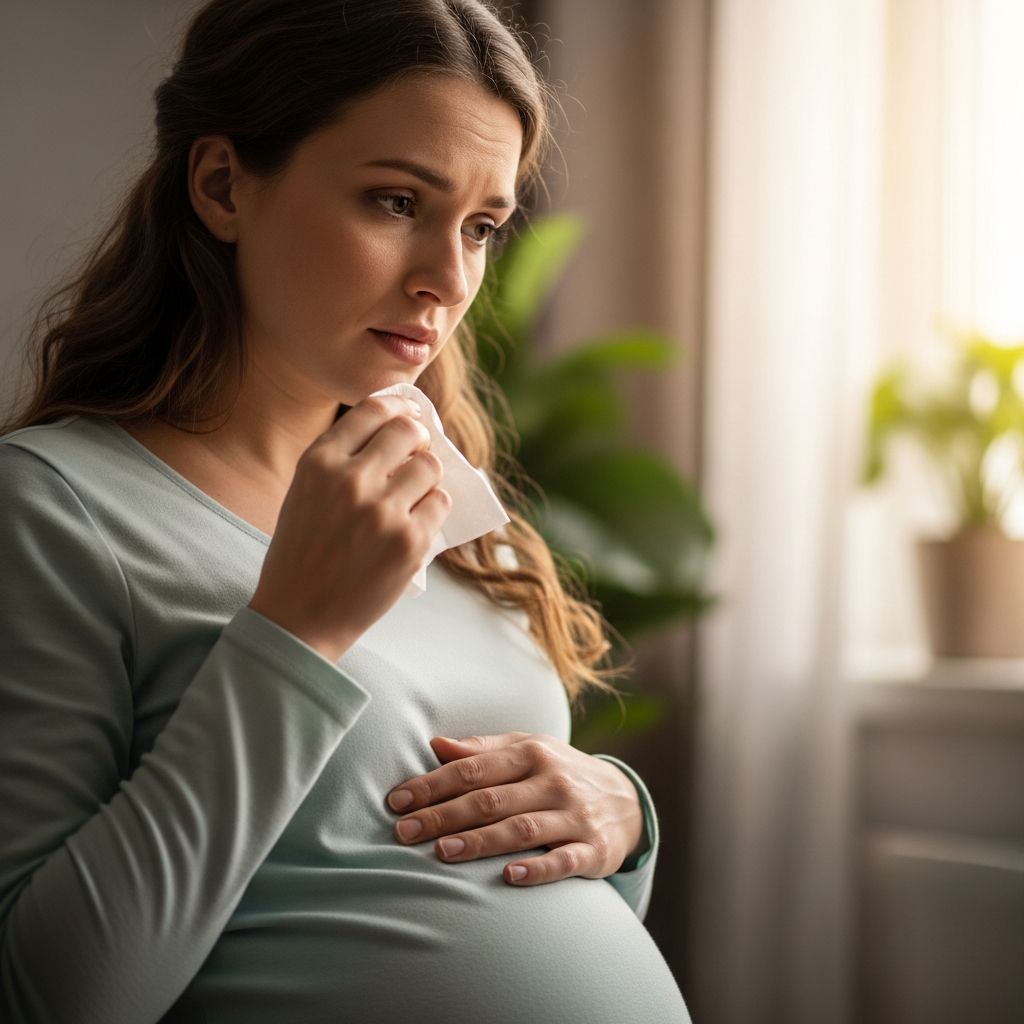
This immune pivot explains why some women notice nasal congestion, runny nose, or itchy eyes for the first time. Known as pregnancy rhinitis, this non-allergic condition mimics allergies but stems from vascular swelling in nasal passages, peaking in the third trimester. Distinguishing it from true allergies involves allergy testing, though skin tests are often deferred until postpartum for safety.
Asthma, a common allergic condition, exemplifies variability: approximately one-third of cases worsen, one-third remain unchanged, and one-third improve due to these hormonal influences. Women with pre-existing allergies should monitor symptoms closely, as uncontrolled inflammation poses risks like reduced oxygen to the fetus.
Can New Allergies Emerge During Pregnancy?
Yes, novel allergic reactions can develop during pregnancy, though they are less common than exacerbations of prior conditions. The immune system’s reprogramming may unmask latent sensitivities to pollen, dust mites, pet dander, or foods.
Factors contributing to new-onset allergies include genetic predisposition, environmental exposures, and pregnancy-specific stressors. For instance, high exposure to volatile organic compounds from recent home renovations or smoke can sensitize the immune system. Seasonal timing matters too; births in spring pollen seasons elevate risks for offspring if parents are allergic.
- New sensitivities often affect respiratory tract: Nasal allergies surge due to hormonal nasal engorgement.
- Food allergies: Rare but possible, triggered by immune misrecognition of proteins like those in dairy or eggs.
- Skin reactions: Eczema or hives may flare from heightened IgE production starting around 20 weeks gestation.
Importantly, total cord blood IgE at birth was once used to predict allergies but is no longer recommended due to inaccuracy.
Impact on the Fetus: Transplacental Allergen Transfer
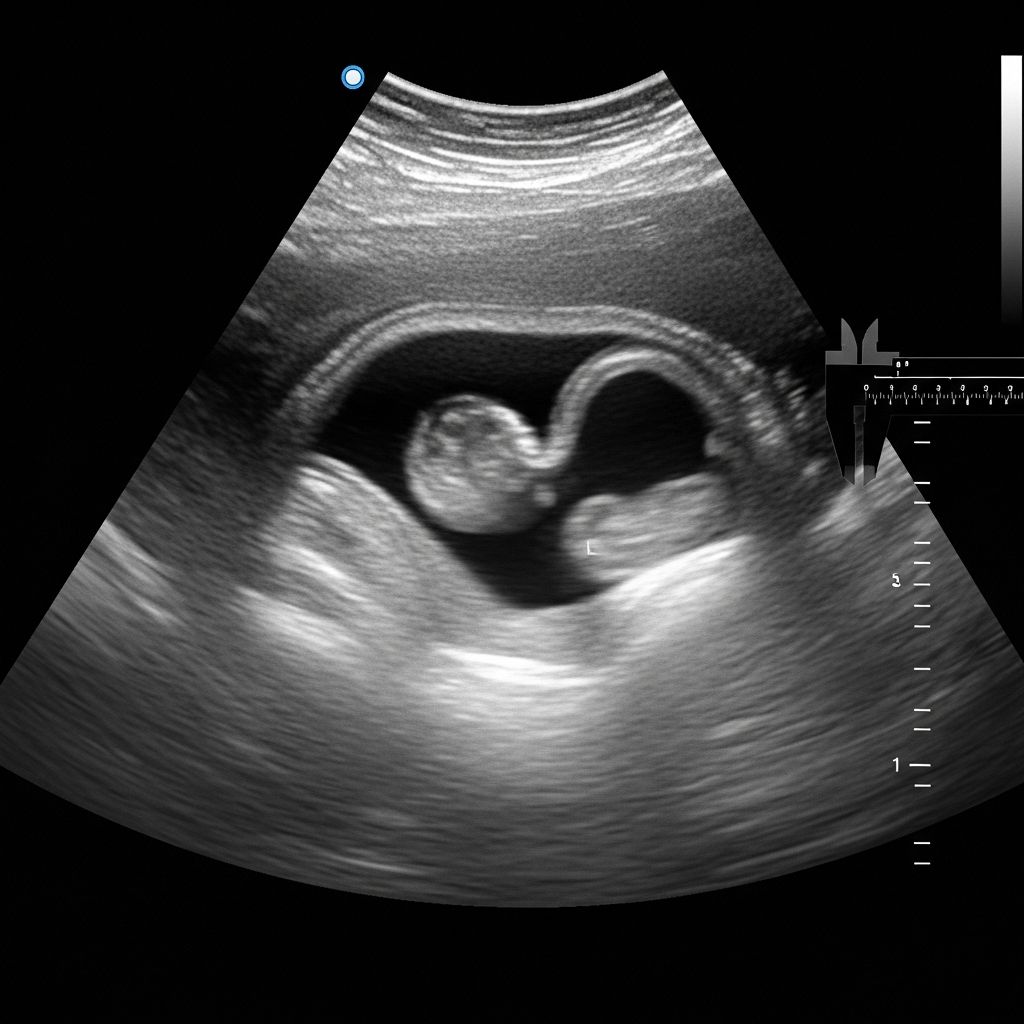
Allergens cross the placenta before 26 weeks, exposing the fetus to maternal circulating antigens via amniotic fluid. This early sensitization can prime the baby’s immune system for allergies, particularly if combined with risk factors.
Maternal allergies increase offspring atopy risk through genetic inheritance and in utero exposure. IgE antibodies, produced by the fetus from mid-pregnancy, amplify this vulnerability.
| Risk Factor | Effect on Fetal/Infant Allergy Risk | Evidence Source |
|---|---|---|
| Early pregnancy smoking | Potent trigger for allergies; heightens if postnatal smoke exposure | |
| C-section delivery | Increased allergies, rhinitis, wheezing; lacks vaginal microbiome | |
| Maternal n-6 PUFA-rich diet | Higher eczema risk in first 2 years | |
| Low vitamin D intake | Elevated allergic rhinitis risk | |
| Prolonged exclusive breastfeeding (>9 months) in high-risk | Increased atopic dermatitis, food hypersensitivity |
Preterm birth and low birth weight further compound risks, linking to long-term lung issues and sensitization.
Dietary Influences: Protecting Mother and Child
A mother’s nutrition profoundly shapes fetal immune development. Diets biased toward n-6 polyunsaturated fatty acids (e.g., margarine, vegetable oils) in late pregnancy correlate with infant eczema. Conversely, n-3 rich foods like fish provide protective omega-3s.
Vitamin D from dairy, eggs, fish, and mushrooms reduces allergic rhinitis odds in children. Avoid restrictive hypoallergenic diets, as they risk malnutrition without proven benefits.
- Probiotics and bacteria: Vaginal birth and breastfeeding expose infants to beneficial microbes, countering the hygiene hypothesis by balancing Th1/Th2 responses.
- Alcohol and antibiotics: Maternal alcohol raises IgE; early child antibiotics boost wheezing and sensitization.
Breastfeeding offers mixed outcomes: protective for 4-6 months in high-risk cases with hydrolyzed formula, but prolonged exclusive feeding may heighten atopy.
Safe Allergy Management Strategies for Expectant Mothers
Treatment prioritizes safety, favoring non-drug options first.
- Environmental controls: Use HEPA filters, encase mattresses, wash bedding weekly, avoid smoke and VOCs.
- Nasal irrigation: Saline sprays alleviate rhinitis without medications.
- Medications: Most intranasal steroids (e.g., budesonide) and antihistamines (e.g., loratadine) are pregnancy Category B, deemed safe. Consult providers before use.
- Immunotherapy: Subcutaneous shots paused; sublingual tablets may continue under supervision.
For severe asthma, inhaled corticosteroids and beta-agonists remain first-line, as poor control endangers the fetus more than treatment.
Postpartum Considerations and Long-Term Prevention
Symptoms often resolve post-delivery as hormones normalize, but breastfeeding mothers must select compatible medications. Monitor infants for the allergic march: eczema to food allergies, rhinitis, asthma.
Prevention emphasizes smoke-free environments, balanced diets, and microbe exposure via pets or farms (hygiene hypothesis). Month of birth influences pollen sensitization risks.
Frequently Asked Questions (FAQs)
Can pregnancy cause food allergies to suddenly appear?
Yes, though uncommon. Immune shifts may trigger IgE responses to foods, risking fetal exposure via placenta; severe cases threaten growth or lung development.
Is it safe to take allergy medicine while pregnant?
Many are safe after consulting a doctor; saline rinses and environmental changes are first-line.
Does smoking during pregnancy affect baby’s allergies?
Strongly yes—early exposure is a key trigger, amplified by postnatal smoke.
How does delivery method impact allergies?
C-sections raise risks by bypassing beneficial vaginal bacteria.
Should pregnant women avoid allergenic foods?
No evidence supports this; it may cause nutrient deficits. Focus on balanced nutrition.
Key Takeaways for Expectant Mothers
Pregnancy can reshape allergies through hormones and immunity, but informed strategies mitigate risks. Prioritize provider consultations, safe interventions, and healthy habits to foster allergy-resilient futures for mothers and babies.
References
- Allergy in Pregnancy and Childbirth — Allergy Clinic UK. Accessed 2026. https://www.allergy-clinic.co.uk/allergies/more-about-allergy/pregnancy/
- Update on allergies in pregnancy, lactation, and early childhood — National Institutes of Health (PMC). 2010-12-01. https://pmc.ncbi.nlm.nih.gov/articles/PMC2999741/
- Pregnancy and Allergies — Allergy Asthma Network. Accessed 2026. https://allergyasthmanetwork.org/allergies/pregnancy-allergies/
- Food allergies during pregnancy: When is it dangerous? — Vinmec International Hospital. Accessed 2026. https://www.vinmec.com/eng/blog/food-allergies-during-pregnancy-when-is-it-dangerous-en
- Pregnancy and Allergies — Oklahoma Allergy & Asthma Clinic. Accessed 2026. https://oklahomaallergy.com/news/pregnancy-and-allergies/