Why Letting Go of the Bottle Matters
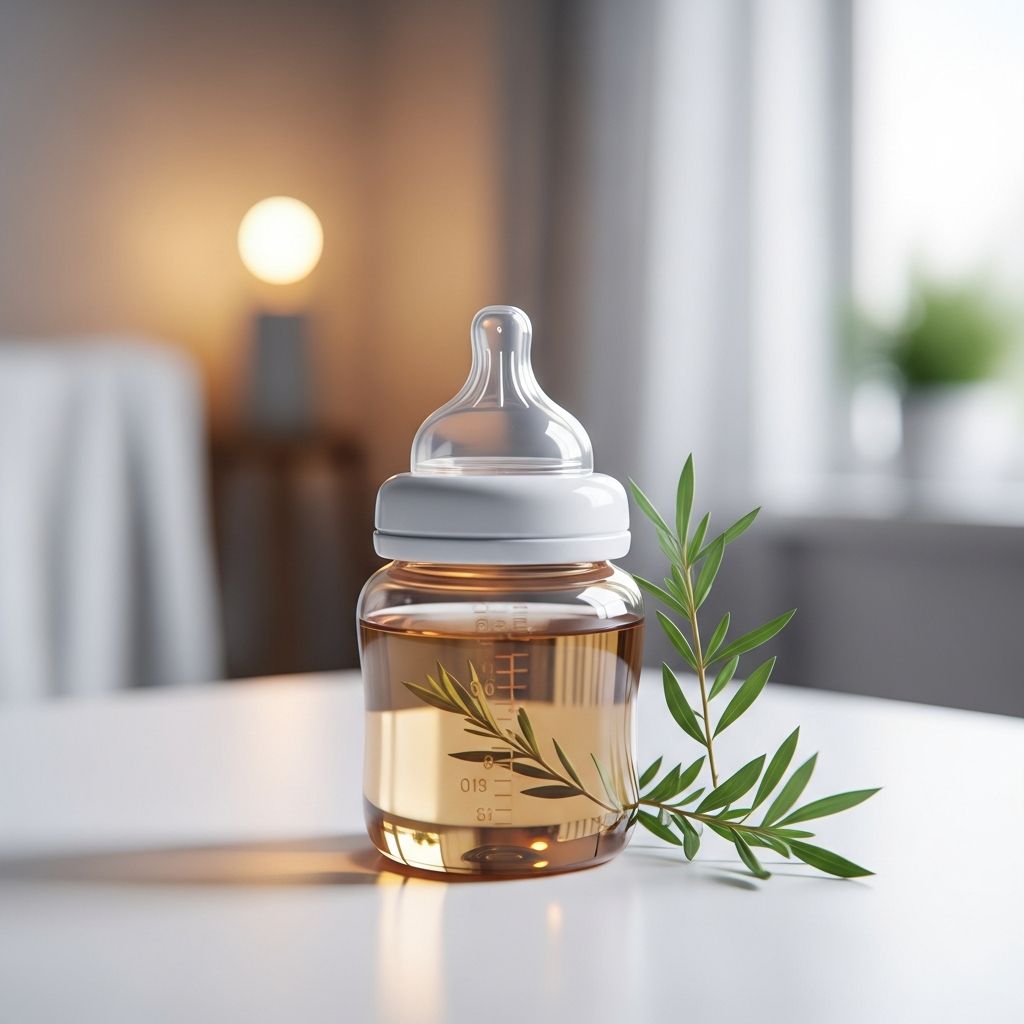
For many families, the baby bottle is a familiar and comforting part of daily life. It’s a reliable tool for feeding, soothing, and helping a child settle at bedtime. But as children grow, continuing to rely on the bottle can create more problems than it solves. Pediatric experts agree that moving away from the bottle is an important step in supporting a child’s long-term health, development, and independence.
The shift from bottle to cup isn’t just about convenience or following a schedule. It’s about protecting teeth, encouraging balanced nutrition, and helping children build the skills they need to eat and drink like older kids. When families understand the reasons behind this transition, it becomes easier to approach weaning with a clear purpose and realistic expectations.
Common Concerns That Come With Prolonged Bottle Use
Continuing to use a bottle past the toddler stage can quietly set the stage for several health and developmental issues. Many of these concerns are preventable with timely weaning, but they can become more difficult to address if the habit continues for too long.
Dental Health Risks
One of the most well-documented concerns is tooth decay, often called “baby bottle tooth decay” or “early childhood caries.” This happens when sugary liquids like milk, formula, or juice sit on a child’s teeth for long periods, especially during naps or overnight. The sugars feed bacteria that produce acid, which gradually erodes tooth enamel and leads to cavities.
Children who fall asleep with a bottle in their mouth are at particularly high risk. The liquid pools around the teeth, and because saliva flow decreases during sleep, there’s less natural protection. Over time, this can damage not only baby teeth but also the developing permanent teeth underneath. In severe cases, children may need extensive dental work, sometimes under sedation, which is stressful for both the child and the family.
Nutritional Imbalances
Another important reason to phase out the bottle is to support balanced nutrition. Toddlers who drink large amounts of milk from a bottle may feel too full to eat enough solid foods. Milk is nutritious, but it doesn’t provide all the nutrients a growing child needs, especially iron and a variety of vitamins and minerals found in solid foods.
When a child fills up on milk, they may skip or reduce portions of iron-rich foods like meat, beans, and fortified cereals. Over time, this can contribute to iron deficiency, which can affect energy levels, attention, and overall development. Limiting milk to mealtimes and offering it in a cup helps ensure that milk complements, rather than replaces, a varied diet.
Feeding and Oral Motor Development
Drinking from a bottle is a passive activity that doesn’t require much chewing or complex mouth movements. As children grow, they need to practice using their jaws, tongue, and lips to manage different textures and build the coordination needed for speech and eating a wide range of foods.
Children who rely heavily on bottles may be less motivated to explore solid foods or may avoid foods that require more chewing. This can delay the development of chewing skills and self-feeding abilities. Learning to drink from a cup, on the other hand, encourages better lip closure, tongue control, and coordination, all of which support both feeding and speech development.
When Is the Right Time to Start?
There is no single “perfect” age that fits every child, but general guidelines can help families plan the transition. Most pediatric and dental organizations recommend beginning to introduce a cup around 6 months of age and aiming to stop bottle use completely by 12 to 18 months.
By around 12 months, most children have the physical skills to sit steadily, hold a cup with help, and drink from it with some spilling. They are also eating a variety of solid foods and no longer depend on bottles for their main nutrition. Waiting much longer increases the risk of dental problems and can make the transition harder, as the bottle may become more of a comfort object than a feeding tool.
Signs Your Child Is Ready
- Can sit up without support
- Shows interest in what others are eating and drinking
- Can hold a cup or sippy cup with assistance
- Is eating a variety of solid foods regularly
- Has a predictable routine for meals and snacks
These signs suggest that a child is developmentally ready to start practicing with a cup. The goal isn’t perfection right away, but gradual exposure and practice in a low-pressure way.
How to Make the Shift From Bottle to Cup
Weaning from the bottle doesn’t have to be an all-or-nothing event. Many families find success by taking a step-by-step approach that respects both the child’s needs and the family’s routine.
Start with Introducing the Cup
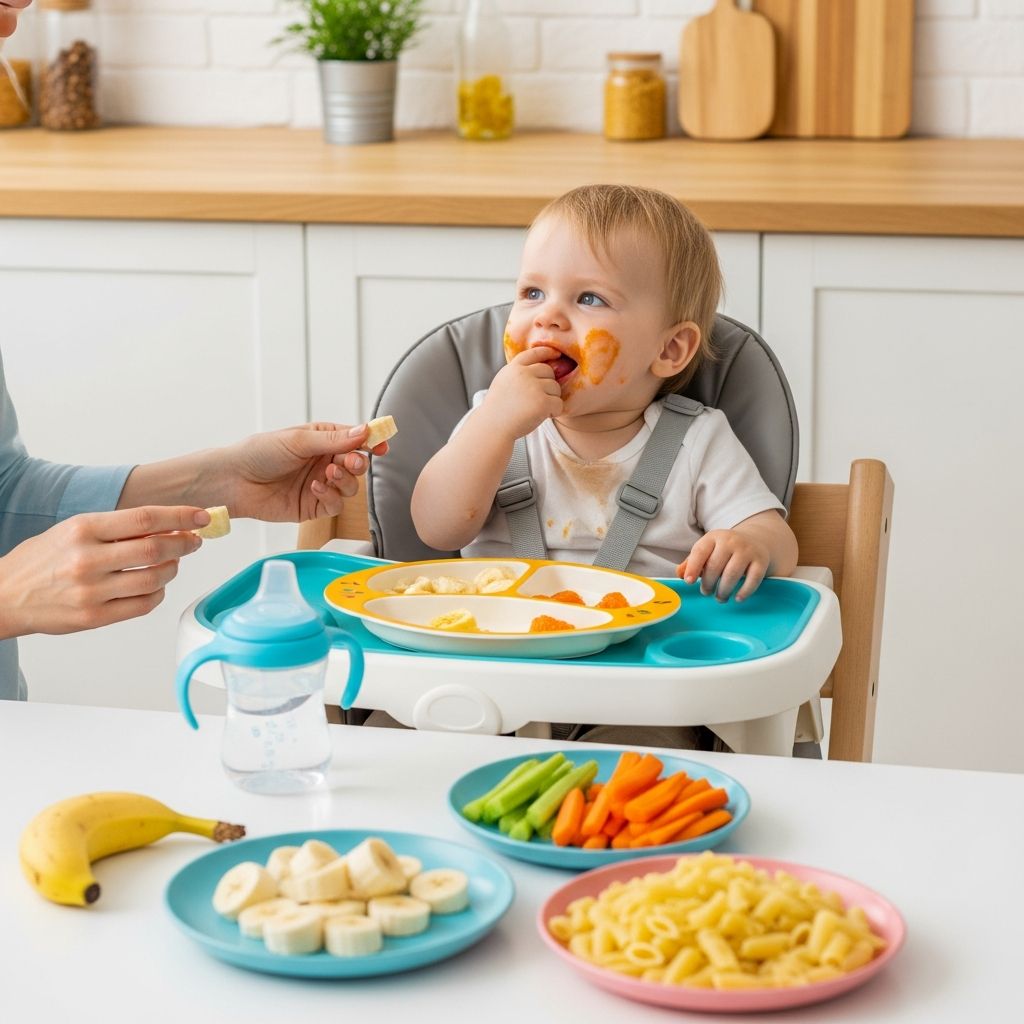
Begin by offering a small amount of breast milk, formula, or water in an open cup or a training cup during meals. Let the child explore the cup with supervision, even if they spill or play with it. The focus at this stage is on familiarity, not drinking large amounts.
Some children adapt quickly, while others need more time. It’s normal for progress to be uneven—some days may go smoothly, while others feel like a step backward. Consistency over time is more important than speed.
Gradually Replace Bottle Feedings
Once the child is comfortable with the cup, start replacing one bottle feeding at a time. Many families choose to start with daytime meals, such as lunch or dinner, and keep the bottle for morning and bedtime at first. As the child adjusts, gradually phase out the remaining bottle feedings.
For example:
- Week 1–2: Offer cup at lunch, keep bottle for breakfast, snack, and bedtime
- Week 3–4: Offer cup at lunch and snack, keep bottle for breakfast and bedtime
- Week 5–6: Offer cup at all meals, keep bottle only for bedtime
- Week 7+: Work toward replacing the bedtime bottle with a cup or another soothing routine
Handling the Bedtime Bottle
The bedtime bottle is often the hardest to give up because it’s tied to comfort and routine. To ease this transition:
- Offer the bottle earlier in the bedtime routine, then move to brushing teeth and cuddling
- Gradually reduce the amount of milk in the bottle over several days
- Replace the bottle with a cup of milk at the table, followed by tooth brushing
- Introduce a new comfort item, such as a favorite stuffed animal or blanket
- Stick to a consistent, calming routine that doesn’t revolve around feeding
Some children may protest at first, but most adapt within a few days to a week once the new routine is established.
Choosing the Right Cup
There are many types of cups available, and the best choice depends on the child’s age, skills, and preferences.
Types of Cups
| Type | Best For | Notes |
|---|---|---|
| Open cup | Children 12+ months with good head control | Promotes natural drinking pattern; expect some spills |
| Training cup (with lid and spout) | Transition from bottle | Less spill than open cup; avoid using too long |
| Straw cup | Children learning to use a straw | Supports oral motor development; good for water or milk |
| Spill-proof cup | On-the-go use | Convenient but can encourage sipping all day; limit use |
Experts generally recommend moving toward open cups as soon as possible, rather than relying on spill-proof or “sippy” cups for too long. While these cups can be helpful during the transition, prolonged use can still contribute to dental issues if children sip sugary drinks throughout the day.
What to Put in the Cup
What goes into the cup matters just as much as the cup itself.
- For children under 12 months: breast milk, formula, or water only. Cow’s milk is not recommended as a main drink before 12 months.
- After 12 months: whole cow’s milk (or a suitable alternative like fortified soy milk) can be offered in a cup at meals and snacks.
- Limit juice: If offered, serve only small amounts (4 oz or less per day) of 100% juice in a cup, not a bottle. Better yet, encourage whole fruit instead.
- Water is ideal for thirst between meals and helps protect teeth.
Common Challenges and How to Handle Them
Every child is different, and some may resist the change more than others. Understanding common challenges can help families stay calm and consistent.
Refusal to Drink From a Cup
If a child refuses the cup, try:
- Letting them choose their own cup (within safe options)
- Offering the cup at the same time as a favorite food
- Modeling by drinking from a cup yourself
- Starting with water or a small amount of milk to reduce pressure
Patience is key. It may take many exposures before a child accepts the cup.
Increased Night Wakings
When the bedtime bottle is removed, some children wake more often at night. This is often not about hunger, but about the loss of a familiar comfort. To help:
- Ensure the child is getting enough to eat and drink during the day
- Offer a small, balanced snack before bed if needed
- Respond to night wakings with comfort (cuddling, patting, quiet talking) rather than feeding
- Be consistent—changes in sleep patterns usually improve within a week or two
Emotional Attachment to the Bottle
For some children, the bottle is more than a feeding tool—it’s a source of comfort. In these cases, it can help to:
- Gradually reduce the amount in the bottle
- Replace the bottle with a new comfort routine (e.g., story, song, special blanket)
- Offer extra cuddle time during the day to meet emotional needs
- Use positive language (“You’re such a big kid with your cup!”) rather than focusing on what’s being taken away
When to Talk to a Pediatrician or Dentist
Most children make the transition from bottle to cup without major issues. However, it’s a good idea to reach out to a healthcare provider if:
- The child is over 18 months and still using a bottle regularly
- There are signs of tooth decay (white spots, brown areas, or pain with eating)
- The child is refusing most solid foods or seems to be growing poorly
- There are concerns about iron deficiency or other nutritional issues
- The child has special needs that affect feeding or development
A pediatrician or pediatric dentist can offer personalized guidance, check for underlying issues, and support families in creating a realistic plan.
Frequently Asked Questions
Q: Can I keep using a bottle if my child only drinks water in it?
A: Even with water, prolonged bottle use can interfere with feeding development and may reinforce a habit that’s harder to break later. It’s best to move to a cup for all drinks, including water, once the child is ready.
Q: How much milk should my toddler drink in a cup?
A: Most toddlers need about 16–24 ounces (2–3 cups) of milk per day. More than that can reduce appetite for solid foods and increase the risk of iron deficiency.
Q: Is it okay to use a sippy cup all day long?
A: It’s fine to use a sippy cup during the transition, but try to limit constant sipping, especially of milk or juice. Frequent exposure to sugars increases the risk of tooth decay. Offer drinks at set times and encourage water between meals.
Q: What if my child spills a lot when using an open cup?
A: Spilling is normal and expected. Use a small amount of liquid at first, place a mat or towel under the cup, and focus on the learning process rather than perfection. Most children improve quickly with practice.
Q: Can I let my child have a bottle at naptime?
A: It’s best to avoid bottles during naps and overnight, even if they contain milk. Lying down with a bottle increases the risk of tooth decay and ear infections. Offer milk in a cup before naptime, then brush teeth or wipe the mouth before lying down.
References
- Guidelines for Health Supervision III — American Academy of Pediatrics. 2024. https://publications.aap.org/pediatrics/guidelines
- Preventing Early Childhood Caries: A Guide for Health Professionals — American Academy of Pediatric Dentistry. 2023. https://www.aapd.org/globalassets/media/policies-clinical-recommendations/early-childhood-caries.pdf
- Healthy Feeding Guidelines for Infants and Toddlers — Centers for Disease Control and Prevention. 2023. https://www.cdc.gov/nutrition/infantandtoddlernutrition/index.html