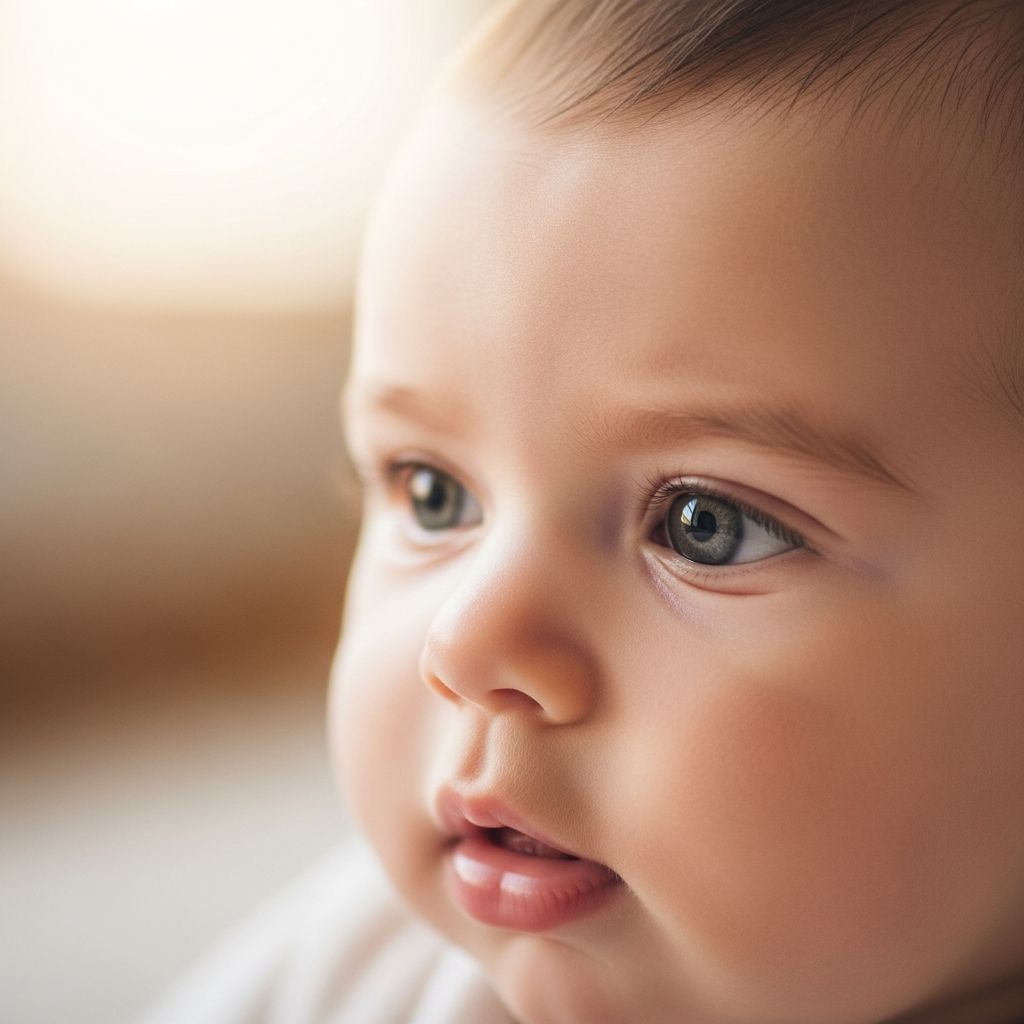
From the moment of birth, babies communicate volumes without words. Their facial expressions, limb movements, cries, and subtle gestures reveal hunger, contentment, fatigue, or overstimulation. Mastering these signals empowers parents to respond intuitively, strengthening emotional bonds and aiding developmental milestones. This comprehensive guide draws on expert insights to help you decode these vital messages, ensuring your little one’s needs are met promptly and effectively.
Why Baby Cues Matter for Early Development
Non-verbal communication forms the foundation of infant-parent interaction. Newborns enter the world equipped with innate signaling systems that prompt caregiving responses. Recognizing these cues not only prevents distress but also stimulates brain growth through responsive interactions. Studies show that attuned responses to baby signals enhance secure attachment, language acquisition, and social skills.
During the first year, babies progress from reflexive cries to purposeful gestures. By observing patterns in their behavior, parents can anticipate needs, reducing crying episodes and promoting calm states ideal for learning. Consistent cue recognition fosters trust, as infants learn their signals reliably elicit care.
Decoding Facial Expressions in Infants
A baby’s face is a dynamic canvas of emotions. Wide, bright eyes signal alertness and engagement, inviting interaction. In contrast, glazed or averted gazes indicate overload or disinterest.
- Alert and Interested: Eyes wide open, pupils dilated, focused stare on faces or objects. This ‘brightening’ reflects curiosity and readiness for social exchange.
- Content and Relaxed: Softened features, slight smile, relaxed brows. Often seen post-feeding or during gentle holding.
- Overwhelmed or Tired: Frowning, furrowed brows, yawning, or eye-rubbing. These prompt a need for quiet and dim lights.
By 2-3 months, social smiling emerges, where babies beam in response to familiar faces, mimicking expressions like tongue protrusion. This mutual gaze, or ‘visual regard,’ is crucial for attachment.
Interpreting Body Movements and Postures
Physical postures offer clear insights into a baby’s state. Flexed limbs with smooth motions denote comfort, while flailing or stiffening signals stress.
| Cue | Meaning | Response |
|---|---|---|
| Relaxed, open limbs | Content, ready to play | Engage with toys or talk |
| Arched back, tense muscles | Discomfort or gas | Burp, change position, soothe |
| Squirming, fidgeting | Possible diaper need or boredom | Check diaper, offer stimulation |
| Floppy or limp | Overstimulation or sleepiness | Dim lights, swaddle gently |
Vestibular cues, like enjoyment of rocking, highlight sensitivity to motion from birth. Upright carrying calms most effectively, arousing sleepy babies or settling fussy ones. Tactile preferences include stroking sensitive areas like hands and feet, which provide pleasure.
From Cries to Coos: Vocal and Sound Signals
Crying is the newborn’s primary tool, varying in pitch and rhythm to convey specifics. High-pitched wails often mean hunger, while rhythmic sobs suggest tiredness.
As weeks pass, cries evolve into coos and babble. At 2 months, infants produce vowel sounds like ‘ooo’ and respond to voices by turning. By 6 months, consonant babbling (‘ba-ba’) and raspberries emerge, marking expressive growth.
- Hunger Cry: Urgent, rising pitch; accompanied by rooting (head turn to cheek touch) and fist-sucking.
- Pain Cry: Sharp, intense; body stiffens.
- Tired Cry: Whiny, intermittent; with yawns and eye-rubs.
- Overstimulated Cry: Fussy, escalating; gaze aversion.
Responding with mimicking coos builds reciprocity, laying groundwork for language.
Age-Specific Milestones in Baby Communication
Communication unfolds predictably, blending receptive (understanding) and expressive (output) skills.
0-3 Months: Building Foundations
Newborns fixate on faces, track movements, and cry for needs. By 3 months, broad smiles and gurgling initiate ‘conversations,’ with body mirroring.
4-6 Months: Emerging Sounds and Gestures
Cooing intensifies; babies squeal, blow raspberries, and reach for voices. They pause at ‘no,’ showing receptive progress.
9-12 Months: Intentional Signaling
Arm-raising for pickup, waving bye-bye, ‘mama/dada,’ and name response appear. Head-shaking ‘no’ conveys refusal.
18-24 Months: Towards Words
Two-word phrases like ‘more milk,’ pointing to named items, and complex gestures like kissing emerge. They follow simple commands without cues.
States of Arousal: Timing Your Interactions
Babies cycle through sleep-wake states, each optimal for different activities.
- Deep Sleep: Minimal movement, regular breathing. Avoid waking; vital for brain development.
- Light Sleep: Twitches, whimpers, rapid eye movements. Rouse gently if needed.
- Quiet Alert: Bright eyes, minimal motion. Prime for bonding and learning.
- Active Alert: Fussing, sounds. May need soothing before engagement.
- Crying: Full distress; prioritize calming.
Interact during quiet alert states for maximum engagement.
Practical Strategies for Responsive Parenting
Observation is key. Track your baby’s unique patterns via a daily log of cues and responses. This personalizes care, as signals vary.
- Observe Clusters: Look for combined cues (e.g., rooting + cry = feed).
- Pause and Assess: Before intervening, note full body language.
- Mimic and Narrate: Copy expressions; describe actions to build language.
- Create Calm Environments: Reduce stimuli during fussy periods.
- Seek Patterns: Evening fussiness often signals tiredness.
Sensory integration matters: pleasurable touch soothes, while overstimulation leads to shutdown.
Common Challenges and Solutions
Colic mimics pain cues but stems from immaturity; white noise and swaddling help. Refusal of interaction may indicate illness—consult pediatricians if persistent. Cultural differences influence cue interpretation, but universal patterns hold.
Frequently Asked Questions (FAQs)
What does it mean if my baby arches their back?
Arching often signals discomfort, gas, or overstimulation. Try burping, position changes, or a quiet space.
How can I tell if my baby is hungry from other cries?
Hunger cues include smacking lips, rooting, and fist-sucking before full crying. A rising-pitch wail confirms it.
At what age do babies smile socially?
Social smiles typically appear around 6-8 weeks, directed at familiar faces during alert states.
Is it okay to let my baby cry sometimes?
Responsive care minimizes crying; prolonged cries indicate unmet needs. Quick response builds security.
What if my baby avoids eye contact?
Occasional aversion is normal for overload, but consistent avoidance warrants professional check for vision or neurological issues.
By attuning to these signals, parents transform guesswork into confident caregiving, nurturing thriving infants.
References
- Cues – The Royal Children’s Hospital — Royal Children’s Hospital. 2023. https://www.rch.org.au/cocoon/project/getting-to-know-baby/Cues/
- Communication: Infants and Toddlers — Virtual Lab School. 2023. https://www.virtuallabschool.org/infant-toddler/communication-and-language-development/lesson-2
- Understanding Your Baby’s Cues — Northwest Family Clinics. 2024-01-15. https://www.northwestfamilyclinics.com/blog/understanding-babys-cues
- Mastering Your Newborn Infant’s Cues — Susan Landers MD. 2023. https://susanlandersmd.com/mastering-your-newborn-infants-cues-a-guide-for-new-mothers/
- Emotional & Social Development in Babies: Birth to 3 Months — American Academy of Pediatrics. 2024-06-01. https://www.healthychildren.org/English/ages-stages/baby/Pages/Emotional-and-Social-Development-Birth-to-3-Months.aspx