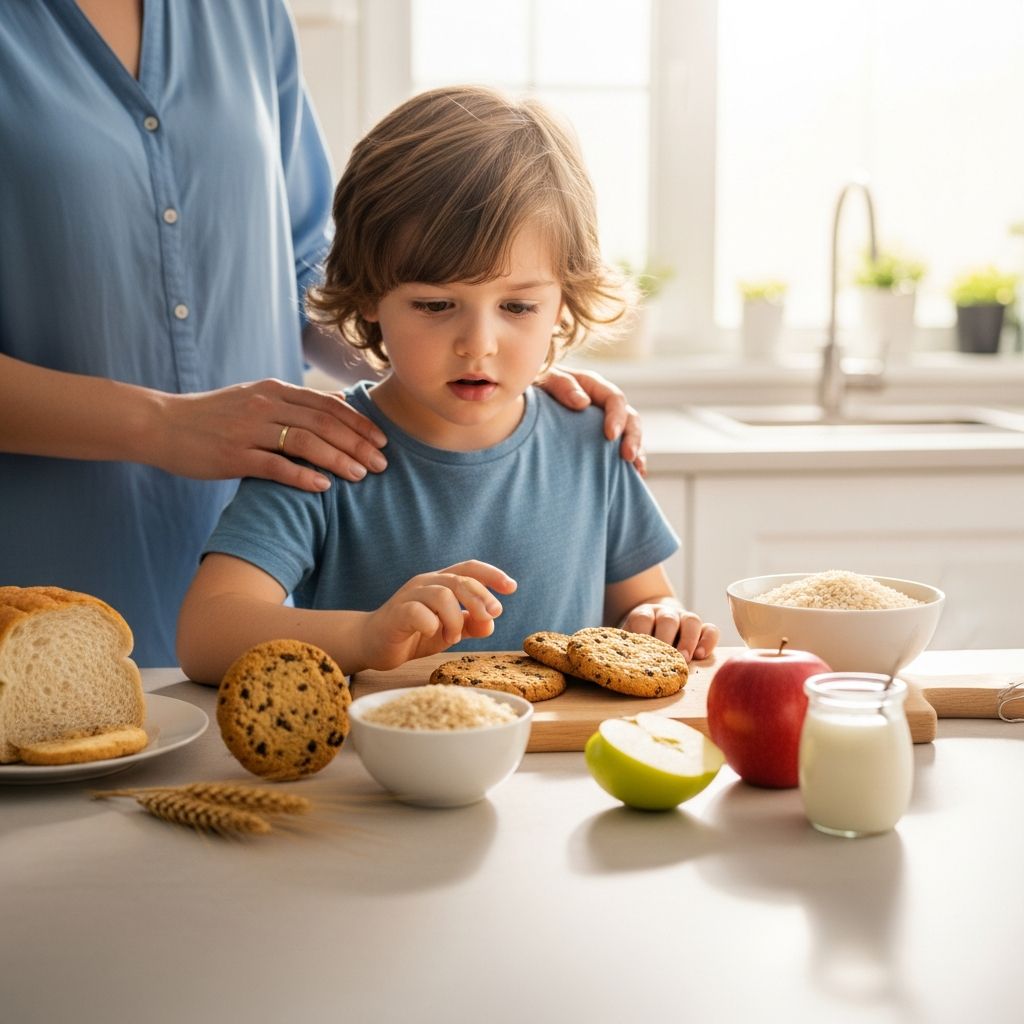
Wheat is found in many everyday foods, so discovering that a child has a wheat allergy can feel overwhelming. Yet with the right information and planning, most families learn to manage this condition safely while keeping meals enjoyable and varied.
What Is a Wheat Allergy?
A wheat allergy is an immune system reaction to one or more proteins found in wheat. When a child with this allergy eats wheat, the body mistakenly treats these proteins as harmful and releases chemicals such as histamine. This causes allergy symptoms that can range from mild to life-threatening.
Wheat allergy is different from other conditions that also involve wheat or gluten. Understanding these differences helps families avoid confusion and get the right care.
Wheat Allergy vs. Celiac Disease vs. Gluten Sensitivity
- Wheat allergy: An immediate or near-immediate immune reaction to wheat proteins. Symptoms can include hives, stomach pain, breathing problems, or anaphylaxis. Children must strictly avoid wheat.
- Celiac disease: An autoimmune condition triggered by gluten (found in wheat, barley, rye). It damages the small intestine and can lead to nutrient deficiencies. The treatment is a lifelong gluten-free diet.
- Non-celiac gluten sensitivity: Causes uncomfortable symptoms (like bloating or fatigue) after eating gluten but does not involve the same allergic antibodies or intestinal damage seen in celiac disease.
Because these conditions overlap in symptoms but not in treatment, any child who reacts to wheat should be evaluated by a healthcare professional rather than guessing the cause.
Why Some Children React to Wheat
In wheat allergy, the immune system produces antibodies against wheat proteins such as albumins, globulins, gliadins, or glutenins. When wheat is eaten again, these antibodies recognize the proteins and trigger the release of substances that cause allergy symptoms.
Wheat allergy can appear in infancy, toddlerhood, or later childhood. Some children outgrow it over time, while others continue to have symptoms into adolescence or adulthood.
Risk Factors for Wheat Allergy
- Family history of food allergies, eczema, asthma, or hay fever.
- Personal history of other food allergies, especially to common allergens like egg, milk, or peanut.
- Moderate to severe eczema in early infancy.
- Allergic conditions such as asthma or allergic rhinitis.
Having these risk factors does not guarantee a child will develop wheat allergy, but it increases the likelihood and may lead doctors to monitor symptoms more closely.
Common Signs and Symptoms
Wheat allergy symptoms usually appear within minutes to two hours after eating or sometimes touching wheat-containing foods. The reaction can involve the skin, digestive system, lungs, or heart and circulation.
Typical Mild to Moderate Symptoms
- Red, itchy skin or hives.
- Swelling of lips, eyelids, or face.
- Itchy mouth, tongue, or throat.
- Runny or stuffy nose; sneezing.
- Itchy, watery, or puffy eyes.
- Stomach cramps, bloating, or discomfort.
- Nausea, vomiting, or diarrhea.
- Coughing or mild wheezing.
Even if previous reactions were mild, future reactions can be more severe. Parents should not assume that a child is “only mildly allergic.”
Severe Reactions and Anaphylaxis
Anaphylaxis is a rapid, serious allergic reaction that can affect multiple body systems and may be life-threatening. Prompt treatment with epinephrine (adrenaline) is critical.
Possible signs of anaphylaxis include:
- Difficulty breathing, noisy breathing, or wheezing.
- Swelling of tongue, lips, or throat; trouble speaking or swallowing.
- Feeling faint, dizzy, or confused.
- Fast or weak pulse.
- Widespread hives or flushing, especially when combined with breathing problems or vomiting.
- Sudden severe abdominal pain, vomiting, or diarrhea along with other symptoms.
If anaphylaxis is suspected, use the prescribed epinephrine auto-injector immediately and call emergency services.
How Doctors Diagnose Wheat Allergy
There is no single test that can diagnose every case of wheat allergy on its own. Doctors use a combination of medical history, physical examination, and sometimes tests to confirm the diagnosis and rule out other conditions.
Information Doctors Usually Ask For
- Exact foods eaten before the reaction, including sauces, breading, and snacks.
- How quickly symptoms started after eating.
- What specific symptoms occurred and how long they lasted.
- Whether any medicines were given and how the child responded.
- Family history of allergies or autoimmune conditions.
Possible Tests
- Skin prick test: A tiny amount of wheat extract is placed on the skin, which is then lightly pricked. A small itchy bump can suggest sensitivity.
- Blood test (specific IgE): Measures the level of wheat-specific allergy antibodies in the blood.
- Elimination diet: Wheat is removed from the diet for a set period and then carefully reintroduced under medical guidance.
- Oral food challenge: Small, increasing amounts of wheat are given in a controlled medical setting to confirm or rule out allergy.
These procedures should always be guided by an allergy specialist. Self-testing with home kits or unsupervised food challenges can be dangerous.
Living Wheat-Free: Everyday Management
The main treatment for wheat allergy is complete avoidance of wheat and wheat-containing ingredients. This sounds simple, but wheat appears in many unexpected foods and even non-food items such as some craft materials.
Reading Labels Like a Pro
Parents must learn to read ingredient lists and allergen statements on every packaged product, even familiar ones, because recipes and manufacturing practices can change.
Common sources of wheat include:
- Breads, rolls, bagels, tortillas, and pizza crust made with wheat flour.
- Pasta, noodles, couscous, and many breakfast cereals.
- Cakes, cookies, muffins, and pastries.
- Breaded or battered meats, fish sticks, and chicken nuggets.
- Crackers, pretzels, and many snack foods.
- Some soy sauces, gravies, soups, and seasonings.
In many countries, wheat must be clearly mentioned in the ingredient list or in a “contains” statement, but parents should also be aware of less obvious names for wheat-based ingredients.
Examples of Wheat-Free Grain Options
| Grain or Starch | Wheat-Free? | Common Uses |
|---|---|---|
| Rice | Yes | Rice bowls, porridge, rice noodles, rice cakes |
| Oats* | Often (check label) | Oatmeal, granola, baked goods with certified wheat-free oats |
| Corn (maize) | Yes | Corn tortillas, polenta, cornmeal breads made without wheat |
| Quinoa | Yes | Warm grain bowls, salads, pilafs |
| Buckwheat | Yes (despite the name) | Pancakes, noodles (soba) when made without wheat flour blends |
| Potato starch | Yes | Thickening soups, baking blends |
*Some oat products may be contaminated with wheat during processing, so look for brands labeled as wheat-free or processed in dedicated facilities if advised by your child’s doctor.
Preventing Cross-Contact at Home
Cross-contact occurs when wheat accidentally gets into a wheat-free food, for example through shared utensils or crumbs. Even small amounts of wheat can cause symptoms for some children.
Simple Kitchen Strategies
- Use separate cutting boards and toasters for wheat-free foods.
- Wash hands thoroughly before preparing your child’s meals and snacks.
- Clean counters and cooking tools with hot, soapy water after using wheat-containing ingredients.
- Store wheat-free products on separate shelves, ideally above items that contain wheat to prevent crumbs from falling in.
- Use dedicated spreads (like butter or jam) for your child to avoid crumbs from shared knives.
School, Parties, and Eating Out
Children with wheat allergy can fully participate in school and social events with advance planning and clear communication. Working as a team with teachers, caregivers, and friends’ parents is essential.
Planning for School
- Meet with teachers and school staff before the year begins to explain your child’s allergy and typical symptoms.
- Provide written action plans, including when to give antihistamines and when to use epinephrine.
- Ensure an epinephrine auto-injector is easily accessible and that staff are trained to use it.
- Discuss policies for classroom snacks, birthday treats, and field trips.
Handling Social Events and Restaurants
- Call ahead to restaurants to ask about wheat-free options and food preparation practices.
- Ask detailed questions about ingredients, coatings, marinades, and sauces.
- Bring safe snacks or meals to parties so your child always has something they can enjoy.
- Teach older children how to ask about ingredients and politely decline unsafe food.
Nutritional Considerations for a Wheat-Free Diet
Wheat-based products are often major sources of energy, fiber, and some vitamins in children’s diets. When eliminating wheat, it is important to replace these nutrients so growth and development remain on track.
Key Nutrients to Watch
- Energy (calories): Replace wheat-based breads and pasta with wheat-free grains like rice, quinoa, or certified wheat-free oats.
- Fiber: Offer fruits, vegetables, legumes (beans, lentils), nuts, seeds, and whole grains that do not contain wheat.
- B vitamins and iron: Choose enriched wheat-free breads and cereals when available or ask a dietitian about other rich sources.
A registered dietitian with experience in pediatric food allergies can help create balanced meal plans and discover new recipes that your child enjoys.
Medications and Emergency Plans
While avoiding wheat is the main strategy, accidental exposures can still occur. Having a clear plan for treating reactions makes these situations less frightening and improves safety.
Common Medicines Used
- Antihistamines: May reduce itching, hives, or mild swelling for non-severe reactions, as directed by a doctor.
- Epinephrine auto-injector: The first-line treatment for signs of anaphylaxis. Families are usually taught to give it at the first sign of a serious reaction.
Parents, older children, caregivers, teachers, and coaches should all know where the epinephrine is stored and when and how to use it. After epinephrine is given, emergency medical care is always needed, because symptoms can return.
Supporting Your Child Emotionally
Living with a food allergy affects more than just the dinner plate. Children may feel left out when they cannot eat the same foods as their friends or may worry about having a reaction away from home.
Building Confidence and Resilience
- Involve your child in age-appropriate tasks, such as reading labels or helping choose safe foods.
- Role-play how to refuse unsafe foods or explain their allergy to others.
- Encourage questions and listen to their fears without dismissing them.
- Highlight what they can eat and help them discover new favorite meals and snacks.
Some families also find it helpful to connect with local or online support groups for parents and children dealing with food allergies. Sharing experiences can reduce isolation and provide practical tips.
Frequently Asked Questions (FAQs)
1. Can children outgrow a wheat allergy?
Many children with wheat allergy do eventually outgrow it, often during school-age years or adolescence. However, there is no guarantee and the timing is different for each child. Regular follow-ups with an allergy specialist help determine whether retesting or supervised food challenges are appropriate.
2. Is wheat allergy the same as “gluten-free” needs?
Not exactly. A child with wheat allergy must avoid wheat, but may still tolerate other gluten-containing grains like barley or rye if the doctor confirms they are safe. Children with celiac disease, on the other hand, must avoid all gluten-containing grains including wheat, barley, and rye. Always follow the specific guidance given by your child’s healthcare team.
3. Do we need to avoid products labeled “may contain wheat”?
Precautions depend on how sensitive your child is and what your allergy specialist recommends. Some children with a history of severe reactions are advised to avoid foods with advisory labels such as “may contain wheat” or “made in a facility that also processes wheat,” because of the chance of cross-contact during manufacturing.
4. Can a wheat allergy cause symptoms just by touching wheat?
Some children experience mild skin reactions such as redness or hives when wheat-based dough or crumbs touch their skin. Serious reactions from skin contact alone are less common but can occur, especially if the child then rubs their eyes or puts their hands in their mouth. Washing hands and cleaning surfaces after handling wheat helps reduce this risk.
5. Should siblings be tested if one child has a wheat allergy?
A family history of allergies increases risk, but not every sibling will have the same condition. Testing decisions should be made with a healthcare provider who can consider symptoms, age, and the overall family allergy history. Routine testing without symptoms is not always necessary.
6. Is it safe to use play materials like wheat-based modeling dough?
Many traditional modeling doughs contain wheat. For a child with wheat allergy, contact can cause skin reactions or accidental ingestion if the child touches their mouth. Safer options include homemade or commercially available wheat-free doughs and alternative craft materials. Talk with schools or daycare centers about using safe materials for your child.
Key Takeaways for Parents
- Wheat allergy involves the immune system reacting to wheat proteins and can cause symptoms from mild hives to life-threatening anaphylaxis.
- Diagnosis requires professional evaluation, which may include history, exams, and tests, rather than guessing based on symptoms alone.
- Strict avoidance of wheat, careful label reading, and preventing cross-contact are central to daily management.
- Always have an emergency plan and prescribed medications, especially epinephrine, available at home, school, and during activities.
- With good planning and support, children with wheat allergy can lead active, fulfilling lives and participate safely in most activities.