Expressing love to children goes beyond occasional grand displays; it thrives in consistent, small actions that make them feel valued and secure. These gestures reinforce emotional bonds, boost self-esteem, and create a nurturing home environment where kids flourish.
Building Emotional Foundations Through Words
Words carry immense power in shaping a child’s sense of worth. Regularly voicing affection helps children internalize their value, regardless of achievements or setbacks. Start by incorporating specific praises into daily routines, highlighting efforts rather than outcomes to encourage growth mindsets.
- Offer genuine compliments like “I admire how you kept trying even when it was tough,” which validates perseverance.
- Declare love outright: simple phrases such as “You mean the world to me” during bedtime or meals cement unconditional support.
- Create personalized notes or lists noting unique qualities, such as a child’s kindness or curiosity, to surprise them unexpectedly.
Research from child development experts emphasizes that verbal affirmations correlate with higher self-confidence and resilience in youth. For instance, consistent positive language from caregivers fosters secure attachments, essential for emotional health.
Creating Memorable Moments with Dedicated Time
Quality time is a cornerstone of parental love, signaling that a child is a priority. Dedicating undivided attention amid busy schedules demonstrates commitment and strengthens trust.
Plan activities tailored to their interests, whether it’s a park outing, board games, or crafting sessions. Being fully present—free from phones or distractions—amplifies the impact, allowing genuine connections to form.
| Age Group | Ideal Activities | Benefits |
|---|---|---|
| Toddlers (0-5) | Reading books, playing with blocks | Enhances language skills and security |
| School-age (6-12) | Baking treats, bike rides | Builds cooperation and joy |
| Teens (13+) | Shared hobbies, deep conversations | Promotes independence and dialogue |
These shared experiences not only entertain but also teach life skills and create cherished memories, proving love through investment of time.
The Healing Power of Gentle Physical Touch
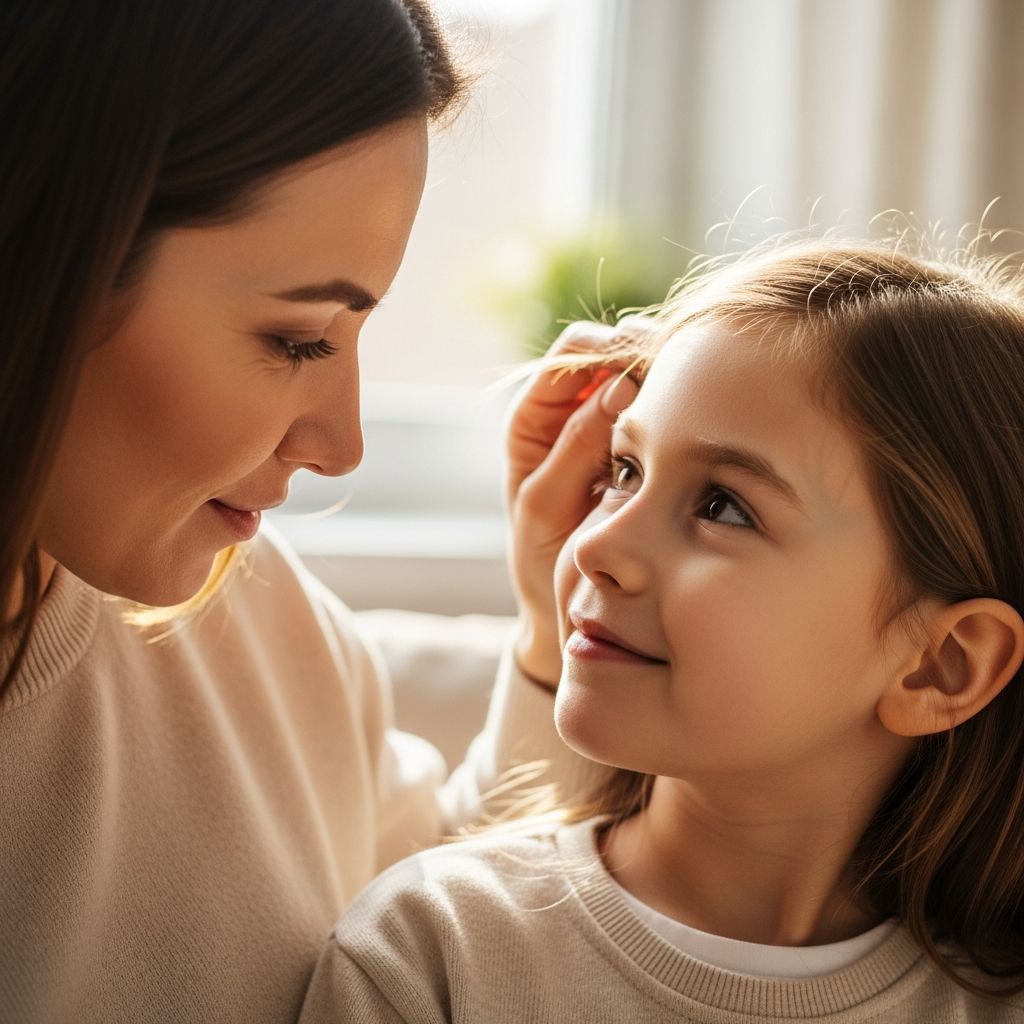
Physical affection is a universal language of love, vital for children’s neurological and emotional development. Appropriate touch releases oxytocin, reducing stress and promoting feelings of safety.
- Hugs, high-fives, or playful shoulder rubs during transitions like mornings or goodnights provide reassurance.
- Respect individual comfort levels: younger kids may crave cuddles, while older ones prefer subtler gestures like a pat on the back.
- Incorporate fun elements, such as walking foot-to-foot or butterfly kisses, to make touch joyful and age-appropriate.
Studies affirm that nurturing touch supports healthy brain development and emotional regulation, particularly in early years.
Fostering Trust with Consistency and Routines
Reliability forms the bedrock of a child’s sense of security. Predictable routines and kept promises teach that they can depend on you, reducing anxiety and building confidence.
Establish daily rituals like family dinners or bedtime stories, and follow through on commitments, no matter how small. Clear expectations paired with fair follow-through show respect for their world.
- Maintain schedules for meals, play, and sleep to create stability.
- Honor promises, such as “We’ll play after dinner,” to model integrity.
This approach mirrors authoritative parenting styles linked to better behavioral outcomes and self-discipline in children.
Practicing Empathy to Validate Feelings
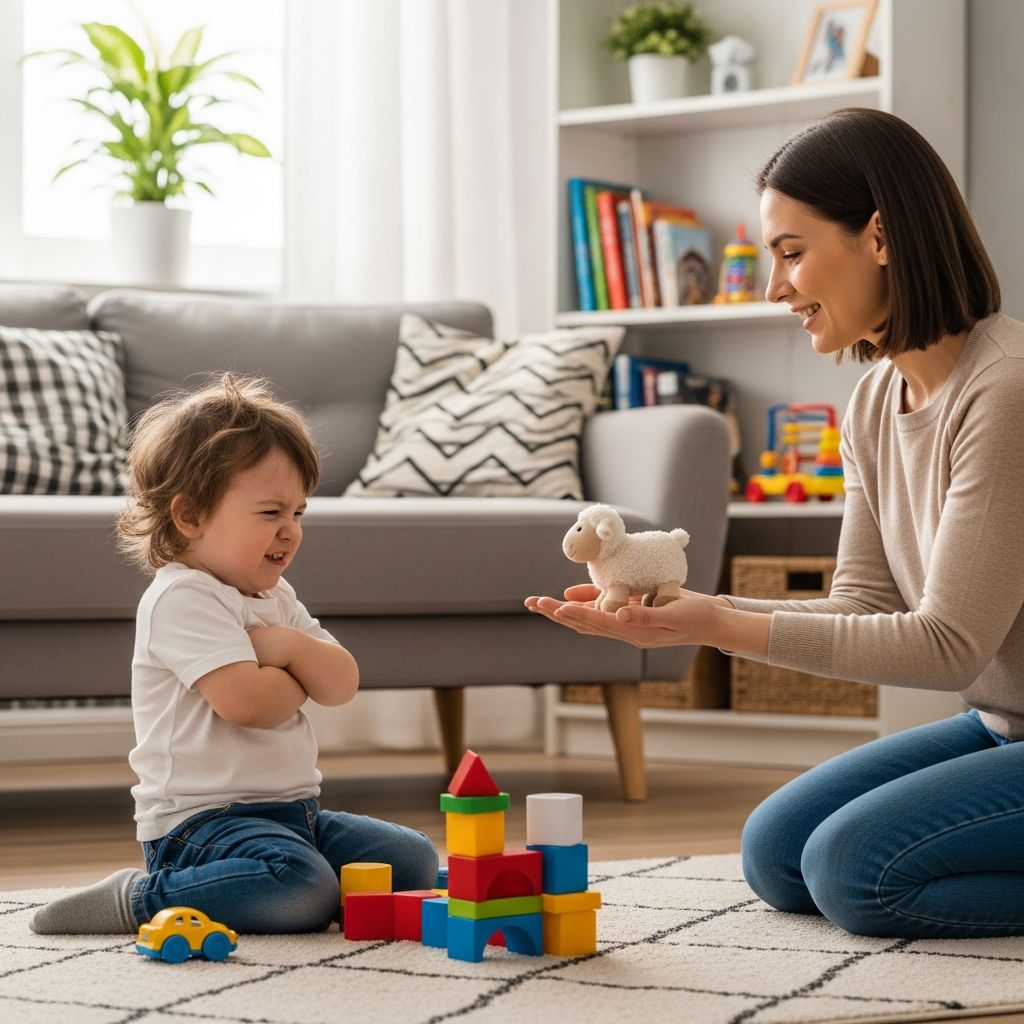
Empathy involves stepping into your child’s emotional world, acknowledging their feelings without judgment. This validation helps them process emotions healthily and feel truly understood.
Listen actively during upsets: kneel to their level, maintain eye contact, and reflect back what you hear, like “It sounds like you’re frustrated because…” Offer comfort without rushing to fix, empowering them to navigate challenges.
- Validate all emotions: “It’s okay to feel sad; I’m here with you.”
- Share age-appropriate personal stories to normalize their experiences.
Empathetic responses cultivate emotional intelligence, crucial for lifelong relationships and mental well-being.
Creative Surprises That Spark Joy
Unexpected acts of kindness add delight, making love tangible and fun. These low-effort surprises reinforce that you’re thinking of them uniquely.
- Hide treasure hunts with clues leading to small treats or notes.
- Make their bed or prepare favorite snacks as a secret helper.
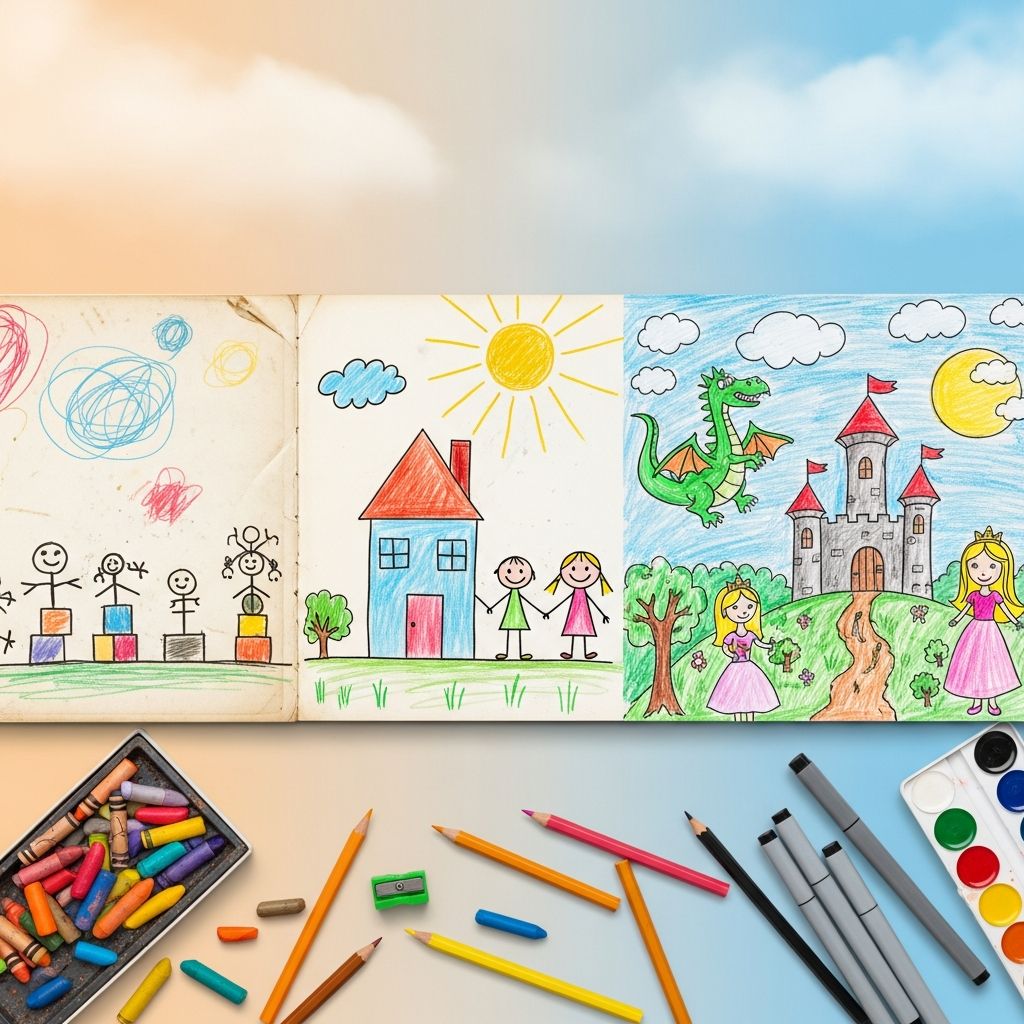
- Craft hearts or drawings with affirming messages for display.
Such gestures, especially individualized, light up children’s faces and deepen bonds through playfulness.
Active Listening for Deeper Connections
True listening goes beyond hearing words—it’s engaging fully to understand the heart behind them. This practice shows children their voice matters, encouraging open communication.
Put away devices, use nods and paraphrasing: “You’re saying the game was unfair because…?” During conflicts, stay calm and curious to unpack their perspective.
Full presence during talks, even mundane ones, builds a safe space for vulnerability, vital for teen years.
Balancing Love with Positive Discipline
Love shines in guidance too. Discipline framed lovingly—firm yet kind—teaches boundaries while affirming worth.
Use “I” statements: “I feel worried when… let’s find a better way.” Pair corrections with hugs and reminders of love to avoid shame.
This method promotes self-regulation and maintains the parent-child alliance.
Tailoring Expressions to Individual Needs
Every child is unique; observe what resonates most—words for some, touch for others—and adapt accordingly. Regular check-ins like “How do you like to feel loved?” personalize your approach.
Track preferences in a family chart to ensure fairness among siblings.
Frequently Asked Questions (FAQs)
What if my child rejects physical affection?
Respect their boundaries and offer alternatives like verbal praise or proximity. Needs evolve; patience shows love too.
How often should I say “I love you”?
Daily, in varied contexts—not just good times—to convey it’s unconditional.
Can these methods work for teens?
Yes; shift to quality talks, shared interests, and respect for independence while maintaining consistency.
What about stepchildren or foster kids?
Extra empathy and routines build trust; focus on consistency and validation of their experiences.
Do busy parents have time for this?
Integrate into routines: notes during commutes, hugs in transitions—small habits yield big results.
Long-Term Impact of Loving Gestures
Consistent expressions of love yield profound effects: children develop secure attachments, better academic performance, and healthier relationships. Parental modeling teaches them to love others similarly, perpetuating positive cycles across generations.
Incorporate these practices mindfully, adjusting as your family grows. The effort invested today shapes resilient, loved individuals tomorrow.
References
- 5 Tips to Show Love to a Child in Your Life — Pathway Community Family Center. 2023. https://www.pathwaycfc.org/blog/5-tips-to-show-love-to-a-child-in-your-life/
- 6 Practical Ways To Show Love to Kids — Connected Families. 2023. https://connectedfamilies.org/loving-discipline-kids/
- 10 Creative Ways to Show Love to Your Kids — FaithGateway. 2023. https://faithgateway.com/blogs/christian-books/10-creative-ways-show-love-kids
- Four Powerful Ways Parents Can Express Love to Their Kids — The Lincoln Center. 2023. https://thelincolncenter.com/four-powerful-ways-parents-can-express-love-to-their-kids/
- 30 Fresh Ways to Tell Your Kids You Love Them — Parent.com. 2024. https://www.parent.com/blogs/conversations/2024-30-fresh-ways-to-tell-your-kids-you-love-them