Understanding the Annual Wellness Visit for School-Age Children
As children progress through their elementary school years, maintaining regular health assessments becomes increasingly important for monitoring their physical development, emotional well-being, and social growth. At age 8, children are at a pivotal stage where they are becoming more independent, developing stronger peer relationships, and experiencing significant cognitive and emotional changes. The annual wellness visit serves as an essential opportunity for pediatricians to evaluate your child’s overall health status and identify any potential concerns that may require intervention or additional support.
This comprehensive health assessment goes far beyond a simple physical examination. It encompasses multiple dimensions of your child’s development, including physical growth, emotional health, academic progress, and behavioral patterns. By taking a holistic approach to your child’s health, pediatricians can work collaboratively with families to ensure that children are developing appropriately and have access to the resources they need to thrive.
Complete Physical Assessment and Vital Measurements
During the wellness visit, your pediatrician will conduct a thorough head-to-toe physical examination to assess your child’s overall health status. This examination begins with measuring your child’s height and weight, which are fundamental indicators of healthy growth and development. These measurements are plotted on standardized growth charts to ensure your child is growing at an appropriate rate for their age and gender.
In addition to basic measurements, your pediatrician will calculate your child’s Body Mass Index (BMI), which provides insight into whether your child’s weight is proportionate to their height. The pediatrician will review blood pressure readings, as monitoring blood pressure in school-age children helps identify potential hypertension issues early. A comprehensive physical examination also includes assessment of major body systems, including the heart, lungs, abdomen, and musculoskeletal system, to ensure everything is functioning properly.
Vision and hearing screenings are important components of the physical assessment. These sensory evaluations help identify any issues that might affect your child’s ability to learn effectively in the classroom. If concerns are identified during these screenings, your pediatrician may recommend follow-up evaluations with specialists.
Immunization Review and Vaccine Administration
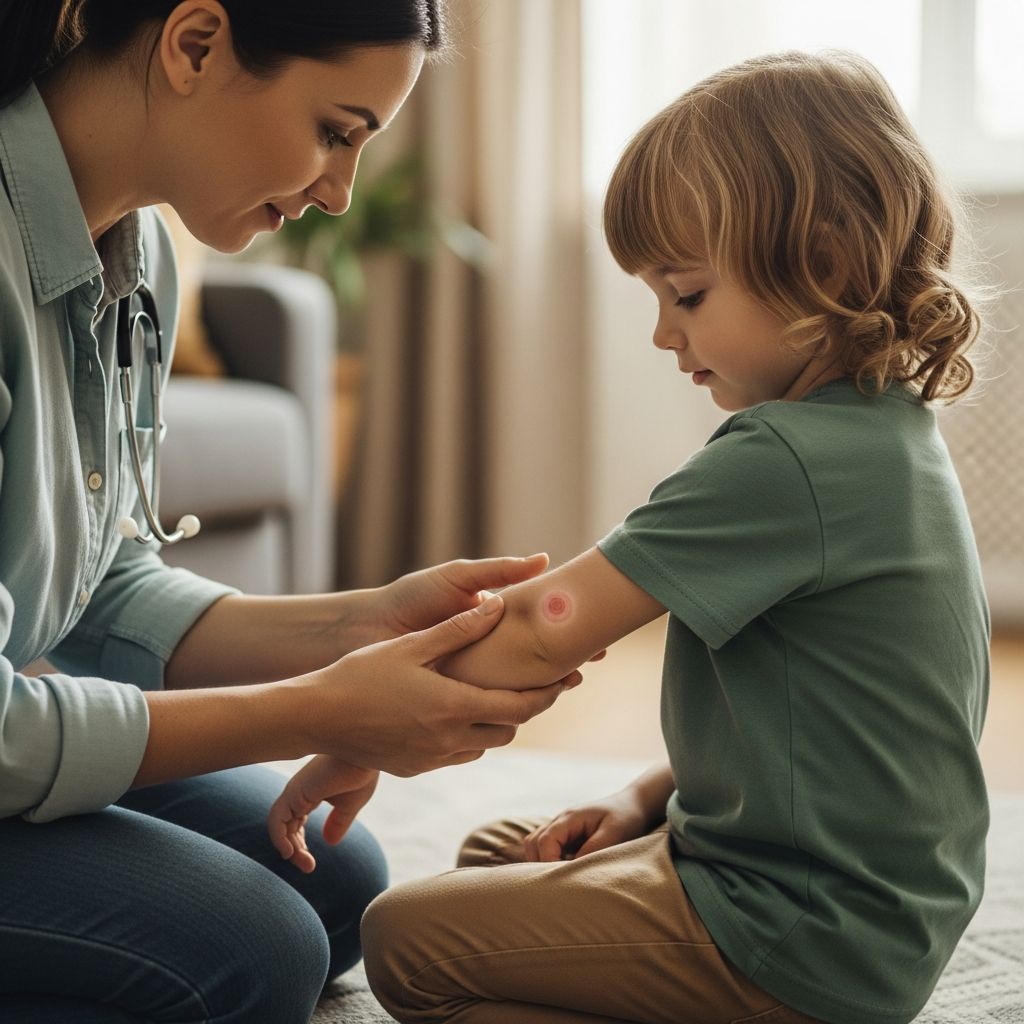
By age 8, children should have received most of their primary vaccine series, but booster doses are necessary to maintain immunity against serious diseases. Your pediatrician will review your child’s immunization record to identify any missing vaccinations and discuss which boosters are due at this wellness visit.
Common vaccines administered or reviewed at this age include:
- DTaP/Tdap booster: Protection against diphtheria, tetanus, and pertussis (whooping cough)
- Influenza vaccine: Annual flu vaccination, with children this age potentially receiving one or two doses depending on their vaccination history
- COVID-19 vaccine: Following current guidelines and booster recommendations
- Varicella vaccine: If not previously administered
- Other required vaccines: Based on your child’s individual health history and exposure risks
Your pediatrician will discuss the latest vaccine guidelines and explain the importance of maintaining current immunizations, particularly as your child spends significant time in school settings where disease transmission is more likely. Many schools require proof of vaccination for enrollment, so ensure your pediatrician provides updated vaccination records that can be submitted to your school.
Screening for Health Risks and Potential Exposures
Beyond routine physical measurements and vaccinations, pediatricians perform targeted health screenings to identify children who may have specific health risks or exposures that require intervention. These screenings may include assessment for anemia, which is important for identifying nutritional deficiencies that could affect energy levels and academic performance.
Lead exposure screening is particularly important for children living in older homes or areas with known environmental contamination risks. Elevated lead levels can significantly impact cognitive development and behavior, making early identification critical. Your pediatrician may ask questions about your home environment or recommend blood testing if risk factors are present.
Additional screening assessments may evaluate your child’s risk for tuberculosis and Hepatitis B virus infection, depending on individual risk factors and community guidelines. Your pediatrician will also discuss fluoride supplementation based on your local water supply and your child’s specific dental needs.
Mental Health and Behavioral Evaluation
A significant component of the 8-year-old wellness visit involves assessing your child’s emotional and behavioral health. New screening recommendations encourage pediatricians to specifically assess anxiety in children beginning at age 8, as anxiety is among the most common behavioral health disorders affecting school-age children. Early identification and intervention can prevent anxiety from escalating and impacting your child’s social relationships, academic performance, and overall quality of life.
Your pediatrician will conduct a behavioral and social-emotional screening that explores multiple aspects of your child’s emotional world:
- Your child’s relationship with peers and friendship quality
- Participation in extracurricular activities and hobbies
- Feelings about school and the school environment
- Sense of safety at home and in the neighborhood
- Any concerns or worries your child has expressed
- Areas where your child feels confident and competent
- Household responsibilities and age-appropriate tasks
These conversations help your pediatrician understand your child’s emotional landscape and identify any signs of depression, anxiety, behavioral difficulties, or social challenges. If concerns emerge during these discussions, your pediatrician can recommend appropriate referrals to mental health professionals or school-based support services.
Evaluating Academic Progress and Learning Concerns
During the wellness visit, your pediatrician will focus on your child’s academic development and performance in school. This discussion provides an opportunity to address any concerns about learning difficulties or academic struggles. Your pediatrician may ask about:
- Your child’s engagement with schoolwork and learning activities
- Recent academic progress and current grades or evaluations
- Types of projects and assignments your child is working on
- Your child’s reading habits and comprehension skills
- Any feedback from teachers regarding behavior or academic performance
If you have concerns about your child’s academic performance, this is an ideal time to discuss them with your pediatrician. If learning difficulties are suspected, your pediatrician may recommend screening for attention-deficit/hyperactivity disorder (ADHD) or evaluation by an educational specialist to identify any underlying learning differences that might require additional classroom support or accommodations.
Puberty and Development Conversations
At age 8, it is developmentally appropriate for pediatricians to begin discussions about puberty and the physical and emotional changes your child can expect in the coming years. Some children, particularly girls, may have already begun pubertal development, which is normal within this age range. Initiating these conversations early helps demystify puberty and allows your child to feel more comfortable discussing bodily changes and concerns.
Your pediatrician may discuss:
- Normal physical changes associated with puberty
- Emotional and behavioral changes that accompany hormonal shifts
- The importance of personal hygiene during puberty
- Age-appropriate responses to questions about sexuality and reproduction
- Resources and support for navigating puberty
These conversations help normalize the pubertal process and give families the opportunity to establish open communication about body changes and health concerns. Your pediatrician can also discuss what health education your child’s school is providing and coordinate messaging to ensure consistency between home and school.
Physical Activity and Nutrition Assessment
The pediatrician will also evaluate your child’s physical activity levels and dietary habits. It is recommended that children this age engage in at least 60 minutes of moderate to vigorous physical activity on most days of the week to support healthy growth, cardiovascular health, and mental well-being.
Your pediatrician may ask about:
- Types of physical activities and sports your child enjoys
- Time spent in sedentary activities such as screen time
- Dietary preferences and eating patterns
- Any concerns about nutrition or weight management
- Family patterns around meals and food preparation
Discussion of physical activity and nutrition provides an opportunity to promote healthy lifestyle habits that will benefit your child throughout their life and reduce the risk of obesity and related health conditions.
Safety Assessment and Injury Prevention
Parents and children should expect to discuss important safety topics during the wellness visit. Pediatricians will emphasize the importance of establishing boundaries and safety rules as children become more independent. Key safety discussions include:
- Traffic and pedestrian safety: Rules for crossing streets, riding bikes safely, and understanding traffic signals
- Water safety: Swimming skills, supervision requirements, and drowning prevention
- Motor vehicle safety: Proper booster seat use until age and size requirements are met, and consistent seatbelt use
- Home safety: Emergency procedures, knowing how to contact help, and fire safety
- Internet safety: Guidelines for screen time, social media use, and online communication with others
- Stranger awareness: Age-appropriate education about personal safety without creating unnecessary fear
These safety conversations help establish healthy habits that protect children from preventable injuries and teach them to recognize and respond appropriately to potentially dangerous situations.
Exploring Values and Belief Development
Children at age 8 are developing their own values and beginning to question different beliefs and perspectives they encounter in their expanding social world. Your pediatrician may ask about your child’s ability to understand and respect differences in beliefs, values, and cultural backgrounds. These conversations support your child’s emotional development and social competence, helping them navigate an increasingly diverse world with empathy and understanding.
Preparing for Your Child’s Wellness Visit
To make the most of your wellness visit, consider preparing a list of questions or concerns you would like to discuss with your pediatrician. Bring your child’s immunization record and any relevant medical history. If your child has been struggling in any area—academically, socially, emotionally, or physically—mention this to your pediatrician so they can provide guidance or referrals as needed.
It is also helpful to involve your child in the visit process by explaining what to expect and encouraging them to ask questions or express any health concerns they may have. This helps establish open communication about health and empowers your child to be an active participant in their own health care.
References
- Your Checkup Checklist: 8 Years Old — American Academy of Pediatrics (HealthyChildren.org). 2025. https://www.healthychildren.org/English/ages-stages/Your-Childs-Checkups/Pages/your-checkup-checklist-8-years-old.aspx
- The Essential Children’s Health Checklist — NewYork-Presbyterian Health Matters. 2025. https://healthmatters.nyp.org/the-essential-childrens-health-checklist/
- Health Screening Guidelines, Ages 2 to 18 — Nationwide Children’s Hospital. 2025. https://www.nationwidechildrens.org/family-resources-education/family-resources-library/health-screening-guidelines-ages-2-to-18
- What to Expect during your Child’s Wellness Checkups — Horizon NJ Health. 2025. https://www.horizonnjhealth.com/membersupport/programs/health-and-wellness-program-for-children/what-to-expect-during-your-childs
- Children’s Preventive Health Guidelines — Blue Shield of California. 2025. https://www.blueshieldca.com/en/home/be-well/live-healthy/childrens-preventive-health