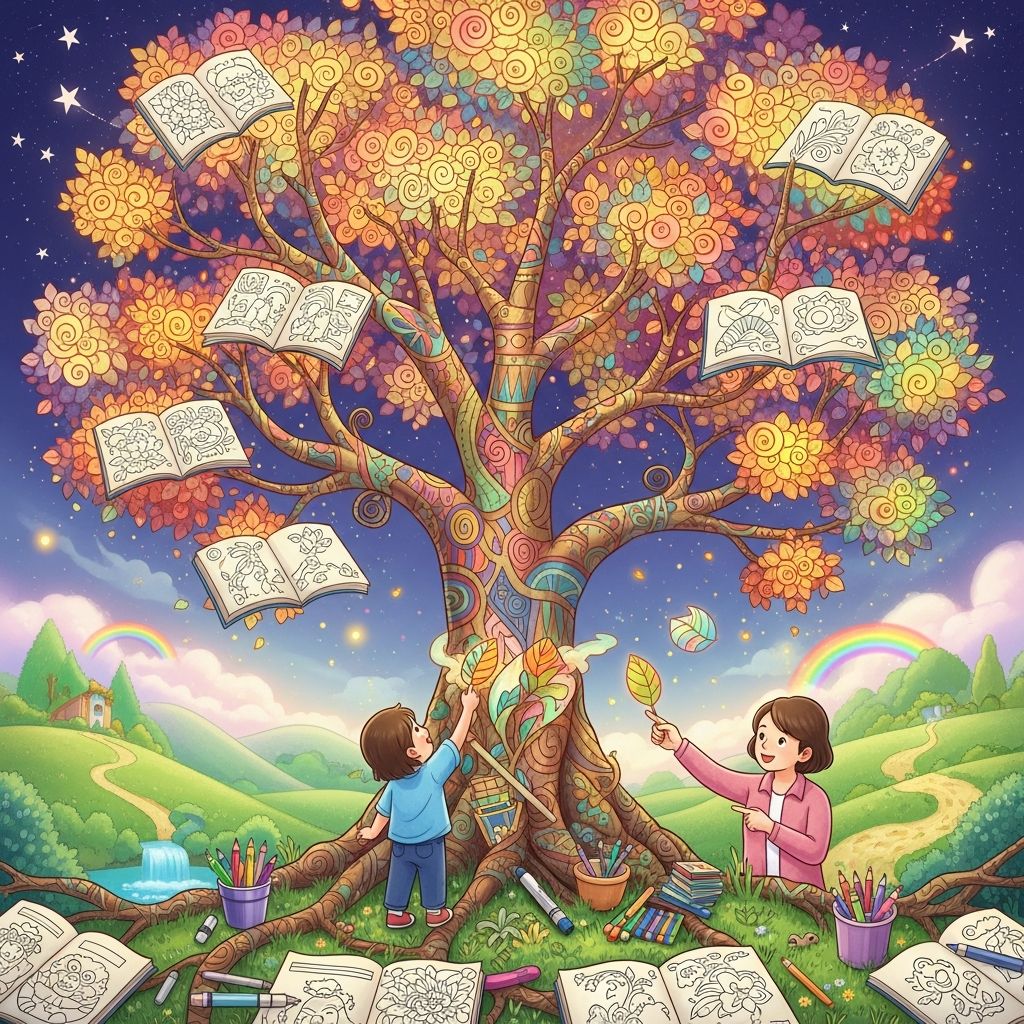
Tree coloring pages are more than quick print-and-go activities; they are simple tools that can nurture creativity, focus, and environmental awareness in children. With a little guidance, these pages turn into gateways for storytelling, science conversations, and quiet, calming moments.
Why Trees Make Perfect Coloring Themes
Trees offer an ideal subject for children’s coloring because they combine familiar shapes with endless variety in leaves, branches, seasons, and habitats. A single tree outline can become a spring blossom, a fall forest, a spooky Halloween silhouette, or a glowing winter scene, all depending on a child’s imagination.
Drawing and coloring trees also invite kids to look more closely at the natural world. Children start noticing details like leaf shapes, bark textures, and branching patterns, which encourages curiosity about forests, parks, and the role trees play in everyday life.
Key Benefits of Tree Coloring for Kids
When children sit down with tree coloring pages, they are doing much more than simply filling in shapes. They practice important skills that support their growth in school and beyond.
- Fine motor development: Holding crayons, markers, or pencils and staying inside the lines helps strengthen small muscles in the hands and improves hand–eye coordination.
- Focus and patience: Completing branches, leaves, and small details trains children to concentrate for longer periods and finish a task they started.
- Color awareness: Kids learn to recognize and combine shades of green, brown, red, yellow, and even unexpected colors as they experiment with their own ideas.
- Emotional regulation: Repetitive coloring movements can be calming, making tree pages useful for quiet time, stress relief, or transitions between more active activities.
- Environmental appreciation: Coloring trees naturally leads to conversations about forests, animals, seasons, and why protecting nature matters.
Choosing the Right Tree Coloring Pages by Age
Not every tree page suits every child. Matching the level of detail to a child’s age and abilities helps keep the activity fun instead of frustrating. Consider the following guide when selecting or designing pages.
| Age range | Recommended page style | Skills to emphasize |
|---|---|---|
| Toddlers (1–3) | Very simple, bold tree silhouettes with large leaves and wide trunks. | Grip practice, basic color recognition, free scribbling inside big shapes. |
| Preschoolers (3–5) | Medium-size trees with separate canopy, trunk, and a few oversized leaves or fruits. | Staying in large sections, naming colors, simple discussions about seasons. |
| Early elementary (6–8) | More detailed branches, clusters of leaves, perhaps animals or a small background scene. | Attention to detail, layering colors, basic nature facts and simple labeling. |
| Older kids (9+) | Intricate trees with bark texture, overlapping leaves, or stylized fantasy designs. | Shading, color blending, storytelling, and more advanced science connections. |
Creative Ways to Use Tree Coloring Pages
Tree pages become much more engaging when they are part of a bigger creative idea rather than a one-time worksheet. By introducing simple prompts, adults can transform a basic outline into an imaginative art or learning project.
- Tell-a-story trees: Ask children to add a swing, a treehouse, or an animal family, then tell a short story about what happens under that tree.
- Emotion trees: Invite kids to choose colors that match their mood and color the leaves accordingly, then talk briefly about how they feel.
- Pattern branches: Encourage older children to fill the canopy with patterns such as stripes, dots, or spirals instead of solid colors.
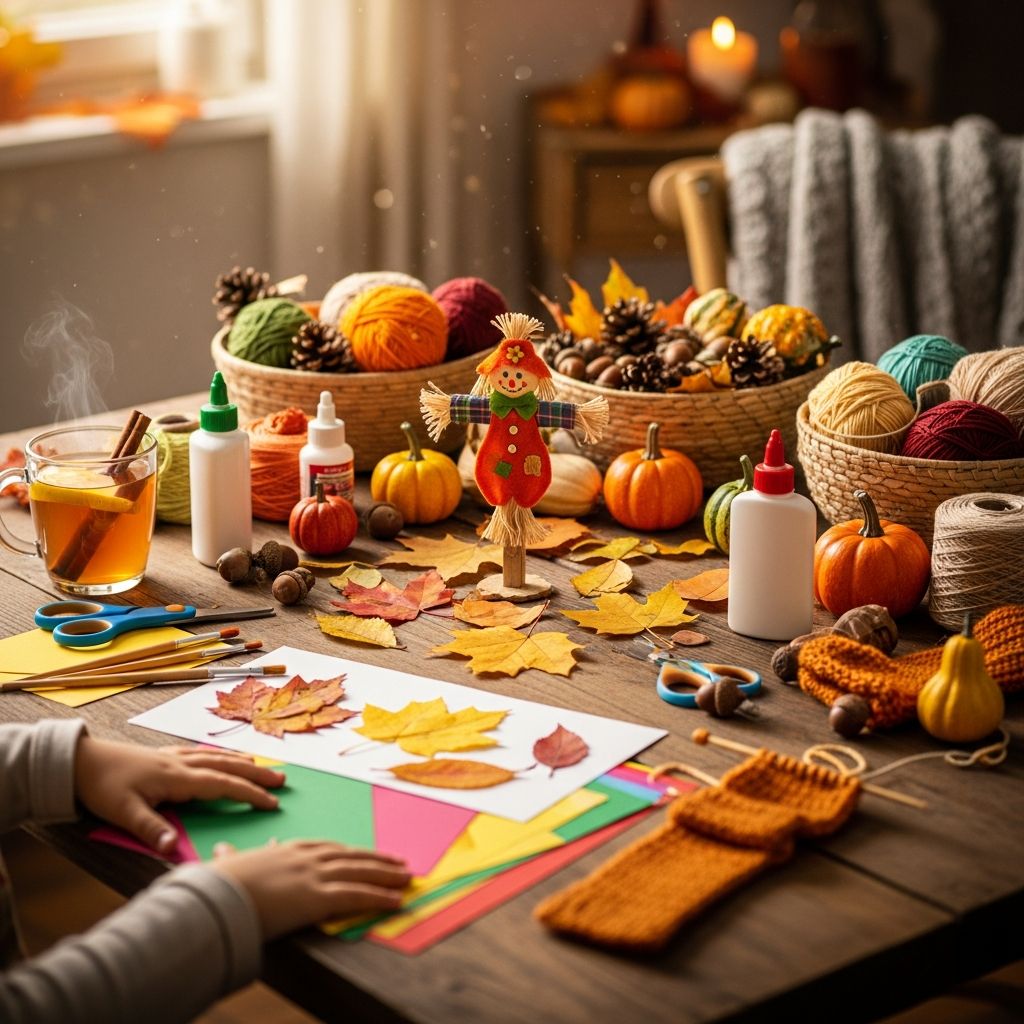
- Mixed–media trees: Combine coloring with gluing tissue paper leaves, fabric scraps, or bits of recycled paper to create a textured artwork.
Teaching Seasons Through Tree Art
Trees change dramatically from season to season, which makes them perfect for simple science conversations. Seasonal tree coloring activities work well at home, in preschool, or in early elementary classrooms.
- Spring: Use soft greens, pinks, and whites to show new leaves and blossoms. Children can draw tiny buds or birds returning to the branches.
- Summer: Encourage full, deep green canopies and bright skies. Kids can add fruit, picnics, or swings to represent summertime fun.
- Autumn: Explore warm reds, oranges, and yellows. Invite kids to draw some leaves falling or piling on the ground beneath the tree.
- Winter: Focus on bare branches, snow-covered ground, or strings of holiday lights. Children can experiment with gray, blue, and white tones.
Connecting Tree Coloring to Learning Goals
Tree coloring pages easily support early literacy, science, and even basic math skills when paired with simple discussion prompts or short follow-up tasks. These connections do not need to be formal; a few thoughtful questions can be enough.
- Language and vocabulary: Talk about trunk, roots, branches, bark, canopy, and leaves. Encourage children to describe textures and colors in their own words.
- Early science: Ask where trees grow, which animals might live in them, and why trees are important for clean air and shade.
- Math practice: Count leaves, fruits, or birds, or compare tree sizes on different pages using words like taller, shorter, more, and fewer.
Ideas for Classroom and Group Use
In a classroom or group setting, tree coloring pages can become the starting point for displays, collaborative projects, and themed units. This makes them a flexible resource for teachers, homeschoolers, and activity leaders.
- Class forest mural: Each child colors a different tree page, and all pages are displayed together on a bulletin board to form a paper forest.
- Tree type gallery: Assign each table or group a different style of tree, such as fruit tree, pine tree, or flowering tree, then compare and discuss the finished work.
- Writing and art combination: After coloring, students write a short poem or few sentences describing the tree and its surroundings.
- Holiday or event themes: Use tree pages for celebrations like Earth Day or Arbor-focused events by adding messages about caring for the planet.
Setting Up a Calm Coloring Corner
Because tree coloring can help children relax, creating a small, dedicated area for this activity can be especially helpful in busy homes or classrooms. It gives kids a place to retreat during overwhelming moments or transitions.
- Keep a basket of various tree pages at different difficulty levels.
- Offer crayons, colored pencils, and a few markers so kids can choose their favorite tools.
- Provide a comfortable surface, such as a low table, a lap desk, or a firm clipboard with cushions nearby.
- Set basic expectations that the coloring corner is a quiet zone for calm, independent time.
Safety and Accessibility Tips
With a few simple steps, tree coloring activities can be made safer and more inclusive for all children. Young kids and those with different needs may require adapted tools or extra supervision.
- Choose non-toxic, washable coloring supplies, especially for toddlers who may put tools in their mouths.
- Offer thicker crayons or grip aids for children who have trouble holding standard pencils.
- Consider high-contrast outlines and larger shapes for kids with visual or motor challenges.
- Remain present with very young children to guide safe use of scissors, glue, or small craft items if included.
Frequently Asked Questions About Tree Coloring Pages
How often should kids do coloring activities? There is no strict rule, but short, regular sessions work well. Many families and teachers find that 10 to 20 minutes a few times a week provides enough practice without making coloring feel like a chore. What supplies work best for tree pages? Crayons are great for younger children because they are sturdy and easy to hold. Older children often enjoy colored pencils for finer details, while markers can be used for bold lines and bright sections. Can tree coloring pages help reluctant artists? Yes. Some children feel less pressure when they start with a printed outline instead of a blank page. Trees are flexible subjects, so kids can keep designs simple or build up complex scenes at their own pace. Should kids always use realistic colors? Realistic colors are helpful when the goal is to learn about seasons or specific tree types. At other times, allowing purple trunks or blue leaves encourages imagination and keeps art enjoyable. How can finished pages be reused? Completed tree pages can be turned into greeting cards, bookmarks, classroom decorations, or a mini art book. Reusing the artwork shows children that their creative efforts are valued.
Growing a Lifelong Love of Nature Through Art
Tree coloring pages may seem small, but they offer steady opportunities to practice skills, explore feelings, and build a lasting connection to the environment. When adults frame these pages as more than quick busywork, children begin to see trees not just as shapes to color, but as living, important parts of their world.
By providing thoughtful prompts, age-appropriate designs, and a calm, encouraging atmosphere, parents and educators can turn each colored branch and leaf into a step toward creativity, confidence, and care for the planet.