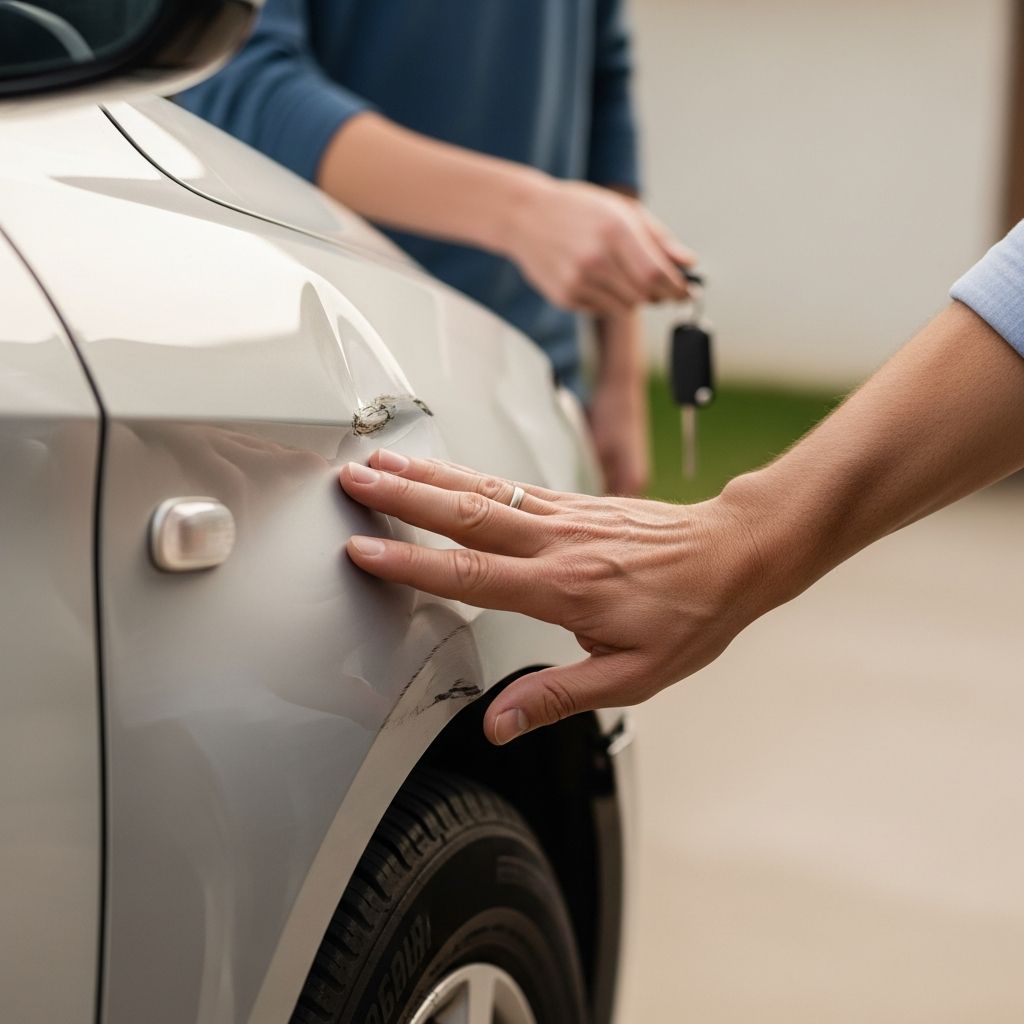
Your teen’s first minor car crash can make everyone’s heart race. Even if the damage is small, it feels huge when it is your new driver behind the wheel. This guide walks you through what to do before, during, and after that first fender bender so you can protect your teen’s safety, support their emotions, and handle the practical details calmly.
Why Minor Crashes Are So Common for New Drivers
Teen drivers face a much higher crash risk than adults, largely because they are still building experience and judgment behind the wheel. According to data summarized by the Insurance Institute for Highway Safety, the fatal crash rate per mile driven for 16–19-year-olds is nearly three times higher than for drivers aged 20 and over. That elevated risk also shows up in non-fatal, low-speed collisions like fender benders.
Common reasons minor crashes happen with teens include:
- Inexperience with judging distance, speed, and gaps in traffic
- Distraction from phones, music, or friends in the car
- Low confidence that leads to over-braking or hesitating
- Overconfidence that leads to tailgating or rolling through stops
- Night driving or poor weather, which magnify small errors
Understanding that risk is higher for almost all new drivers can help you approach your teen with perspective instead of panic.
The First Call From Your Teen: How to Respond
When your teen calls you after a crash, what you say in the first minute can shape how they remember this event for years. They are likely scared, embarrassed, or overwhelmed. Your job is to be the steady voice they lean on.
Key Questions to Ask Immediately
- “Is anyone hurt?” If there is any hint of injury, your teen should call emergency services right away. In many states, any crash involving injury must be reported to police or 911.
- “Are you in a safe place?” If the car is drivable and it is safe to do so, they may need to move to the shoulder or a nearby parking lot to avoid further collisions.
- “Where exactly are you?” Get cross streets, landmarks, or a pin location so you can find them quickly.
What to Say (and What to Avoid)
Helpful phrases:
- “I’m glad you called me. We’ll handle this together.”
- “Take a deep breath. I’m going to walk you through what to do next.”
- “We’ll figure out fault and money later. Right now we focus on safety.”
Things to avoid in the moment:
- Yelling or blaming (“What were you thinking?”)
- Interrogating them while they are still at the scene
- Pressuring them to apologize or admit fault to the other driver
Keeping your cool helps your teen stay calm, which is important for making safe decisions and providing accurate information.
Step-by-Step: What Your Teen Should Do at the Scene
Even for adults, the aftermath of a crash can be disorienting. Many legal and safety experts outline a similar set of steps for any driver after a collision: stop, ensure safety, call for help if needed, exchange information, and document the scene. Teach your teen this sequence before they ever need it.
1. Ensure Safety First
- Turn on hazard lights.
- If the vehicles are operable and it is safe, move them out of traffic.
- Stay inside the vehicle with seat belts fastened if stepping out would put them in danger (for example, on a busy highway).
2. Call 911 or Local Police if Required
In many jurisdictions, any crash involving injury, death, or significant property damage must be reported to police, and failing to do so can lead to penalties. When in doubt, it is safer to call and let dispatch advise on whether an officer needs to respond.
3. Exchange Information Without Admitting Fault
Experts recommend that after a teen driver accident, they exchange basic information but avoid statements that could later be interpreted as accepting legal blame.
Have your teen gather:
- Names and contact details of other drivers and any witnesses
- License plate numbers
- Insurance company names and policy numbers
- Vehicle makes, models, and colors
They should stick to facts, not opinions: where each car was, what signal they had, and visible damage.
4. Document the Scene
- Take clear photos of all vehicles, close-up and wide shots
- Capture street signs, traffic lights, skid marks, and weather conditions
- Write down the time, location, and a brief description of what happened while it is fresh
These details can be very important later for insurance and, in some cases, for determining liability.
When Parents Arrive: Your Role at the Scene
Once you get to the crash site, emotions may run high for everyone involved. Your primary role is to protect your teen’s well-being and help keep the interaction civil and organized.
Staying Grounded in a Stressful Moment
- Check again for injuries, and encourage your teen to accept medical evaluation if they feel any pain or dizziness. Some injuries, such as whiplash or mild concussions, may not be obvious right away.
- Speak respectfully to other drivers and officers; model the behavior you want your teen to learn.
- Avoid arguing about fault at the scene. That is what reports, evidence, and insurance adjusters are for.
Supporting Your Teen in Front of Others
Your teen is likely feeling exposed and ashamed. Try to:
- Stand beside them when speaking with police or other adults, but allow them to answer factual questions.
- Reassure them quietly that you are not abandoning them, even if you are frustrated.
- Save lectures for later, in private, when everyone is calmer.
Medical and Emotional Aftermath for Teens
Even a low-speed fender bender can have health and emotional consequences. Teens may minimize symptoms because they are eager to prove they are fine or afraid of losing driving privileges.
Physical Health: Do Not Skip the Checkup
Medical professionals note that some car accident injuries, including soft-tissue damage and mild traumatic brain injuries, can show up hours or days after a crash. Encourage your teen to:
- See a doctor promptly if they have headaches, neck pain, dizziness, nausea, or new difficulty concentrating
- Report any new or worsening symptoms in the days following the accident
- Follow medical advice about rest, activity limits, and follow-up care
Emotional Recovery: Anxiety, Guilt, and Confidence
Research and clinical experience show that teens may experience anxiety, depression, or post-traumatic stress symptoms after a crash. Common reactions include:
- Reluctance or fear about driving or even riding in a car
- Intrusive memories of the moment of impact
- Trouble sleeping or nightmares about driving
- Intense guilt, especially if they believe they caused the crash
Ways you can help:
- Normalize their reactions (“Feeling shaken up is very common after something scary.”)
- Encourage gradual exposure back to driving in calm, low-stress conditions
- Watch for persistent symptoms (longer than a few weeks) and consider counseling if they interfere with daily life
Insurance, Money, and Legal Concerns
Even a small crash can raise big questions about cost and consequences. Handling these issues transparently but calmly teaches your teen about responsibility without overwhelming them.
Insurance Basics for a Teen’s First Fender Bender
Most teen drivers are covered under a parent’s auto insurance policy. After the crash, you will generally need to:
- Notify your insurer about the accident, even if another driver appears at fault
- Provide the police report number and any documentation or photos you gathered
- Work with an adjuster to assess damage and discuss repair or total loss options
Depending on your policy and who is found responsible, you may face an increased premium. Many parents already see higher insurance costs when they first add a teen driver, and at-fault crashes can lead to further increases.
Legal and Liability Considerations
Key points parents should be aware of include:
- Civil liability: Families may be held financially responsible if their teen causes a crash, including damage to vehicles and injuries to others.
- Graduated licensing rules: If your teen was violating restrictions (such as driving past curfew or carrying too many passengers), they may face fines, points, or license suspension.
- Documentation: Thorough documentation at the scene can be crucial in disputes about fault or damages.
In more serious collisions, or if there is disagreement about who is at fault, some families consult an attorney experienced in car accidents involving teens to understand their rights and obligations.
Turning a Scare Into a Learning Experience
Once the dust settles and repairs are underway, a first fender bender can become a powerful teaching moment. The goal is to improve future driving, not just to punish past mistakes.
Debriefing the Accident With Your Teen
Pick a calm time when no one is rushing out the door. Ask open questions:
- “Walk me through what you remember happening just before the crash.”
- “Where do you think things started to go wrong?”
- “What could you do differently next time in a similar situation?”
Focus on specific driving decisions instead of character judgments. You are trying to strengthen their skills and judgment, not convince them they are a “bad driver.”
Revising Family Driving Rules
Many safety and legal experts recommend family driving agreements that set clear expectations for teen drivers, such as keeping phones out of reach, limiting passengers, and avoiding late-night drives. After a crash, revisit your rules:
- Do curfews or driving hours need adjustment?
- Should there be a temporary limit on highway or night driving?
- Are there technology tools (like apps that restrict phone use) you want to add?
Practice Sessions After the Crash
When your teen is medically and emotionally ready to drive again, schedule new supervised practice drives:
- Start in low-traffic, familiar areas.
- Rehearse the type of situation that led to the crash (for example, parking lots, merging, or left turns) in a controlled way.
- Offer specific, calm feedback and praise noticeable improvements.
Comparing Teen and Adult Responses to Fender Benders
Teens experience crashes differently than adults because they are still forming their identity as drivers and as independent people. This table highlights some key contrasts and how you, as a parent, can respond.
| Aspect | Typical Teen Response | Typical Adult Response | Parental Focus |
|---|---|---|---|
| Emotions | Intense shame, fear of losing independence | Frustration, annoyance, logistical focus | Normalize feelings, protect self-esteem |
| Decision-making | May freeze, forget steps, or over-apologize | More likely to follow routine procedures | Provide simple, stepwise guidance |
| Learning | Can either grow or become chronically anxious | Often adapts habits with less emotional weight | Help turn event into a constructive lesson |
| Responsibility | Struggles to balance accountability with shame | Understands insurance, costs, and repairs | Teach financial and legal realities gradually |
Frequently Asked Questions (FAQs)
Should my teen always call the police after a minor crash?
Laws vary by state, but crashes involving injury, a hit-and-run, or significant property damage typically must be reported to police. When in doubt, it is usually safer to call the non-emergency number or 911 and let them decide whether an officer needs to respond.
Do I have to tell my insurance company about a small fender bender?
Many insurance policies require that you report any accident, even if you do not plan to file a claim. Failing to notify your insurer could create problems if injuries or damages are discovered later, or if the other driver decides to pursue a claim.
Will my teen’s first at-fault accident raise our premiums?
Teen drivers are already associated with higher premiums because they have greater crash risk. An at-fault accident can lead to surcharges or loss of discounts, though the exact impact depends on your insurer, your teen’s record, and state regulations.
How long should I restrict my teen’s driving after a fender bender?
There is no single rule. Consider the severity of the crash, whether your teen broke major safety rules (like texting while driving), their emotional state, and any license restrictions in your state. Many parents temporarily limit night driving, passenger numbers, or highway trips while rebuilding trust and skills.
When is it time to seek professional help for my teen’s anxiety about driving?
If your teen avoids riding or driving entirely for weeks, has persistent nightmares, panic attacks, or significant changes in mood or school performance after the accident, consider consulting a mental health professional experienced with trauma or adolescent anxiety.
References
- What Happens to Teenagers After a Car Accident? — The Flood Law Firm. 2023-05-10. https://www.thefloodlawfirm.com/blog/what-happens-to-teenagers-after-car-accident/
- Teen Driving Accidents: Risks, Prevention, and Legal Implications — Slocumb Law Firm. 2023-08-14. https://www.slocumblaw.com/blog/teen-driving-accidents-risks-prevention/
- Teen Driver Car Accidents & Legal Concerns — Justia. 2022-11-02. https://car-accidents.justia.com/types-of-car-accidents/teen-driver-car-accidents/
- Teens and Car Accidents: What Parents Need to Know While Seeking Compensation — Sam & Ash Injury Law. 2023-03-21. https://samandashlaw.com/resources/teens-and-car-accidents-what-parents-need-to-know-while-seeking-compensation/
- What to Do When Your Teen Is in Their First Car Accident — Drazin & Warshaw. 2022-09-15. https://www.drazinandwarshaw.com/blog/what-to-do-when-your-teen-is-in-their-first-car-accident/