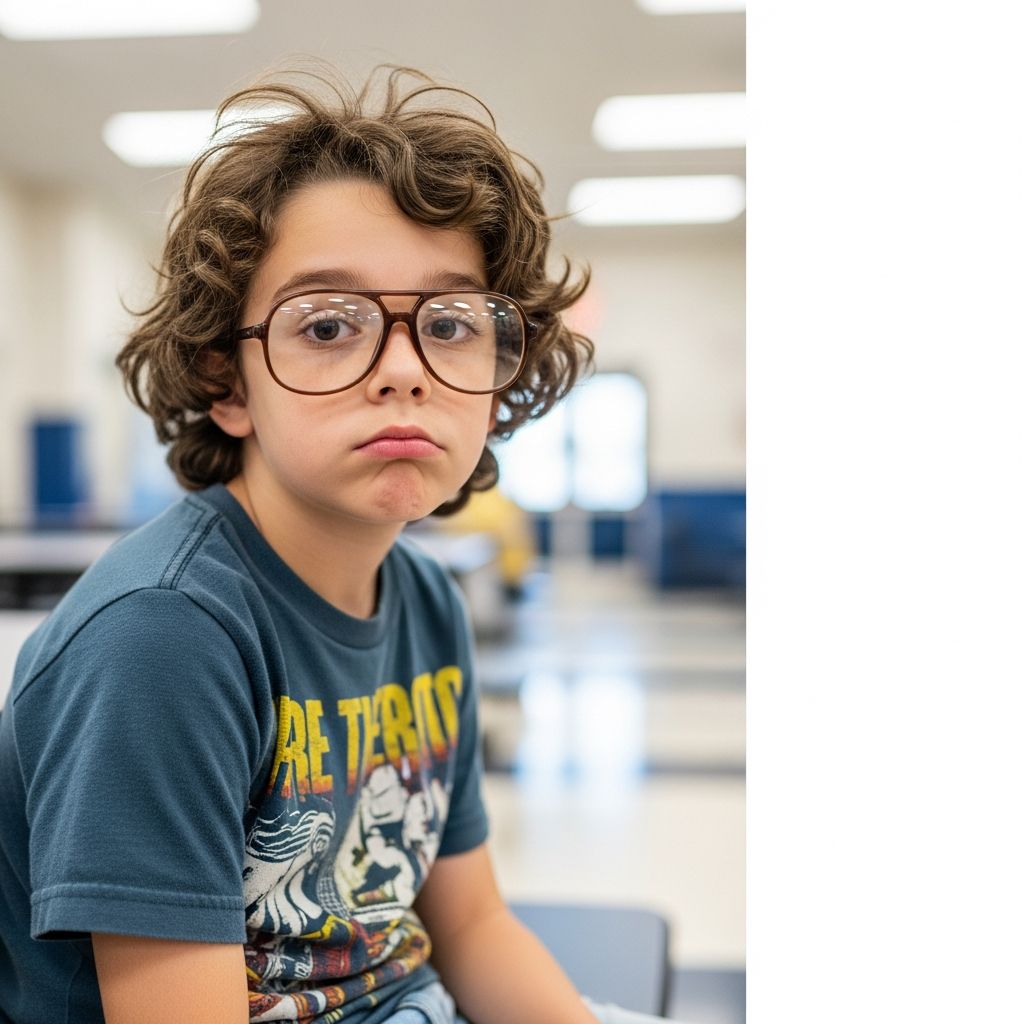
Every few months, a short clip of a child who looks uncannily like Napoleon Dynamite or another beloved movie character explodes across social media, racking up millions of views and sparking a wave of nostalgic comments from parents and fans alike.
Napoleon Dynamite: From Cult Classic To Viral Template
Released in the mid-2000s, Napoleon Dynamite became a cult classic largely because of its offbeat humor, awkward yet lovable main character, and quotable one-liners that stuck with a generation of teens and young adults.
For many parents now in their 30s and 40s, the film is tightly linked to memories of high school, college, and early adulthood, so seeing a child who resembles the title character instantly triggers a powerful wave of nostalgia.
- Iconic visuals like the curly hair, glasses, and thrift-store wardrobe are instantly recognizable.
- Parents who grew up with the movie feel a personal connection when they see a child unintentionally recreating that look.
- Short-form video platforms make it easy to share these moments with a global audience in seconds.
What Makes A Napoleon Dynamite Look-Alike So Funny?
Part of the humor comes from contrast: a small child, who is naturally cute and earnest, suddenly looks just like a famously awkward teenage character who became a symbol of cringe-y adolescence.
The combination of innocent mannerisms with a face or hairstyle reminiscent of a deeply awkward film character creates a sweet kind of visual humor that does not rely on the child saying or doing anything sophisticated.
- Unexpected resemblance: Viewers do a double-take because they do not expect a toddler or grade-schooler to echo such a specific character.
- Soft, harmless joke: The humor is usually lighthearted, focused on likeness rather than mocking the child.
- Shared recognition: Viewers bond in the comments by referencing favorite scenes and lines from the movie.
How These Videos Go Viral So Quickly
Viral success usually follows a clear pattern: a brief clip, a relatable caption, and a recognizable cultural reference that encourages people to share or tag their friends instantly.
With a Napoleon Dynamite look-alike, the resemblance does most of the work, and the parent typically just adds a short caption that hints at the comparison and lets viewers fill in the rest.
Common Elements Of Viral Look-Alike Clips
- Video length under 15–20 seconds, making it easy to watch to the end.
- Natural lighting and everyday settings like the car seat, kitchen, or playground.
- Minimal staging, so it feels like a genuine, off-the-cuff moment rather than a scripted skit.
- A caption that hints at the resemblance: for example, “Tell me my kid doesn’t look like…”
- Background audio that is either trending or directly related to the movie’s era.
Parents, Nostalgia, And Inside Jokes
When parents recognize their favorite old movie in their child’s hairstyle, facial expression, or outfit, it feels like an inside joke between generations.
Posting the video becomes a way to share that joke with a wider audience, and the comment section turns into a nostalgia party where people quote lines, share memories, and tag friends who also loved the film.
- Nostalgia reduces the emotional distance between strangers, making people feel like part of the same era and community.
- Parents enjoy blending their own cultural touchstones with funny everyday parenting moments.
- Viewers who never saw the movie still enjoy the humor because the child’s expressions and timing are naturally entertaining.
Is It Harmless Fun Or Potential Embarrassment?
Most viewers see these clips as lighthearted fun, but it is worth asking how the child might feel later, especially if the comparison becomes a nickname that follows them for years.
Children who grow up to hate being associated with a specific character may feel self-conscious if the video continues circulating or gets resurfaced when they are older.
Questions To Consider Before Posting
- Would this still feel funny and kind if the child saw it as a teen?
- Is the comparison gentle, or does it lean into teasing about looks or body features?
- Can the clip be enjoyed without revealing the child’s full name, school, or other identifying details?
Balancing Virality With Privacy
Viral reach means the clip may escape the control of the original account, being downloaded, reposted, or remixed elsewhere without context.
Parents who choose to share such moments can take simple steps to protect their child’s privacy while still enjoying the fun of a widely loved video.
Privacy-Friendly Posting Tips
- Avoid including school logos, street signs, or easily recognizable landmarks in the frame.
- Use only a first name or a nickname instead of full names in the caption or on the profile.
- Turn off location tagging for posts featuring children.
- Consider sharing with a smaller, private audience first instead of a fully public profile.
Simple Risk vs. Reward Table
| Potential Benefit | Potential Risk |
|---|---|
| Shared laughter and positive comments from friends and strangers. | Loss of control over where and how the clip is reused. |
| Capturing a unique, once-in-a-lifetime parenting memory. | Child might feel embarrassed or teased about the comparison later. |
| Opportunity to participate in a popular cultural moment. | Unwanted attention or followers attracted by the viral post. |
Keeping The Joke Kind, Not Cruel
There is a fine line between a playful comparison and a joke that focuses too much on a child’s perceived flaws or quirks.
Healthy humor usually emphasizes the innocent resemblance, not mocking features like teeth, weight, or facial expressions in a way that might sting later.
- Avoid captions that call the child “ugly,” “weird,” or otherwise negative, even as a joke.
- Focus on how uncanny or funny the resemblance is, not on supposedly unattractive traits.
- Be ready to delete or moderate comments that cross the line into bullying or body-shaming.
Why This Trend Resonates With Modern Parents
Parents today are raising kids in an era where everyday life is documented in photos and videos, so a moment that once would have stayed within the family now has the potential to become a global in-joke overnight.
The Napoleon Dynamite resemblance trend combines three powerful forces: nostalgia for a familiar character, the constant presence of cameras, and the desire to share relatable parenting snapshots with others.
- Parents feel seen when others react with, “Same!” or “My kid does this too.”
- Movie references provide a shorthand way to describe a child’s personality or look without a long explanation.
- The internet rewards authenticity, and unscripted kid moments are among the most trusted content online.
How To Celebrate Your Child’s Uniqueness Beyond The Meme
While it can be fun to highlight how much your child looks like a famous character, it is equally important to affirm who they are as a unique individual.
Parents can balance the joke by regularly sharing and celebrating the child’s interests, talents, and personality traits that have nothing to do with any fictional look-alike.
- Talk with your child, as they grow, about what makes them special in their own right.
- Frame the comparison as a fun coincidence, not as their whole identity.
- Capture and keep plenty of private photos and videos that are just for the family, not for social media.
Frequently Asked Questions (FAQs)
1. Is it okay to post a video of my child that compares them to a movie character?
In many families, lighthearted comparisons can be a fun way to share a moment, but the key is to make sure the joke is kind and that you consider how your child might feel about it as they grow older.
2. How can I tell if a comparison crosses the line into mean-spirited?
If the focus is on perceived flaws, if the caption uses negative language, or if viewers are encouraged to laugh at the child rather than with them, it is a sign that the content may be hurtful rather than harmless.
3. What should I do if my child’s look-alike video goes viral unexpectedly?
Consider tightening account privacy, monitoring comments, and deciding in advance how long you want the video to remain public; remember that you can always remove or restrict content later if it stops feeling comfortable.
4. Can viral attention affect my child’s self-esteem?
Most young children will not immediately grasp the scale of virality, but as they grow older, they may feel proud, embarrassed, or indifferent; creating an open space for them to share their feelings about the video is essential.
5. How can I enjoy sharing without chasing virality?
Focus on posting for your real-life community, keep your content authentic, and treat any extra attention as a temporary side effect rather than the goal of documenting your family’s life.
Napoleon Dynamite look-alike moments show how a single movie character can echo across generations, blending parents’ memories with kids’ everyday lives. When families share these clips thoughtfully, they can enjoy the humor and nostalgia while still protecting their child’s dignity and future comfort.