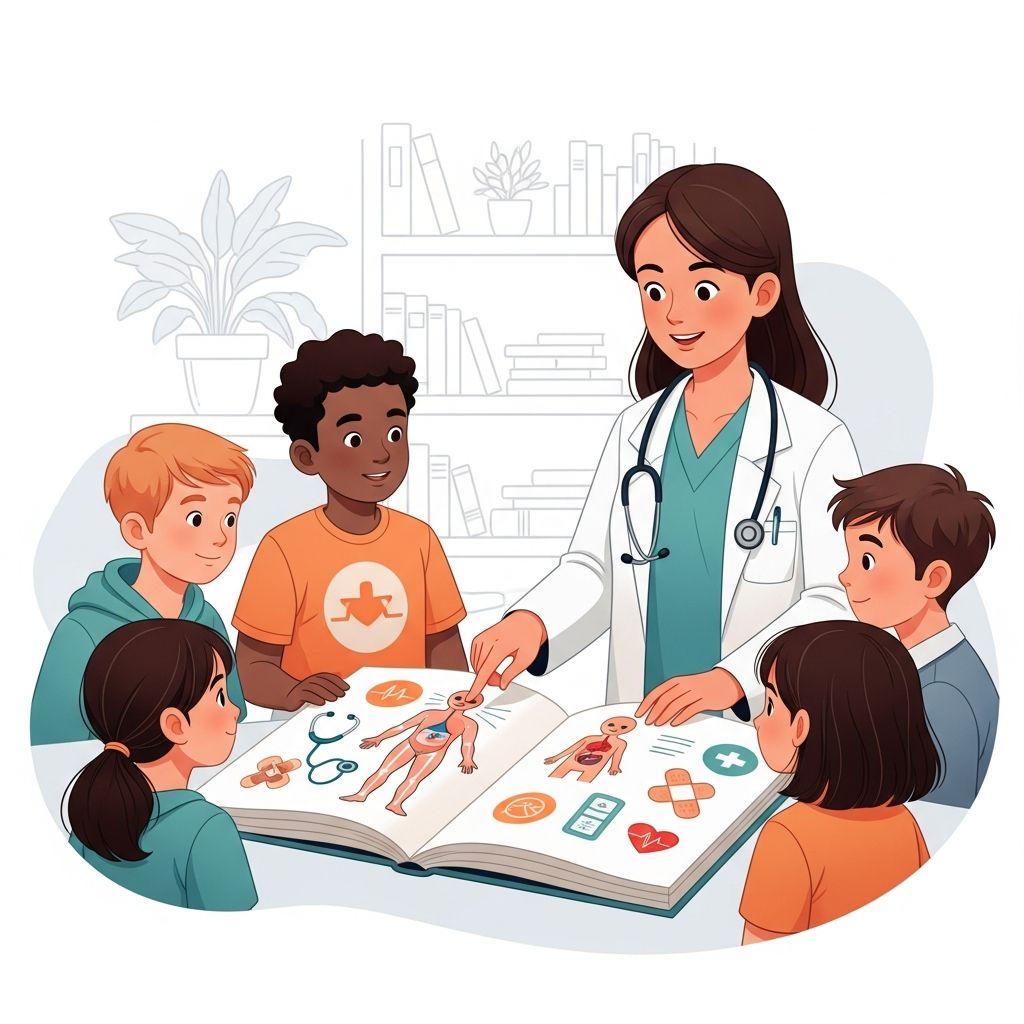
When you feel sick or something in your body doesn’t seem right, you might visit a doctor. At the end of the visit, the doctor will often tell you what they think is causing the problem. That name for your illness or condition is called a diagnosis.
This guide explains what a diagnosis means, how doctors figure it out, and what you and your family can do with that information so you can feel as safe and confident as possible.
What Does the Word “Diagnosis” Mean?
The word diagnosis is a medical term. It means the process of finding out what disease, condition, or injury someone has by looking at signs and symptoms.
- Signs: things the doctor can see, hear, or measure (like a fever or a rash).
- Symptoms: things you feel and tell the doctor about (like pain, dizziness, or feeling tired).
Doctors also use your health history, a physical exam, and sometimes tests (like blood tests or X-rays) to reach a diagnosis.
Why Is Having a Diagnosis Important?
A diagnosis is important because it helps everyone understand what is going on and what to do next.
- Helps choose treatment: Different problems need different medicines or other treatments.
- Gives a name to the problem: Knowing the name can make the situation less confusing or scary.
- Helps predict what might happen: Doctors can explain what to expect in the future, which is called the prognosis.
- Makes it easier to get help: Teachers, nurses, and other helpers often need to know the diagnosis to support you.
Even though a diagnosis is important, it does not define who you are. It only describes a health problem you have, not your personality, talents, or dreams.
How Doctors Work Like Detectives
Figuring out a diagnosis is a bit like solving a mystery. Doctors collect clues and then put them together to decide what is most likely causing the problem.
Step 1: Listening to Your Story
The doctor will ask you and your parent or caregiver questions such as:
- When did the problem start?
- What does it feel like? (sharp, dull, burning, throbbing)
- Is anything making it better or worse?
- Have you been sick recently or had this problem before?
This information is called your health history.
Step 2: Checking Your Body (Physical Exam)
Next, the doctor examines your body. This might include:
- Looking at your eyes, ears, throat, and skin
- Listening to your heart and lungs with a stethoscope
- Feeling your belly or joints to see if anything hurts
- Measuring your temperature, heart rate, and blood pressure
These checks help the doctor find signs of illness that you might not notice yourself.
Step 3: Ordering Tests (If Needed)
Sometimes the doctor needs more information to be sure about the diagnosis, so they may order tests such as:
- Blood tests to look at cells, chemicals, or signs of infection
- Imaging tests like X-rays, ultrasound, CT, or MRI scans to see inside the body
- Urine tests to look for infection or other problems
- Biopsies (taking a very small piece of tissue to look at under a microscope) for some conditions
Not every health problem needs tests. Sometimes the history and physical exam are enough to make a safe diagnosis.
Different Types of Diagnoses Explained Simply
Doctors and hospitals use several special words to describe different kinds of diagnosis. These words help doctors plan care and keep medical records organized.
| Diagnosis Term | What It Means (Kid-Friendly) |
|---|---|
| Clinical diagnosis | A diagnosis made mostly from talking to you and examining you, without needing many tests. |
| Laboratory diagnosis | A diagnosis that relies a lot on lab tests, like blood work or other samples. |
| Tissue diagnosis | A diagnosis based on looking at pieces of tissue (from a biopsy) under a microscope, often used for cancers. |
| Differential diagnosis | A list of different possible problems that could be causing your symptoms; the doctor narrows this list down over time. |
| Principal diagnosis | The main problem that brought you to the hospital or doctor and needs treatment now. |
| Admitting diagnosis | The problem the hospital writes down as the reason you were admitted; it can change if doctors learn more later. |
Can a Diagnosis Change?
A diagnosis is a best explanation based on what doctors know at that moment. Sometimes, as more information appears, the diagnosis can change.
- New symptoms might show up later.
- Test results might give new clues.
- Another illness might appear at the same time.
Changing a diagnosis does not mean anyone made a mistake on purpose. It means your care team is still thinking, checking, and trying to be as accurate as possible.
How a Diagnosis Helps You Get Better
Once your doctor has a diagnosis, the health team can create a treatment plan. This plan may include:
- Medicines (like antibiotics, inhalers, or pain relievers)
- Therapies (like physical therapy or talking with a counselor)
- Changes to daily habits (such as more rest, special exercises, or different foods)
- Follow-up visits to check how well the treatment is working
Doctors also use the diagnosis to explain your prognosis—what is likely to happen over time, including whether you should expect to get completely better or need long-term care.
Common Feelings Kids Have After Getting a Diagnosis
Hearing the name of an illness or condition can bring up big feelings. Kids might feel:
- Relief because now they know what is going on.
- Worry about tests, treatments, or the future.
- Confusion because the words are new or hard to understand.
- Frustration if the diagnosis means changing activities or missing school.
All of these feelings are normal. Talking with your parents, doctors, nurses, or a counselor can help.
Questions You Can Ask Your Doctor
It is okay—and very helpful—to ask questions. Here are some ideas you can use or change to fit your situation:
- What is the name of my diagnosis, and what does it mean in simple words?
- What is causing this problem in my body?
- Is it contagious? Can I give it to my friends or family?
- What treatments do I need, and how do they help?
- What side effects or changes should I watch for?
- Can I still go to school, play sports, or do my hobbies?
- Who can I call if I have questions later?
Doctors are trained to explain things in ways kids can understand. If something is confusing, you can politely say, “I don’t understand. Can you explain that another way?”
Tips for Parents and Caregivers
For adults helping a child, a clear understanding of the diagnosis supports better care and less fear. Health organizations emphasize the importance of honest, age-appropriate communication with children about their health.
- Use simple words: Break complicated medical terms into language your child already knows.
- Share information gradually: Give enough detail to answer the child’s questions without overwhelming them.
- Encourage questions: Let your child know it is okay to ask anything, even the same question more than once.
- Stay calm: Your tone and body language help your child feel safer.
- Partner with the care team: Ask the doctor or nurse for written information or drawings that help explain the diagnosis.
Diagnosis and Privacy
Your medical information, including your diagnosis, is private. In many countries, there are rules that protect the privacy of your health records and limit who can see them, especially outside of your care team and family.
You and your parents can usually decide who else needs to know—such as school nurses, coaches, or close friends—so they can keep you safe and support you.
Key Points to Remember
- A diagnosis is the name for the health problem that is making you feel sick or different.
- Doctors figure it out by listening to you, examining your body, and sometimes using tests.
- A diagnosis helps guide the best treatment and lets others know how to help you.
- It might change if doctors learn new information.
- Your diagnosis is only one part of your life—you are much more than a medical label.
Frequently Asked Questions (FAQs)
Is a diagnosis the same as being sick forever?
No. Some diagnoses describe short-term illnesses that go away with treatment or with time, like many infections. Others describe long-term conditions, like asthma or diabetes, that can often be managed so kids can still do many of the things they enjoy.
Can a diagnosis be wrong?
Sometimes doctors later discover that another condition explains the symptoms better. This can happen when new symptoms appear or new test results come back. When this occurs, doctors update the diagnosis and the treatment plan so you get the care you need.
Do all diagnoses need tests like X-rays or blood work?
No. Some problems are clear from your story and a physical exam, so doctors may not need extra tests. For other conditions, tests are very important to be sure about the diagnosis and to choose the safest treatment.
Who decides my diagnosis?
Usually a doctor or another licensed health professional, like a nurse practitioner or physician assistant, makes the diagnosis. They may also talk with specialists, such as a pediatrician who focuses on a certain part of the body, to get more expert advice.
Can I help with my own diagnosis?
Yes. You help by telling the truth about how you feel, following instructions during the exam or tests, and letting the doctor know if anything changes. Your information is a big part of solving the medical “mystery.”
References
- Medical diagnosis — Wikipedia (summary used for background; primary definitions and concepts cross-checked with NCI and dictionaries). 2024-01-05. https://en.wikipedia.org/wiki/Medical_diagnosis
- Definition of diagnosis — NCI Dictionary of Cancer Terms, National Cancer Institute. 2021-06-02. https://www.cancer.gov/publications/dictionaries/cancer-terms/def/diagnosis
- Diagnosis Definition & Meaning — Merriam-Webster Medical and General Dictionary. 2023-09-15. https://www.merriam-webster.com/dictionary/diagnosis
- diagnosis | definition for kids — Wordsmyth Kids Dictionary. 2022-03-10. https://kids.wordsmyth.net/we/?rid=11380
- What Does Diagnosis Mean? (for Kids) — Nemours KidsHealth. 2022-11-10. https://kidshealth.org/en/kids/word-diagnosis.html