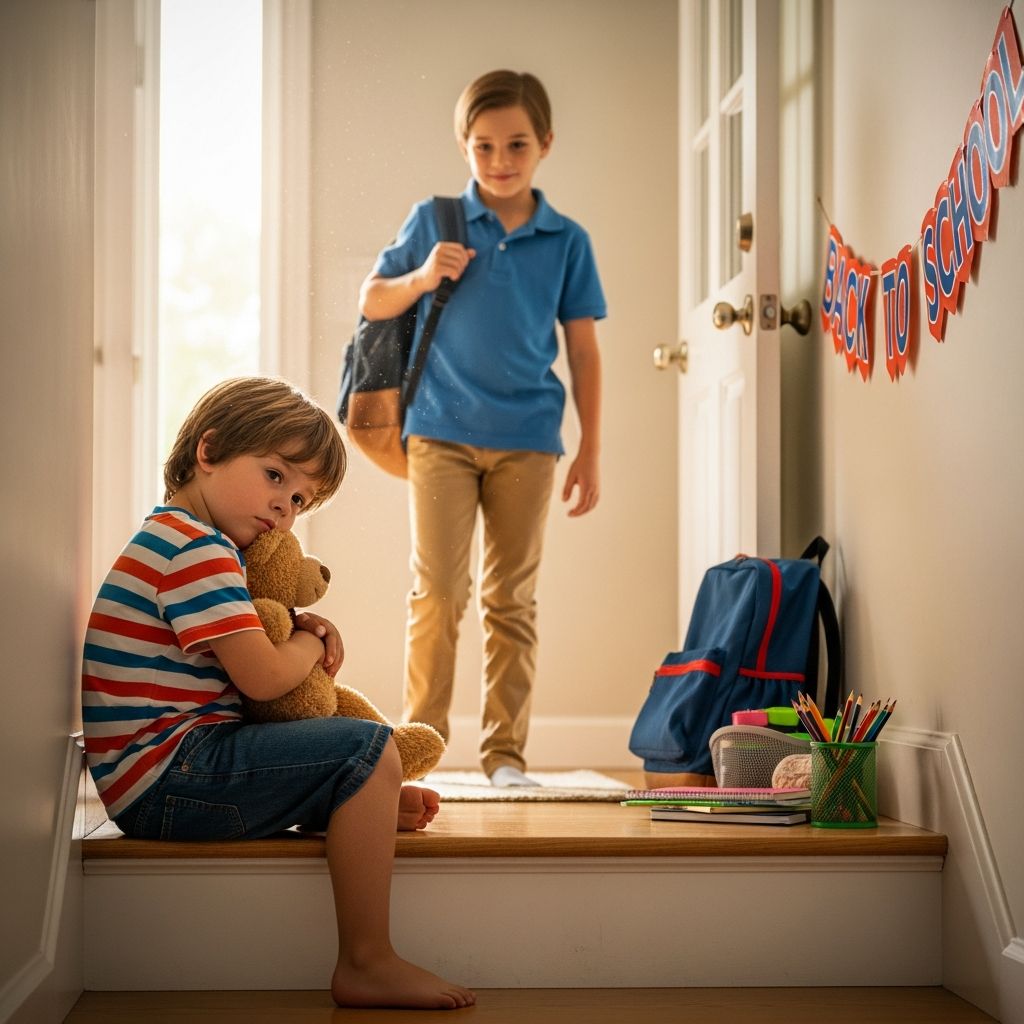
The excitement of back-to-school season often masks a quieter struggle for the youngest family members. When older children return to classrooms, toddlers and preschoolers left at home can face sudden loneliness, confusion, and emotional upheaval. This shift disrupts their daily play routines and constant companionship, leading to tears, clinginess, or withdrawal. Parents notice increased demands for attention as little ones grapple with the absence of their built-in best friends. Understanding this dynamic is the first step toward a smoother adjustment for everyone.
Understanding the Emotional Impact on Young Children
Younger siblings thrive on predictability and close bonds with family. Summer months typically mean undivided playtime with older brothers and sisters, creating a seamless world of shared adventures. School introduces a stark change: mornings without joint breakfasts, empty afternoons without playmates, and evenings filled with school stories they can’t fully join. This isn’t mere fussiness; it’s a legitimate emotional response akin to mild separation anxiety.
Developmental experts note that children under five process change differently. Their limited verbal skills make it hard to articulate missing their sibling, so behaviors like tantrums or excessive attachment to parents emerge instead. A study from the American Academy of Pediatrics highlights how routine disruptions in early childhood can heighten stress hormones, affecting sleep and appetite. Recognizing these signs—reluctance to play alone, frequent questions about the absent sibling, or regression in potty training—allows parents to intervene proactively.
- Common signs of distress: Clinginess to parents, sudden nap refusals, or disinterest in favorite toys.
- Age-specific reactions: Toddlers (1-3 years) may cry at drop-off times; preschoolers (3-5 years) might ask endless ‘when is brother/sister home?’ questions.
- Long-term effects if unaddressed: Potential for lingering insecurity, but quick support prevents this.
Building Stability Through Daily Routines
Consistency is a child’s anchor. Maintaining familiar schedules for meals, naps, and bedtime provides a sense of control amid change. Start by mapping out the new school day visually—a simple picture chart with icons for breakfast, playtime, lunch, and sibling pickup works wonders for non-readers.
For mornings, feed the youngest first while older kids dress independently. Afternoons align naps with school bus arrivals, turning wait time into quiet story hours. Evenings reserve 15-20 minutes of family debrief where everyone shares highs and lows. This structure reassures young ones that while siblings are away, the family’s core rhythm endures.
| Time of Day | Activity for Younger Child | Benefit |
|---|---|---|
| Morning (7-9 AM) | Independent play station with timers | Builds self-reliance |
| Midday (10 AM-2 PM) | Structured activity or outing | Fills sibling absence productively |
| Afternoon (3-5 PM) | Snack and reunion game | Celebrates return together |
| Evening (6-8 PM) | Family story circle | Strengthens bonds |
Engaging Activities to Fill the Day
Transform absence into opportunity with tailored, age-appropriate pursuits. Create a ‘mini-school’ at home using household items: a cardboard desk for coloring, beanbag circle time for songs, and snack rotations mimicking lunch bells. These mimic the older sibling’s day, sparking curiosity rather than envy.
Enroll in local classes like toddler gym, library story hours, or music groups during school hours. Subscription kits for crafts or cooking experiments arrive weekly, offering fresh distractions. Outdoor playdates with peers replicate sibling energy, while simple chores—sorting laundry colors or watering plants—instill purpose and pride.
- DIY ideas: Pretend post office with junk mail, sensory bins with rice and toys.
- Community options: Free park programs or faith-based playgroups.
- Tech balance: Educational apps limited to 20 minutes, focused on interactive learning.
Fostering Special One-on-One Connections
Quality trumps quantity in parent-child bonding. Carve out exclusive rituals: a midweek coffee-and-muffin outing, dog-walking chats, or bedtime book marathons. These moments affirm the younger child’s value, countering any perceived ‘second place’ feelings.
For newborns in the mix, older toddlers can ‘help’ with gentle tasks like holding pacifiers or fetching blankets, supervised closely. This inclusion prevents resentment and builds empathy. Track these in a family calendar to ensure fairness.
Involving Everyone in School Preparations
Make back-to-school inclusive. Shop together for supplies, letting the little one choose stickers or a tiny backpack. Attend orientations or drop-offs, pointing out fun elements like playgrounds. Older kids can record voice messages or draw ‘school postcards’ for daily surprises.
Post-school rituals amplify reunion joy: a ‘welcome home’ high-five chain or shared snack prep. Validate emotions openly—’It’s okay to miss your sister; she’ll be excited to play soon.’ This normalizes feelings, teaching emotional intelligence.
Tools for Emotional Comfort and Regulation
Comfort objects like favorite stuffed animals bridge gaps. Teach basic calming techniques: deep breaths visualized as ‘balloon breathing’ or counting to five with fingers. A ‘feelings wheel’ chart helps name emotions, reducing frustration.
For persistent anxiety, consult pediatric guidelines from the CDC, which recommend monitoring sleep and appetite. Short-term screen increases for soothing shows are fine if balanced.
Long-Term Strategies for Family Harmony
Look forward together: Discuss future school adventures for the youngest, planting seeds of anticipation. Celebrate milestones with parties—first full school week picnics or decorated driveways. Track progress in a ‘brave book’ of drawings and notes.
Parental self-care matters; overwhelmed caregivers amplify child stress. Rotate support with partners or family for breaks.
Frequently Asked Questions
How long does sibling separation anxiety typically last?
Most children adjust within 2-4 weeks with consistent support, though spikes occur around holidays or illnesses.
What if my toddler regresses in behaviors like potty training?
Gently reinforce without pressure; extra cuddles and praise speed recovery. Consult a doctor if lasting over a month.
Are paid classes worth it for daily structure?
Yes for social skills, but free library events suffice initially. Prioritize what fits your budget and schedule.
How can older siblings help without overwhelming the younger one?
Short play bursts post-homework, like 10-minute puzzles, with clear start/end signals.
What about screen time during transitions?
Limit to educational content; use as a bridge to independent play, not default.
This comprehensive approach turns a challenging season into growth. Families who proactively address these shifts report stronger bonds and resilient kids ready for their own milestones.
References
- Separation Anxiety and School Phobia — American Academy of Pediatrics. 2023-08-15. https://www.aap.org/en/patient-care/school-health/mental-health-in-schools/separation-anxiety-and-school-phobia/
- Positive Parenting Tips: Toddlers (1–2 years old) — Centers for Disease Control and Prevention. 2025-01-10. https://www.cdc.gov/parents/essentials/toddler/index.html
- Early Childhood Emotional Development — Harvard University Center on the Developing Child. 2024-06-20. https://developingchild.harvard.edu/science/key-concepts/emotional-development/
- Supporting Children Through Transitions — Zero to Three. 2024-09-05. https://www.zerotothree.org/resource/supporting-children-through-transitions/
- Routine and Predictability in Early Childhood — National Institute of Child Health and Human Development. 2023-11-12. https://www.nichd.nih.gov/health/topics/routines