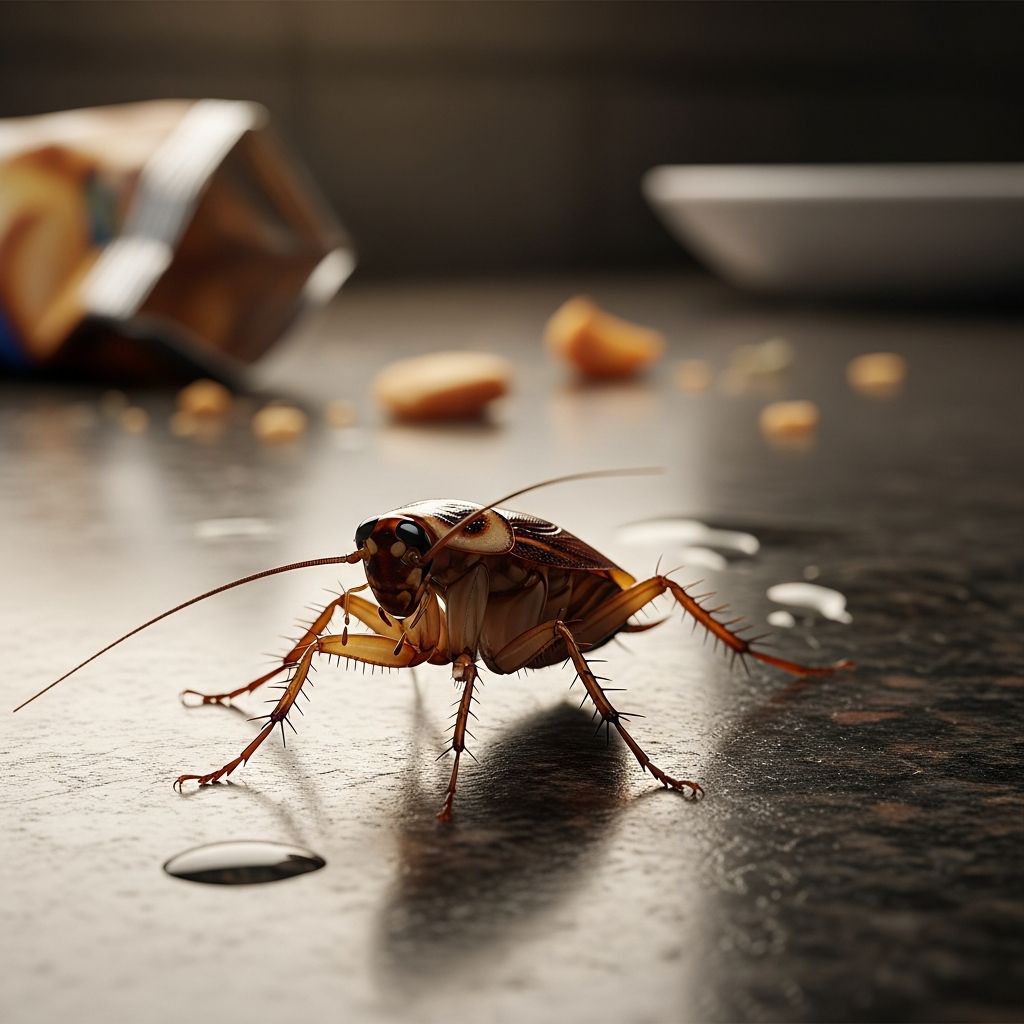
What Draws Cockroaches Into Your Living Space
Cockroaches are opportunistic pests that infiltrate homes in search of three fundamental necessities: food, water, and shelter. Understanding what attracts these insects to your residence is the first step toward effective prevention. Unlike many pests that are seasonal or location-specific, cockroaches can thrive year-round in virtually any climate where humans provide the conditions they need to survive. Recognizing these attractants empowers homeowners and parents to take proactive measures before infestations become established problems.
The primary reason cockroaches venture into homes is the availability of food sources. These insects are not particularly selective eaters and will consume virtually anything humans discard, including crumbs, grease, soap residue, and even paper products. A single crumb left on a countertop or a forgotten plate in the sink can signal to cockroaches that your home is a viable food source. Additionally, cockroaches are attracted to moisture, as they require water for survival and can only sustain themselves for approximately one week without it. Leaky pipes, standing water in sinks, and damp areas provide essential hydration that keeps infestations thriving.
Food Sources: The Primary Attractant
Food represents the most significant lure for cockroaches entering residential spaces. These pests possess an exceptional sense of smell that allows them to detect food from considerable distances. Once they locate a reliable food supply, cockroaches establish regular feeding patterns and communicate the location to other colony members through pheromone trails. Kitchen environments are particularly vulnerable because food preparation activities create numerous opportunities for residual crumbs, spills, and exposed ingredients.
The kitchen presents multiple food-related attractants that require attention:
- Unwashed dishes accumulating in sinks overnight provide both food particles and moisture
- Uncovered food items stored in cabinets or left on countertops emit odors that attract nearby roaches
- Crumbs lodged beneath appliances and in crevices between cabinets offer hidden feeding opportunities
- Grease buildup on stovetops and behind appliances becomes a food source over time
- Garbage containers that are not sealed or emptied regularly accumulate decomposing organic matter
- Pet food left in bowls overnight attracts cockroaches seeking easy nutrition
Beyond the kitchen, cockroaches will investigate other areas where food may be present. Dining rooms where crumbs fall between cushions, bedrooms where snacking occurs, and living areas where food is consumed all represent potential feeding grounds. Pantries and storage areas containing dry goods in open containers or damaged packaging invite cockroach intrusion and colonization.
Water Access and Moisture Conditions
While food attracts cockroaches, water is equally essential for their survival and persistence in your home. Cockroaches require consistent access to moisture, and any water source becomes a critical factor in sustaining infestations. Bathrooms and kitchens, where water is abundant, are common cockroach hotspots. However, water sources extend beyond obvious plumbing areas to include condensation, pet water bowls, and areas where moisture accumulates naturally.
Common water sources that attract cockroaches include:
- Leaky faucets dripping water into sinks or onto surrounding surfaces
- Pipe connections beneath sinks that develop small leaks over time
- Clogged drains retaining standing water and organic debris
- Wet bathroom areas where humidity remains elevated
- Condensation forming on cold water pipes during humid weather
- Plant watering trays and similar containers holding stagnant water
- Pet water dishes that are refilled but not dried between uses
The relationship between moisture and cockroach survival is particularly important during dry seasons. Cockroaches become more aggressive in seeking water sources during periods when humidity is low, which may explain increased indoor infestations during winter months when heating systems dry out living spaces. Addressing moisture issues throughout your home disrupts the survival conditions cockroaches need and significantly reduces infestation risk.
Shelter and Hiding Spaces
Beyond food and water, cockroaches require safe places to hide and reproduce. These insects are nocturnal and prefer dark, confined spaces where they can remain undisturbed during daylight hours. Any crack, crevice, or cluttered area becomes potential cockroach habitat. Understanding what constitutes attractive shelter helps identify vulnerable areas throughout your home requiring attention and modification.
Cockroaches favor shelter locations that include:
- Cracks and crevices in walls, floors, and ceilings
- Spaces behind and beneath kitchen cabinets and appliances
- Cluttered closets filled with boxes, bags, and stored items
- Areas beneath sinks with exposed pipes and dark recesses
- Cardboard boxes and packing materials stored indoors
- Collections of newspapers, magazines, and paper products
- Dust accumulations in corners and along baseboards
- Gaps around door thresholds and window frames
The presence of clutter and debris significantly increases cockroach harbor potential. Items stored against walls, cardboard boxes stacked in closets, and paper accumulations provide both shelter and material that cockroaches consume. Reducing clutter eliminates hiding spaces and removes potential food sources simultaneously, creating a less attractive environment for infestation establishment.
Entry Points and Invasion Routes
Understanding how cockroaches enter your home is crucial for comprehensive prevention. These pests exploit openings that most homeowners don’t consider significant, squeezing through gaps that seem impossibly small. Cockroaches can flatten their bodies to navigate through cracks as narrow as the thickness of a credit card, allowing them to traverse from neighboring apartments, contaminated storage areas, or external environments into residential spaces.
Primary entry points for cockroaches include:
- Gaps around door frames and underneath thresholds
- Cracks surrounding window frames and sills
- Openings around water pipes entering the home
- Gaps in exterior walls and foundation cracks
- Spaces around air conditioning units and vents
- Openings in walls where plumbing or electrical lines pass through
- Crevices along baseboards and ceiling moldings
- Inadequate sealing around door and window casings
In multi-family housing situations, cockroaches routinely travel between units through shared wall cavities, pipe chases, and ventilation systems. Even if your apartment remains immaculate, neighboring infestations can introduce cockroaches into your space. This reality underscores the importance of securing all entry points and maintaining vigilant prevention practices regardless of neighboring unit conditions.
Prevention Through Environmental Modification
Effective cockroach prevention relies on eliminating the conditions that attract and sustain these pests. A systematic approach addressing food, water, and shelter sources creates an inhospitable environment that discourages cockroach colonization. This environmental modification strategy, combined with regular monitoring and maintenance, forms the foundation of long-term pest management success.
Implementing food source elimination begins with establishing consistent kitchen hygiene practices. Dishes should be washed immediately after meals rather than left to accumulate. Countertops require regular wiping to remove crumbs and grease buildup. Food should be stored in sealed containers rather than left in original packaging, which cockroaches can penetrate. Garbage receptacles must remain sealed and be emptied frequently, particularly in warm weather when decomposition accelerates. Pet food should be fed on a schedule with remaining food removed after eating periods, and water bowls should be emptied overnight.
Water source elimination requires identifying and repairing leaking fixtures throughout the home. Faucets with persistent drips should be repaired promptly, as a slowly dripping faucet provides sufficient water for cockroach colonies to establish and thrive. Pipes beneath sinks warrant regular inspection for condensation or slow leaks. Bathroom areas should be ventilated to reduce humidity and allow surfaces to dry between uses. Pet water and plant watering areas should be monitored to prevent standing water accumulation.
Shelter reduction involves both decluttering and sealing. Unnecessary items should be removed from closets, storage areas, and under-sink cabinets. Cardboard boxes should be replaced with plastic storage containers that offer less food value and create less attractive harborage. Cracks and crevices throughout the home require sealing with caulk, particularly around pipes, electrical outlets, and along baseboards. Door thresholds should fit snugly to eliminate gaps, and weatherstripping should be maintained in good condition.
Monitoring and Early Detection Methods
Regular monitoring allows early detection of cockroach activity before infestations become established. Simple monitoring techniques require minimal investment and provide valuable information about pest presence and activity levels. Detecting cockroaches early enables swift intervention with targeted approaches rather than facing the challenge of controlling entrenched populations.
Effective monitoring strategies include:
- Placing sticky traps in areas where cockroaches are likely to travel, such as along walls and in corners
- Inspecting areas with combined darkness, moisture, and proximity to food sources regularly
- Looking for fecal droppings, which appear as small dark specks resembling ground pepper
- Watching for shed skin casings in dark, confined spaces
- Noting musty odors that develop when cockroach populations become substantial
- Observing activity during nighttime hours by turning on lights suddenly in dark areas
Simple jar traps containing attractive bait can help establish whether cockroaches are present and track population changes over time. A baby food jar with petroleum jelly applied to the interior upper portion, combined with bread soaked in a small amount of beer, attracts cockroaches while trapping them for counting and identification purposes. Placing multiple traps throughout the home and recording captures helps identify high-activity areas requiring targeted prevention efforts.
Creating a Comprehensive Prevention Plan
Successful cockroach prevention requires systematic implementation of multiple strategies rather than reliance on single approaches. A comprehensive plan addresses all three attraction factors while maintaining ongoing surveillance and maintenance. This integrated approach, often called Integrated Pest Management (IPM), combines prevention, monitoring, and targeted intervention when necessary.
A complete prevention plan should include:
- Weekly kitchen deep-cleaning targeting areas where crumbs and grease accumulate
- Monthly inspection and sealing of cracks, crevices, and entry points
- Immediate repair of any plumbing leaks or water source issues
- Regular decluttering and organization of storage areas
- Placement of monitoring traps in strategic locations with monthly inspection
- Immediate removal and proper disposal of items potentially harboring cockroach eggs or individuals
- Communication with household members about prevention practices and prompt reporting of signs
In apartment buildings and multi-family housing, resident cooperation with management and professional pest control services significantly improves overall control success. Shared responsibility for maintaining building-wide prevention practices prevents cockroaches from simply relocating between units rather than being eliminated from the structure entirely.
Frequently Asked Questions
Q: Can cockroaches survive in clean homes?
A: While thorough cleanliness significantly reduces infestation risk, cockroaches can survive in clean homes if even minimal food, water, and shelter sources exist. Additionally, cockroaches can enter clean homes from neighboring units or contaminated items brought indoors. Prevention requires addressing multiple factors simultaneously.
Q: How long can cockroaches survive without water?
A: Cockroaches can survive approximately one week without water access. This biological necessity makes moisture control a critical component of prevention strategies. Addressing water sources creates more significant impact than food source elimination alone.
Q: What’s the best way to seal cracks to prevent cockroach entry?
A: Caulk designed for household use effectively seals cracks and crevices. Apply caulk to all gaps around pipes, baseboards, door frames, and window sills. Ensure the caulk is smooth and fully fills the opening to eliminate hiding spaces and entry routes.
Q: Should I be concerned about cockroaches in apartment buildings?
A: Cockroaches are particularly problematic in multi-family housing due to shared walls and ventilation systems. Maintaining prevention practices in your unit remains important even if neighbors’ units are infested. Report pest activity to management immediately to facilitate coordinated building-wide treatment.
Q: Are sticky traps effective for cockroach control?
A: Sticky traps serve primarily as monitoring tools rather than control methods. They help identify cockroach presence and activity levels but do not eliminate infestations. Traps should be combined with environmental modification and other prevention strategies for comprehensive control.
Q: Can cockroaches enter homes through drains?
A: Yes, cockroaches can travel through drainpipes, particularly if pipes are connected between units or if drain lines are not properly sealed. Placing drain stoppers when fixtures are not in use and ensuring proper drain maintenance helps prevent this entry route.
References
- A Practical Guide to Cockroach Control in Multi-Family Housing Units — Purdue University Extension. https://extension.entm.purdue.edu/publications/E-241/E-241.html
- Cockroach Prevention — Texas A&M AgriLife Extension, Department of Entomology. https://urbanentomology.tamu.edu/cockroaches/prevention/
- Cockroaches — National Center for Healthy Housing (NCHH). https://nchh.org/information-and-evidence/learn-about-healthy-housing/health-hazards-prevention-and-solutions/cockroaches/
- How To Prevent Cockroach Infestations — Dewey Pest Control. https://deweypest.com/news/how-to-prevent-cockroach-infestations/
- Humane Cockroach Control — PETA (People for the Ethical Treatment of Animals). https://www.peta.org/living/humane-home/humane-cockroach-control/