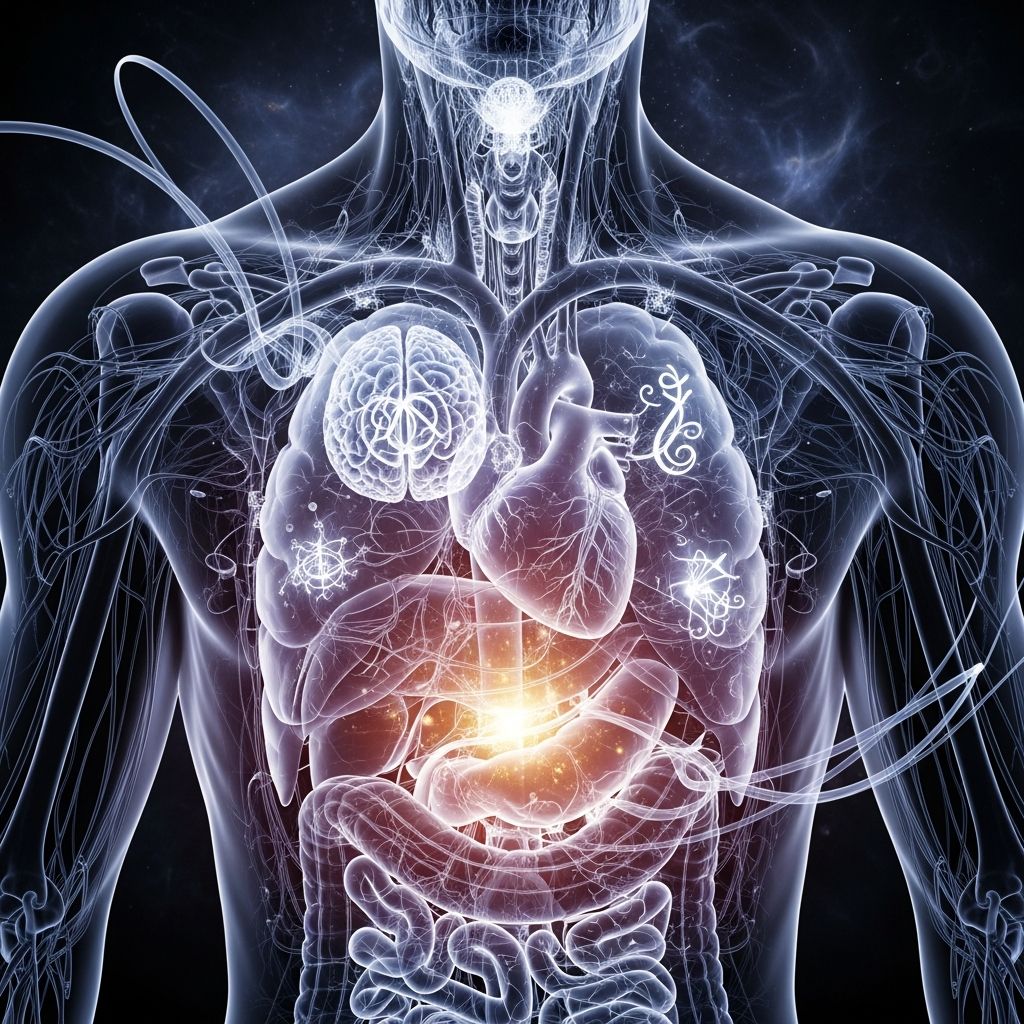
The human body is a masterpiece of evolution, packed with quirks that science is still unraveling. From the relentless blink of your eyes to the mysterious prominence of your chin, every part tells a story of adaptation, survival, and sheer oddity. This exploration reveals astonishing details about our anatomy, senses, organs, and more, drawing from biological insights to illuminate why we function as we do.
Eye-Opening Blinking Behaviors
Your eyes perform an incredible feat daily: blinking about 20 times per minute, totaling over 10 million blinks annually. This automatic action spreads tears to keep corneas moist and protected from dust. Without it, vision would blur within hours.
- A single blink lasts 100-150 milliseconds, yet collectively, eyes are closed for roughly 30 minutes a day.
- Newborns blink far less, only 2-3 times per minute, as their visual world sharpens.
- Staring at screens reduces blink rates by 60%, leading to dry eye syndrome in modern lifestyles.
Skeletal Surprises from Birth to Adulthood
Infants enter the world with approximately 300 bones, more than the 206 in adults, because many fuse over time. This flexibility aids passage through the birth canal. The smallest bone, the stapes in the ear, measures just 3mm, while the femur in the thigh is the longest and strongest, supporting your entire weight.
| Body Part | Bone Fact | Unique Trait |
|---|---|---|
| Ear | Stapes | Smallest bone; transmits sound vibrations |
| Leg | Femur | Longest bone; withstands 1,700 psi pressure |
| Feet | 52 bones total | 25% of all body bones for balance |
| Spine | 33 vertebrae | Fuses into 24 movable segments |
Bones aren’t rigid; they’re living tissue with marrow producing 2 million red blood cells per second. A fracture heals via self-regeneration, forming a callus stronger than original bone.
Muscular Marvels and Hidden Power
Over 600 muscles power every movement, with the gluteus maximus as the largest, enabling upright walking. The tiniest, stapedius in the ear, prevents eardrum damage from loud sounds.
- Muscles generate heat; shivering can raise body temperature by 20°F in minutes.
- The heart, a muscle, beats 100,000 times daily, pumping 2,000 gallons of blood.
- Tongue muscles allow unparalleled flexibility, enabling speech and taste.
Fun quirk: You can lock your knees using ligaments, standing effortlessly due to muscle reflexes.
Skin: The Ever-Renewing Shield
Skin, your body’s largest organ, renews fully every 27 days, shedding 600,000 particles hourly. It hosts 1,000+ bacteria species, weighs 15% of body mass, and varies in thickness—thinnest on eyelids (0.05mm), thickest on feet.
- One square inch has 300 sweat glands, producing up to 2 pints daily.
- Fingerprints form by 13 weeks gestation; tongue prints are equally unique.
- Skin changes signal health: pallor indicates anemia, rashes warn of allergies.
Digestive Wonders and Stomach Strength
The small intestine stretches 23 feet, absorbing nutrients via peristalsis waves. Stomach acid, with pH 1.5, dissolves metal and burgers alike, yet spares the lining via mucus. In starvation, the brain may cannibalize itself after fat depletion.
Post-meal, the jejunum (mid-small intestine) handles most digestion. Adults pass gas 14 times daily, enough to inflate a balloon.
Respiratory Rhythms and Floating Lungs
Lungs, the only floating organs, contain 300 million alveoli for gas exchange. They’re never sterile, harboring microbes even in health. You inhale 11,000 liters of air daily; sneezes exit at 100 mph.
- Right lung is larger for heart accommodation.
- Breathing rate halves during sleep, optimizing oxygen use.
Brain and Nervous System Enigmas
The brain survives 3-6 minutes sans oxygen, then neurons die. It produces enough electricity to power a bulb, with 86 billion neurons forming a trillion connections. Humans detect 1 trillion odors, vastly more than prior estimates.
Daily height shrinks 1cm from spinal compression, restoring overnight.
Evolutionary Puzzles: Chins, Testicles, and More
Humans uniquely sport chins, absent in Neanderthals—a mystery defying explanation. Theories include jaw reinforcement or cooking’s softer diets shrinking faces.
Testicle size varies strikingly: human testes are triple gorillas’ (monogamous harems) but one-fifth chimps’ (promiscuous). Convergent evolution links larger testes to multi-partner mating across mammals, placing humans intermediately. Dolphins boast the largest proportionally.
Sensory Oddities and Unique Prints
Ears grow lifelong; earwax is modified sweat. Tongues host 8,000 taste buds; humans alone draw straight lines.
- Feet hold quarter of bones for agility.
- Body fat could yield seven soap bars.
Regeneration and Survival Mechanisms
Liver regenerates fully from 25% tissue. Kidneys pair for redundancy—one suffices. Bones self-heal; skin replaces 1,000 times lifetime.
Frequently Asked Questions
Why do humans have chins unlike other primates?
Chins evolved uniquely in Homo sapiens; theories suggest jaw strength or dietary shifts, but no consensus exists due to lack of comparative evolution.
Do ears and noses keep growing?
Yes, cartilage continues expanding lifelong, unlike bones that fuse early.
How unique are tongue prints?
Like fingerprints, each tongue print is distinct, aiding forensic identification.
Can stomach acid dissolve metal?
Hydrochloric acid in stomachs reaches pH 0.8-1.0, corroding zinc but protected by mucus lining.
Why do lungs float?
Alveoli create air pockets, making lungs less dense than water.
References
- The unique human body part that evolution cannot explain — The Independent. 2024-10-18. https://www.independent.co.uk/news/science/human-body-evolution-chin-bones-testicles-b2915072.html
- 90 Weird & Fun Facts About The Human Body — Nectar Sleep. 2024-11-01. https://www.nectarsleep.com/posts/fun-facts-about-the-human-body
- 55 Weird Facts About the Human Body — Purple Mattress. 2023-05-15. https://purple.com/blog/30-weirdly-fascinating-health-body-facts
- 16 of the weirdest and wackiest facts on the human body — Penguin Books UK. 2023-08-10. https://www.penguin.co.uk/discover/childrens-articles/16-weird-and-wacky-facts-on-the-human-body
- 95 fascinating (and weird!) facts about the human body — Athena Pharm. 2024-11-28. https://www.athenapharm.com/2024/11/28/95-fascinating-and-weird-facts-about-the-human-body/