Healthy vision is essential for how children explore, learn, and connect with the world around them. When there are concerns about a child’s eyes or vision, families are often referred to a pediatric ophthalmologist—a medical doctor who specializes in children’s eye health and eye surgery.
This guide explains who these specialists are, why your child might be sent to one, what happens during a visit, and how early eye care can support your child’s development.
What Is a Pediatric Ophthalmologist?
A pediatric ophthalmologist is a physician who has completed medical school, a residency in ophthalmology, and additional fellowship training focused on eye conditions in infants, children, and teens. They are trained to examine children of all ages—including babies who cannot yet speak or read eye charts—and to diagnose and treat medical and surgical eye problems.
How They Differ From Other Eye Care Providers
| Provider Type | Training Background | Typical Role in Child Eye Care |
|---|---|---|
| Pediatric ophthalmologist | Medical doctor (MD/DO) with ophthalmology residency plus pediatric fellowship | Diagnoses and treats medical and surgical eye diseases; manages complex and urgent eye conditions in children. |
| Optometrist | Doctor of Optometry (OD) | Performs eye exams, prescribes glasses and contact lenses, manages some non-surgical eye problems; often collaborates with ophthalmologists. |
| Pediatrician / family doctor | Medical doctor in primary care | Screens vision at well-child visits and refers to specialists when concerns arise. |
Why Eye Health Matters in Childhood
Early childhood is a critical time for visual development. The brain and eyes learn to work together, building the pathways that support clear, comfortable vision. Problems that are not detected and treated early can lead to long-term vision loss in one or both eyes, even if the eye itself looks normal.
- Learning and development: Children rely heavily on sight for reading, writing, playing sports, and social interaction.
- Safety: Good depth perception and peripheral vision help kids navigate safely at home, school, and outdoors.
- Long-term vision: Early treatment of some conditions—such as lazy eye (amblyopia)—is far more effective in childhood than later in life.
Common Reasons Children Are Referred to an Eye Specialist
Primary care clinicians and school vision screenings are often the first to pick up a possible eye problem. They may refer your child to a pediatric ophthalmologist for a closer look. Some common reasons include:
1. Abnormal Vision Screening Results
The American Academy of Pediatrics recommends that children have their vision checked regularly at well-child exams. If your child does not pass a screening—at the doctor’s office or at school—your clinician may advise a full eye examination to find out why.
Possible causes include:
- Nearsightedness (myopia)
- Farsightedness (hyperopia)
- Astigmatism (irregular curvature of the eye’s surface)
- More serious eye disease affecting the retina, optic nerve, or other structures
2. Suspected Lazy Eye (Amblyopia)
Amblyopia, often called lazy eye, happens when one eye does not develop normal vision during childhood, usually because the brain favors the other eye. A child may not complain of symptoms, especially if the other eye sees well, so screening and specialist exams are important.
A pediatric ophthalmologist can identify amblyopia and look for underlying causes such as unequal glasses prescriptions, eye misalignment, or something blocking the line of sight (like a cataract).
3. Eye Misalignment or Crossed Eyes
Eyes that do not point in the same direction—known as strabismus—are a frequent reason for referral. Parents, teachers, or clinicians may notice:
- One eye drifting inward, outward, up, or down
- Squinting or closing one eye, especially in bright light
- Head tilting to one side to look at things
Treating strabismus not only improves alignment and appearance but can also protect or restore binocular (two-eyed) vision.
4. Droopy Eyelids or Unequal Pupils
Some children are born with or develop droopy eyelids (ptosis) or other eyelid or pupil differences. These changes can sometimes interfere with vision or signal another medical problem.
A pediatric ophthalmologist evaluates whether the eyelid blocks vision, how the eye is developing, and whether further testing or surgery is needed.
5. Eye Injuries and Emergencies
Children are naturally active and curious, which occasionally leads to eye injuries. A pediatric ophthalmologist is often involved when there are:
- Cuts near or involving the eye
- Objects stuck in or around the eye
- Chemical exposures
- Sudden changes in vision after trauma
6. Other Eye Conditions in Childhood
Specialists in pediatric ophthalmology commonly evaluate and manage many additional conditions, including:
- Blocked tear ducts causing excessive tearing
- Childhood cataracts or glaucoma
- Eye problems related to premature birth (retinopathy of prematurity)
- Inflammatory eye disease (uveitis, iritis)
- Inherited or genetic eye disorders that run in families
What Happens at a Pediatric Eye Appointment?
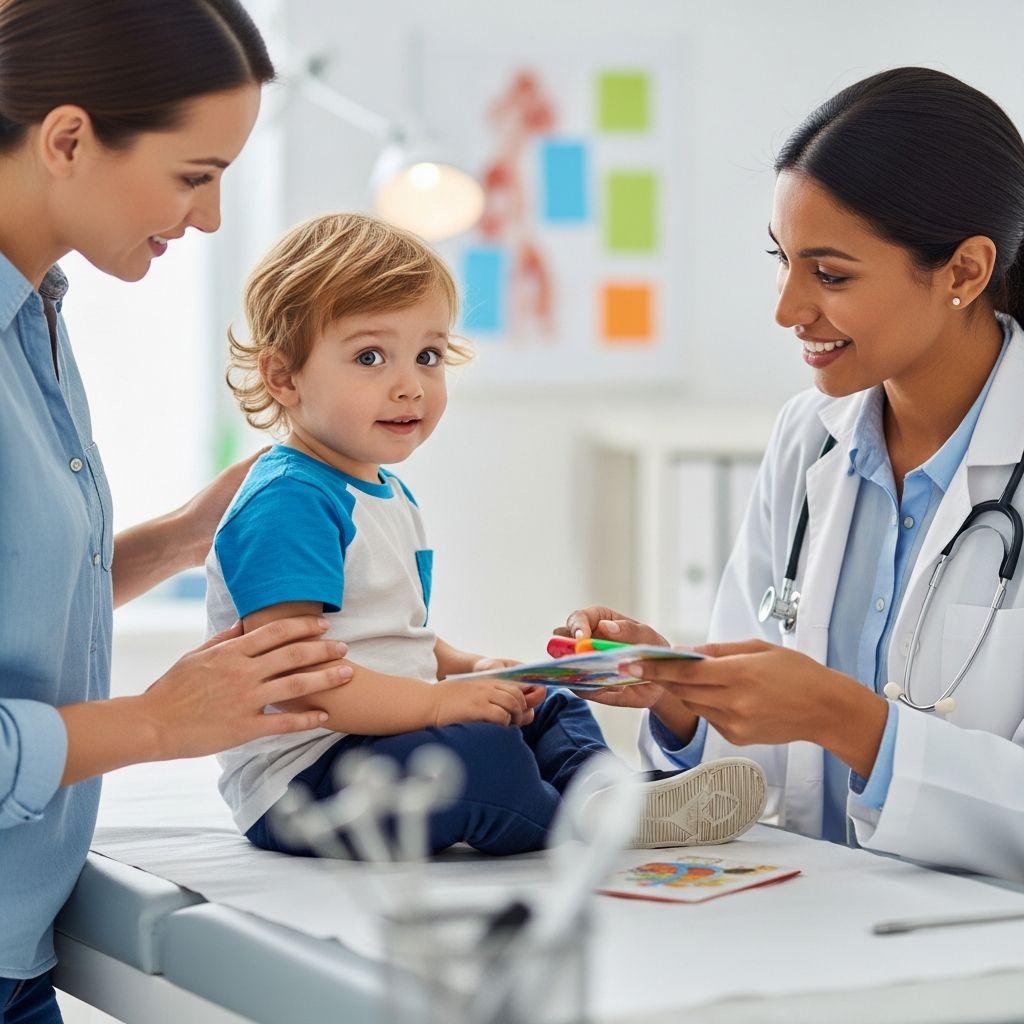
Visits are designed to be as child-friendly as possible. Offices often provide toys, kid-sized equipment, and exam techniques that work even for babies and toddlers.
Before the Visit
- Bring your child’s medical history, a list of medications, and any glasses or eye patches they currently use.
- Know your family’s eye history, including strabismus, amblyopia, strong glasses prescriptions, or serious eye disease.
- Be ready to describe when you first noticed symptoms and whether they are getting better or worse.
The Eye Exam Step by Step
Although each clinic has its own flow, most pediatric eye exams include:
- History taking: The doctor or technician asks about your child’s health, development, and any symptoms, such as eye rubbing, squinting, headaches, or difficulty in school.
- Visual acuity testing: Older children may read letters or symbols on a chart. Younger children may match pictures or use special tests that do not require speaking.
- Eye movement and alignment tests: The specialist checks how the eyes move and whether they stay aligned together when looking in different directions.
- Refraction: Using lights and lenses, the doctor measures focusing power to determine if glasses are needed.
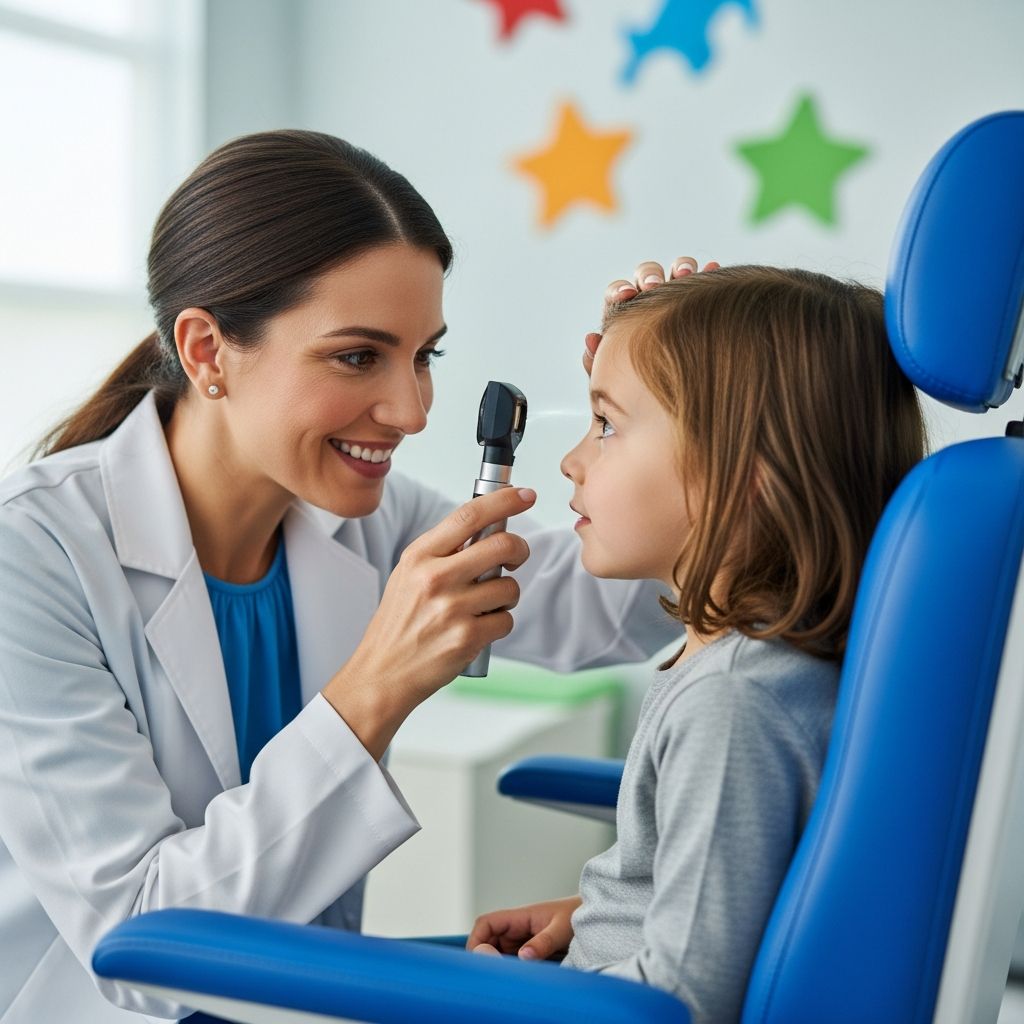
- Slit-lamp and internal exam: With a microscope and special lenses, the ophthalmologist examines the front and back of the eye, including cornea, lens, retina, and optic nerve.
Dilating the Pupils
For many children, drops are used to widen (dilate) the pupils so the doctor can see the inside of the eye clearly and obtain accurate measurements for glasses.
- Drops may sting briefly and can blur near vision for several hours.
- Light sensitivity is common after dilation; bringing a hat or sunglasses can help.
How Pediatric Eye Conditions Are Treated
Treatment plans are tailored to the child’s age, diagnosis, and daily needs. Pediatric ophthalmologists may recommend one or more of the following approaches.
Glasses and Contact Lenses
- Glasses are the most common treatment for nearsightedness, farsightedness, and astigmatism. They can also help correct imbalances between the two eyes that contribute to amblyopia.
- Contact lenses may be appropriate for some older children or for specific medical reasons, such as after some surgeries.
Patching and Other Amblyopia Therapies
For amblyopia, the goal is to “wake up” the weaker eye by encouraging the brain to use it.
- Eye patching: Covering the stronger eye for certain hours each day.
- Atropine drops: Blurring vision in the stronger eye with drops instead of a patch in some cases.
- Glasses: Correcting unequal prescriptions that may have triggered the problem.
Early and consistent treatment usually leads to better improvement, especially in younger children.
Medications and Eye Drops
Prescription eye drops or ointments can be used for conditions such as inflammation, infections, allergies, glaucoma, or after surgery.
Surgical Care
Some eye problems require surgery, which is performed by the pediatric ophthalmologist, often using techniques specifically adapted for children.
- Strabismus surgery: Adjusts the muscles that move the eyes to improve alignment.
- Cataract surgery: Removes a cloudy lens and may involve placing an artificial lens.
- Procedures for glaucoma, eyelid problems, blocked tear ducts, or traumatic injuries.
When Should Children Have Their Eyes Checked?
Many vision problems can be subtle. Regular screening helps catch problems early, even if your child seems to see well. Pediatric organizations recommend routine vision checks during well-child visits, with referral for any concerns.
- Infants: Newborns and infants receive basic eye checks from their pediatrician to look for structural problems and response to light.
- Toddlers and preschoolers: Age-appropriate vision screening methods, such as picture charts or instrument-based screening, may be used.
- School-age children: Visual acuity testing helps ensure children can see well for classroom learning.
Children with a family history of significant eye disease, premature birth, or developmental concerns may need earlier or more frequent specialist evaluations.
Supporting Your Child’s Experience at the Eye Doctor
Many children feel nervous about medical visits. A little preparation can make the appointment smoother for everyone.
- Explain in simple terms: Let your child know that the doctor will look at their eyes with lights and special cameras, but that it should not be painful.
- Practice at home: Play pretend eye doctor with a flashlight or toy to get them used to staying still and following directions.
- Bring comfort items: A favorite stuffed animal or blanket can help a young child feel safer.
- Plan for extra time: If eye dilation is needed, the visit may be longer and your child’s eyes may be sensitive afterward.
Partnering With Your Child’s Care Team
Pediatric ophthalmologists rarely work in isolation. For many conditions, they coordinate with:
- Primary care clinicians and pediatricians
- Orthoptists (specialists in eye movement and alignment)
- Optometrists who co-manage glasses and routine care
- Other specialists such as pediatric neurologists or geneticists when eye findings are part of a broader medical condition
Clear communication—sharing reports, test results, and treatment plans—helps ensure that everyone is working toward the same goals for your child’s vision.
Frequently Asked Questions About Pediatric Ophthalmology
Q1: My child passed a school vision screening. Do we still need an eye specialist?
If your child has no symptoms and passed screening, a specialist visit is usually not required. However, if you notice signs such as squinting, sitting very close to screens, eye turning, or headaches, talk with your pediatrician about whether a referral is appropriate.
Q2: At what age can babies have a full eye exam?
Pediatric ophthalmologists can examine babies from birth using lights, lenses, and age-appropriate tests. Even without letter charts, they can assess how the eyes are formed, how they move, and how they respond to visual stimuli.
Q3: How long does treatment for lazy eye usually last?
Treatment length varies widely. Some children need months of patching or drops; others may need therapy across several years, especially if amblyopia is severe or discovered later. Regular follow-up visits allow the doctor to adjust the plan based on your child’s progress.
Q4: Will my child outgrow crossed eyes?
Some very mild eye turns in early infancy can improve as the visual system matures. However, persistent or obvious eye misalignment after the first months of life usually needs evaluation and may require glasses, patching, or surgery.
Q5: Are eye drops used for dilation safe for children?
The drops commonly used to dilate children’s pupils in eye clinics are considered safe when used in appropriate doses. Temporary blurriness and light sensitivity are expected side effects; serious reactions are rare. Your child’s doctor will review any specific risks based on age and health.
References
- Pediatric Ophthalmology — Weill Cornell Medicine Ophthalmology. 2024-01-10. https://eye.weillcornell.org/clinical-services/pediatric-ophthalmology
- Pediatric Ophthalmology: Astigmatism & Amblyopia — Cleveland Clinic. 2023-06-15. https://my.clevelandclinic.org/departments/eye/services/pediatric-ophthalmology
- Pediatric Ophthalmology Service — UC Davis Health Eye Center. 2022-09-01. https://health.ucdavis.edu/eyecenter/specialities/pediatric_ophthalmology.html
- Pediatric Ophthalmology — Loyola Medicine. 2022-05-20. https://www.loyolamedicine.org/services/ophthalmology/pediatric-ophthalmology
- Pediatric Eye — Mass Eye and Ear. 2023-03-30. https://masseyeandear.org/specialties/pediatric-eye
- Pediatric Ophthalmology — Northwestern Medicine. 2022-11-05. https://www.nm.org/conditions-and-care-areas/ophthalmology/pediatric-ophthalmology
- An Introduction to Pediatric Ophthalmology — Rowan Digital Works / Cooper Medical School of Rowan University. 2017-01-01. https://rdw.rowan.edu/cgi/viewcontent.cgi?article=1088&context=crjcsm
- Pediatric Ophthalmologist — American Association for Pediatric Ophthalmology and Strabismus (AAPOS). 2021-08-18. https://aapos.org/glossary/pediatric-ophthalmologist