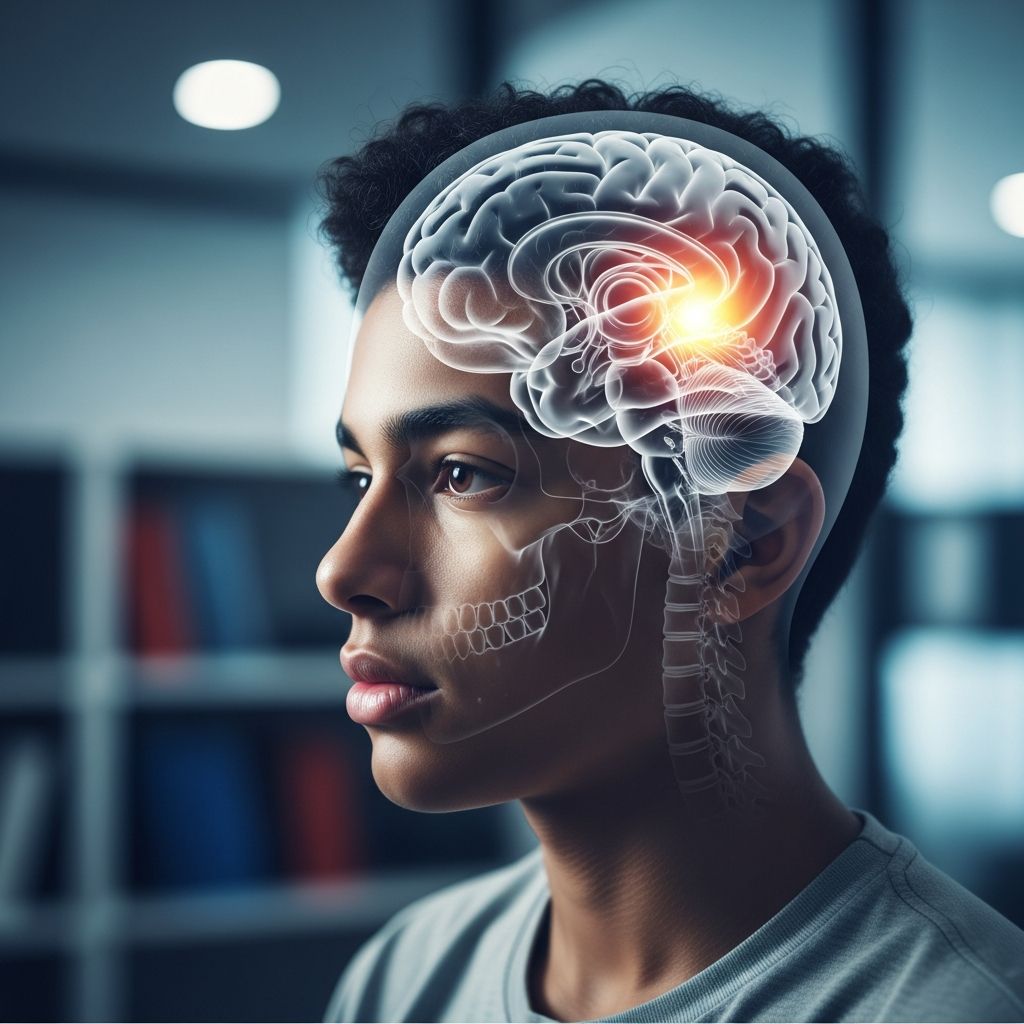
Head injuries affect many teenagers, especially those involved in sports, biking, or everyday accidents. These can range from minor bumps to serious concussions that disrupt brain function temporarily. Prompt recognition and care are crucial for full recovery and avoiding complications.
Common Ways Teens Get Head Injuries
Teenagers face unique risks due to their active lifestyles. Sports like football, soccer, hockey, and skateboarding top the list of causes, where falls, collisions, or equipment impacts lead to trauma. Other frequent scenarios include bike or scooter mishaps without helmets, car accidents as passengers or drivers, and slips during rough play or stair falls. Even playground activities or fights can result in unexpected blows to the head.
Understanding these triggers helps in prevention. For instance, high-impact sports account for a significant portion of cases in adolescents, highlighting the need for protective gear and supervision.
Spotting the Signs: From Mild to Serious
After a potential head impact, watch for immediate or delayed symptoms. Mild cases might show as a bump or bruise, but concussions—a form of traumatic brain injury—alter normal brain activity without always causing visible damage.
- Physical indicators: Persistent headaches, nausea, vomiting, dizziness, blurred or double vision, sensitivity to light or noise, balance issues, or fatigue.
- Cognitive signs: Confusion, short-term memory lapses, trouble concentrating, slowed thinking, or repeating questions.
- Emotional and sleep changes: Irritability, sadness, anxiety, sleep disturbances like insomnia or excessive drowsiness.
Serious red flags demand urgent action: loss of consciousness, seizures, repeated vomiting, clear fluid or blood from ears/nose, severe headache worsening over time, unequal pupils, slurred speech, weakness in limbs, or unusual behavior.
| Symptom Type | Mild (Monitor at Home) | Serious (Seek Emergency Care) |
|---|---|---|
| Headache | Mild, manageable with rest | Severe, worsening, or with neck pain |
| Vomiting | Once or twice | Multiple times or projectile |
| Consciousness | Brief daze | Loss over 1 minute or repeated blackouts |
| Behavior | Mild confusion | Agitation, combativeness, or seizures |
This table helps quickly assess urgency. Always err on the side of caution with teens, as growing brains are more vulnerable.
First Steps After a Suspected Injury
Don’t move the person if a neck injury is possible; call emergency services immediately. For milder hits, stop activity, apply ice to swelling, and monitor closely. Avoid giving food, drink, or medications until cleared by a professional.
Seek medical evaluation promptly. Doctors may observe, order CT scans for bleeding or fractures, or check neck X-rays. Even without visible damage, concussions need professional assessment to rule out issues.
Treatment Approaches for Recovery
No single cure exists for concussions; management focuses on brain healing through rest and gradual activity resumption. Initial 24-48 hours call for relative rest: limit screens, reading, and mental tasks that worsen symptoms.
- Use acetaminophen for headaches if approved; skip NSAIDs like ibuprofen due to bleeding risks.
- Rest quietly the first day, with someone checking every few hours (no need to wake sleeping children unless advised).
- Introduce light activities like short walks after 48 hours if symptoms allow, avoiding high-risk impacts.
For moderate to severe cases, hospitalization, surgery for swelling or fractures, or therapies like physical rehab for balance and strength may be needed. Teens often return to school phased: shorter days, extra breaks, reduced workload.
Navigating School and Sports Comeback
Recovery timelines vary; most mild concussions resolve in days to weeks, but some linger up to a month. Coordinate with schools for accommodations: quiet testing rooms, extended deadlines, or half-days.
Sports return follows a step-by-step protocol under medical guidance:
- Symptom-free rest.
- Light aerobic exercise.
- Sport-specific training.
- Non-contact practice.
- Full contact only when cleared.
Rushing back risks second-impact syndrome, potentially fatal. Patience ensures safer healing.
Long-Term Outlook and When to Worry
Full recovery is common with proper care, though temporary issues like mood swings or focus problems may persist briefly. Rare ongoing effects, like post-concussion syndrome, warrant follow-up with specialists.
Monitor for delayed worsening: return to care if new symptoms emerge. Emotional support matters—teens may feel frustrated or isolated during downtime.
Prevention: Gear Up for Safety
- Wear helmets: Properly fitted for biking, skating, skiing, snowboarding, and contact sports.
- Safe play: Follow rules, use age-appropriate gear, avoid roughhousing on hard surfaces.
- Vehicle safety: Seatbelts always, no phone distractions for young drivers.
- Education: Teach risk awareness; coaches should enforce concussion protocols.
Programs like CDC’s HEADS UP promote awareness, reducing incidence through rules and training.
Frequently Asked Questions (FAQs)
Can teens sleep right after a head injury?
Yes, normal sleep is fine unless a doctor specifies waking checks. Maintain routines but monitor for unusual drowsiness.
How long until returning to sports?
Typically 7-10 days minimum for mild cases, but only when symptom-free and medically cleared via graduated steps.
Is it okay to play video games during recovery?
Limit screens initially; resume gradually if no symptom flare-up. Prioritize cognitive rest first.
What if symptoms don’t improve after a week?
Consult a doctor for re-evaluation; persistent issues may need therapy or further tests.
Do all head bumps need a doctor visit?
Not always for superficial ones without symptoms, but any concerning signs or sports impacts do.
Empowering Teens for Brain Health
Head injuries are preventable and treatable with awareness. Teens, parents, and coaches play key roles in spotting issues early and enforcing recovery. Prioritize brain safety to keep young athletes thriving without setbacks.
References
- Head injuries and concussion — Better Health Channel, Victoria Government. 2023. https://www.betterhealth.vic.gov.au/health/conditionsandtreatments/head-injuries-and-concussion
- Head Injury: Types, Symptoms, Causes & Treatments — Cleveland Clinic. 2024-01-17. https://my.clevelandclinic.org/health/diseases/head-injury
- Concussions in Kids and Teens: A Q&A with Our Experts — Lurie Children’s Hospital. 2023. https://www.luriechildrens.org/en/blog/concussions-in-kids-and-teens-a-qa-with-our-experts/
- Concussion – Diagnosis and treatment — Mayo Clinic. 2024-01-12. https://www.mayoclinic.org/diseases-conditions/concussion/diagnosis-treatment/drc-20355600
- Head injury – general advice — Royal Children’s Hospital Melbourne. 2023. https://www.rch.org.au/kidsinfo/fact_sheets/head_injury/
- What to do After a Concussion — Centers for Disease Control and Prevention (CDC). 2024. https://www.cdc.gov/heads-up/guidelines/recovery-from-concussion.html