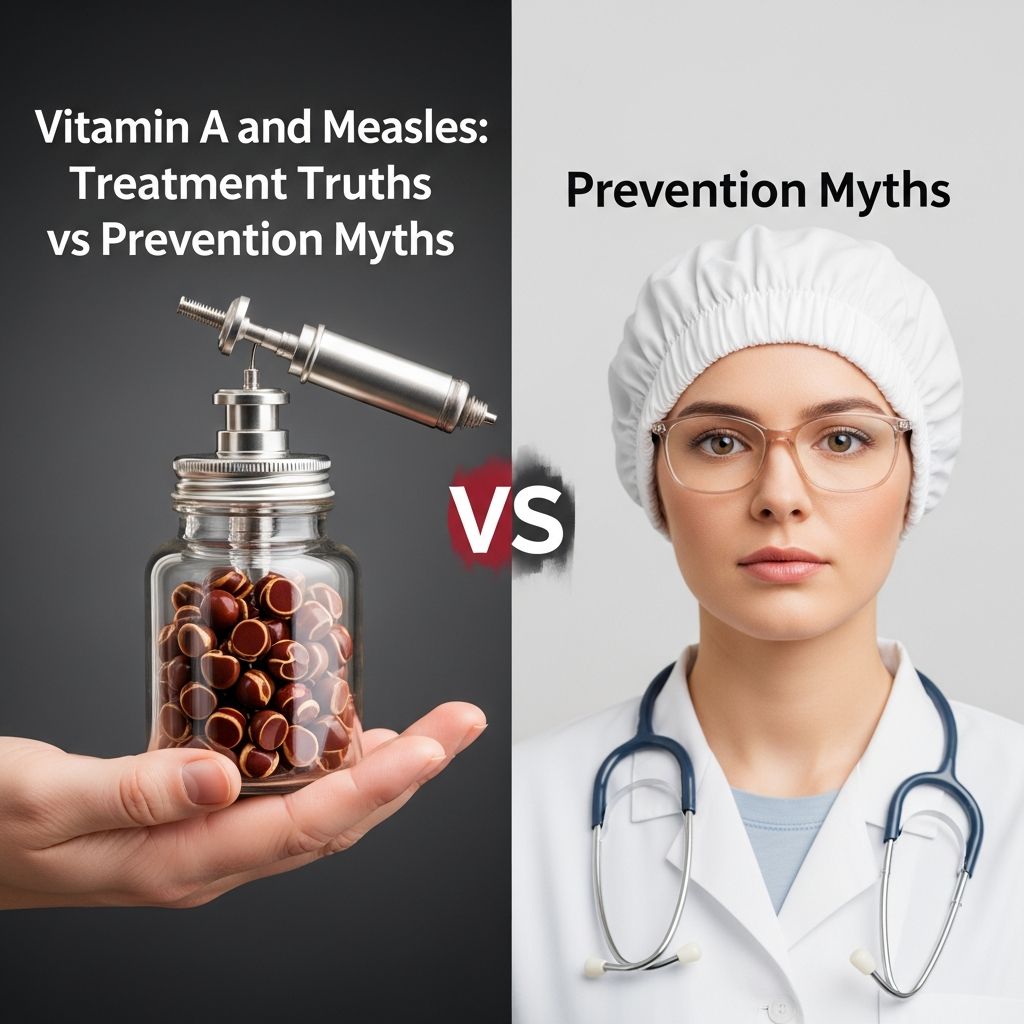
Vitamin A supplementation supports immune function and can reduce measles mortality in specific cases, but it does not prevent measles infection. Health authorities worldwide, including the WHO and CDC, stress that vaccination is the only reliable prevention strategy.
The Essential Role of Vitamin A in Child Health
Vitamin A, a fat-soluble nutrient, is vital for vision, growth, reproduction, and immune system maintenance. It supports epithelial tissue integrity and enhances T-cell responses and antibody production, which are crucial during infections like measles. In children, deficiency impairs immunity, heightening risks from common illnesses.
Globally, vitamin A deficiency affects millions, particularly in low- and middle-income countries. The WHO identifies it as a public health concern in regions where diets lack animal products, fortified foods, or colorful vegetables. In such areas, measles—a highly contagious viral disease—becomes deadlier due to weakened defenses.
Scientific Evidence on Vitamin A for Measles Treatment
Research demonstrates vitamin A’s benefits when treating measles in deficient children. A Cochrane review of randomized trials found that two doses of 200,000 IU vitamin A on consecutive days reduced mortality by 83% in children under two years old (RR 0.21; 95% CI 0.07 to 0.66). This effect was evident even without overt deficiency signs in some studies.
A meta-analysis of over one million children across 19 countries showed a 12% reduction in measles-related deaths with supplementation. In African trials targeting infants under two, mortality dropped by 79%. These findings prompted WHO and UNICEF in 1997 to recommend high-dose vitamin A for measles patients over one year in deficiency-prone areas: 200,000 IU twice.
| Study Type | Population | Outcome | Source |
|---|---|---|---|
| Meta-analysis (8 RCTs) | Children with measles | 83% mortality reduction <2 years (two doses) | |
| Meta-analysis (1M+ children) | 19 countries, deficient areas | 12% measles mortality reduction | |
| African RCTs (under 2s) | Malnutrition settings | 79% mortality reduction | |
| 4 RCTs on croup | Post-measles complications | 41% risk reduction |
Benefits extend to complications: four trials reported a 41% drop in post-measles croup incidence with two-dose regimens. However, single doses showed no overall mortality benefit (RR 0.70; 95% CI 0.42 to 1.15).
Why Vitamin A Fails as a Measles Preventive
- No Preventive Effect: No high-quality studies show vitamin A stops measles infection. It treats symptoms in infected children but does not confer immunity or block viral entry.
- Context-Specific Benefits: Efficacy ties to deficiency; in well-nourished populations like the U.S., where deficiency is rare, gains are negligible or unproven.
- Misinformation Risks: Claims promoting vitamin A as a vaccine alternative lack evidence and endanger public health amid outbreaks.
The AAP states unequivocally: “No scientific evidence supports the false claim that vitamin A can prevent measles or serve as a replacement for medical treatment.” Sean O’Leary, MD, MPH, FAAP, adds, “Vitamin A should not be used to try to prevent measles, and high doses are potentially very harmful. The only effective way is the MMR vaccine.”
Risks of Excessive Vitamin A Intake
High-dose vitamin A (retinol form) risks toxicity, unlike safer provitamin A carotenoids from plants. Acute overdose causes nausea, vomiting, headaches, dizziness, and skin issues. Chronic excess leads to liver damage, bone pain, blurred vision, and hypercalcemia.
In infants, megadoses risk increased intracranial pressure, potentially causing coma. The NFID notes benefits outweigh risks in supervised measles treatment, but unsupervised use, especially for prevention, invites harm. Pediatricians advise against self-dosing; children’s multivitamins provide safe, low levels.
Global Guidelines: When and How to Use Vitamin A
WHO Recommendations:
- Children >12 months in deficiency areas: 200,000 IU on days 1 and 2 of measles diagnosis.
- Infants 6-12 months: 100,000 IU twice.
- <6 months: 50,000 IU twice.
In the U.S., the AAP and CDC reserve it for hospitalized measles cases with deficiency signs, under medical oversight. Routine use is unnecessary given dietary sufficiency from dairy, eggs, fish, and vegetables.
Supplementation complements, not replaces, supportive care: hydration, fever management, antibiotics for secondary infections, and isolation.
Measles Vaccination: The Gold Standard Prevention
The MMR vaccine prevents 97% of measles cases with two doses, per CDC and WHO data. It induces lifelong immunity without vitamin A’s risks. Outbreaks in under-vaccinated communities underscore urgency: U.S. cases rose recently, mostly among unvaccinated individuals.
Vitamin A supports recovery in deficient settings but cannot match vaccine efficacy. Public health campaigns must counter myths promoting supplements over shots.
Nutritional Strategies for Immune Support
Prevent deficiency through diet:
- Animal Sources: Liver, fish, eggs, dairy (retinol, highly bioavailable).
- Plant Sources: Carrots, sweet potatoes, spinach (beta-carotene, converts to vitamin A).
- Fortified Foods: Milk, cereals in many countries.
Breastfeeding provides infants ample vitamin A. In high-risk areas, WHO endorses periodic low-dose supplements.
Addressing Misinformation in Public Health
Social media amplifies claims like “vitamin A prevents measles,” often citing outdated or cherry-picked data. Substack analyses clarify: benefits are treatment-focused, not preventive. Pediatric sites like HealthyChildren.org warn: “No, vitamin A does not prevent or cure measles.”
Healthcare providers should educate: discuss vaccine safety (billions of doses, minimal side effects) versus supplement limits.
Frequently Asked Questions About Vitamin A and Measles
Can vitamin A prevent my child from getting measles?
No. Only the MMR vaccine reliably prevents measles. Vitamin A treats complications in deficient, infected children.
Is vitamin A safe for measles treatment?
Yes, in WHO-recommended doses under medical supervision, especially for young children in deficient areas. Excess causes toxicity.
How does vitamin A help during measles?
It bolsters immunity, reducing mortality (up to 83% in <2-year-olds) and complications like croup in deficient kids.
Do U.S. children need vitamin A supplements for measles prevention?
No, deficiency is rare. Diet suffices; consult pediatricians before any supplementation.
What if my child gets measles—should I give vitamin A?
Seek immediate medical care. Providers may recommend it if deficiency is suspected, alongside vaccination for siblings.
Key Takeaways for Parents and Caregivers
- Prioritize MMR vaccination: two doses by age 6.
- Ensure balanced nutrition for immune health.
- Avoid unproven remedies; trust evidence-based medicine.
- In outbreaks, monitor symptoms: fever, cough, rash, and consult doctors promptly.
References
- Vitamin A and Measles: What the data show (and how to talk about it) — Your Local Epidemiologist. 2023-approx. https://yourlocalepidemiologist.substack.com/p/vitamin-a-and-measles-what-the-data
- Vitamin A for treating measles in children — Cochrane Database Syst Rev (PMC). 2020-04-28. https://pmc.ncbi.nlm.nih.gov/articles/PMC7076287/
- Fact Checked: Vitamin A Does Not Prevent Measles — American Academy of Pediatrics (AAP). 2024-approx. https://www.aap.org/en/news-room/fact-checked/fact-checked-vitamin-a-does-not-prevent-measles/
- Call to Action: Vitamin A for the Management of Measles in the US — National Foundation for Infectious Diseases (NFID). 2023-04. https://www.nfid.org/wp-content/uploads/2023/04/Call-to-Action-Vitamin-A-for-the-Management-of-Measles-in-the-US-FINAL.pdf
- Talking to patients about measles, vitamin A and the importance of vaccination — Infectious Diseases Society of America (IDSA). 2025-approx. https://www.idsociety.org/science-speaks-blog/2025/talking-to-patients-about-measles-vitamin-a-and-the-importance-of-vaccination/